Panama Canal
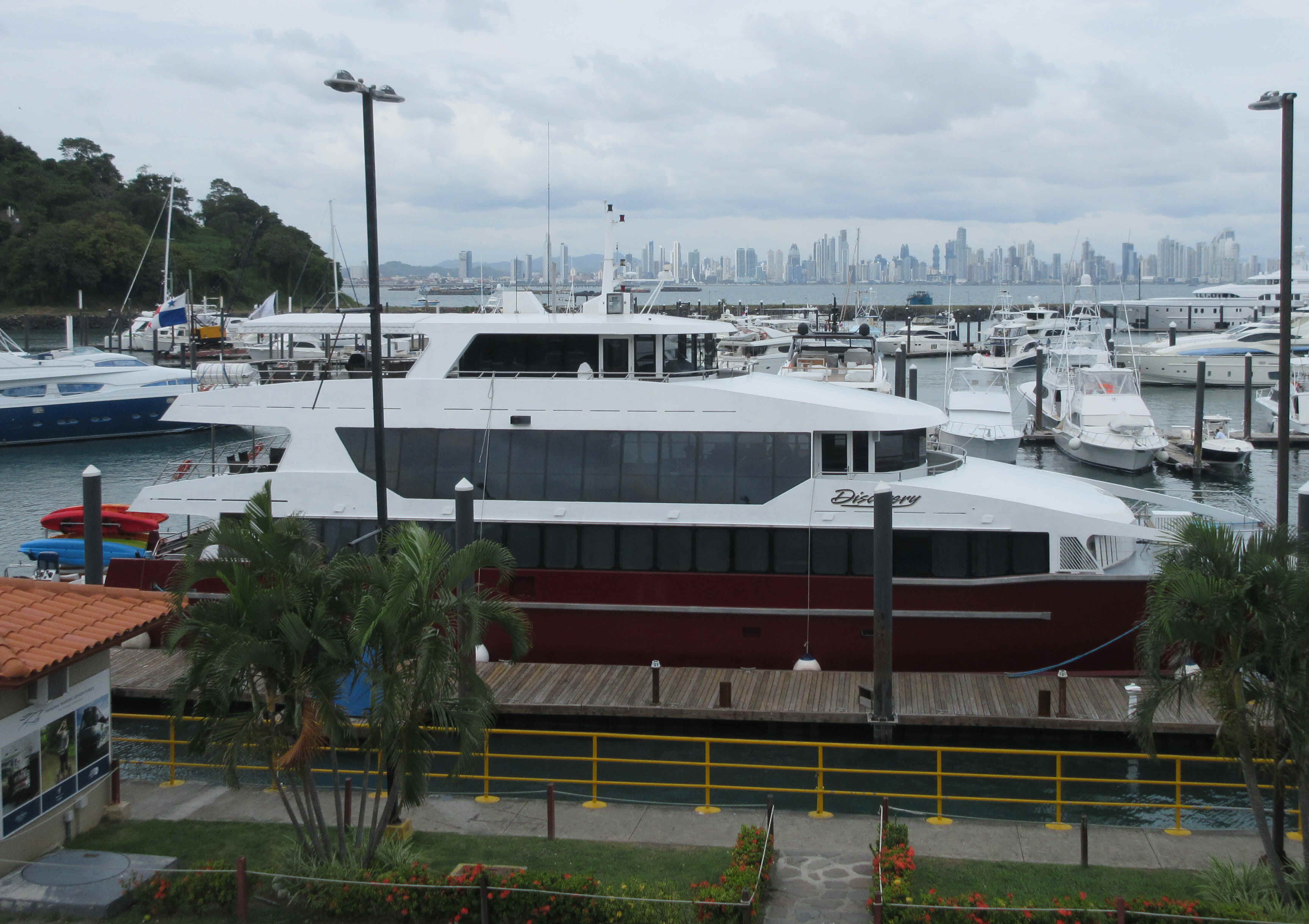
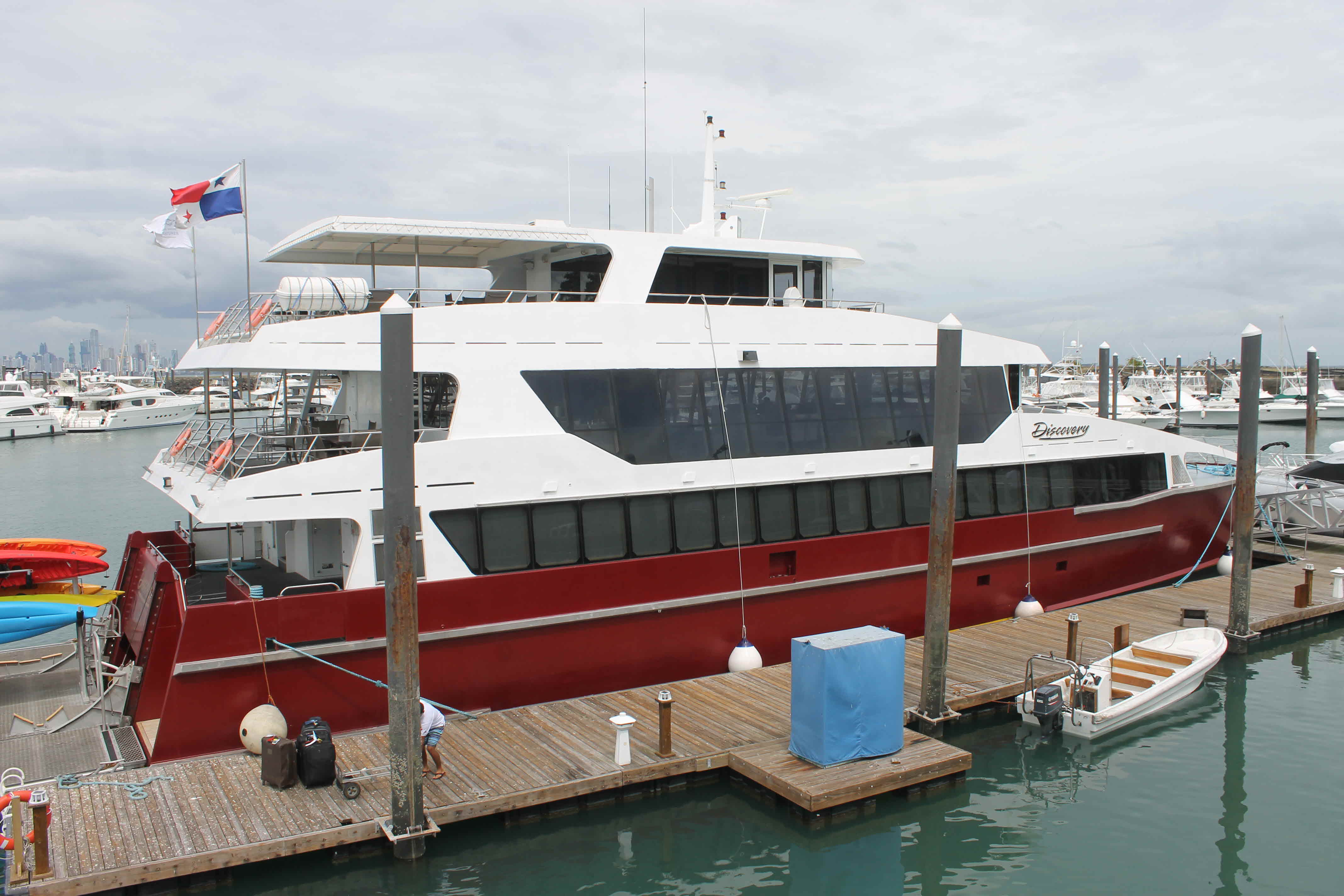
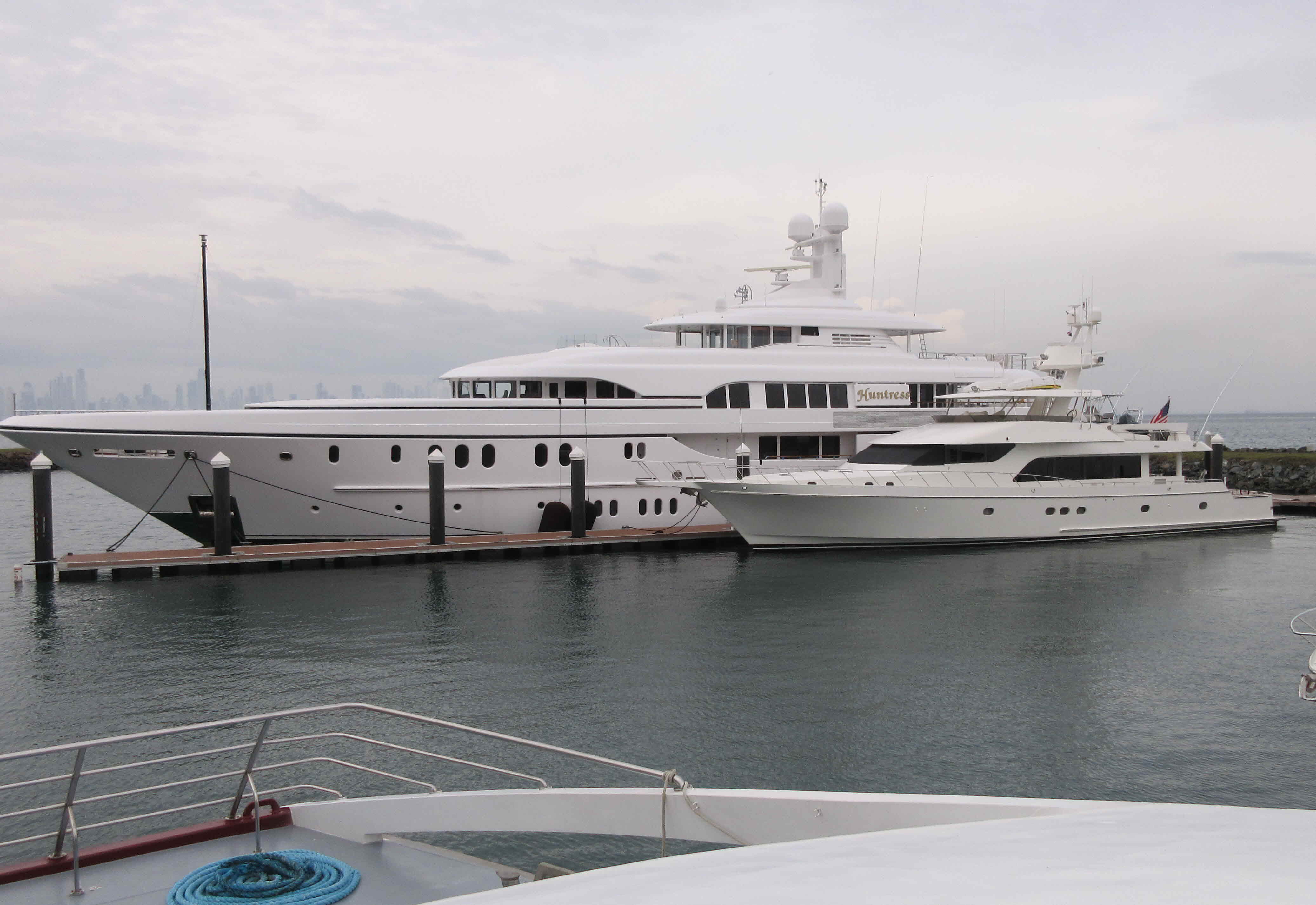
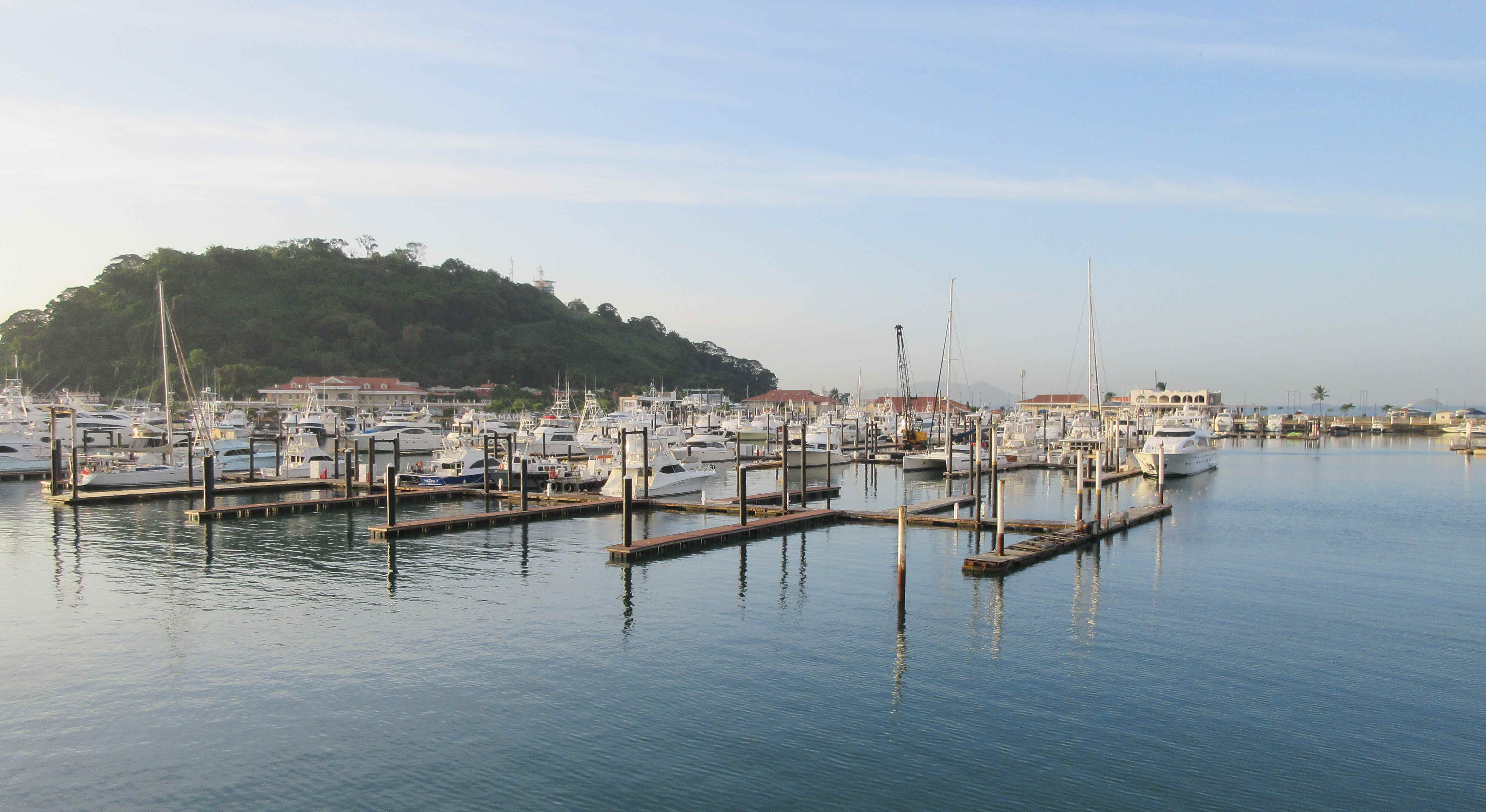
We finally got to the day when we boarded and started the Panama Canal tour. Our boat was a catamaran that held 24 passengers. It was docked in a small marina with other yachts—some very large! The captain and crew were very friendly. Our rooms were small but very adequate and we had wonderful food on board.
-
- our small ship
-
- our cataraman
-
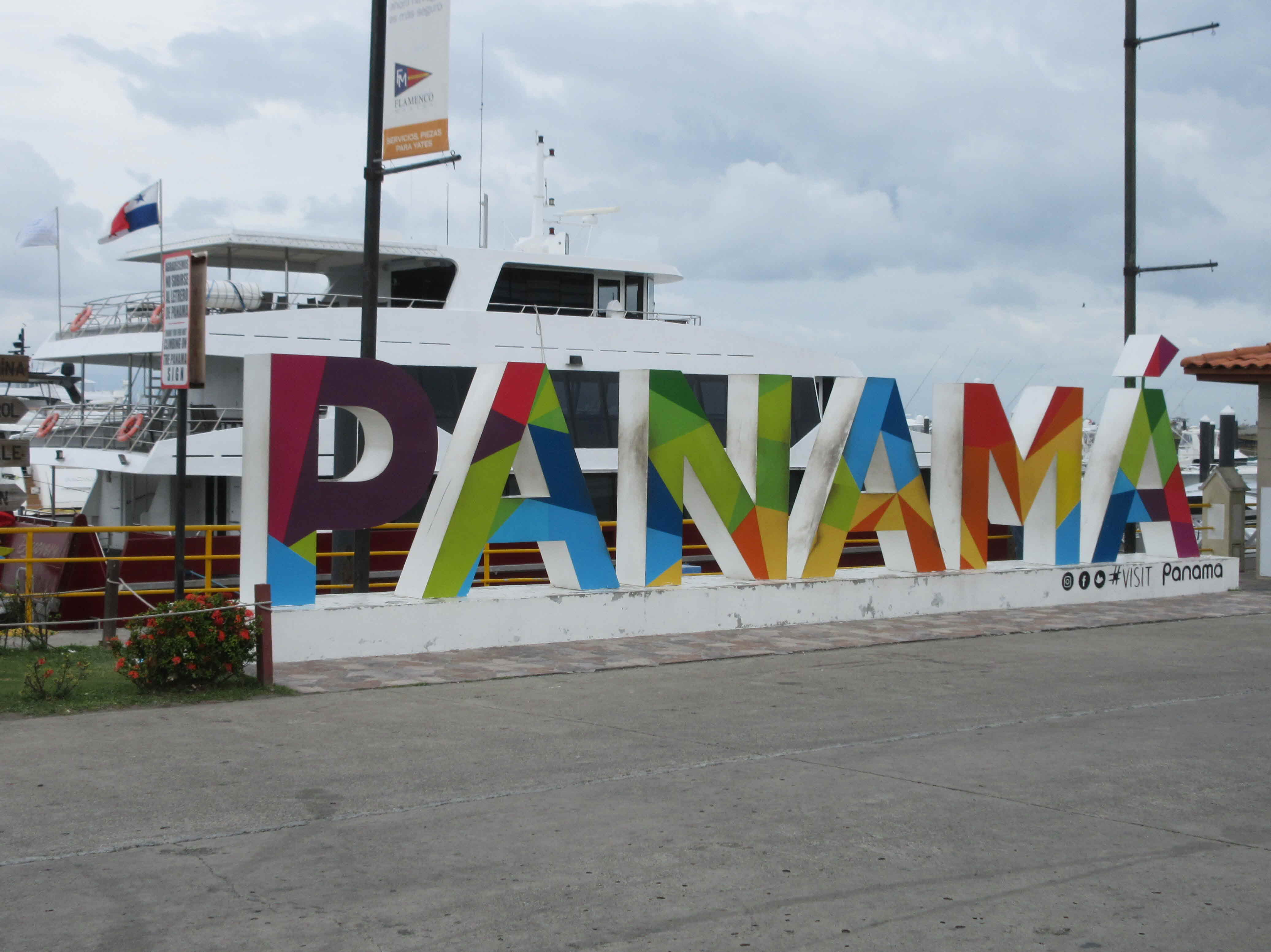
- reminder of where we are!
-
- some other yachts!
-
- our port
-
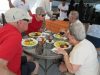
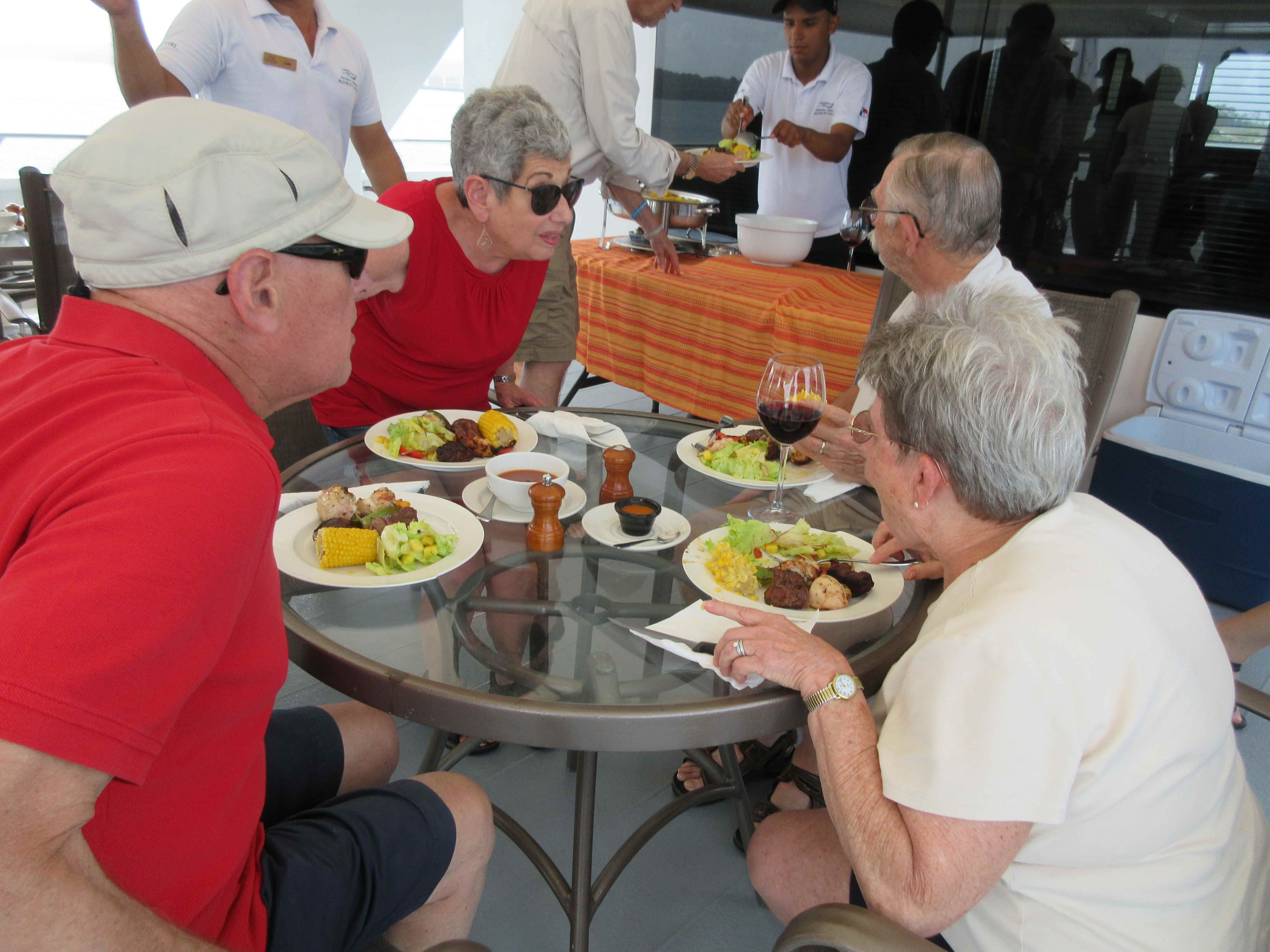
- barbecue lunch on board
-
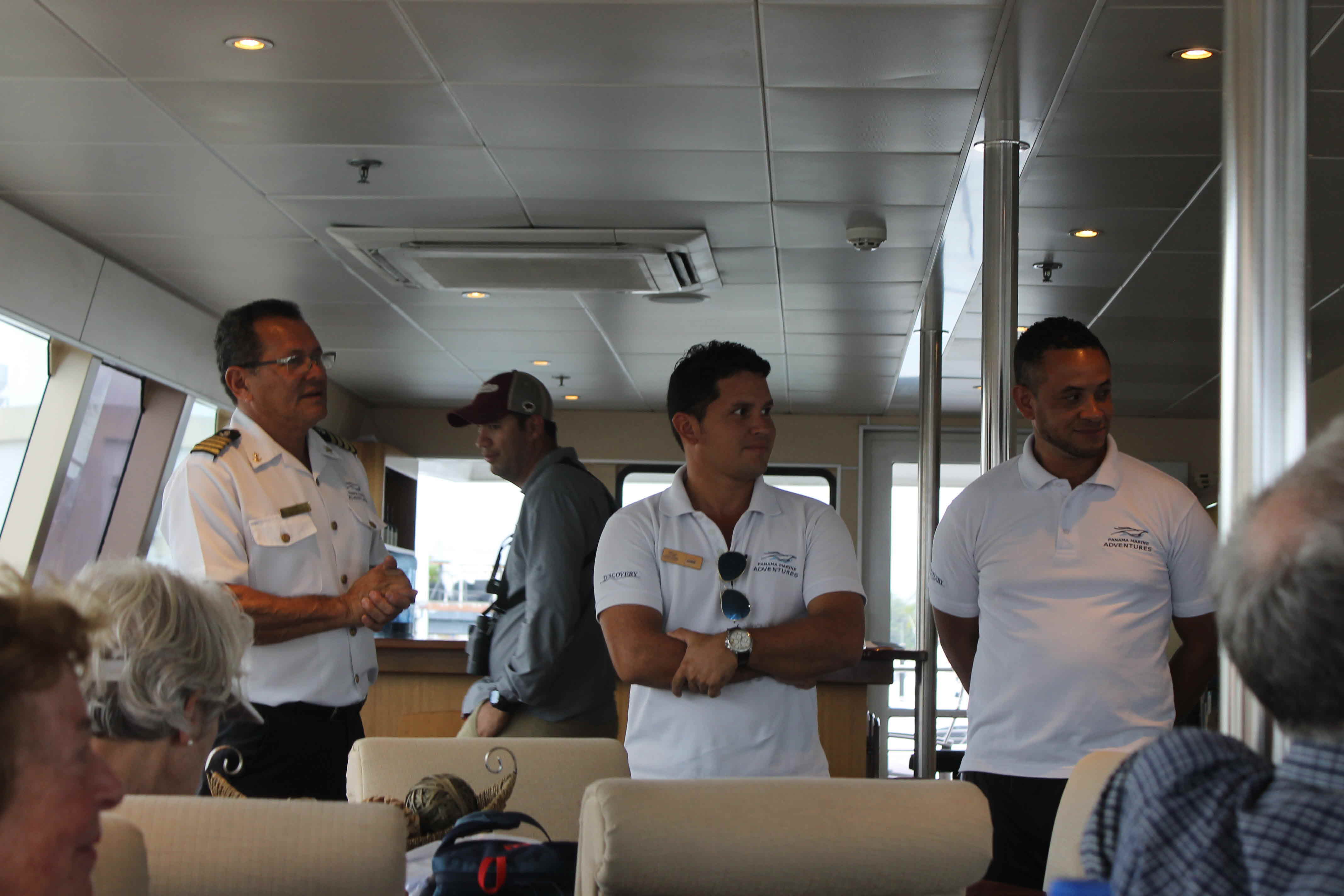
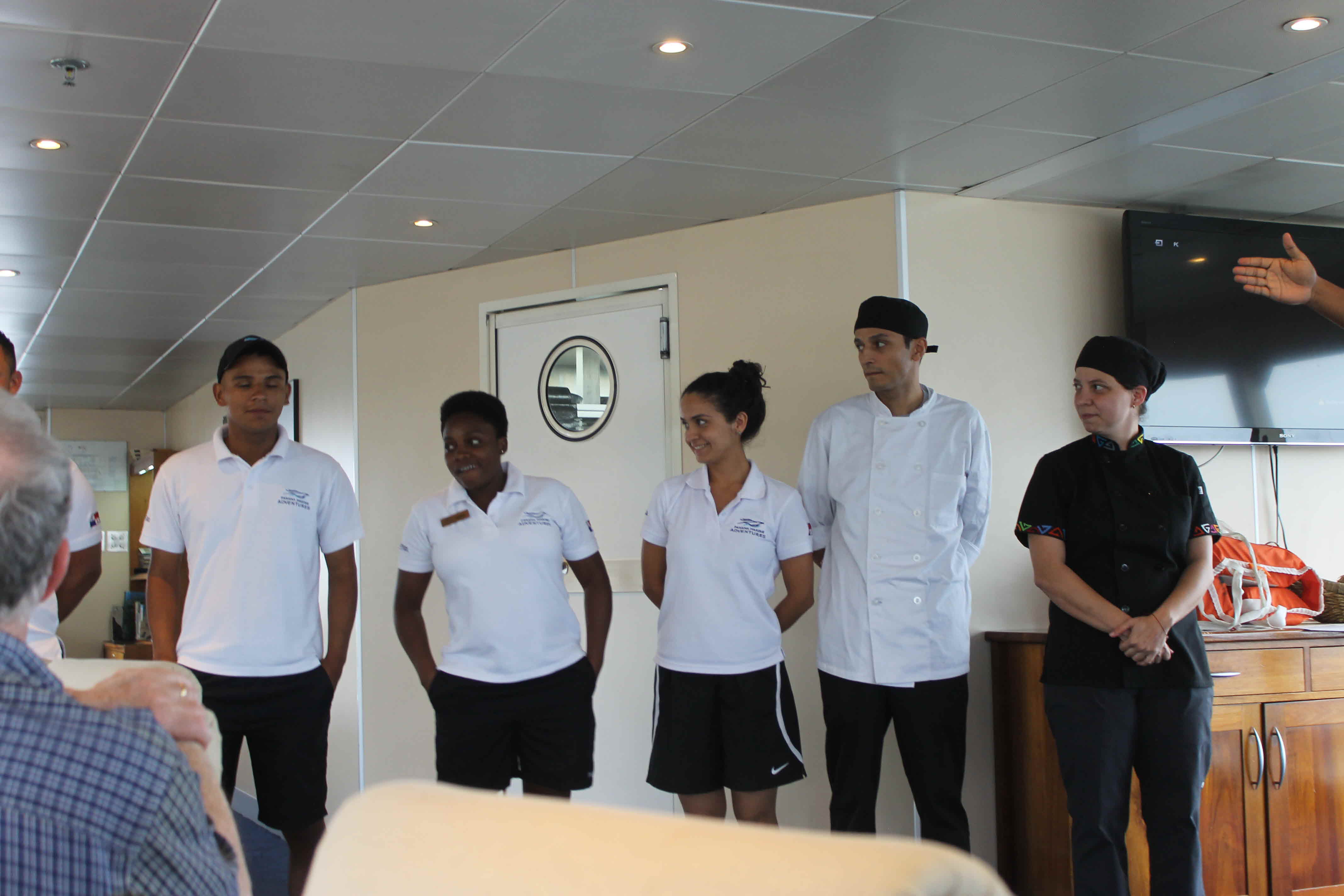
- captain on left plus crew
-
- chefs on right plus crew
-
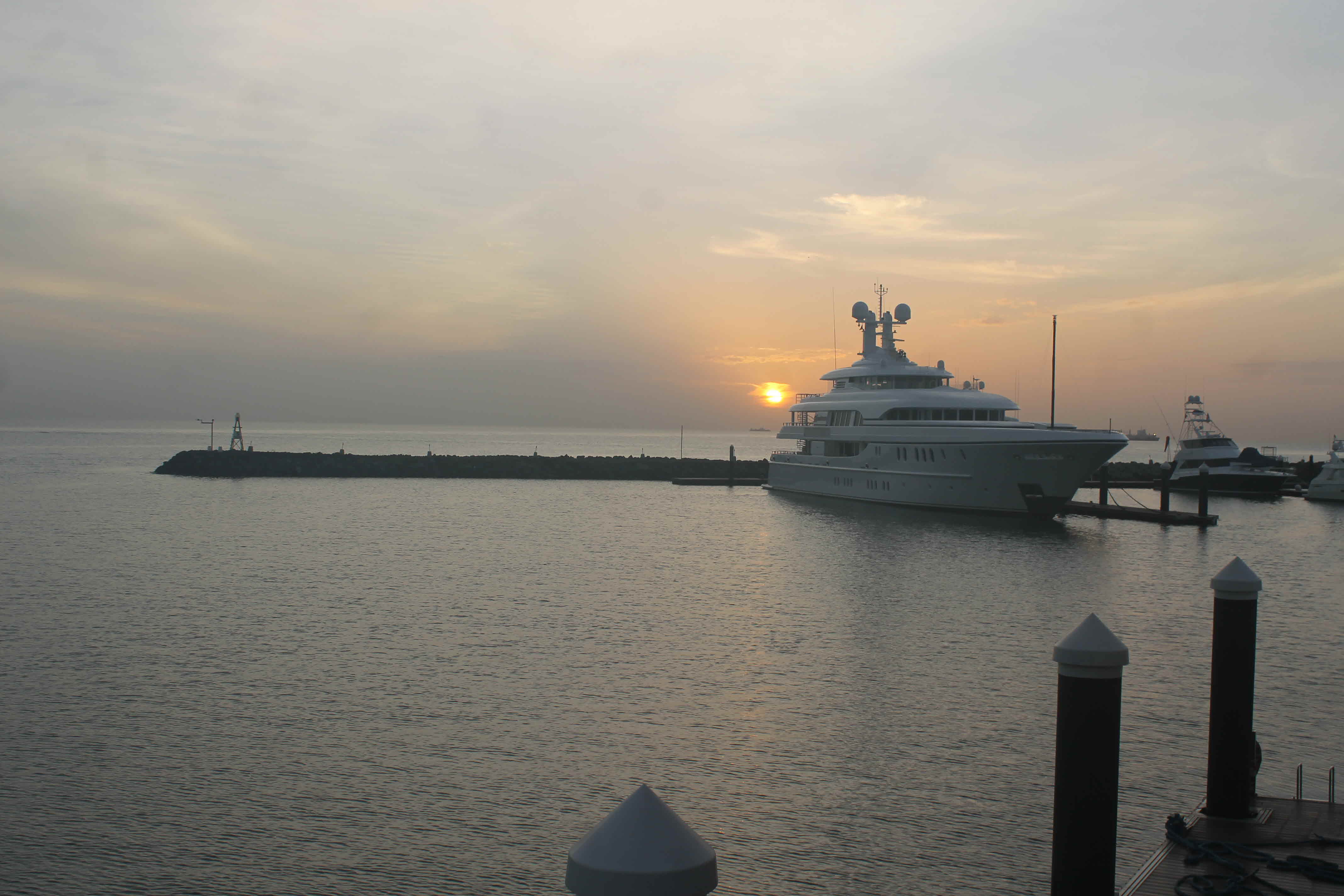
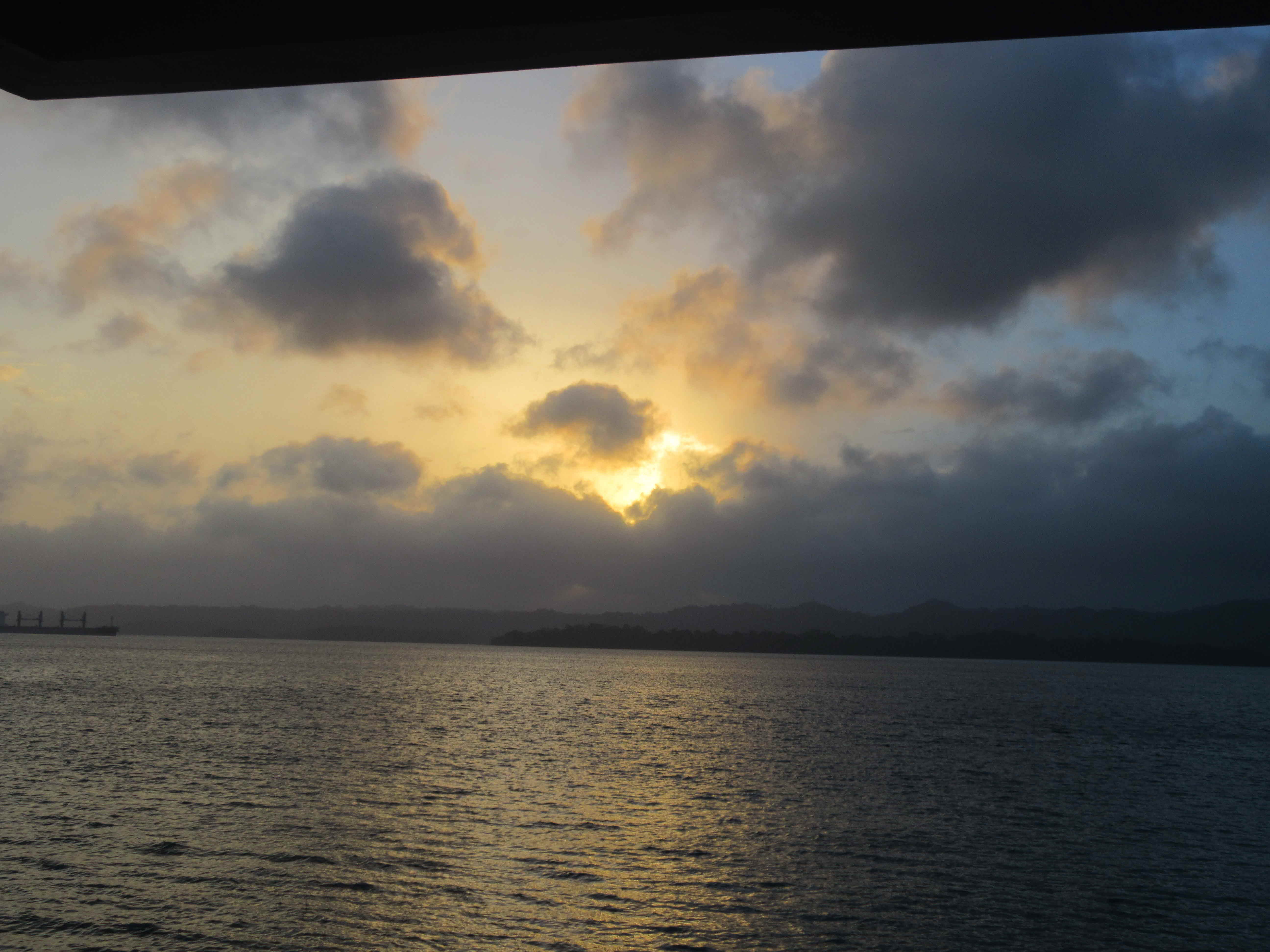
- sunrise first morning
-
- sunrise first morning
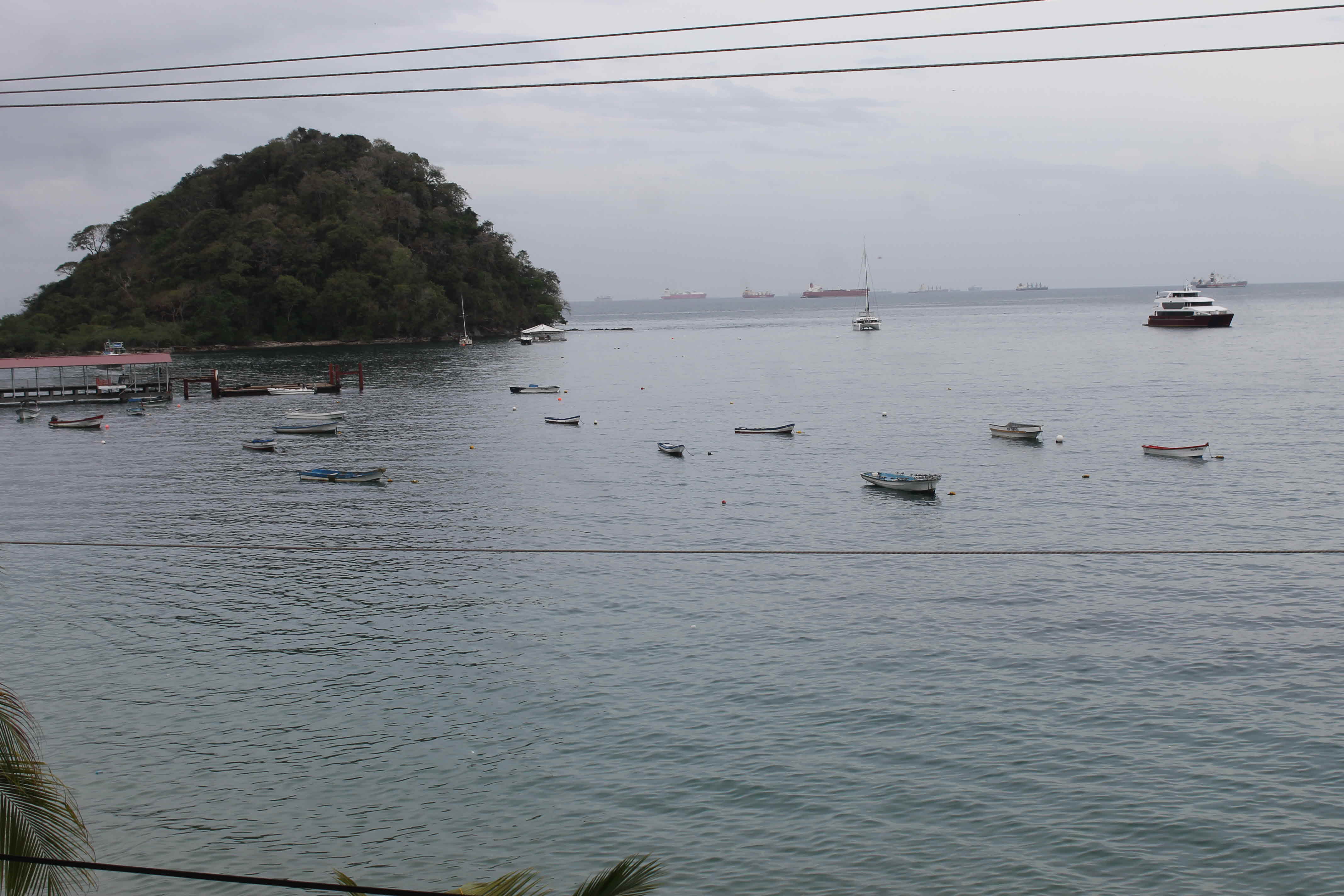
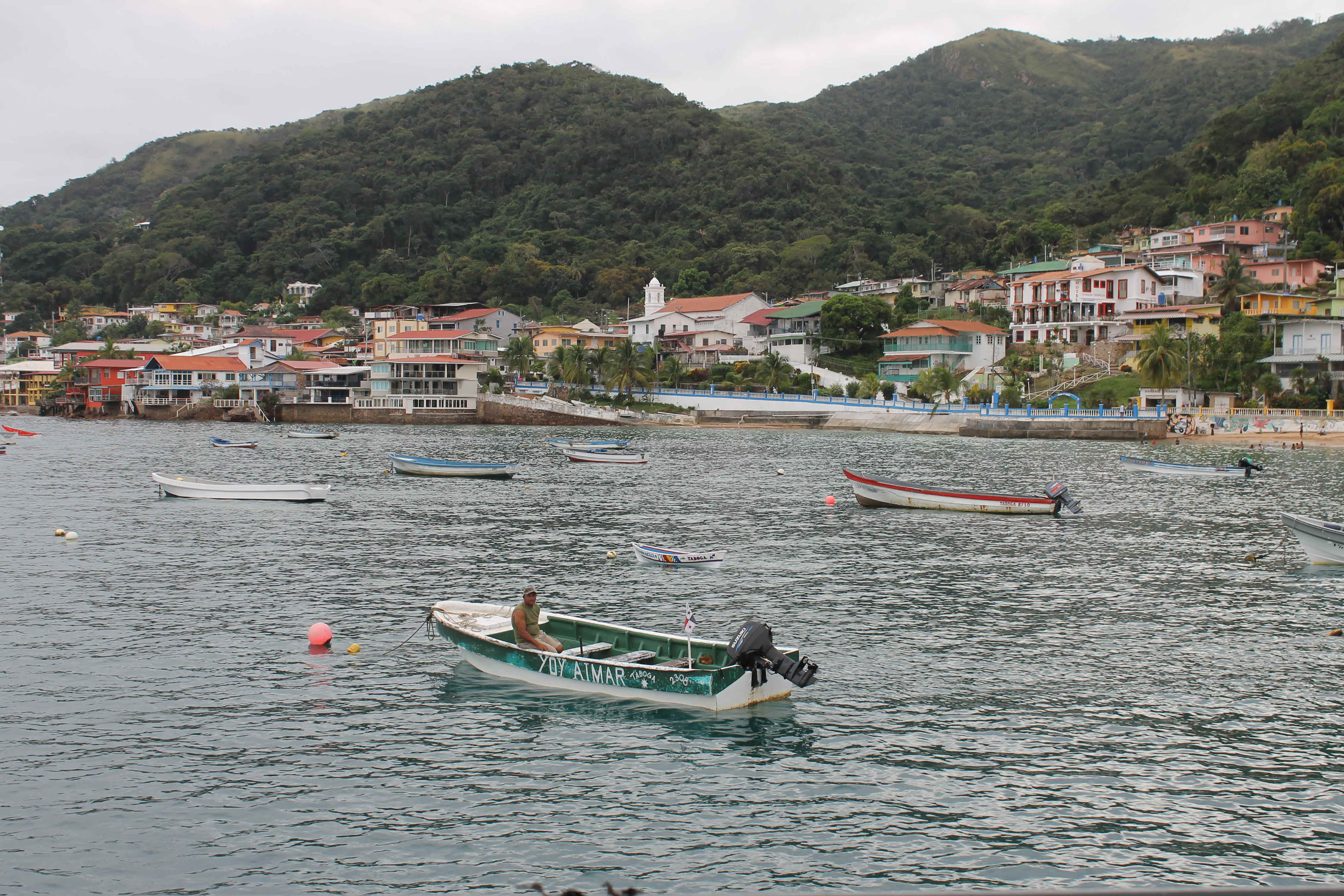
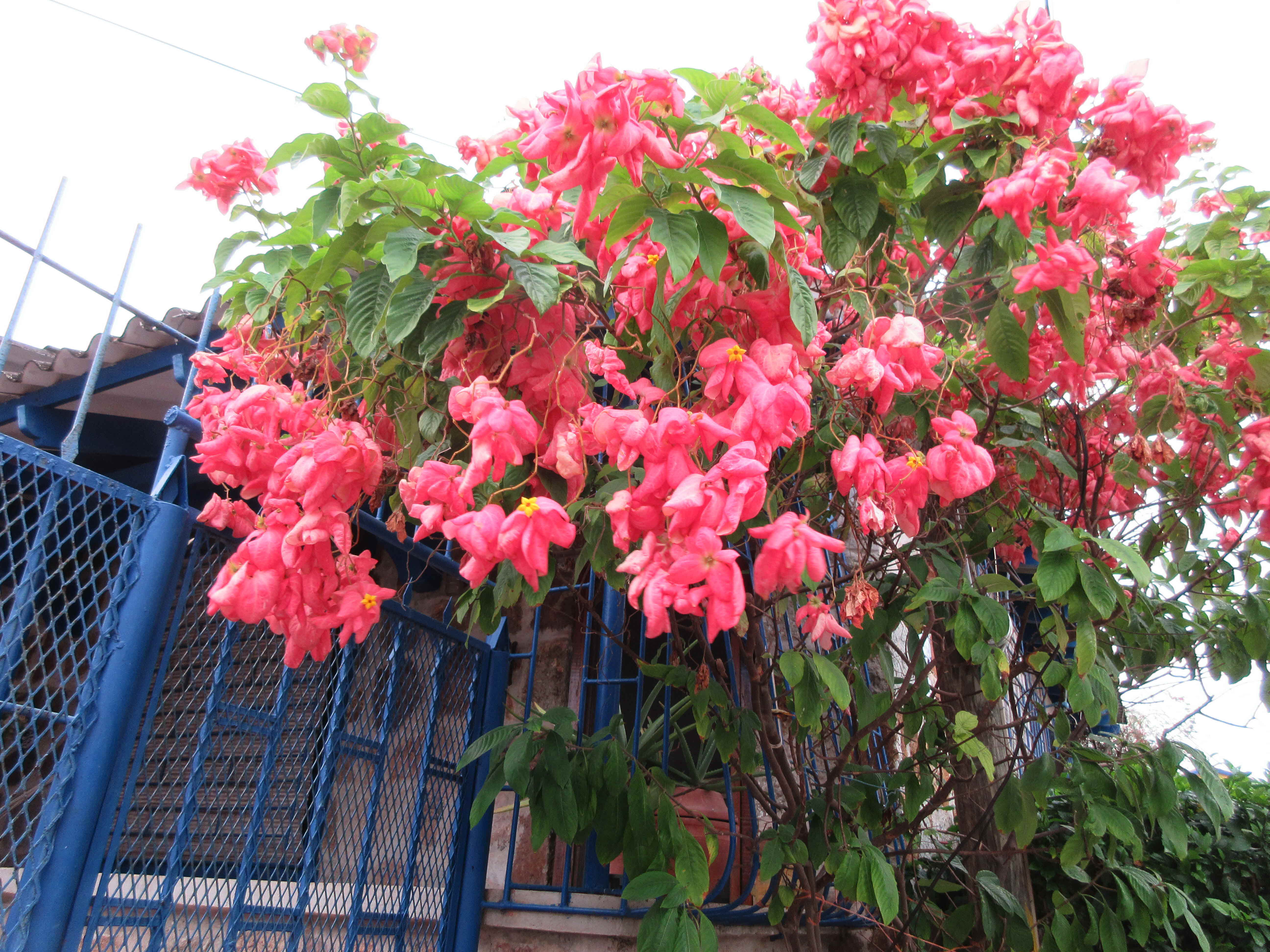
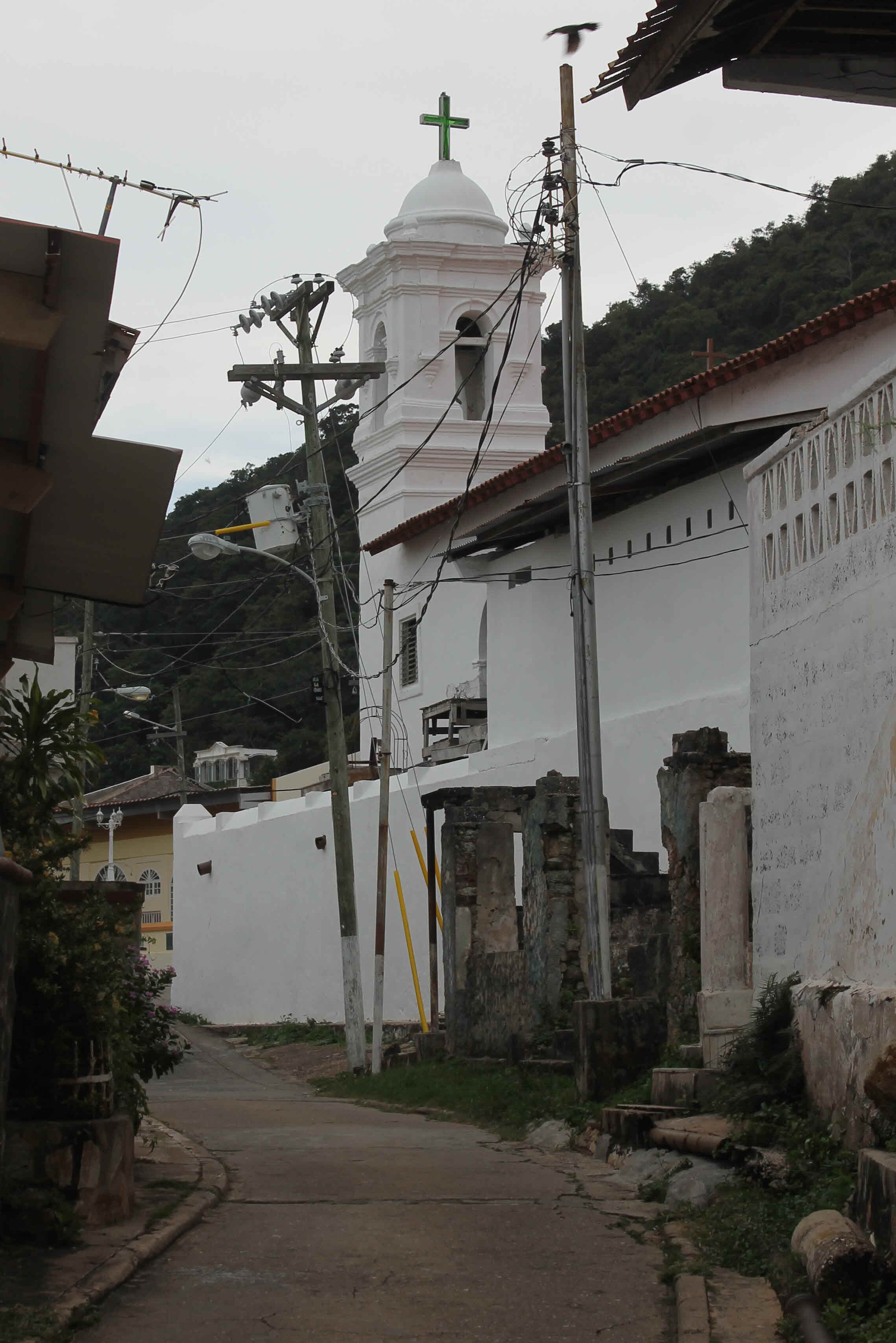
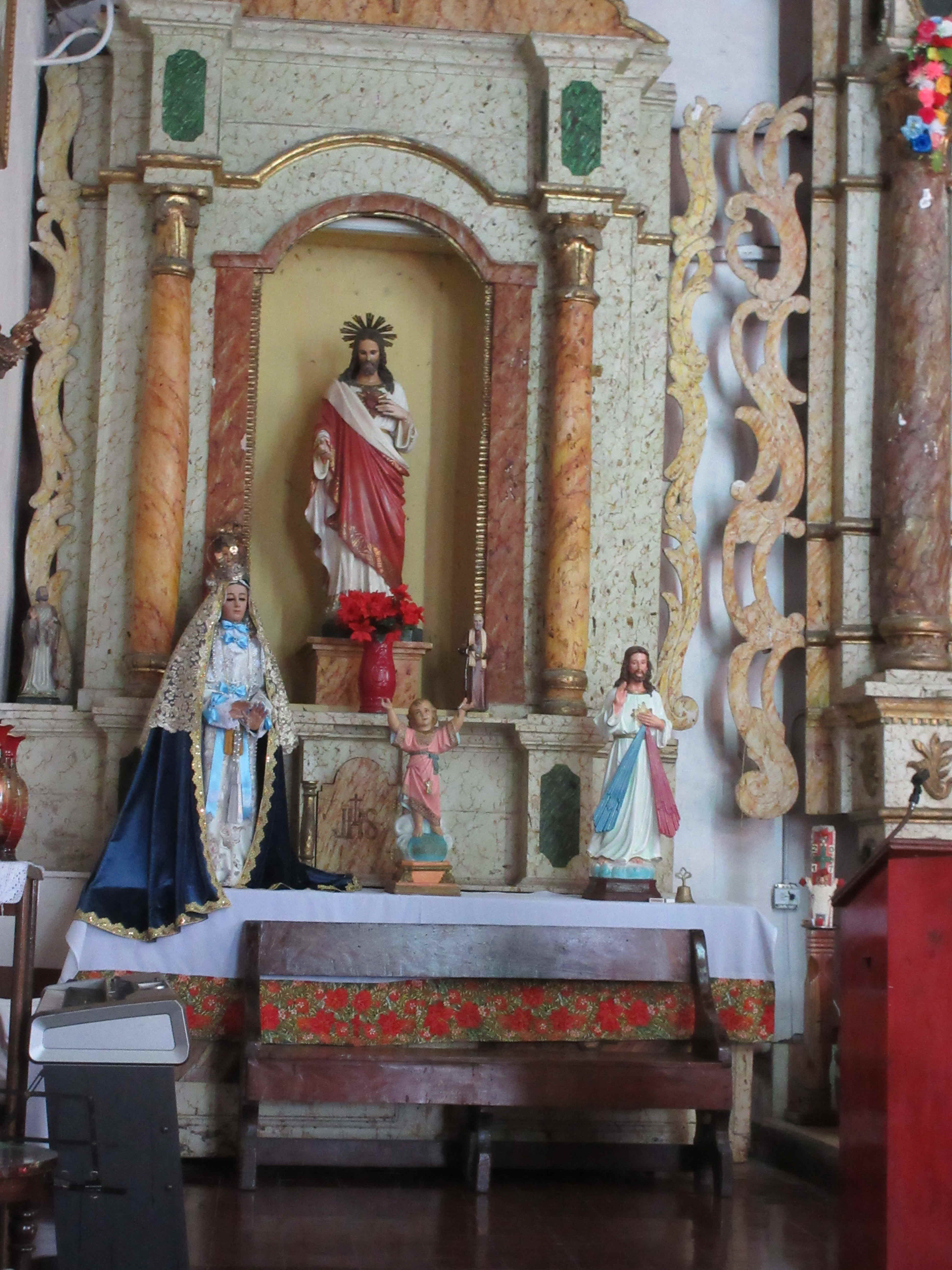
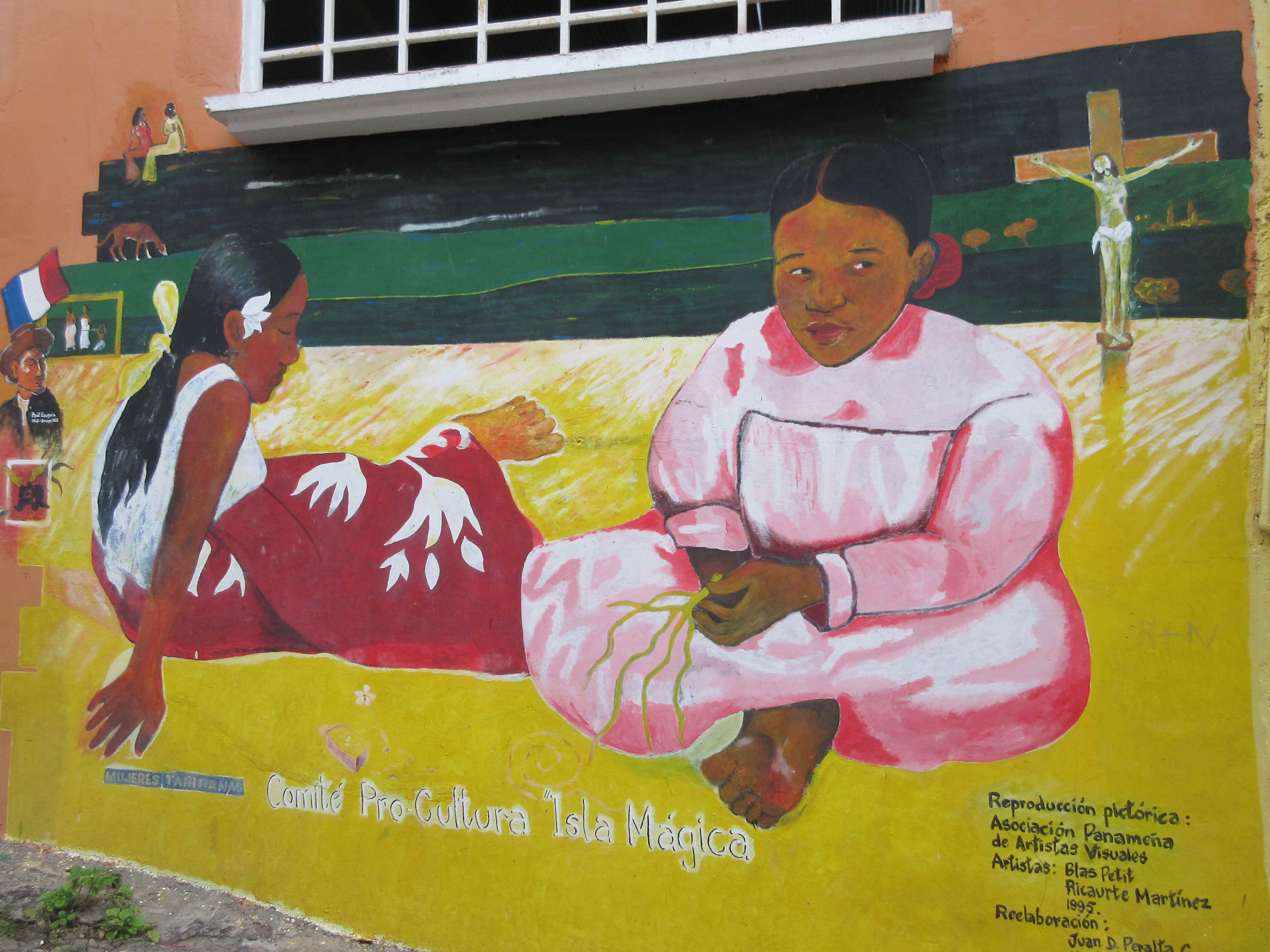
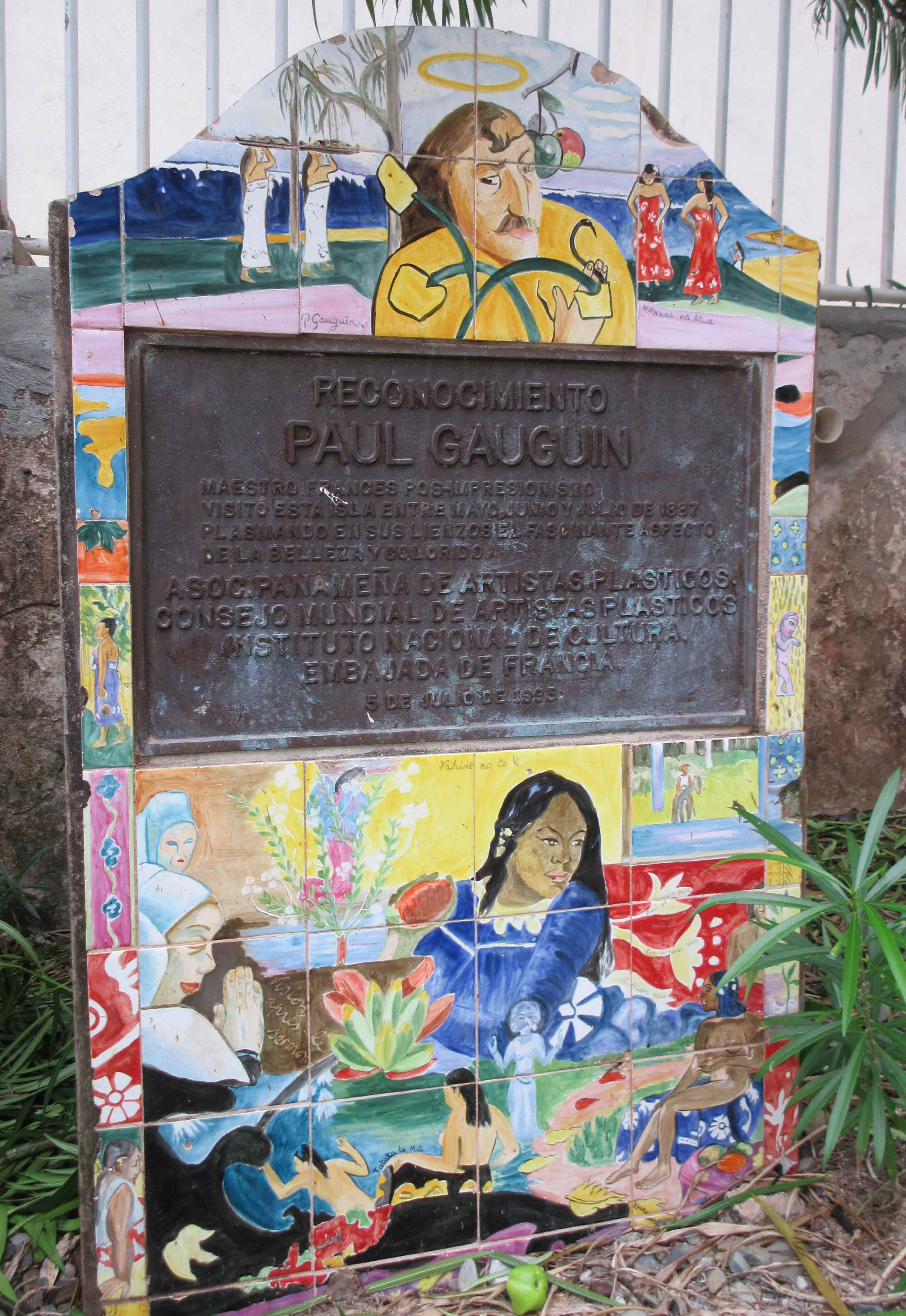
Our first visit was to Taboga Island which had originally served as a get-away for the white canal workers. Known as the “Island of Flowers;” San Pedro is a colorful village. Visited the second oldest continuously used church in the Western Hemisphere. Built in 1527. Paul Gauguin visited here in 1887.
-
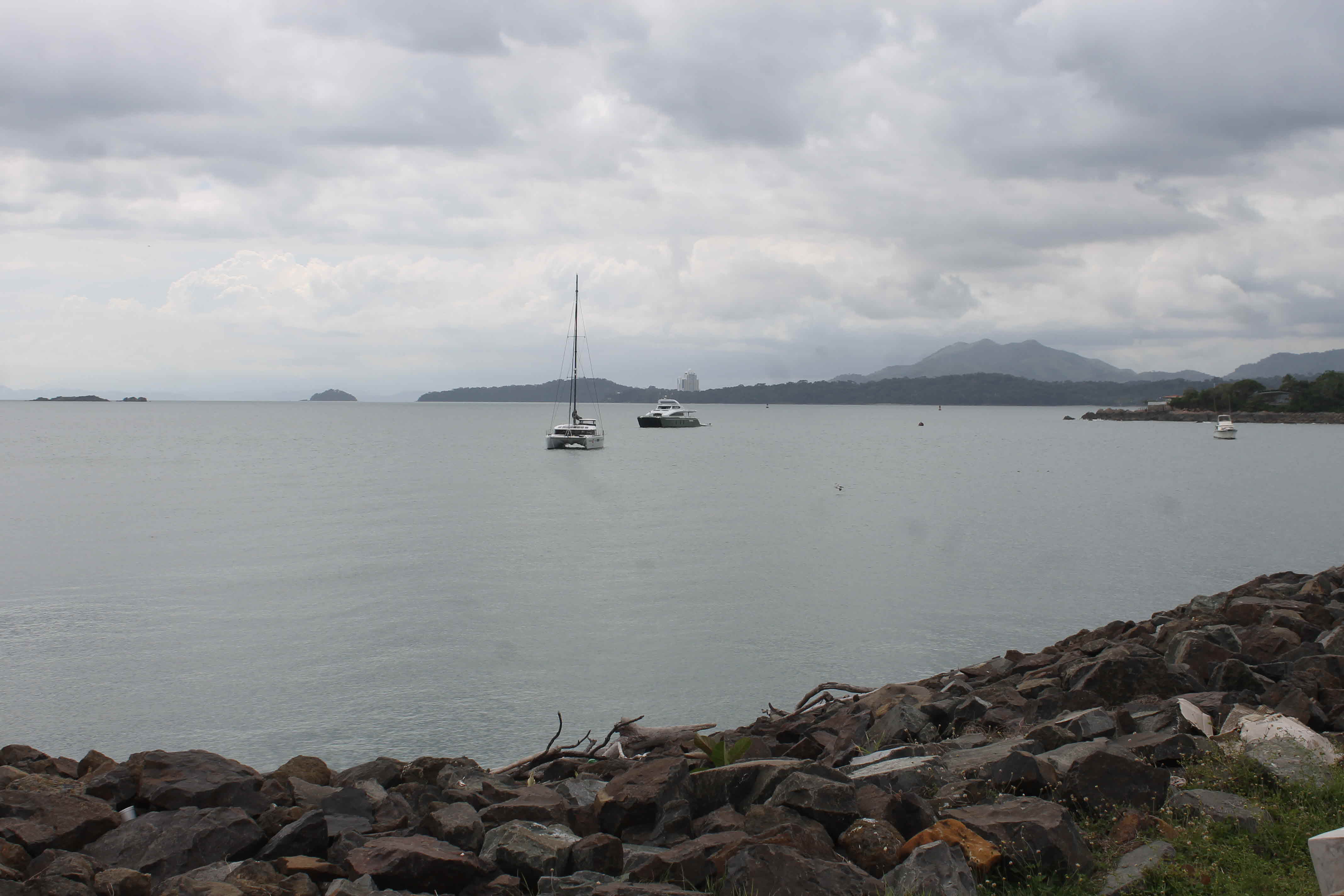
- island in distance
-

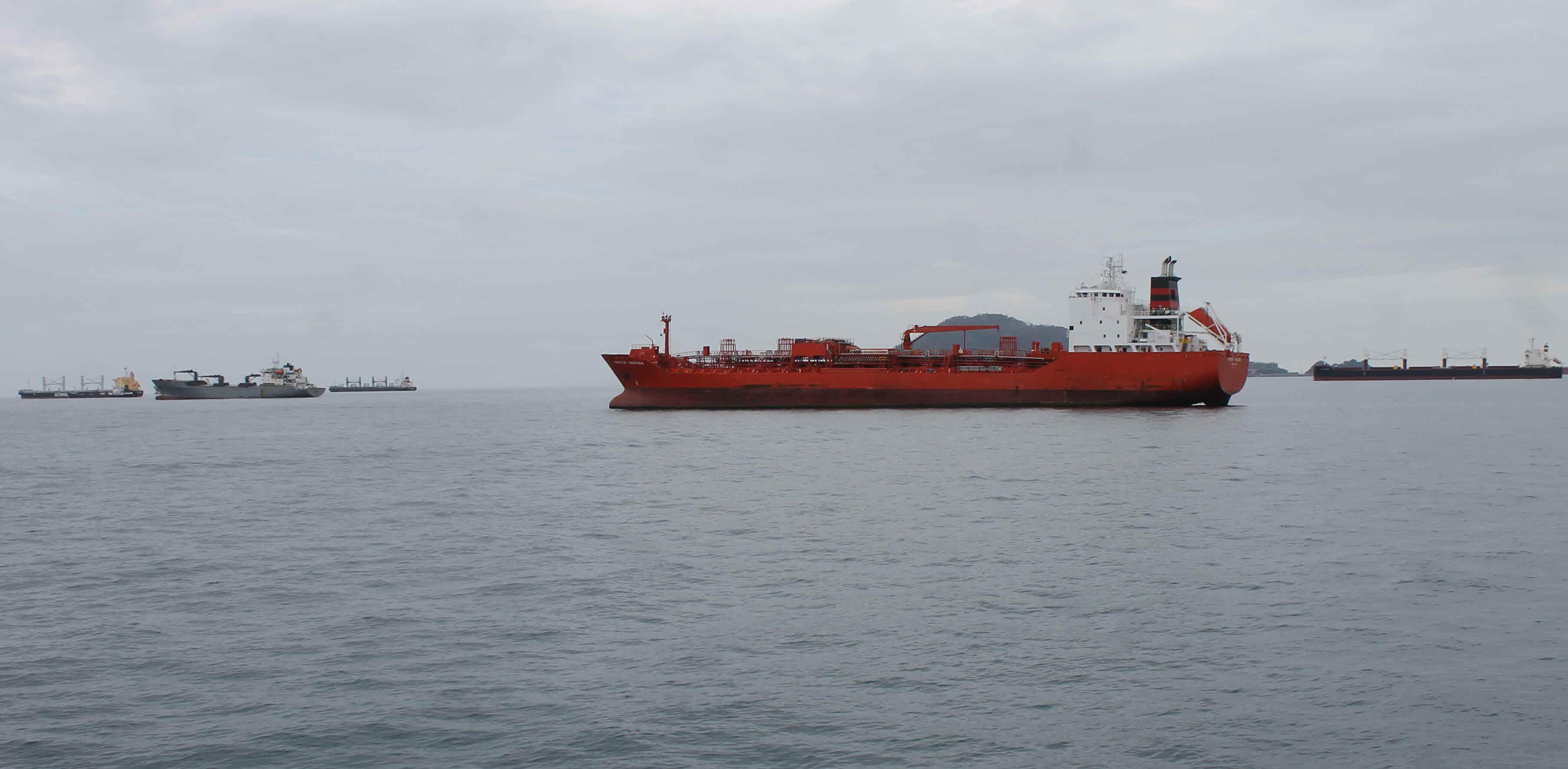
- ship waiting to enter canal
-
- boats in bay of island
-
- San Pedro from our boat
-
- San Pedro
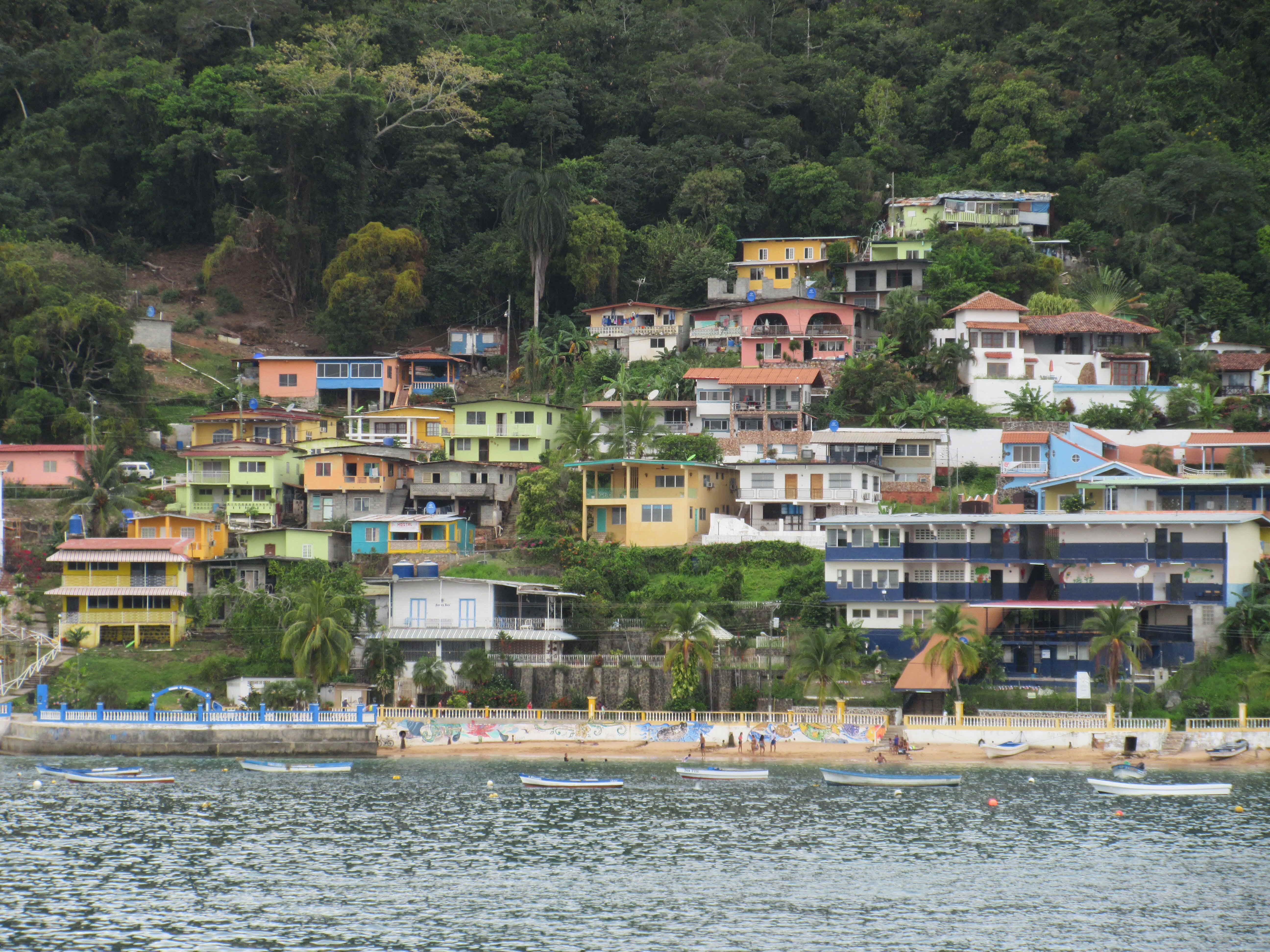
-
- island beach
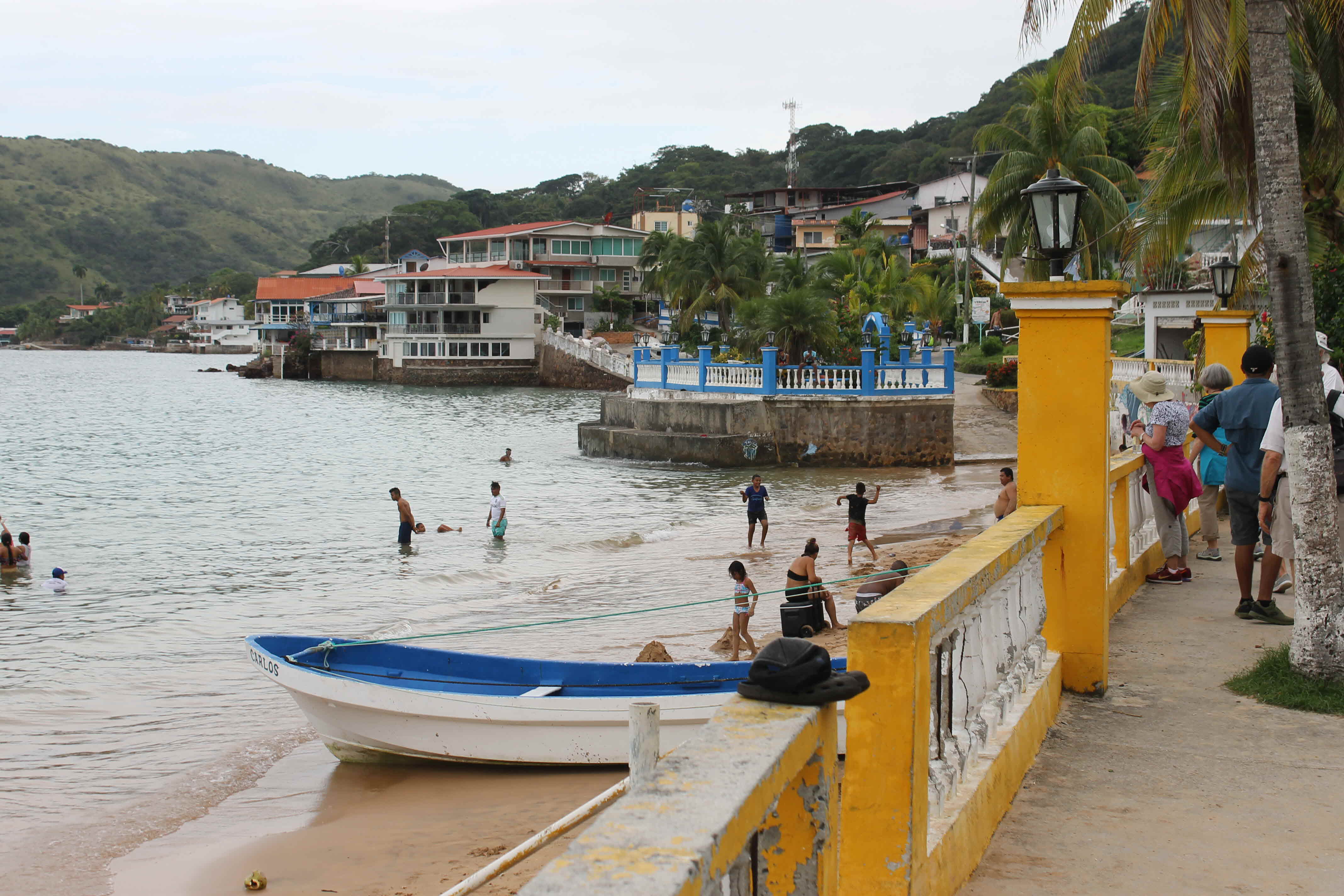
-
- flowers
-
- flowers

-
- more flowers

-
- Island of Flowers

-
- climbing street to church
-
- San Pedro church
-
- church

-
- church
-
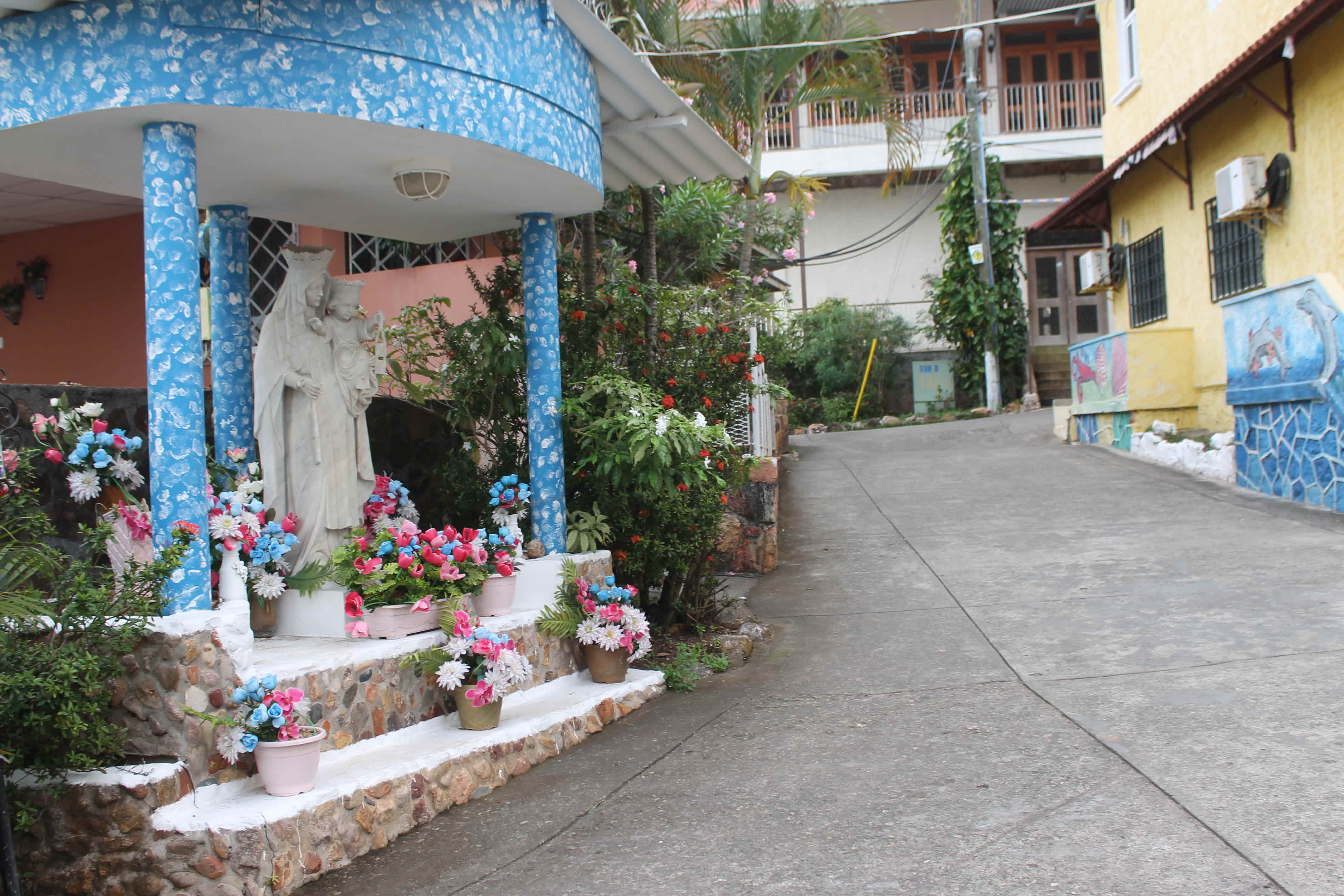
- street “altar”
-
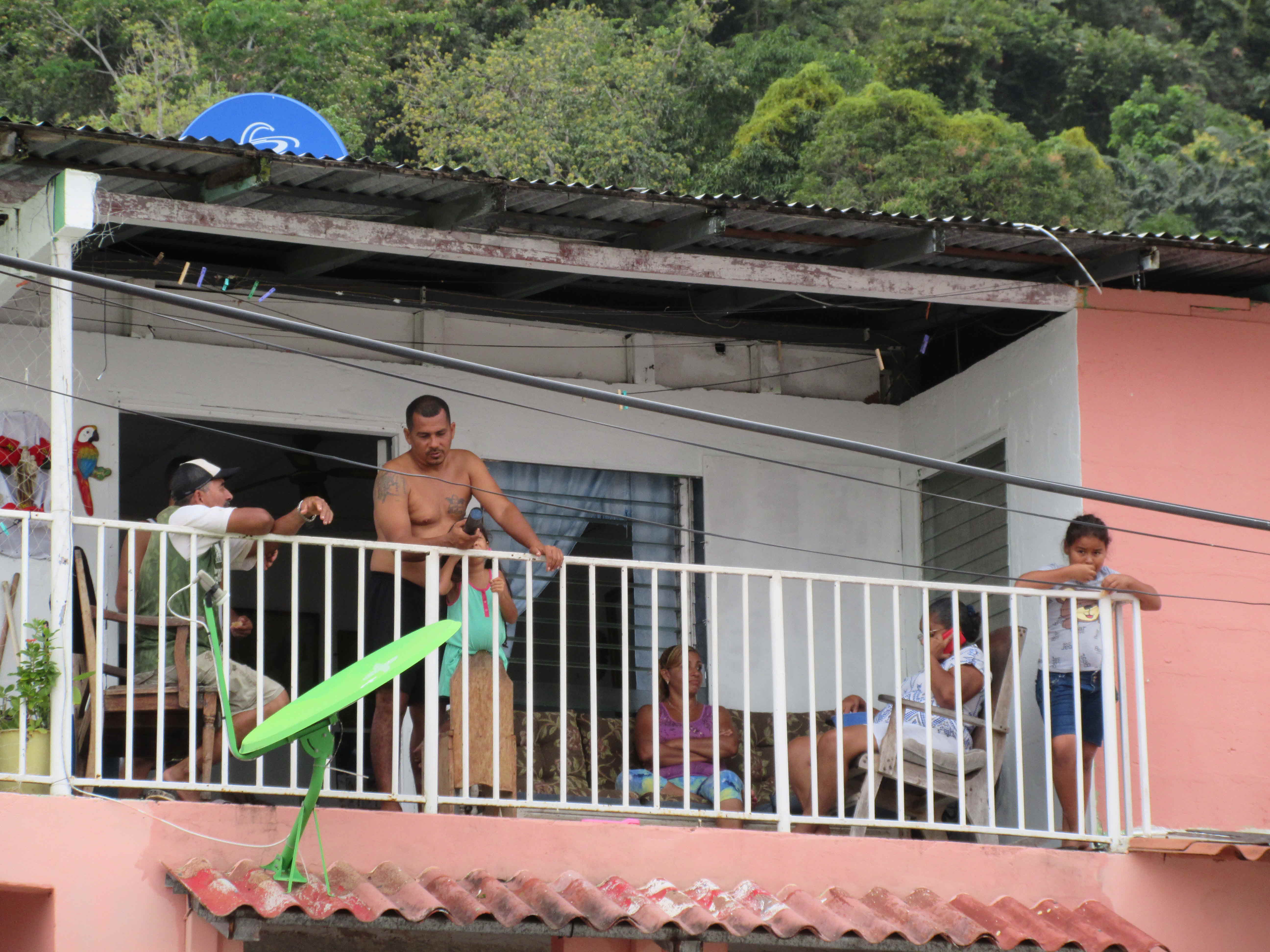
- watching tourists!
-
- Gaugin painting on wall
-
- Gaugin remembrance
-
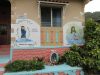
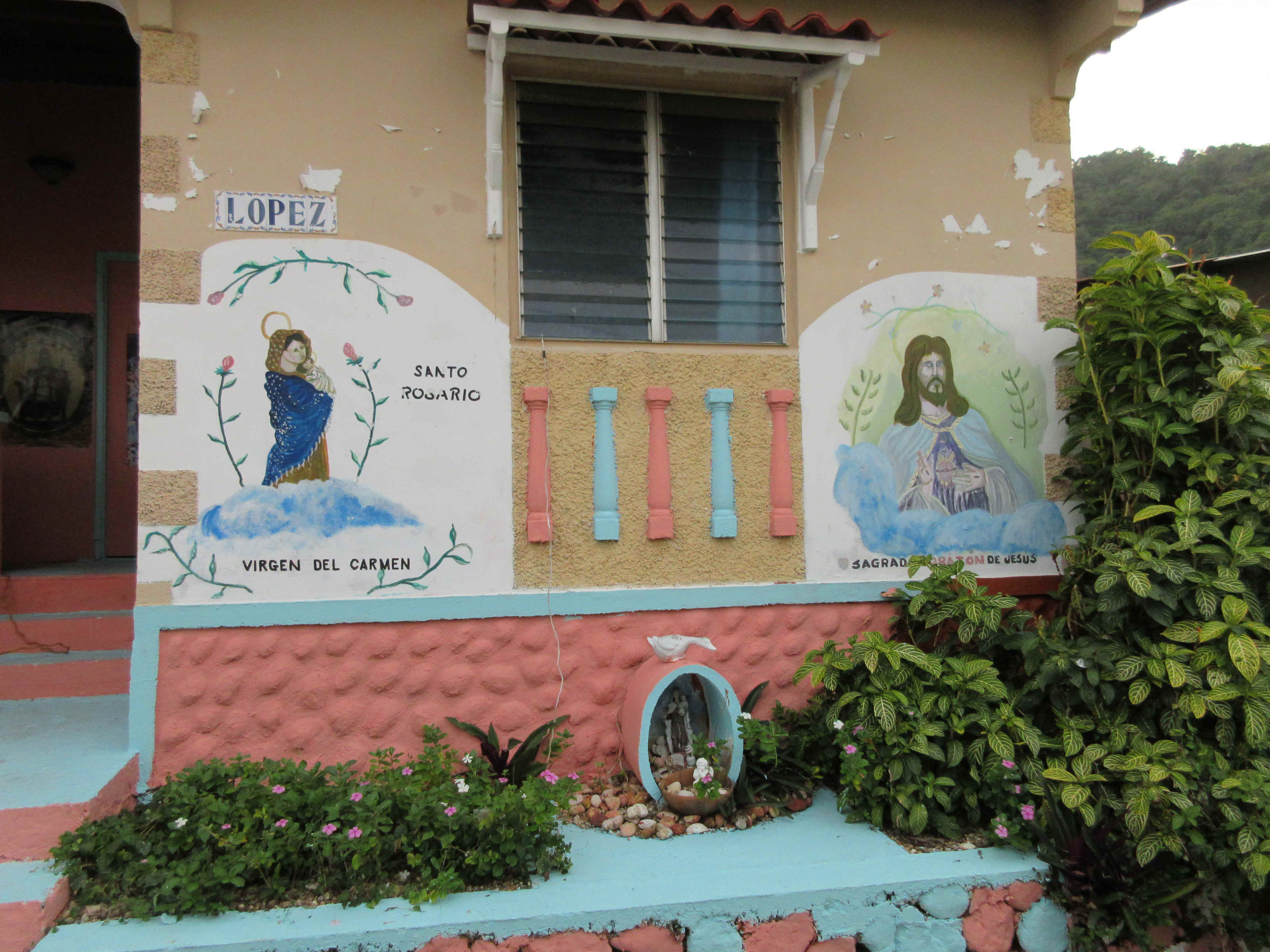
- house paintings
-
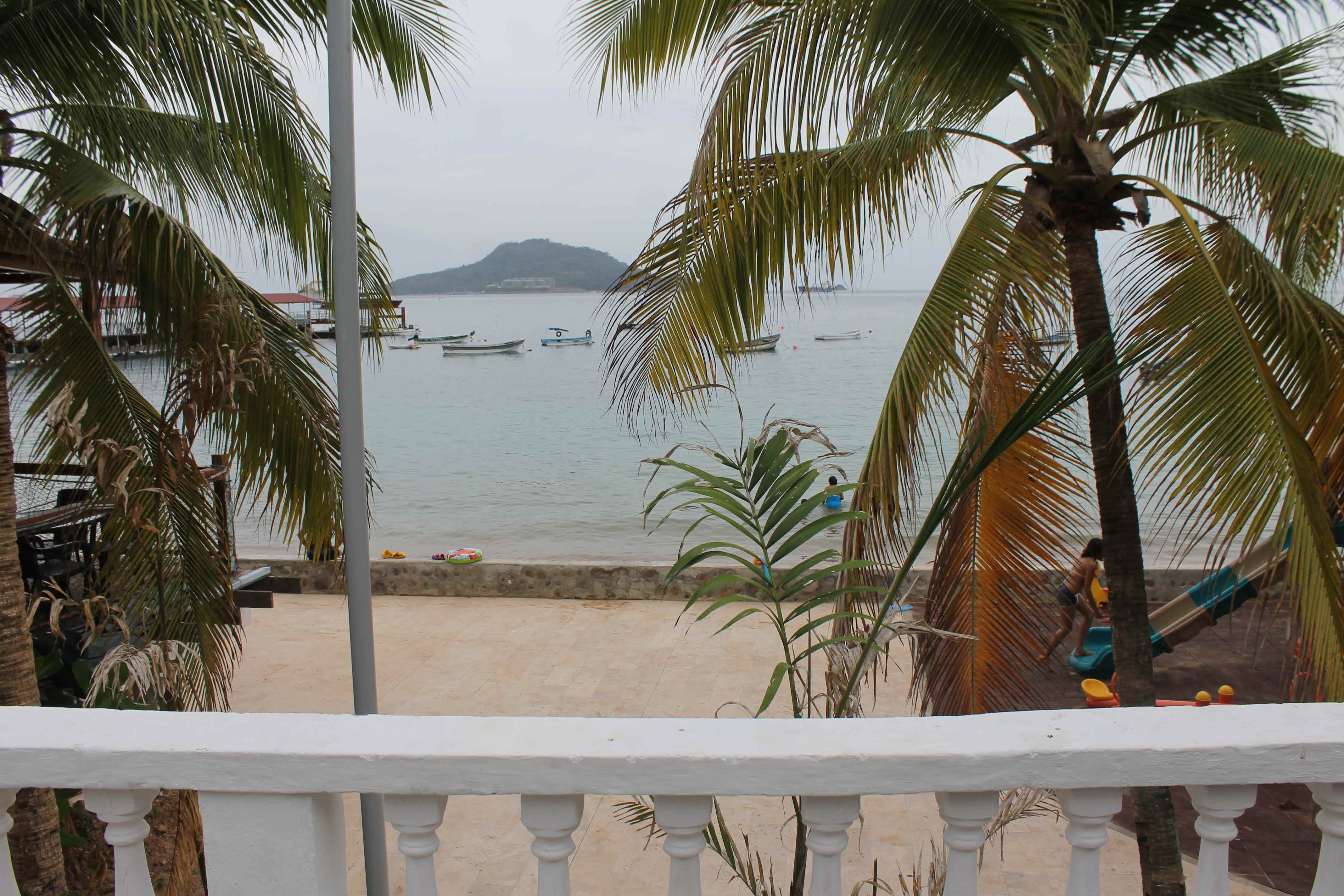
- on shore
-
- playing street soccer

-
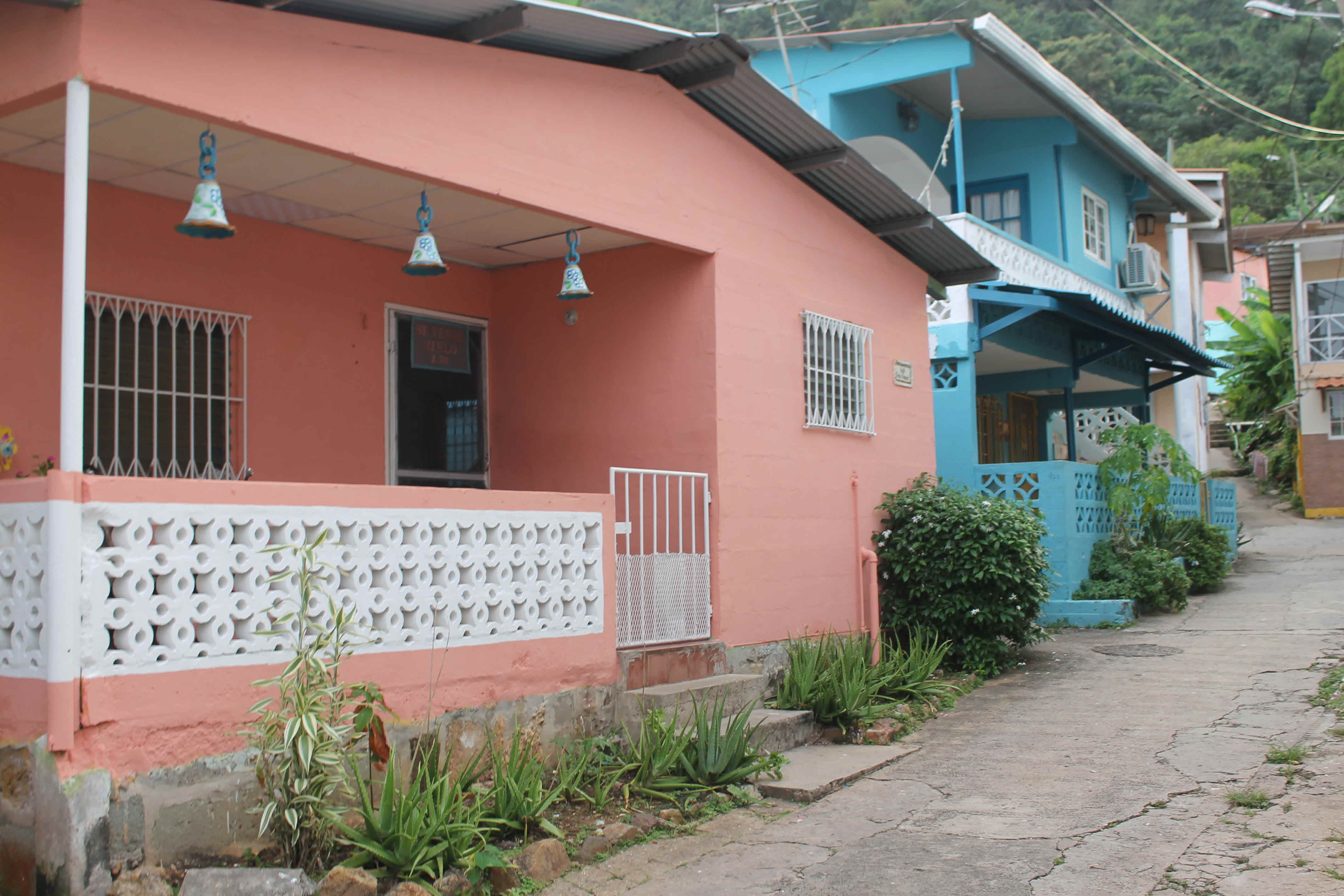
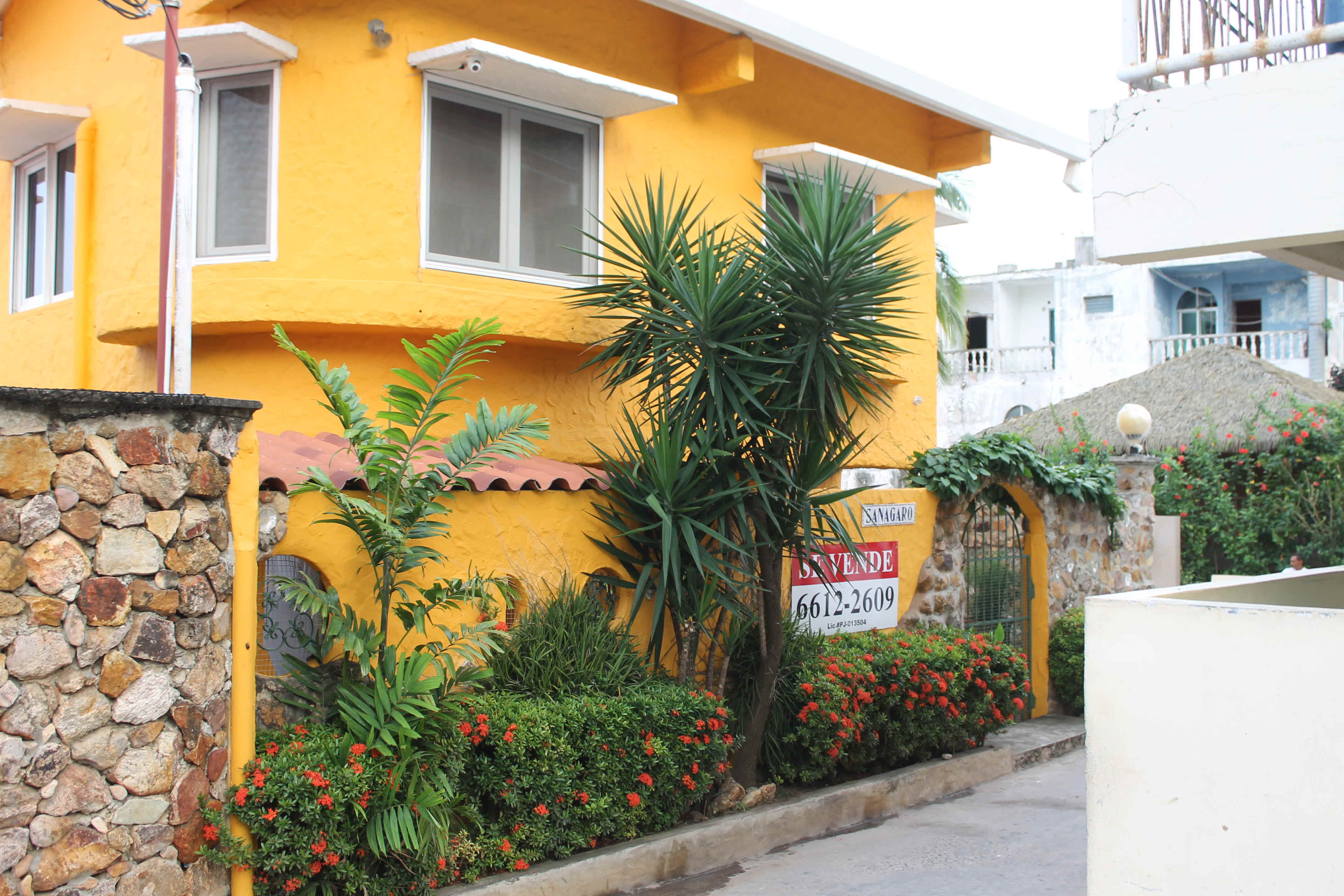
- colorful house
-
- colorful house
-
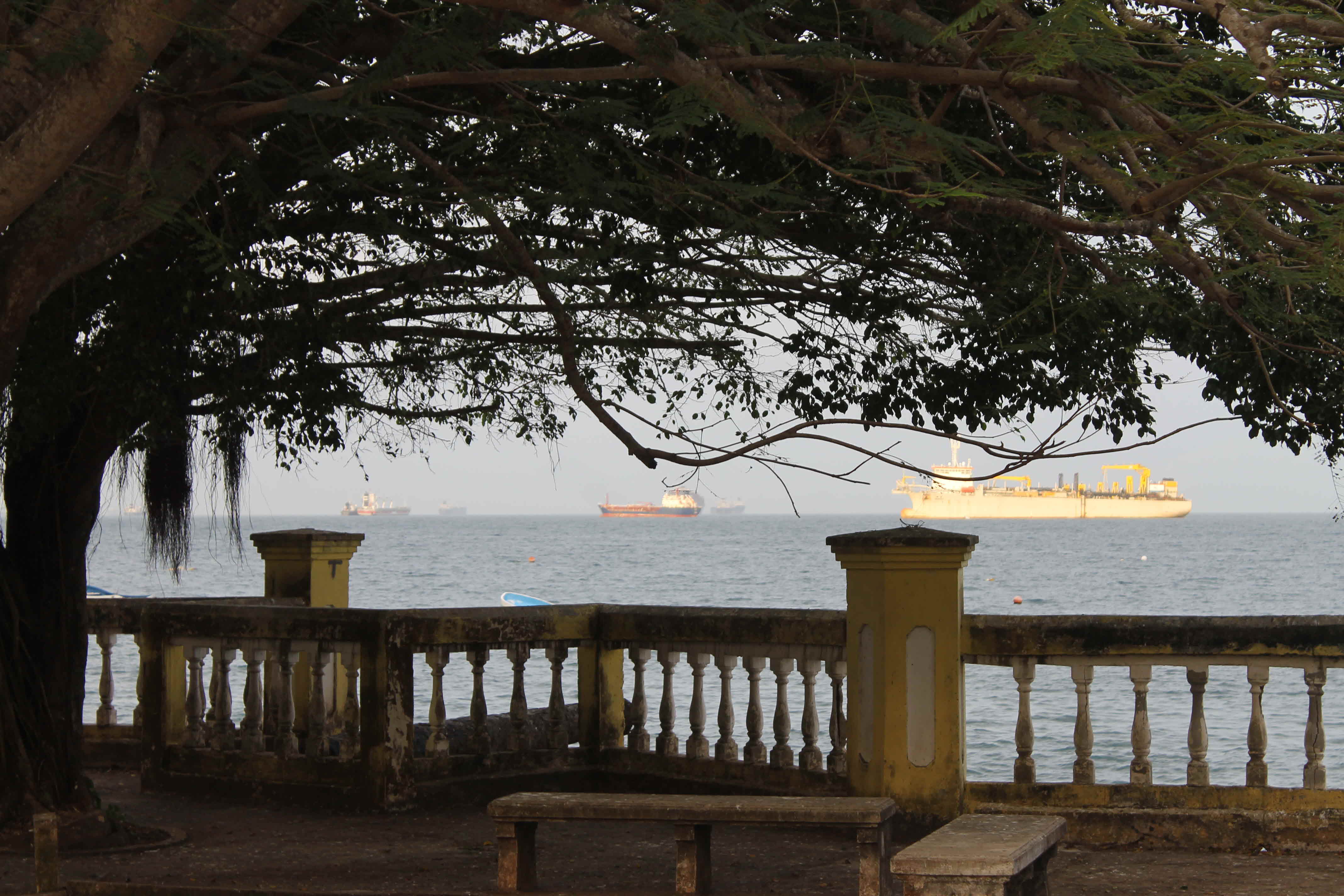
- looking out to bay
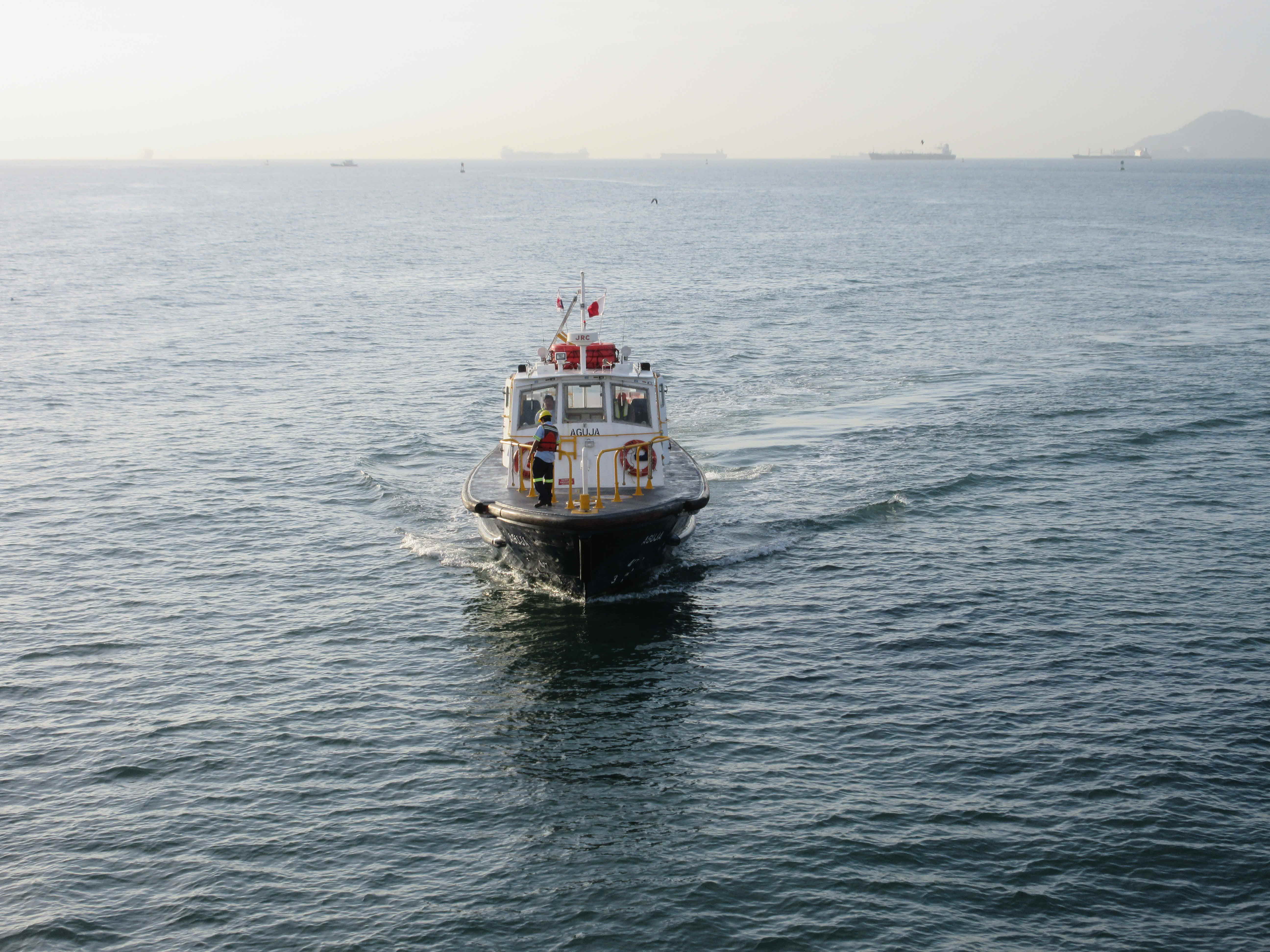
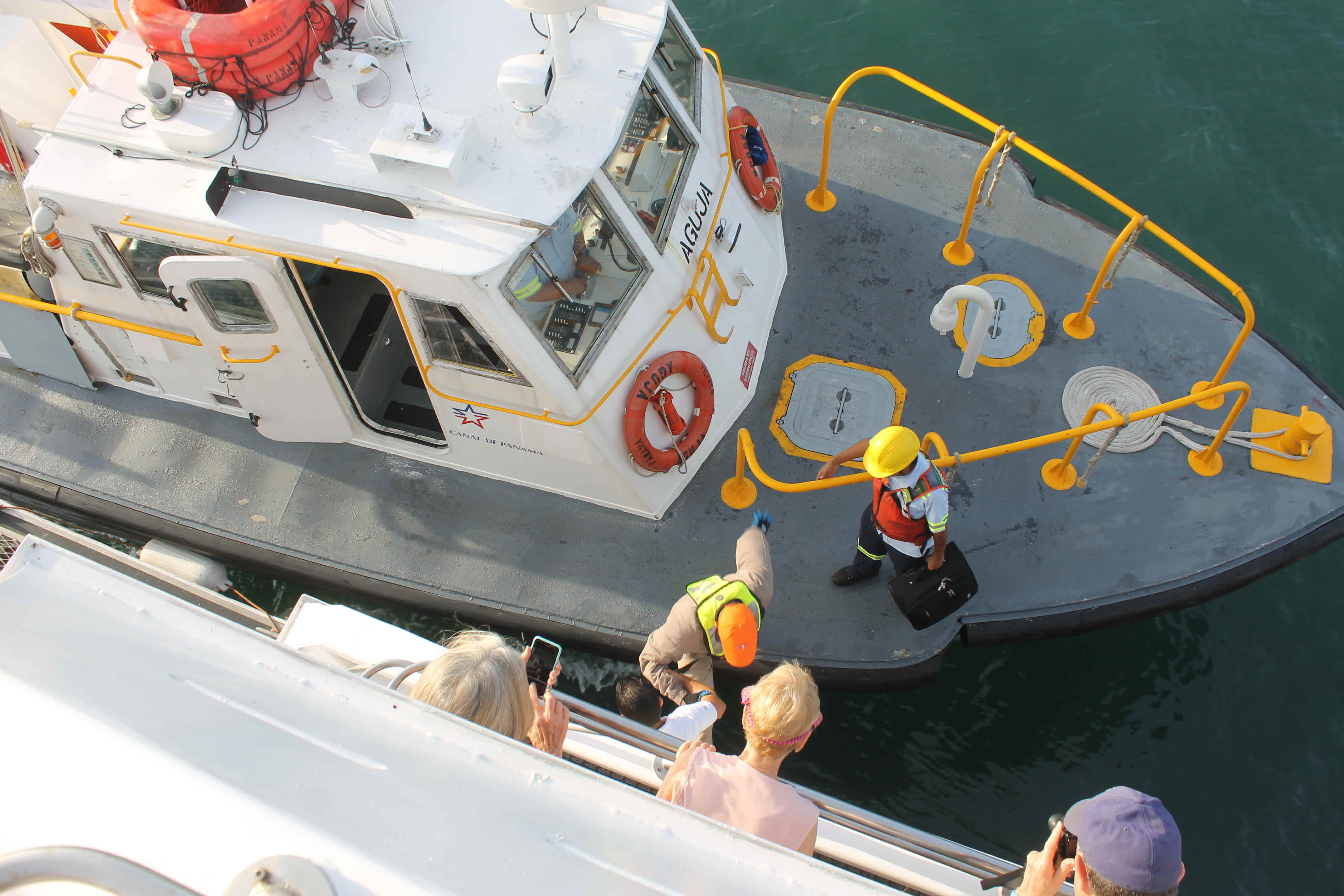
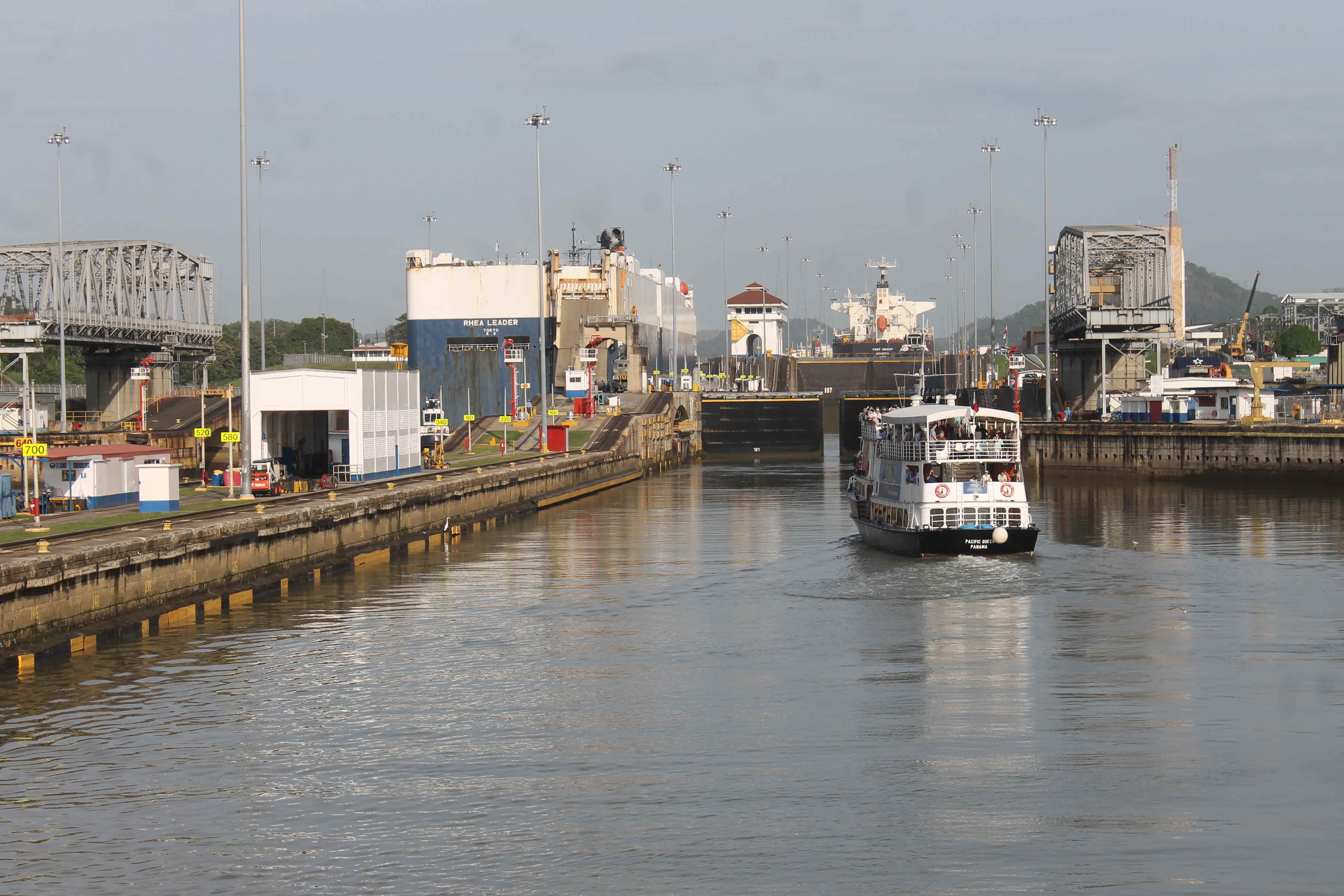
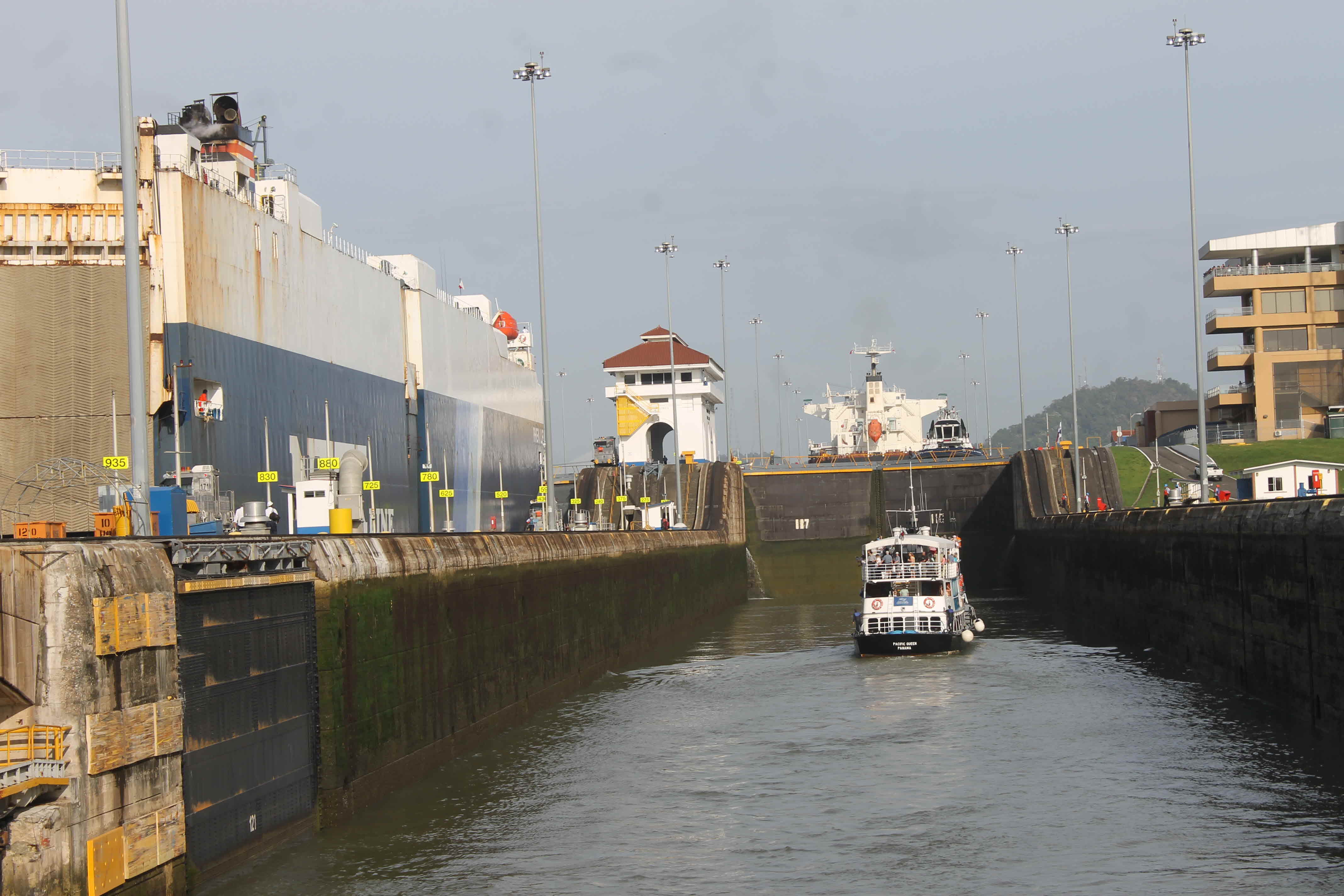
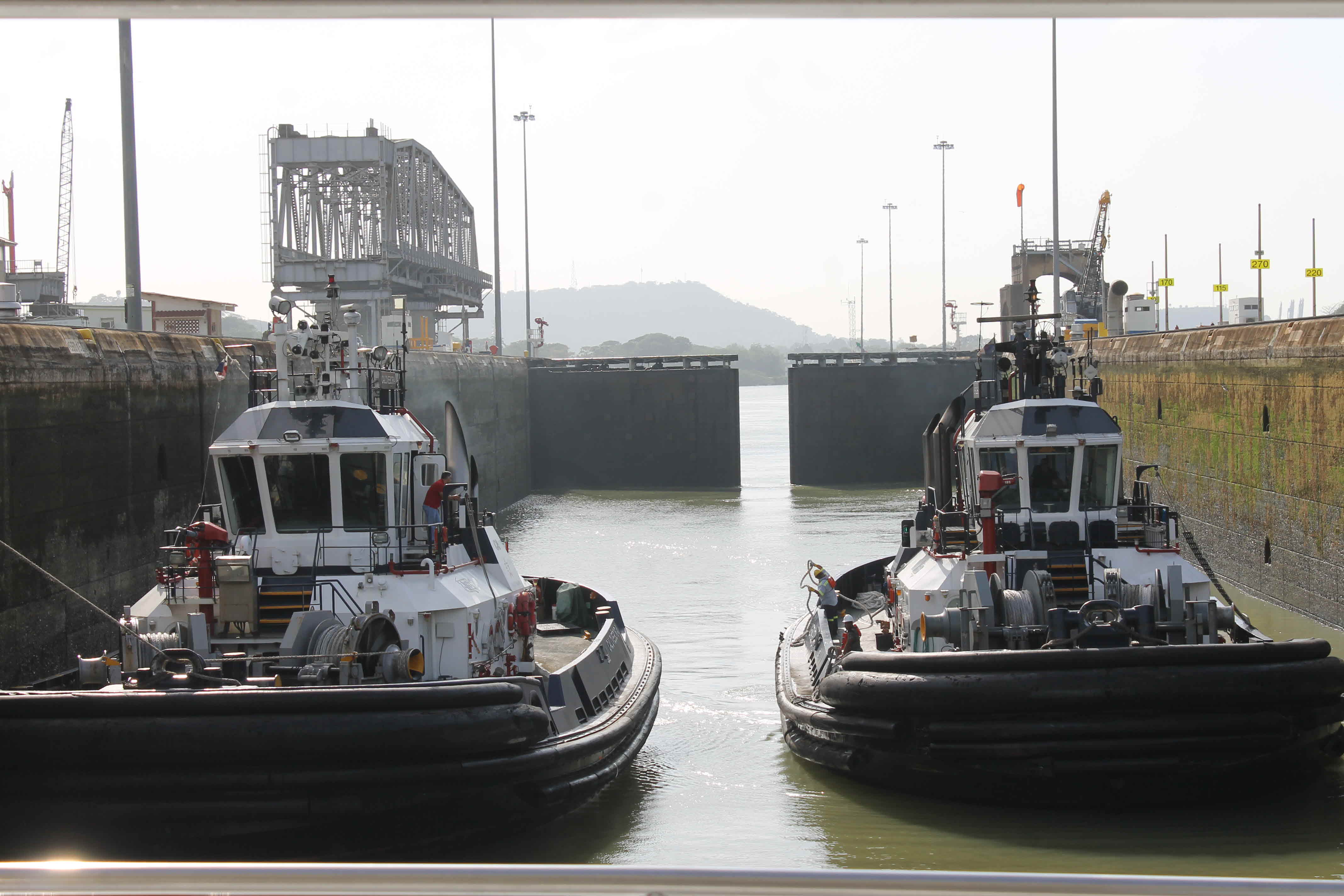
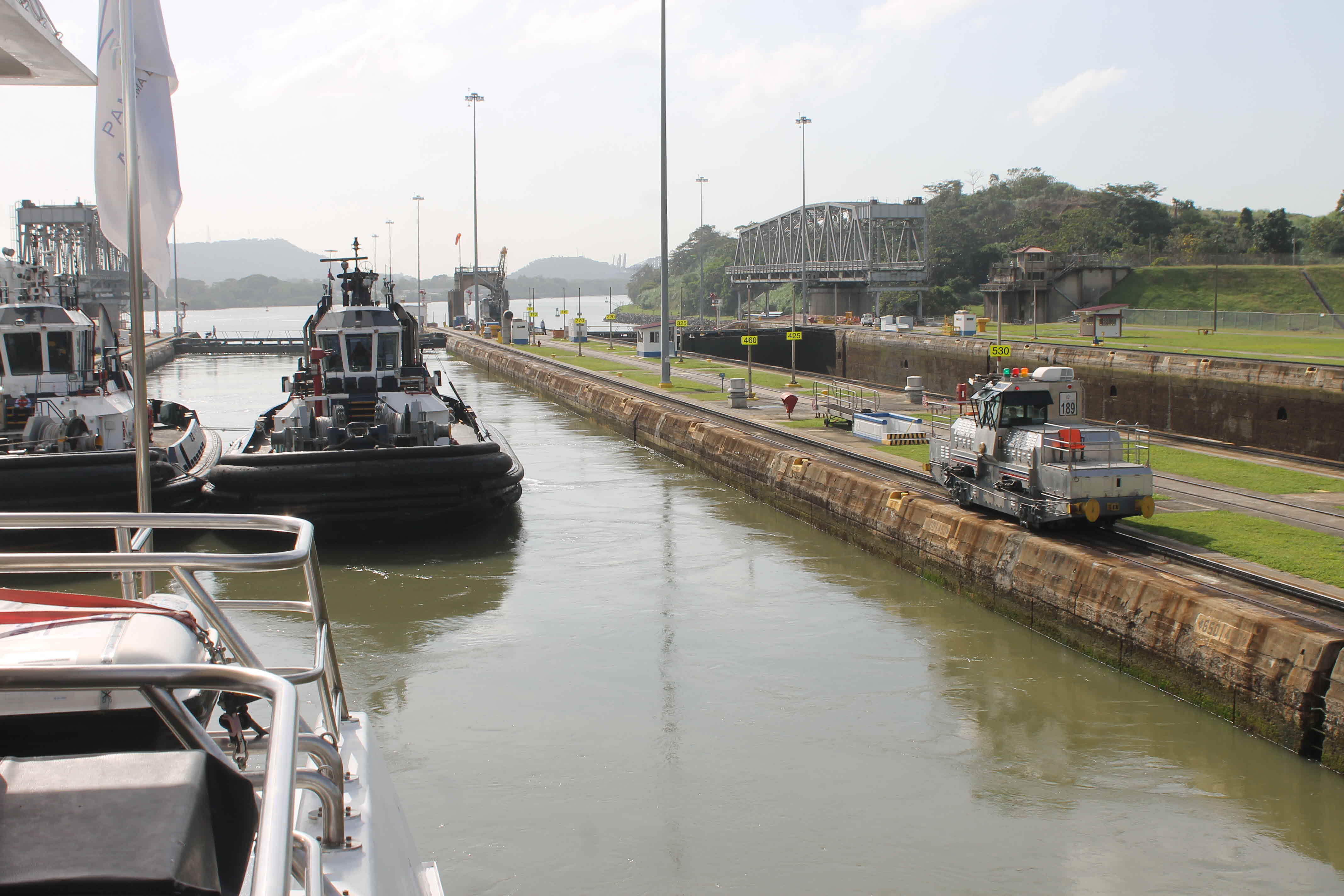
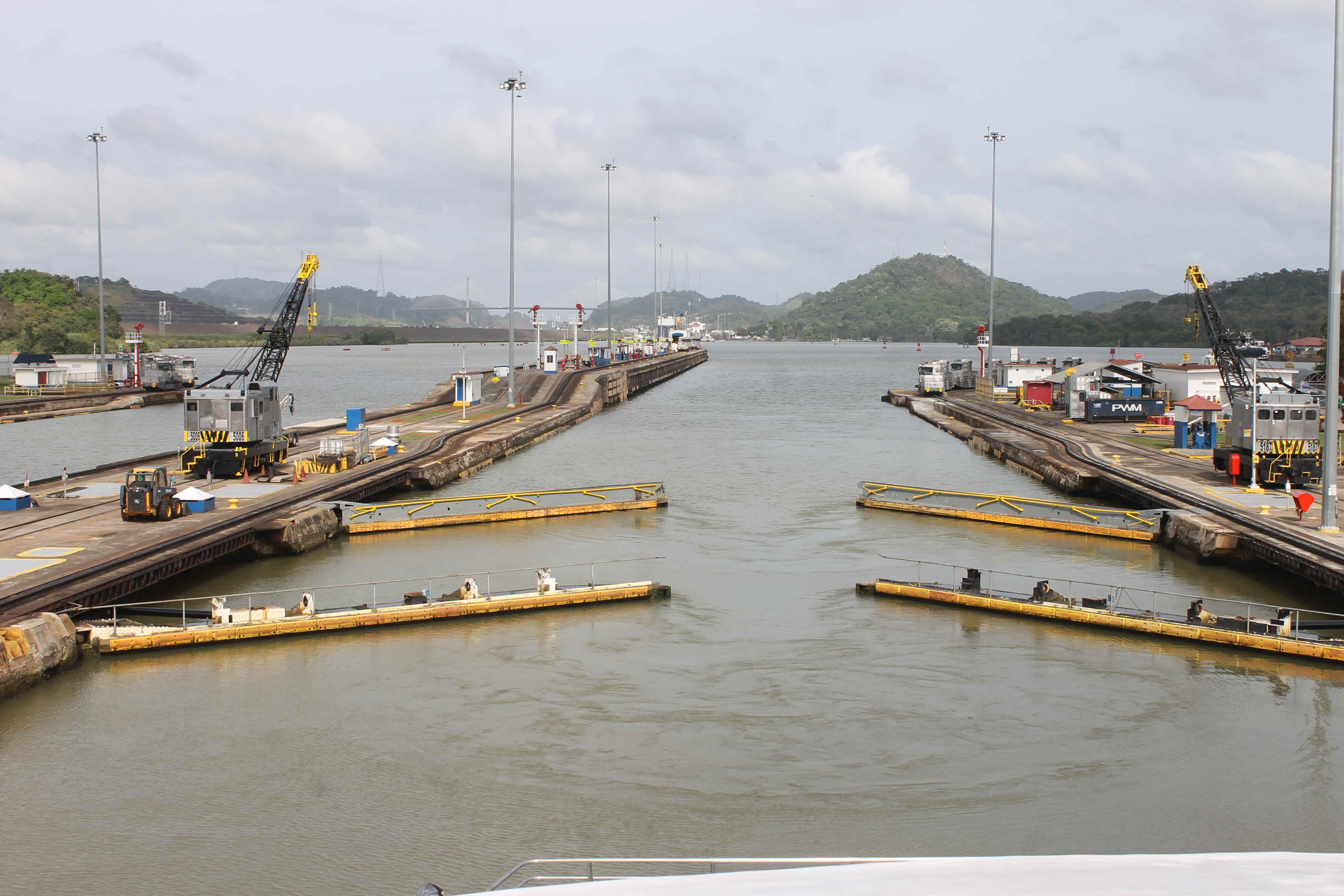
The next morning our boat got in line ready to go through the first two sets of locks when we got the signal. Every boat/ship (no matter how large or small) must have a Panama Canal pilot on board—and fly the Panama flag. We went through the Miraflores and the Pedro Miguel locks. We were teamed up with another small boat and 2 tugboats to go through the locks.
-
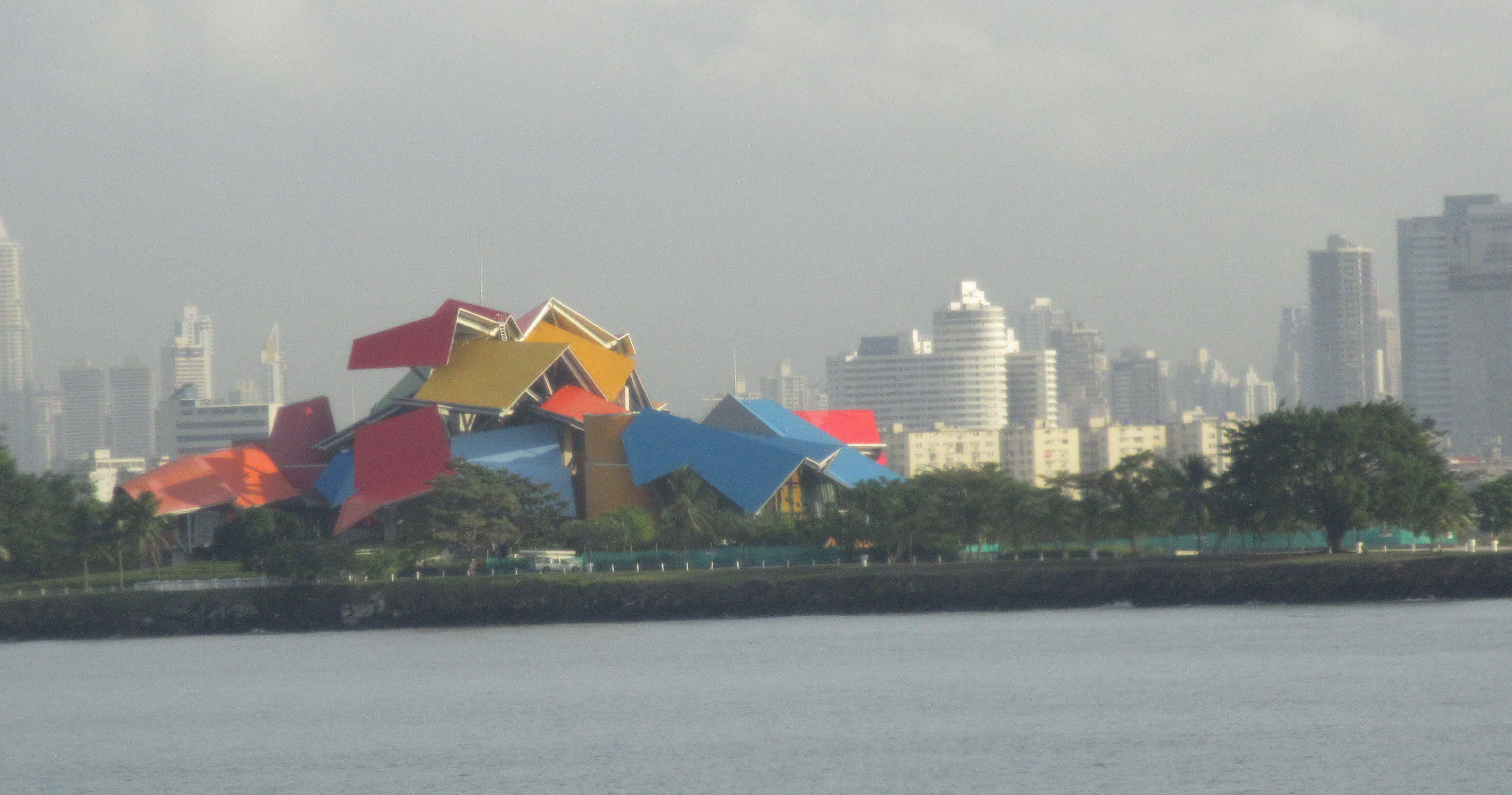
- Biodiversity Museum designed by Gehry
-
- Panama City from boat

-
- port at entrance to canal

-
- our Panamaian pilot coming
-
- our pilot waiting to board

-
- pilot jumping on board
-
- tourist boat

-
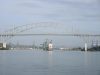
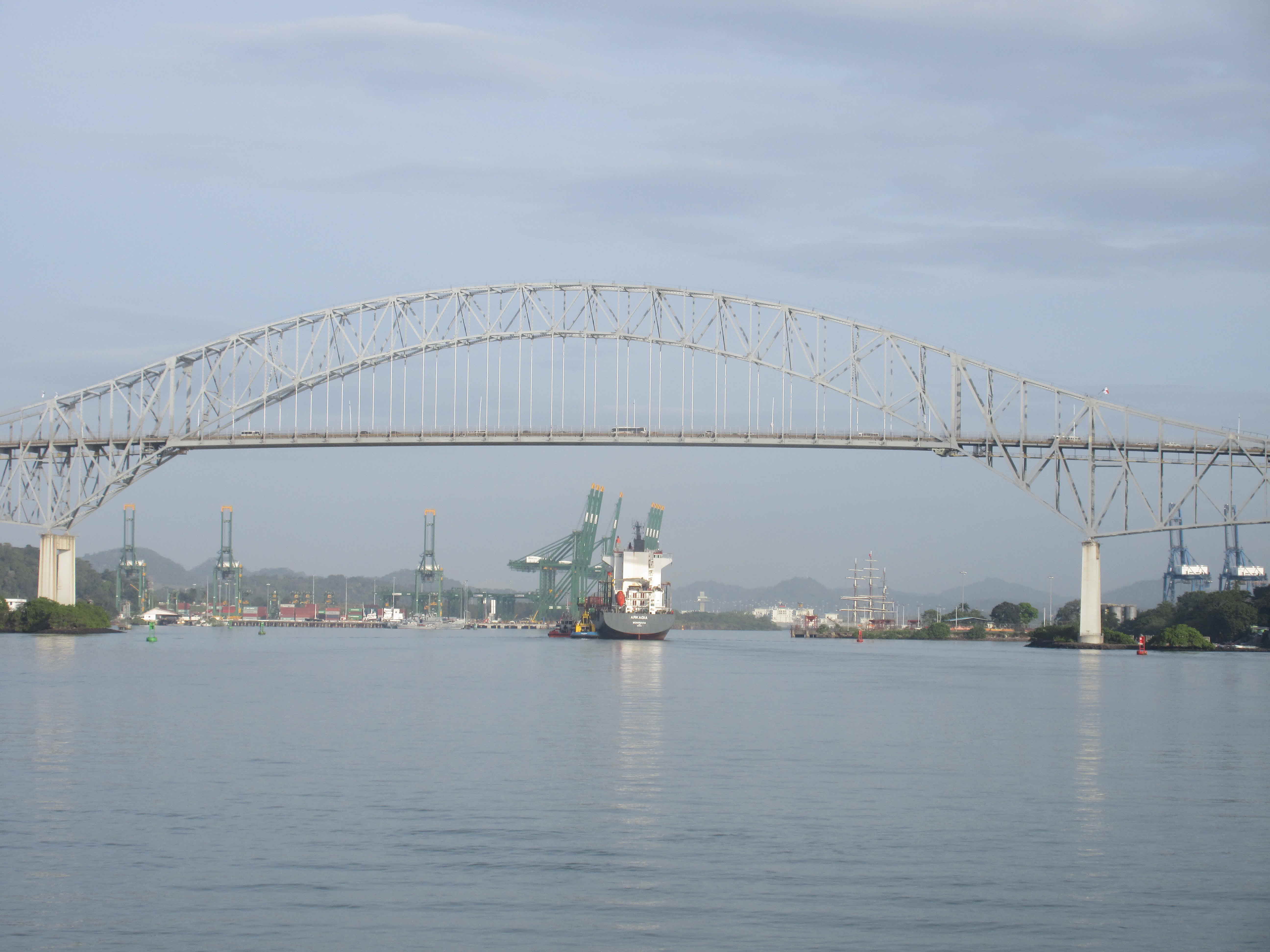
- Bridge of the Americas
-
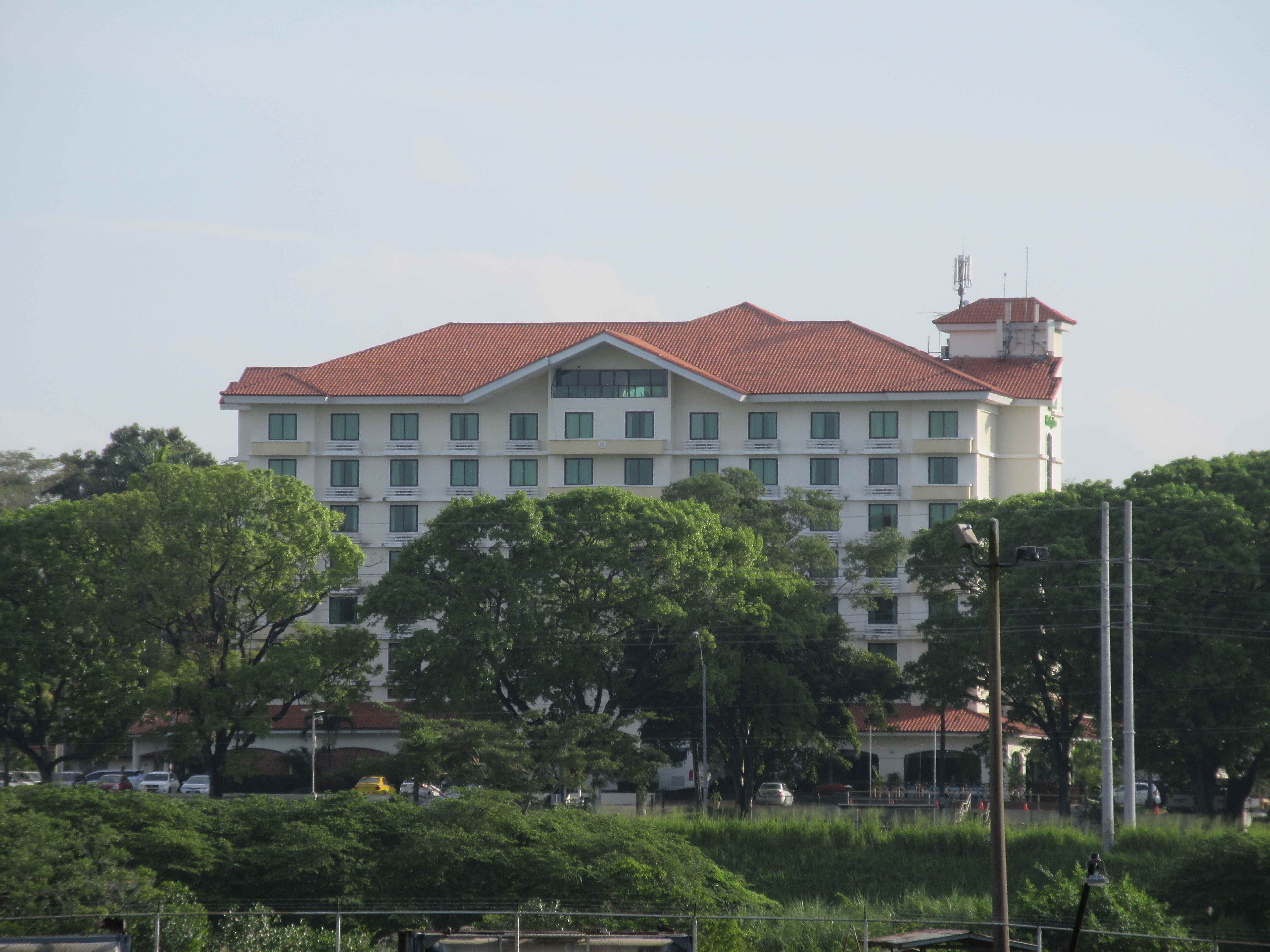
- our hotel – we were on top floor (see previous blog)
-
- large ship entering one lane of locks

-
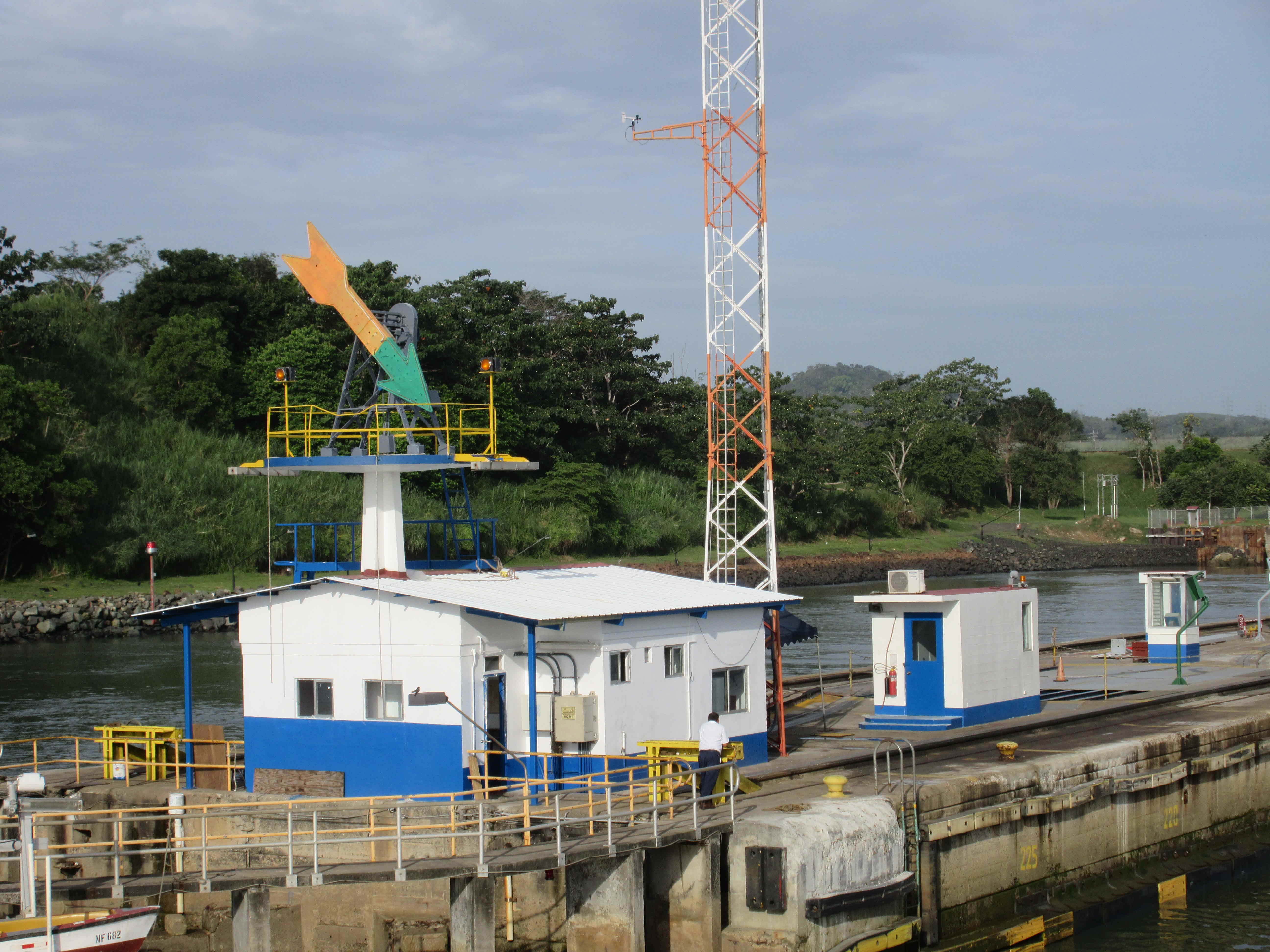
- arrow indicates which lane we take
-
- tourist boat leading us into locks
-
- gates ahead have closed
-
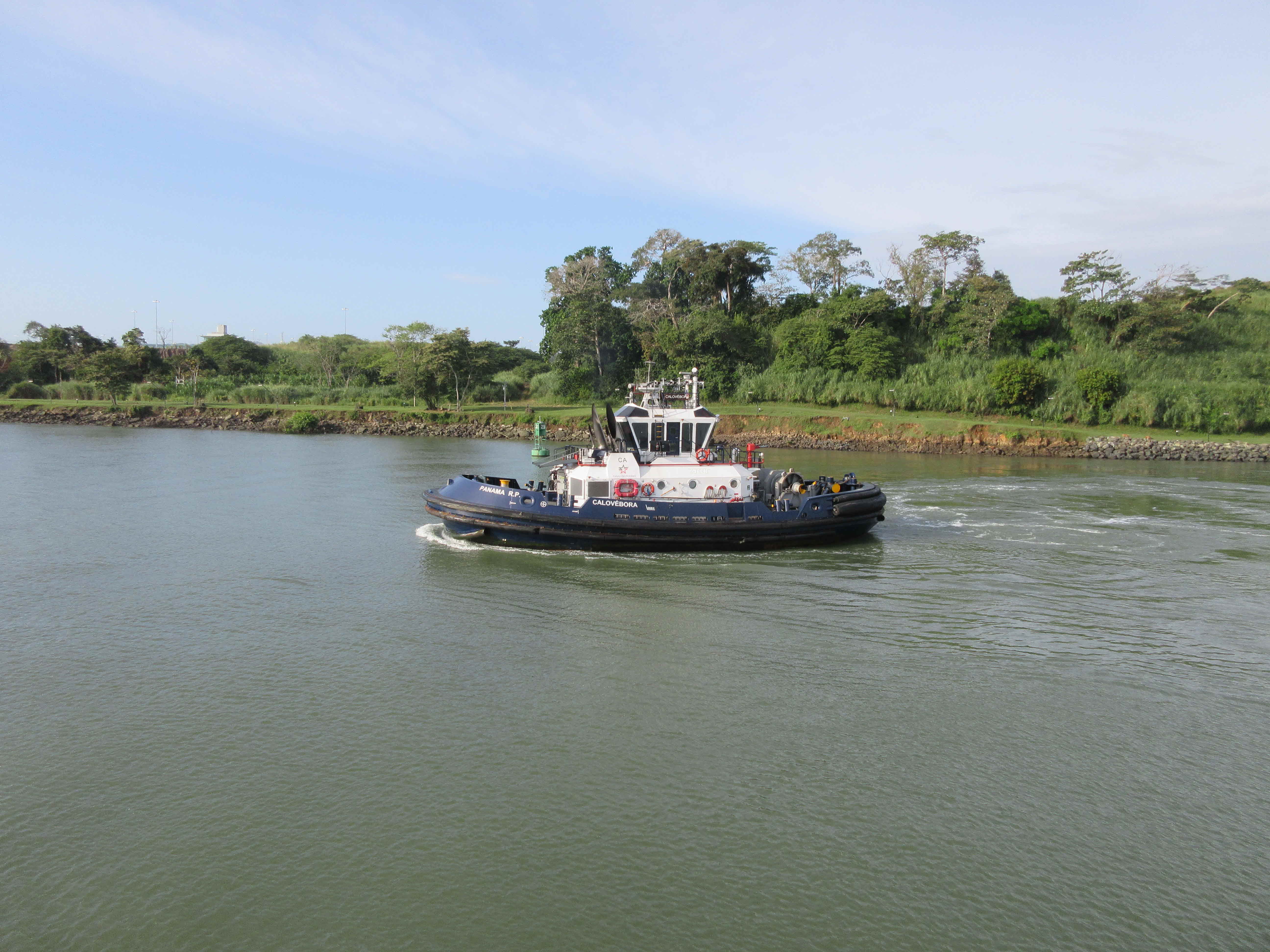
- tugboat coming to join us
-
- 2 tugboats and lock gates are closing
-
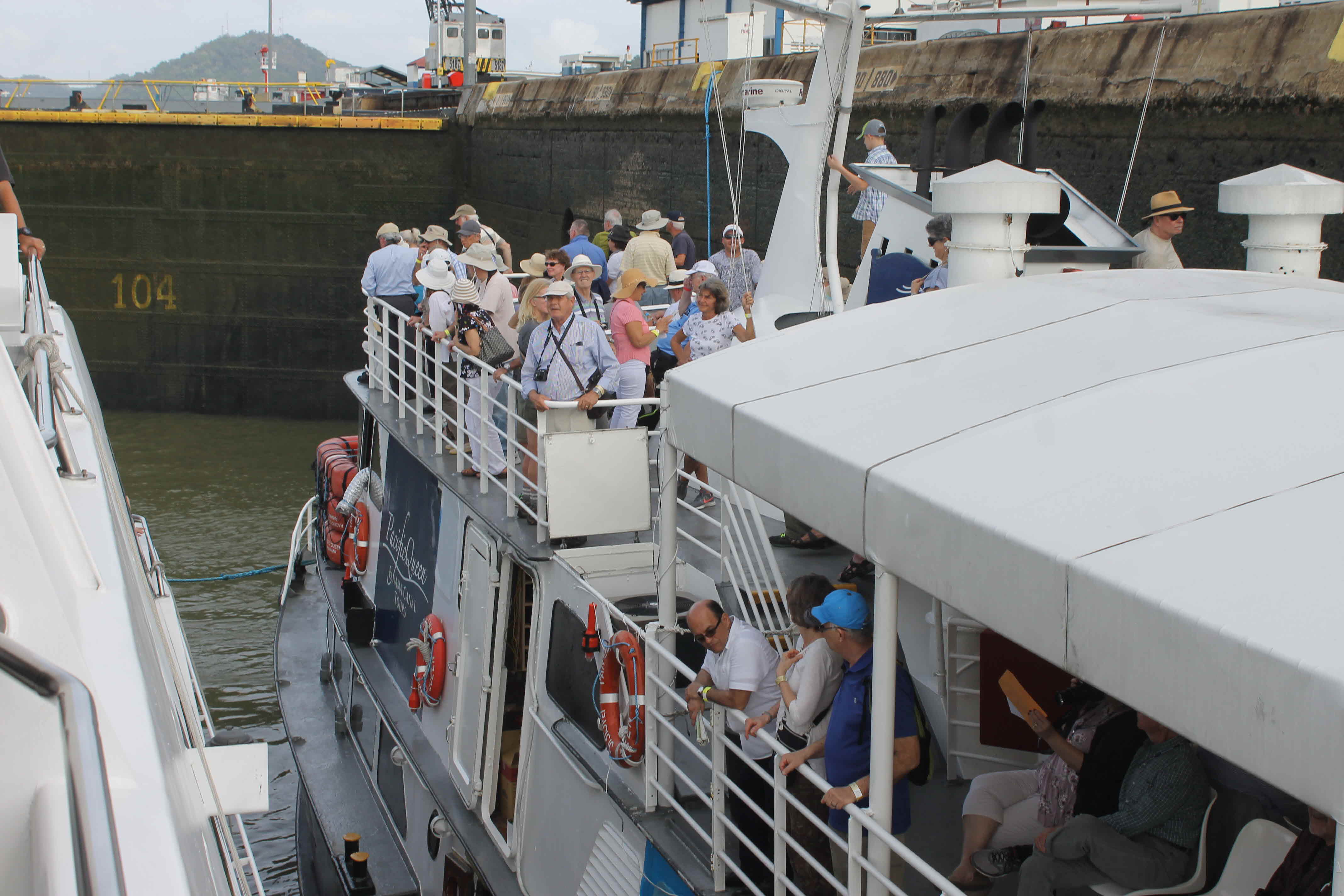
- glad we are not on that boat!
-
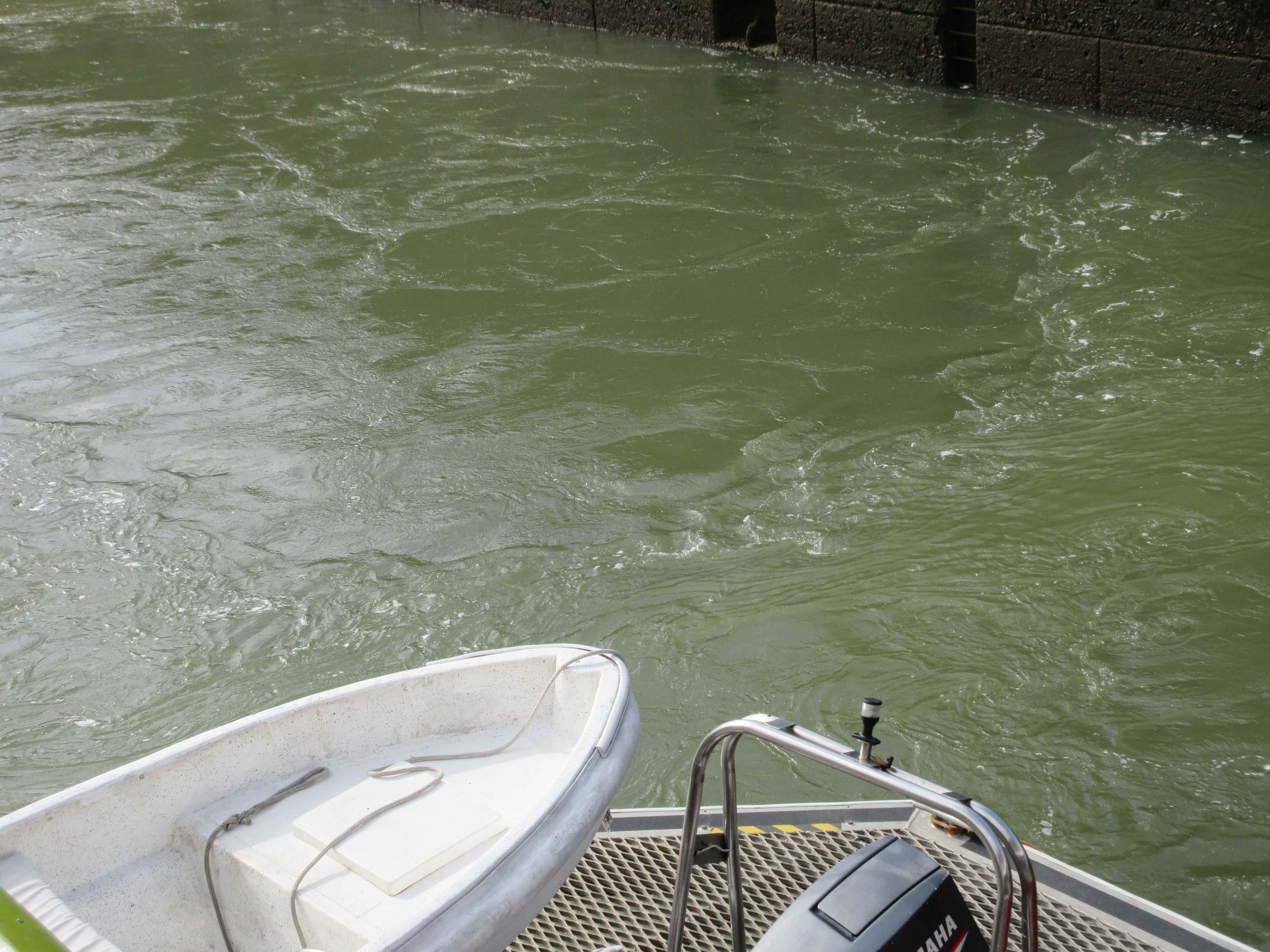
- water entering lock
-
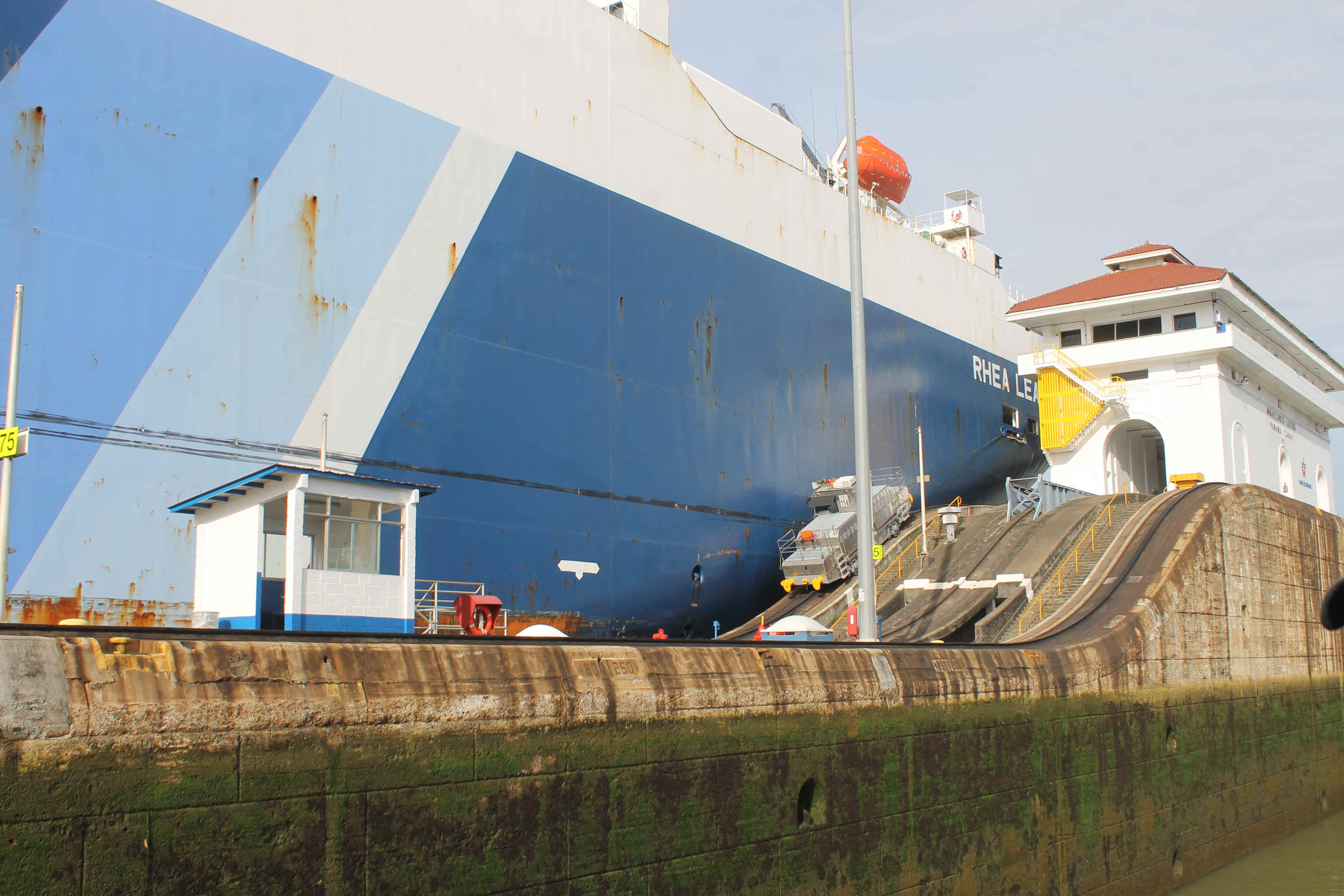
- ship beside us in second lock
-
- full lock
-
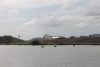
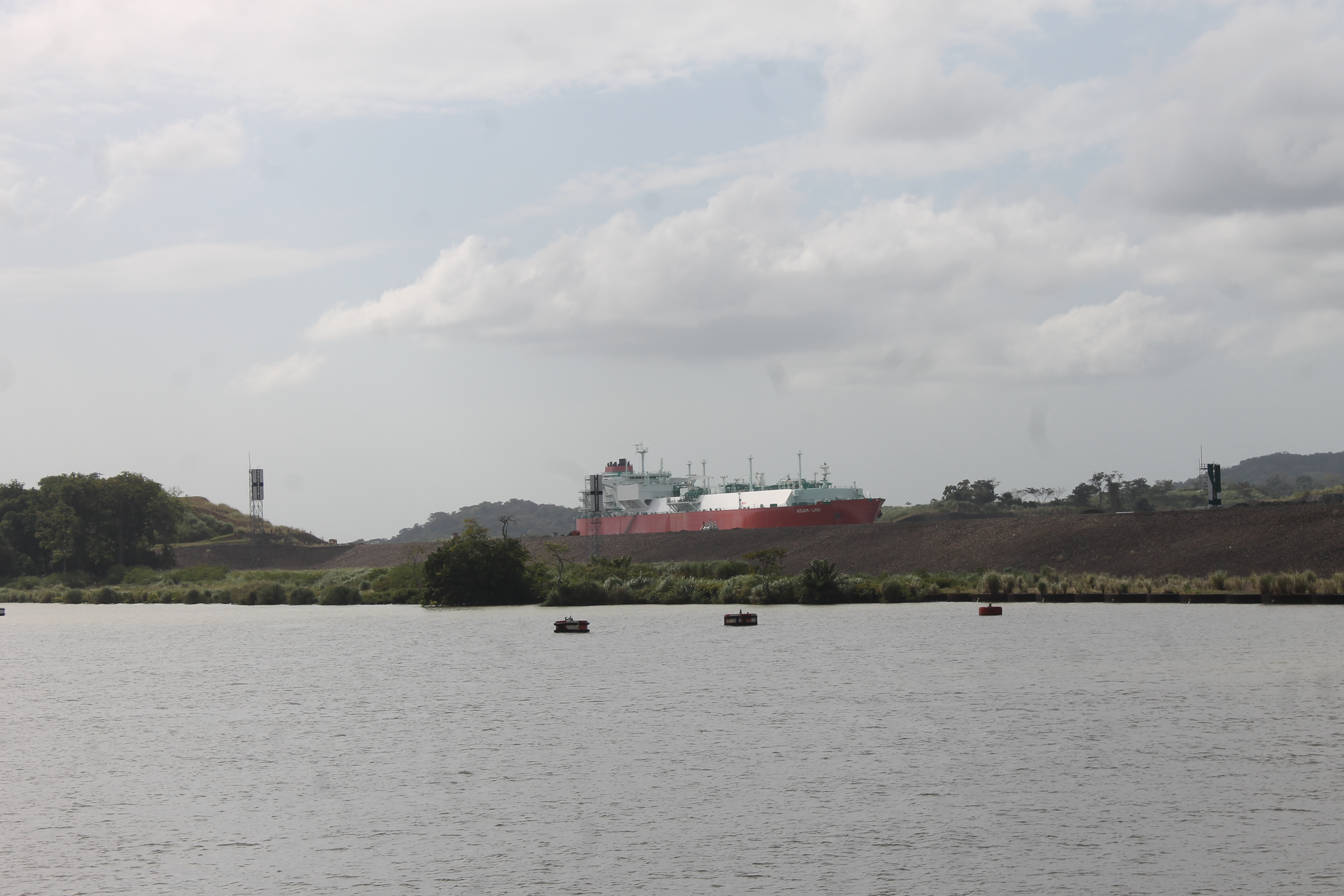
- large ship on new large lock
-
- Panama Canal

-
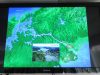
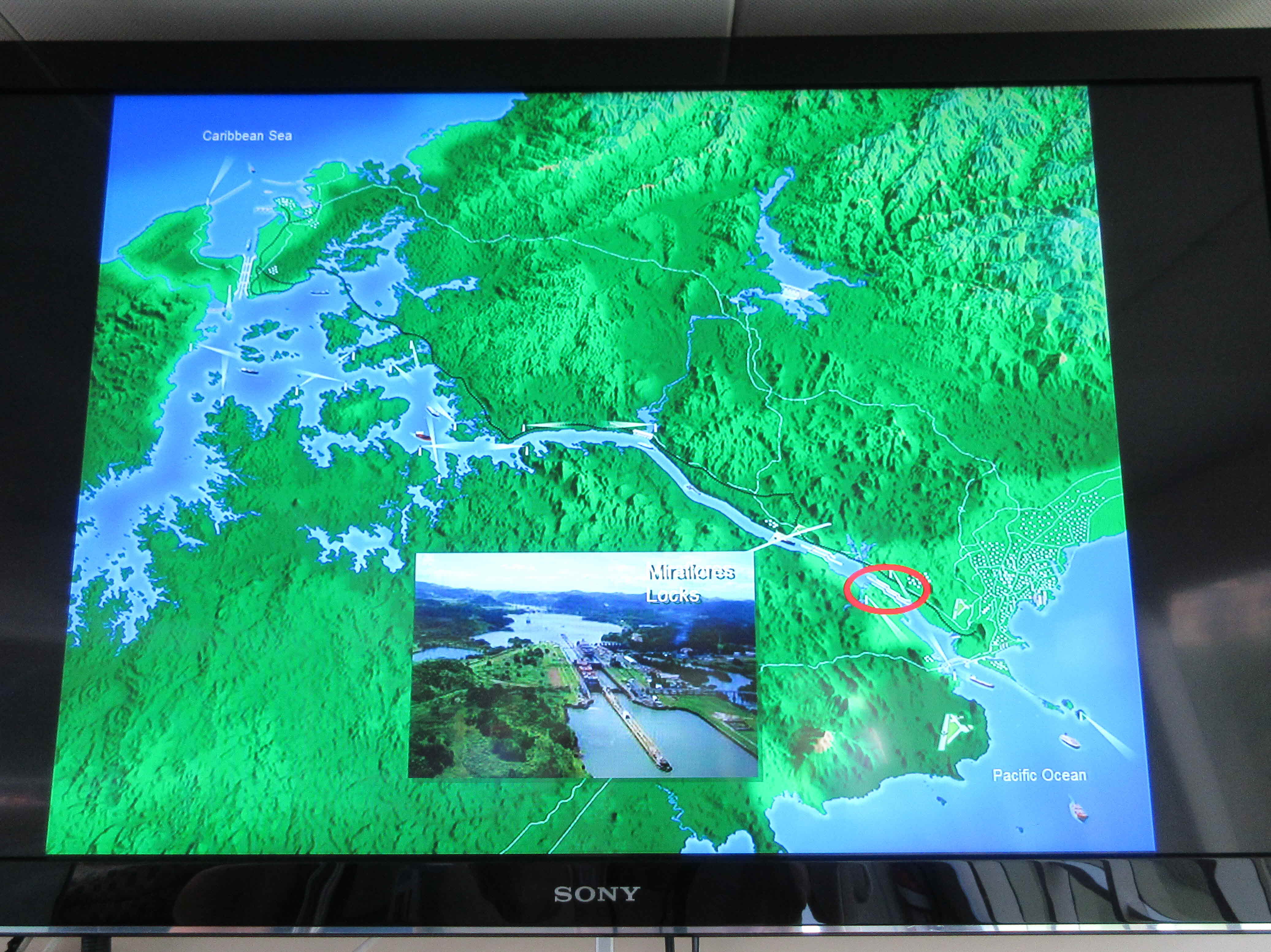
- location of first set of locks
-
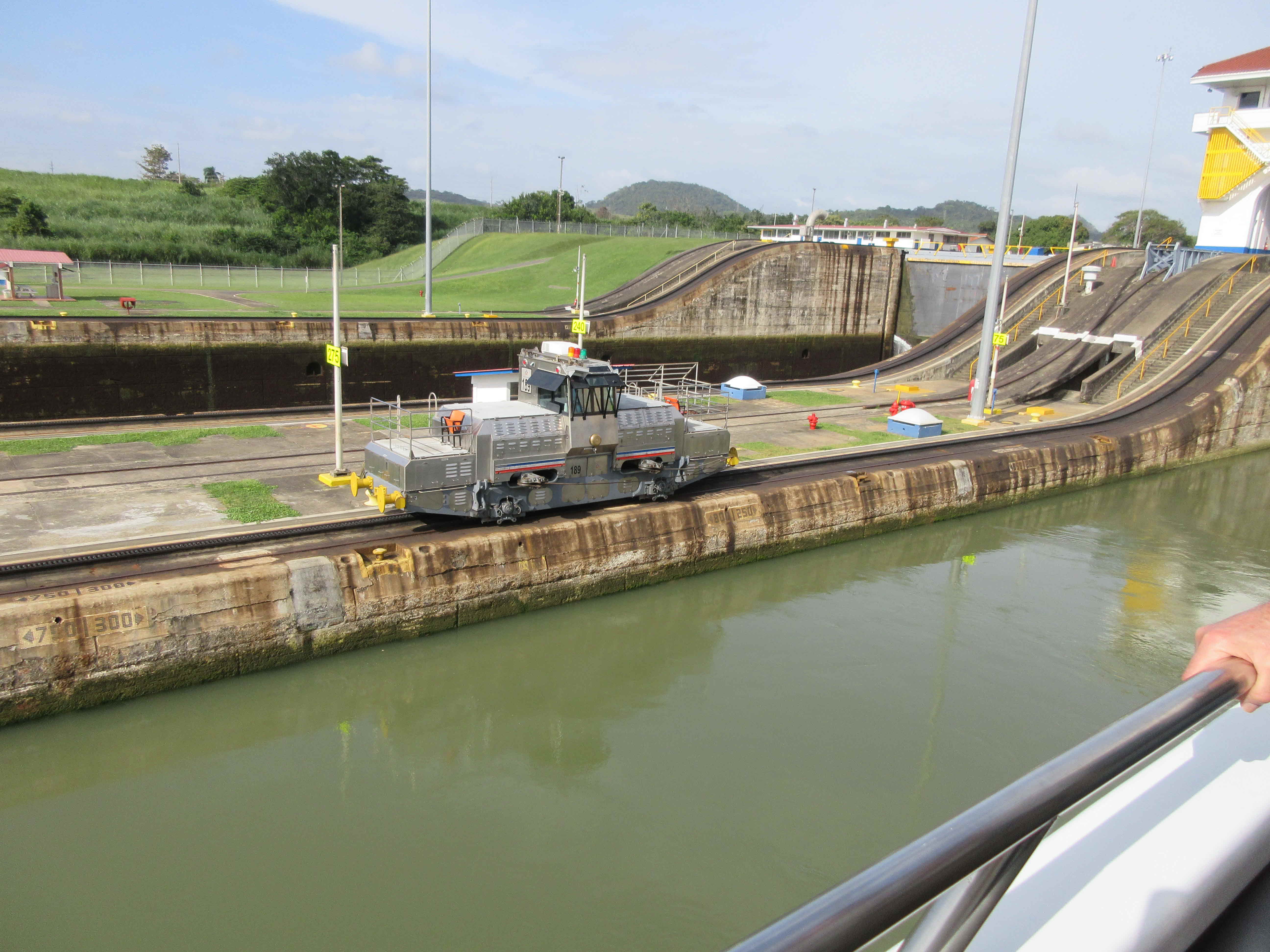
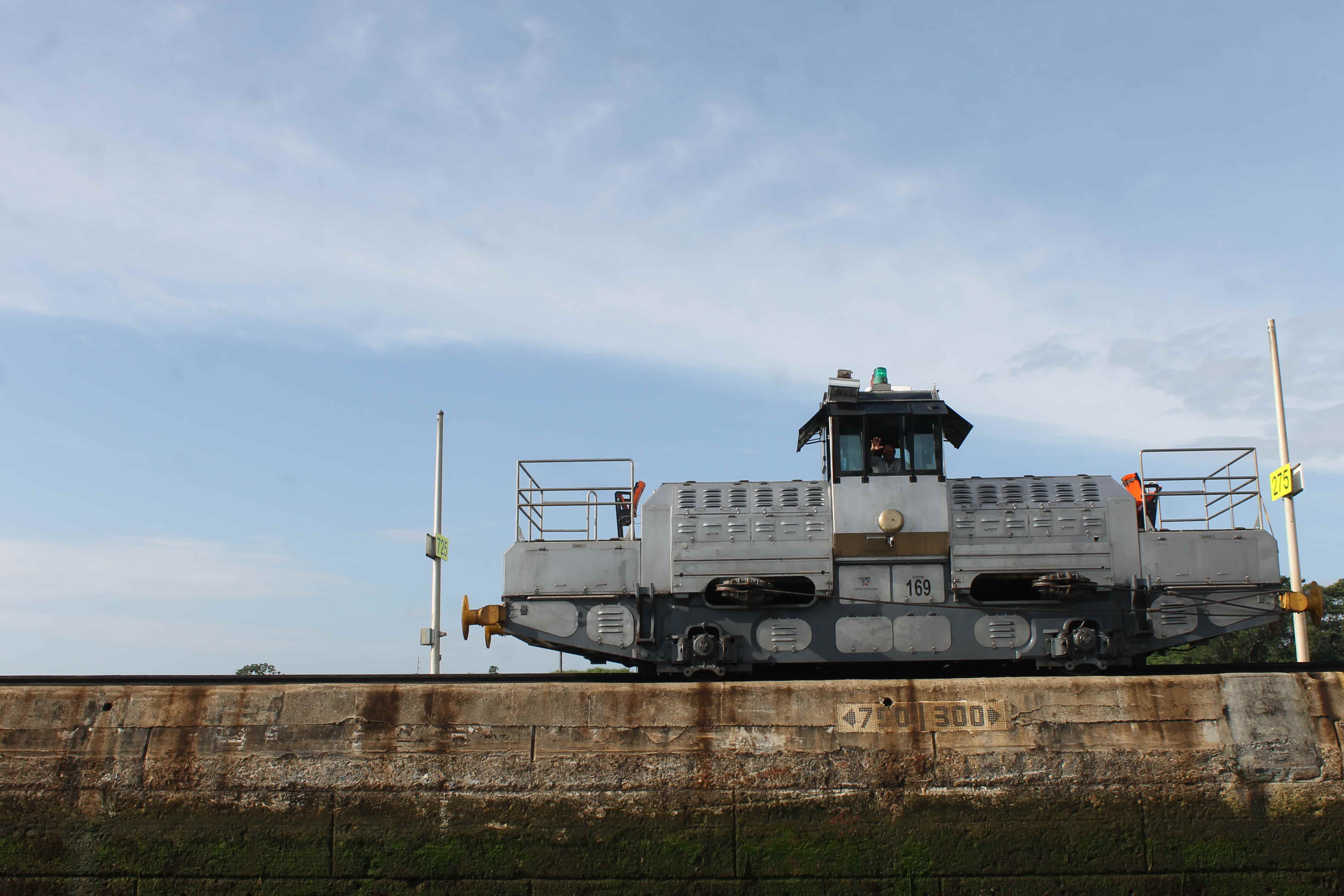
- “mule” to help ships
-
- canal lock “mule”
-
- captain and “assistant”

-
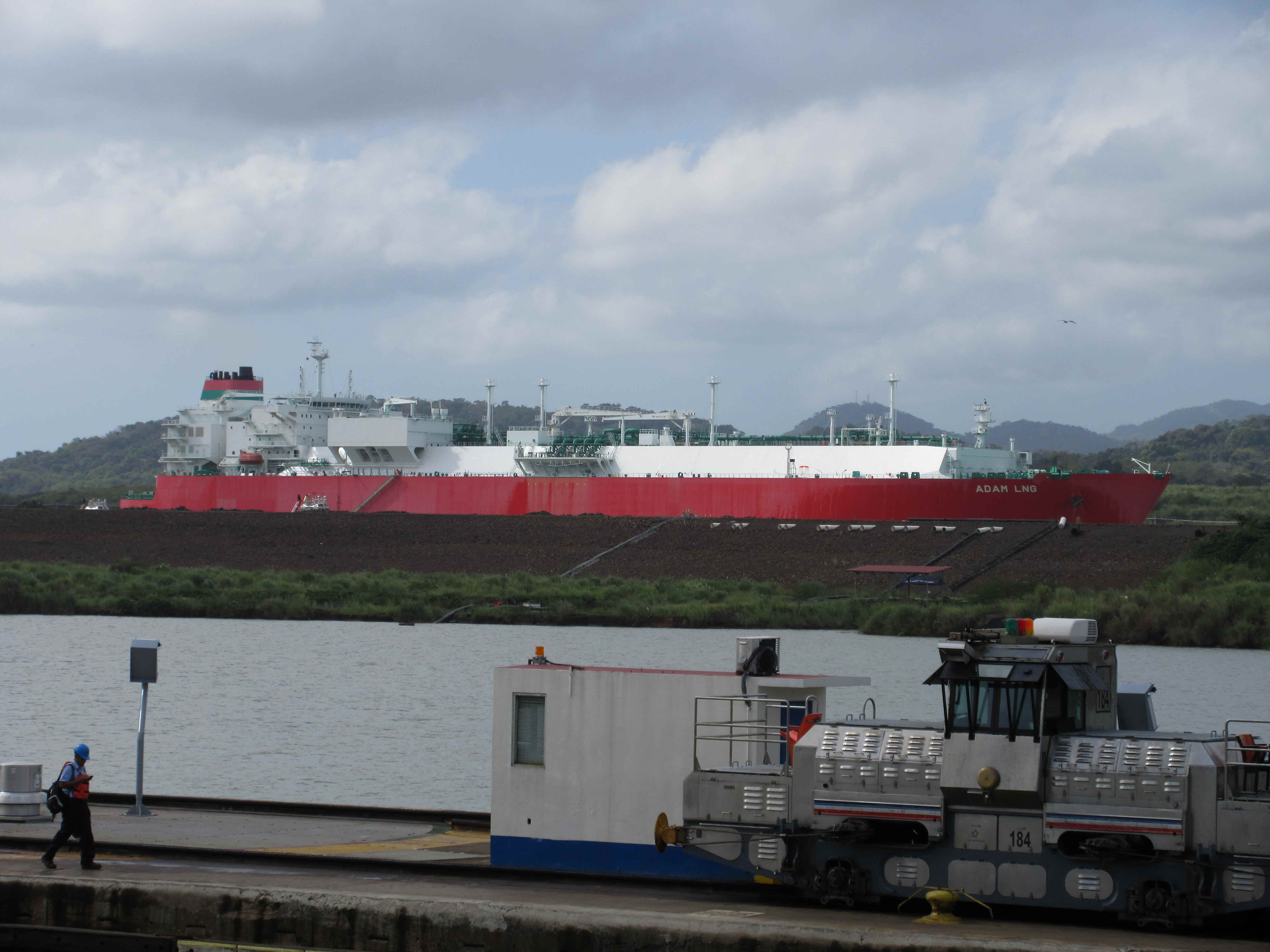
- Panamamax ship on new lock
-
- gates opening
-
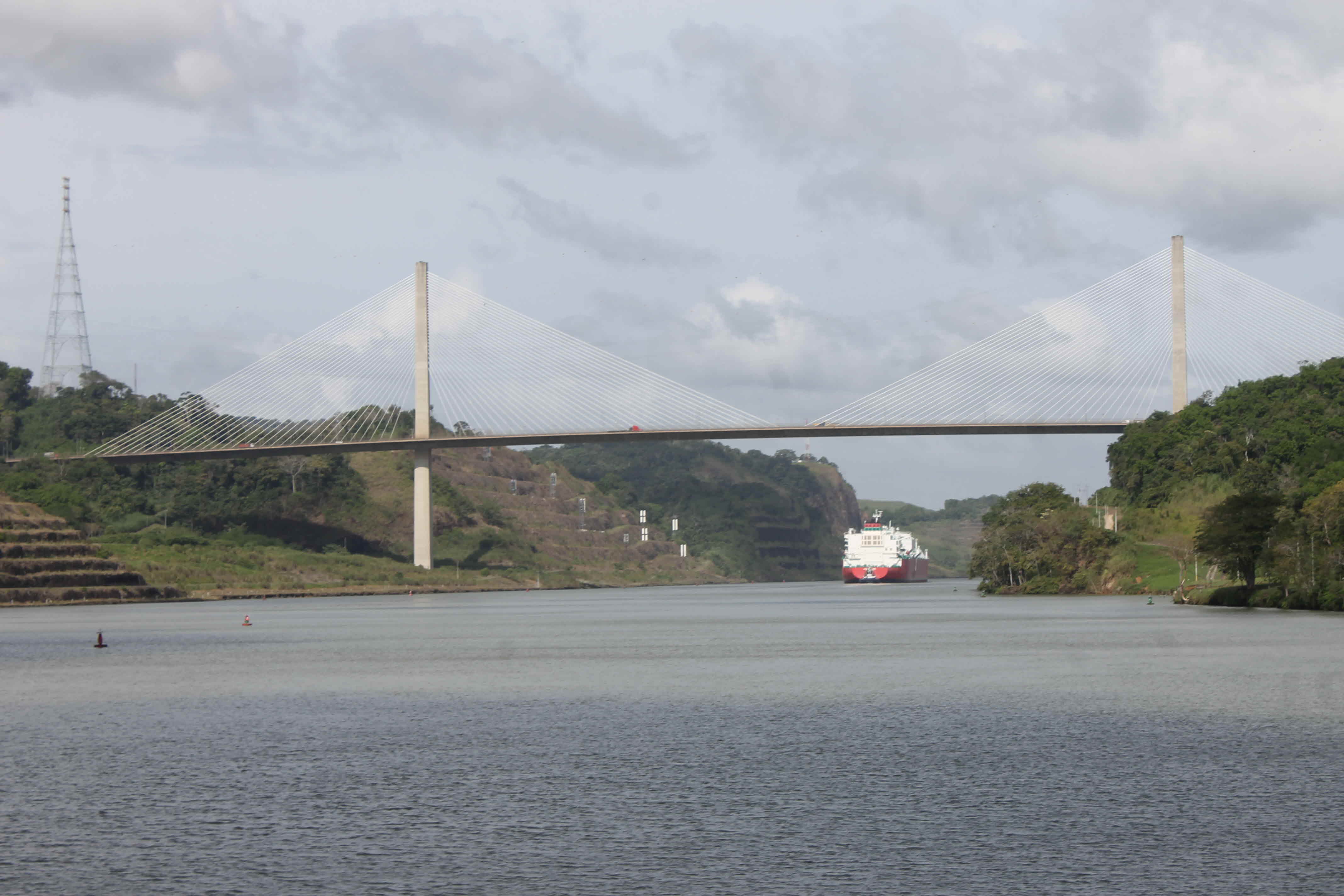
- Centennial Bridge
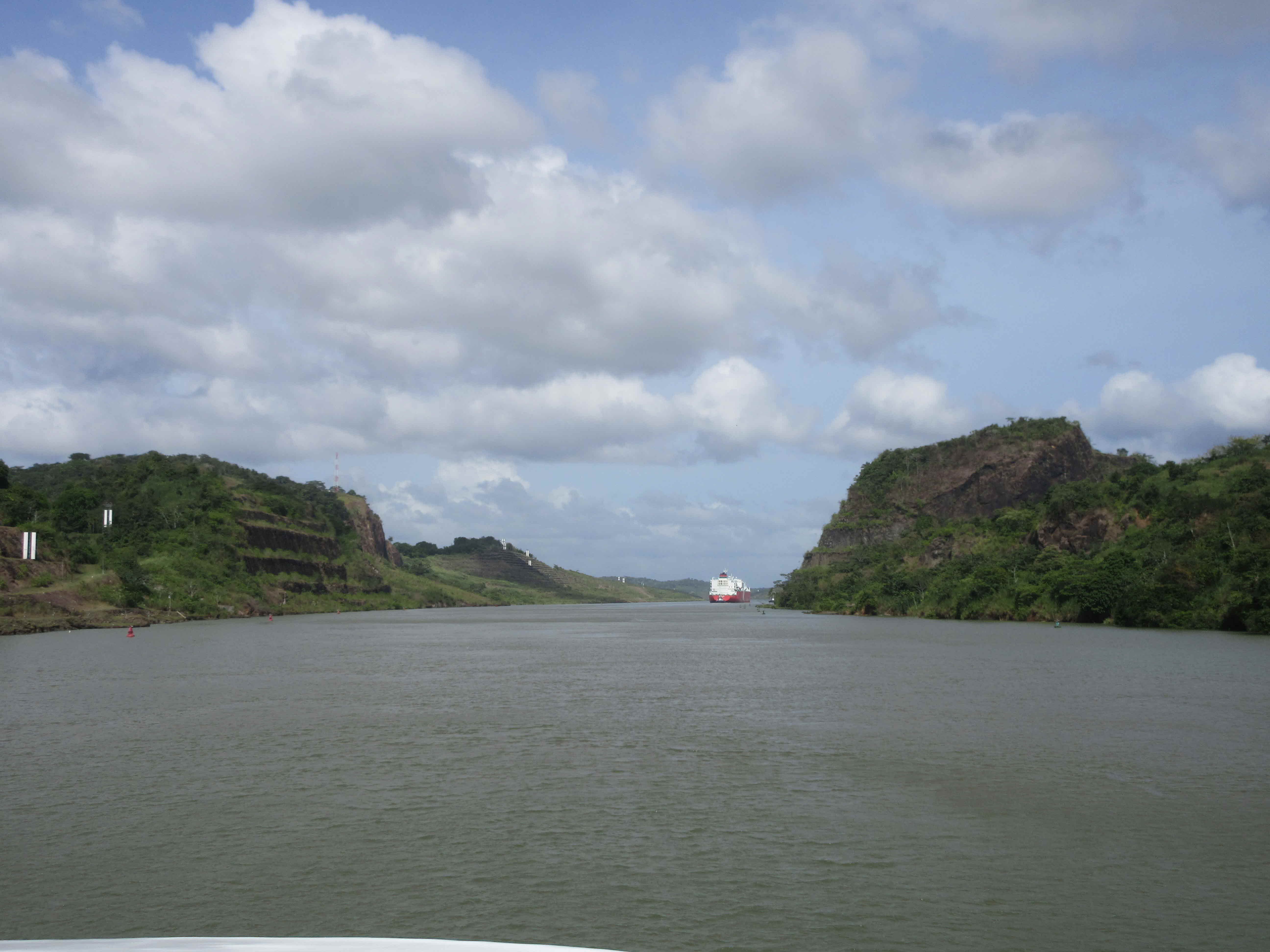
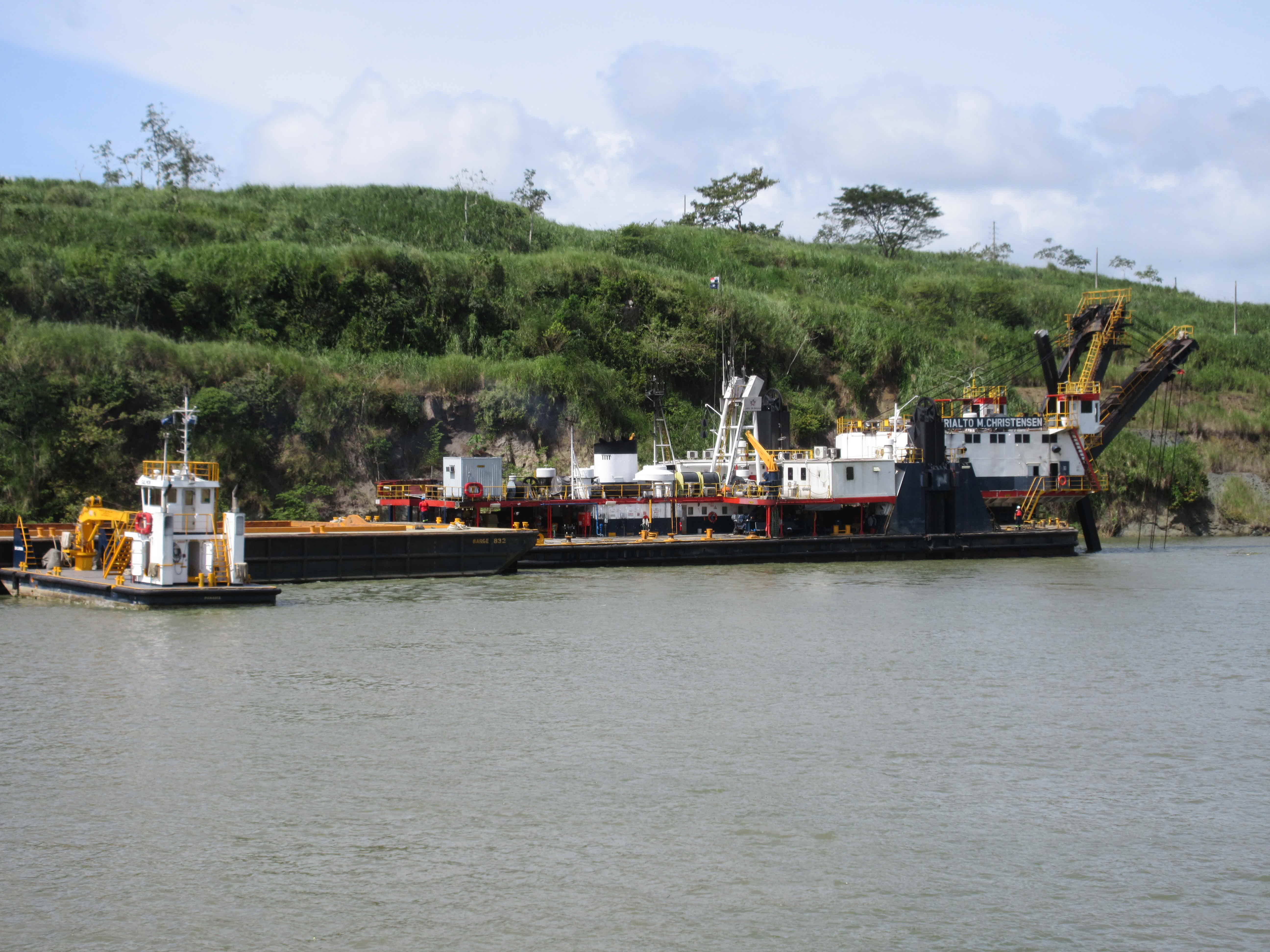
We traveled through the Culebra Cut. This is a cut through the Continental Divide that was considered one of the great engineering feats of the time. “Hundreds of large steam drills bored hoes in which were planted tons of dynamite which blasted the rock … so that it could be excavated by steam shovels… Dozens of … trains took the spoil from the shovels to the landfill dumps about … 12 mile away.” … “Six thousand men worked in the cut, drilling holes, placing explosives, controlling steam shovels, and running the dirt trains.” (Wikipedia) We had seen part of this cut when we took the boat to the Embera village. They need to continuously dredge the area because of landslides. The Canal officials do not feel confident that it is wide enough for two large ships to pass in the Cut. So it is single-lane. Ships going north pass along the cut in the morning and ships going south travel in the afternoon.
-
- entering “Cut”
-
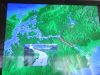
- localtion of “Cut”

-
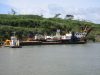
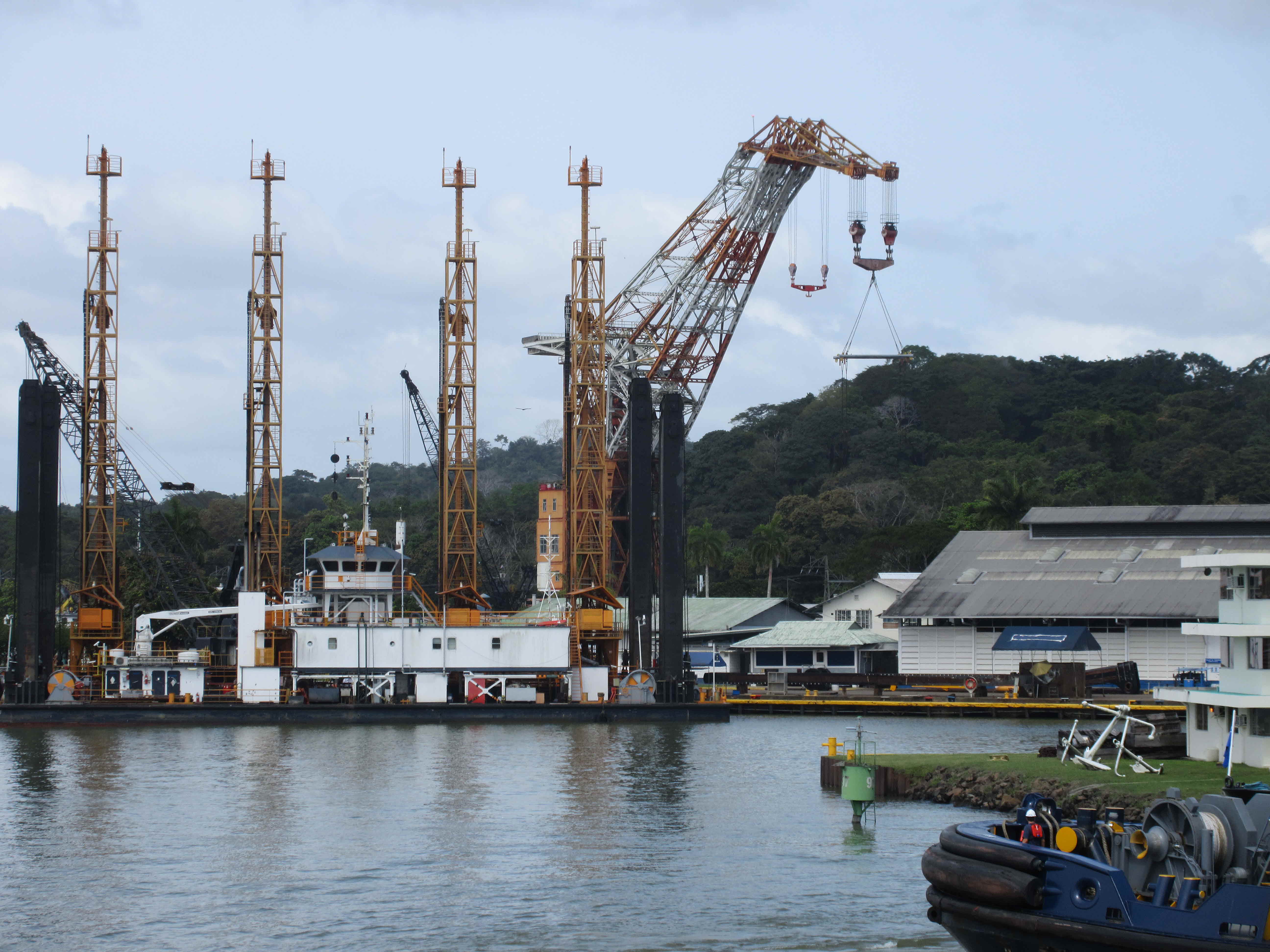
- dredging machines
-

- bridge we went under (see previous blog)

-
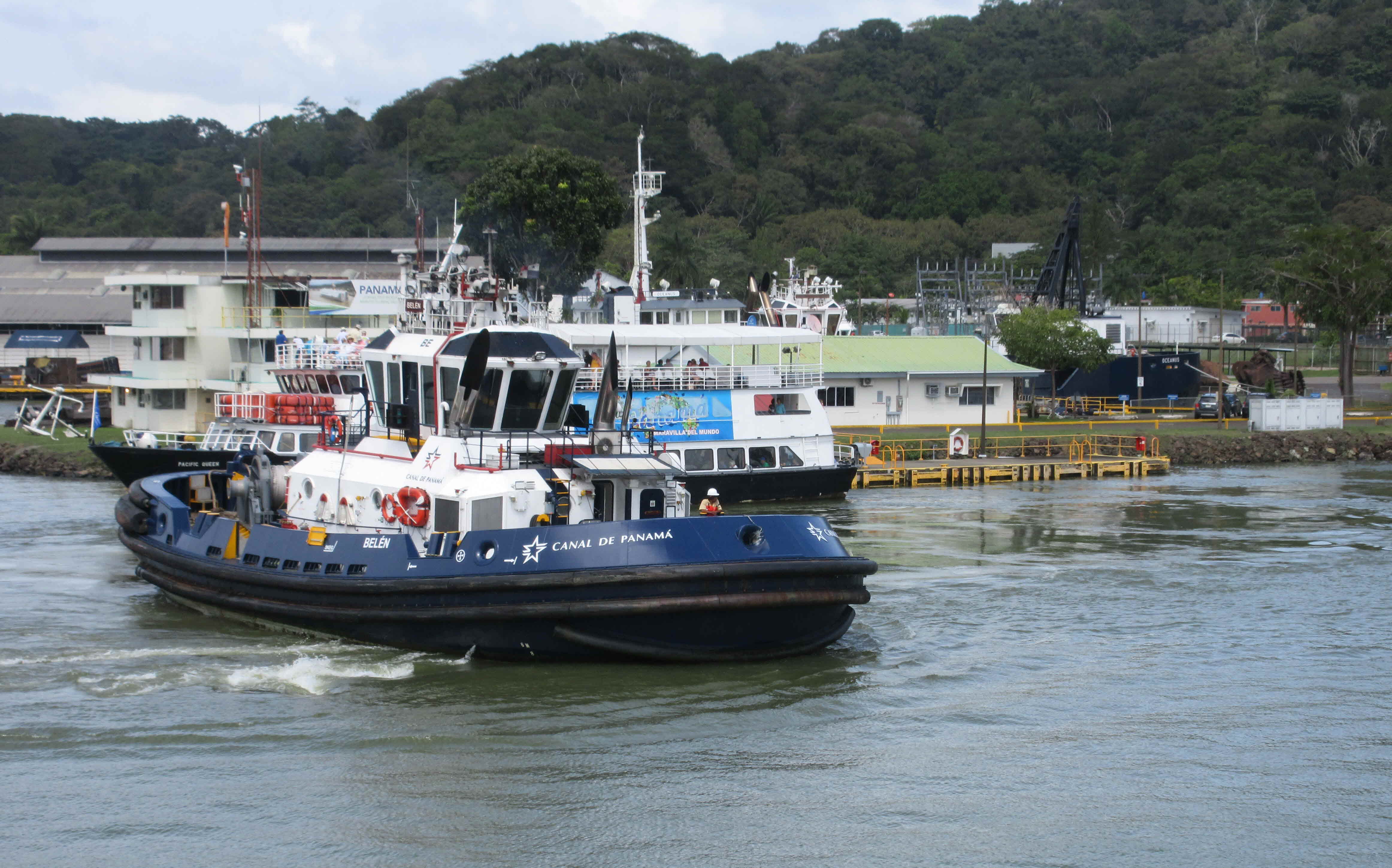
- tugboat
-
- machines from “Hitler” Germany
-
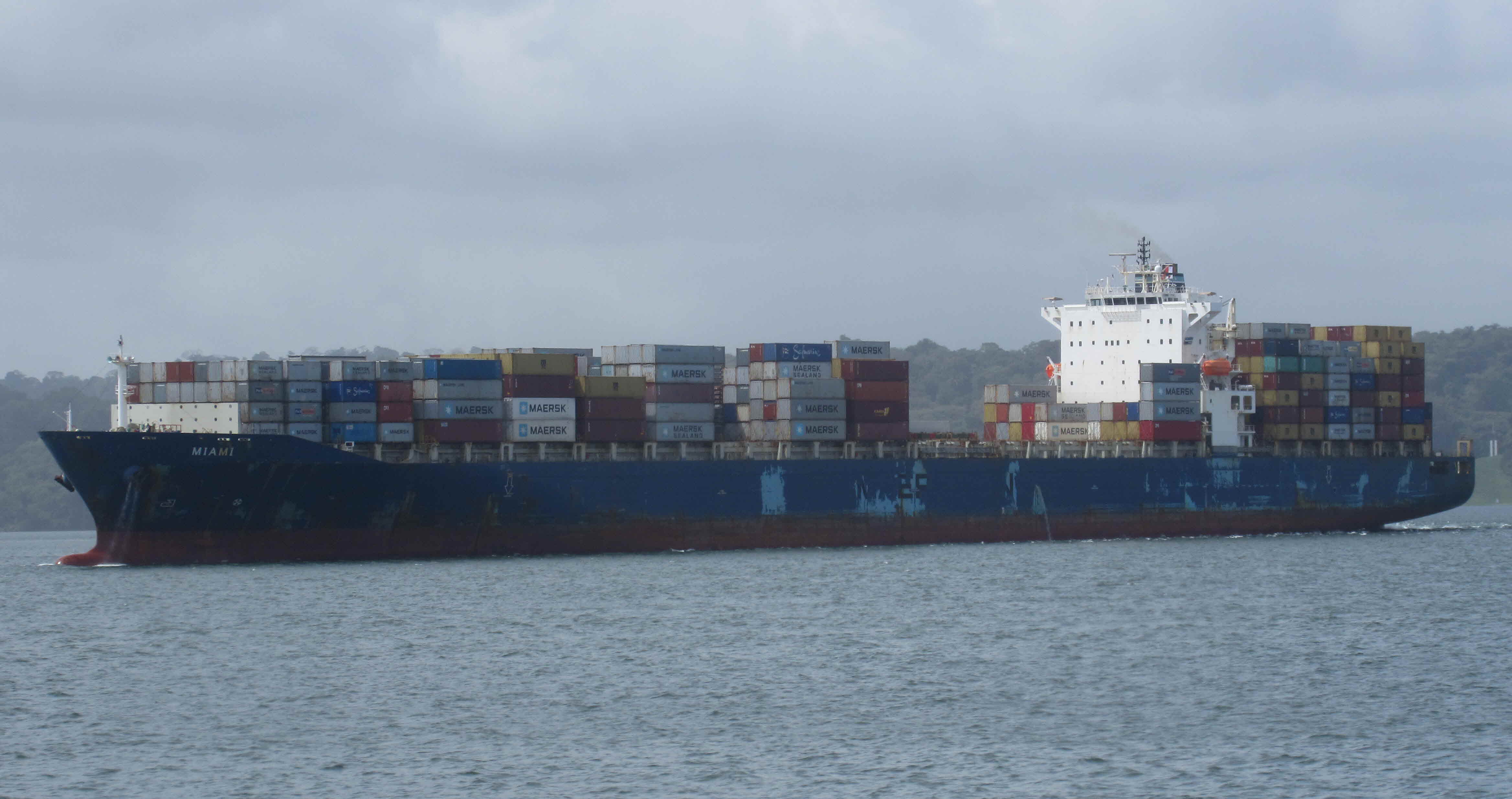
- container ship
-
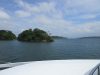
- entering Gatun Lake

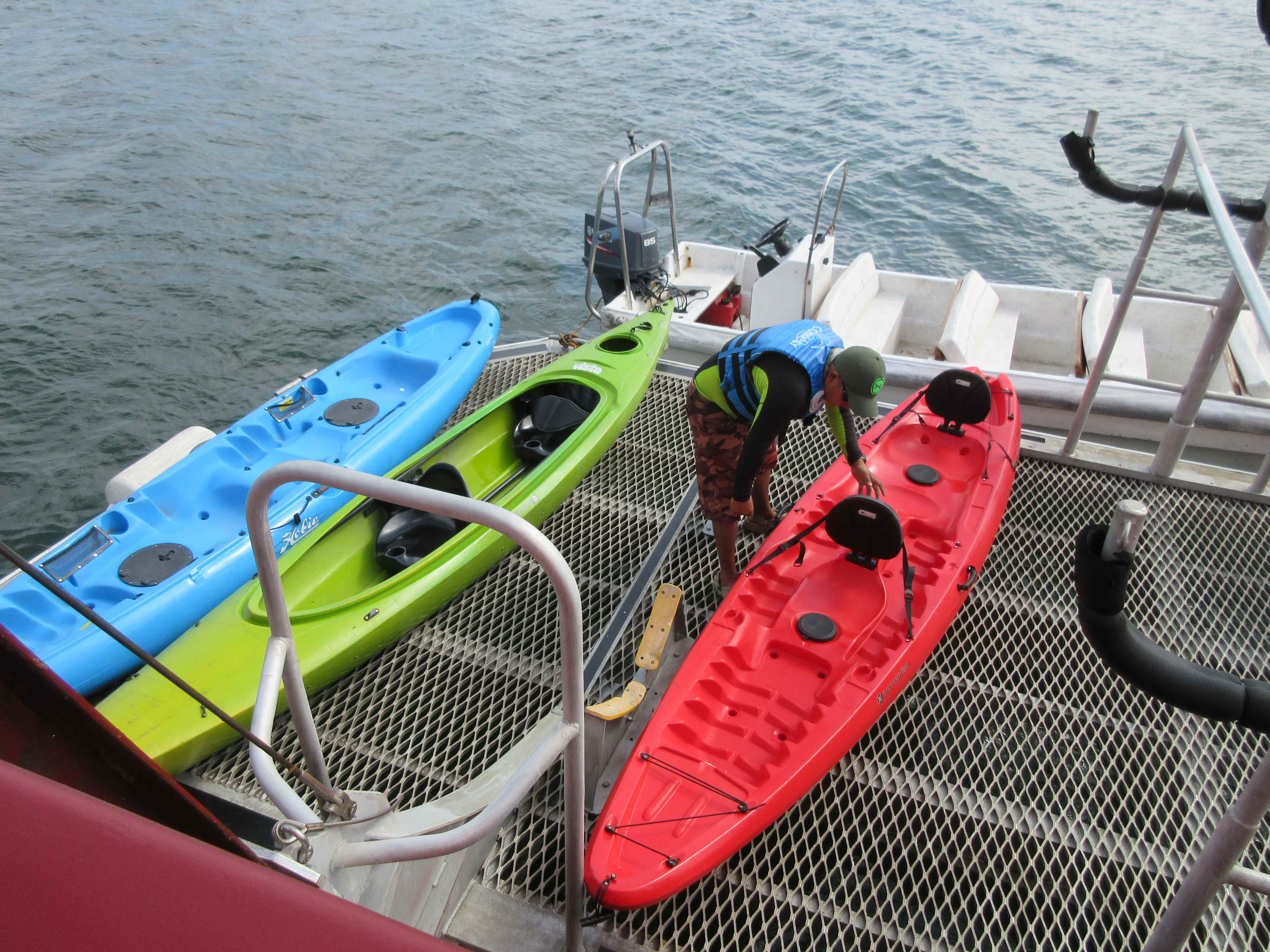
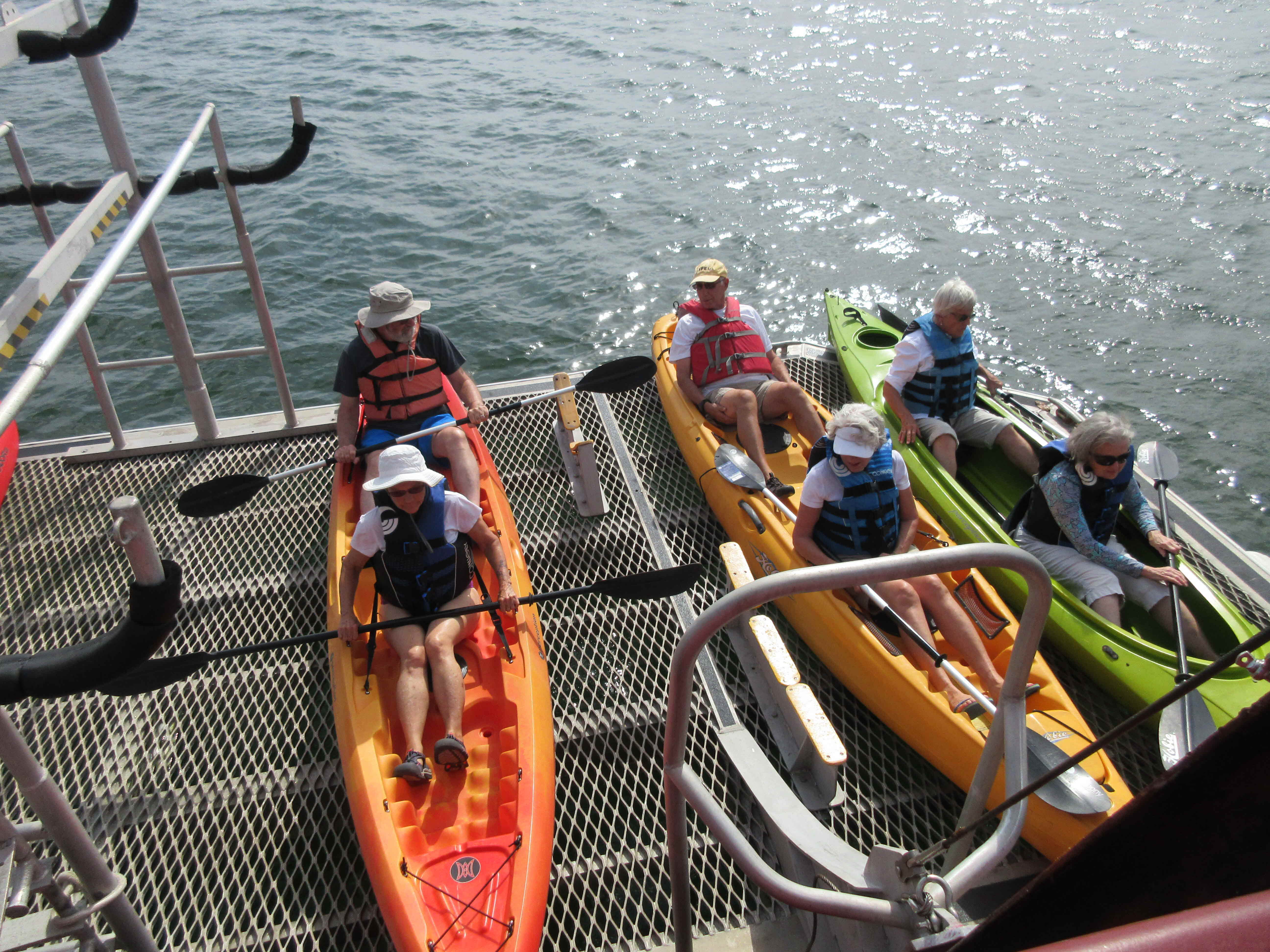
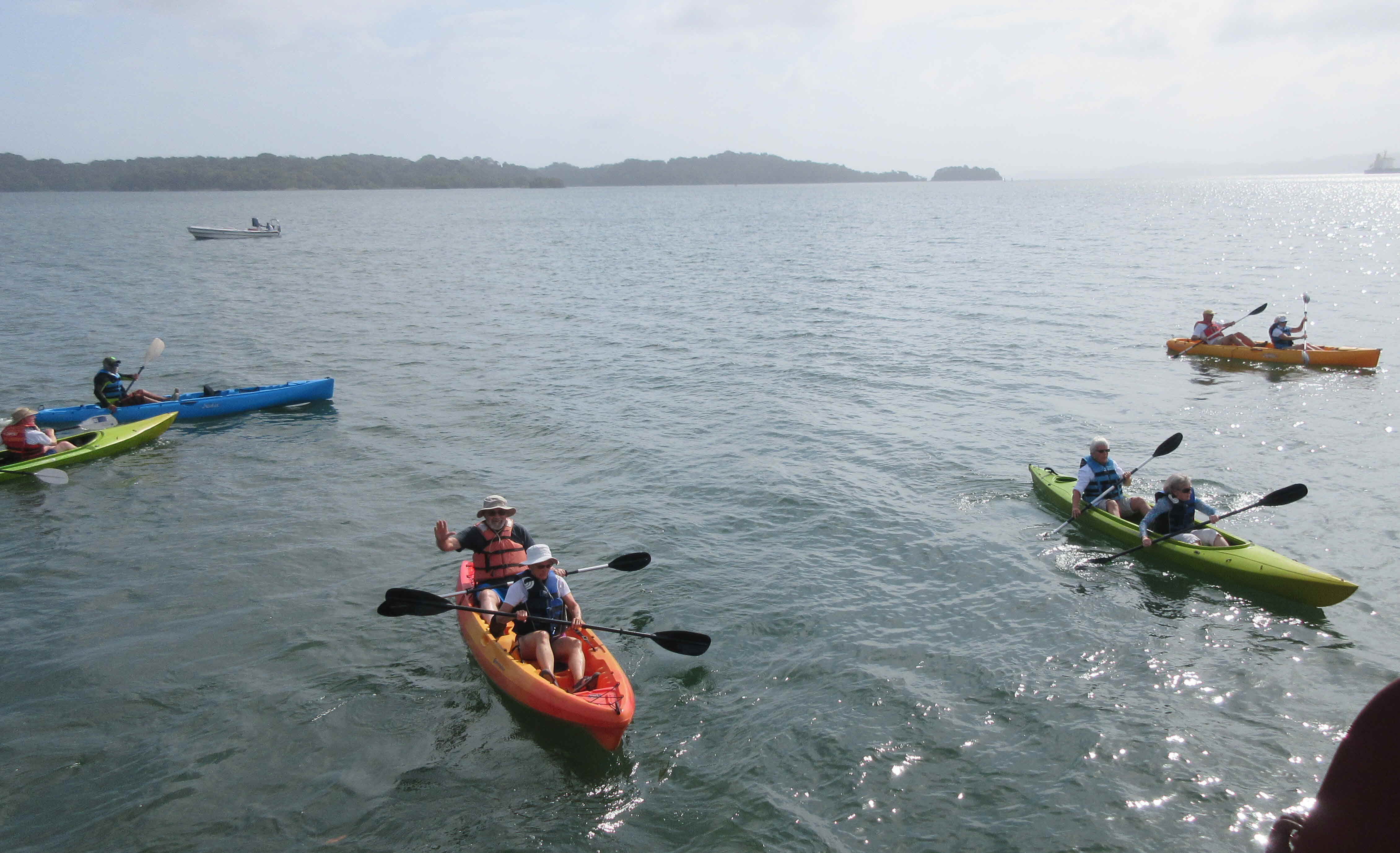
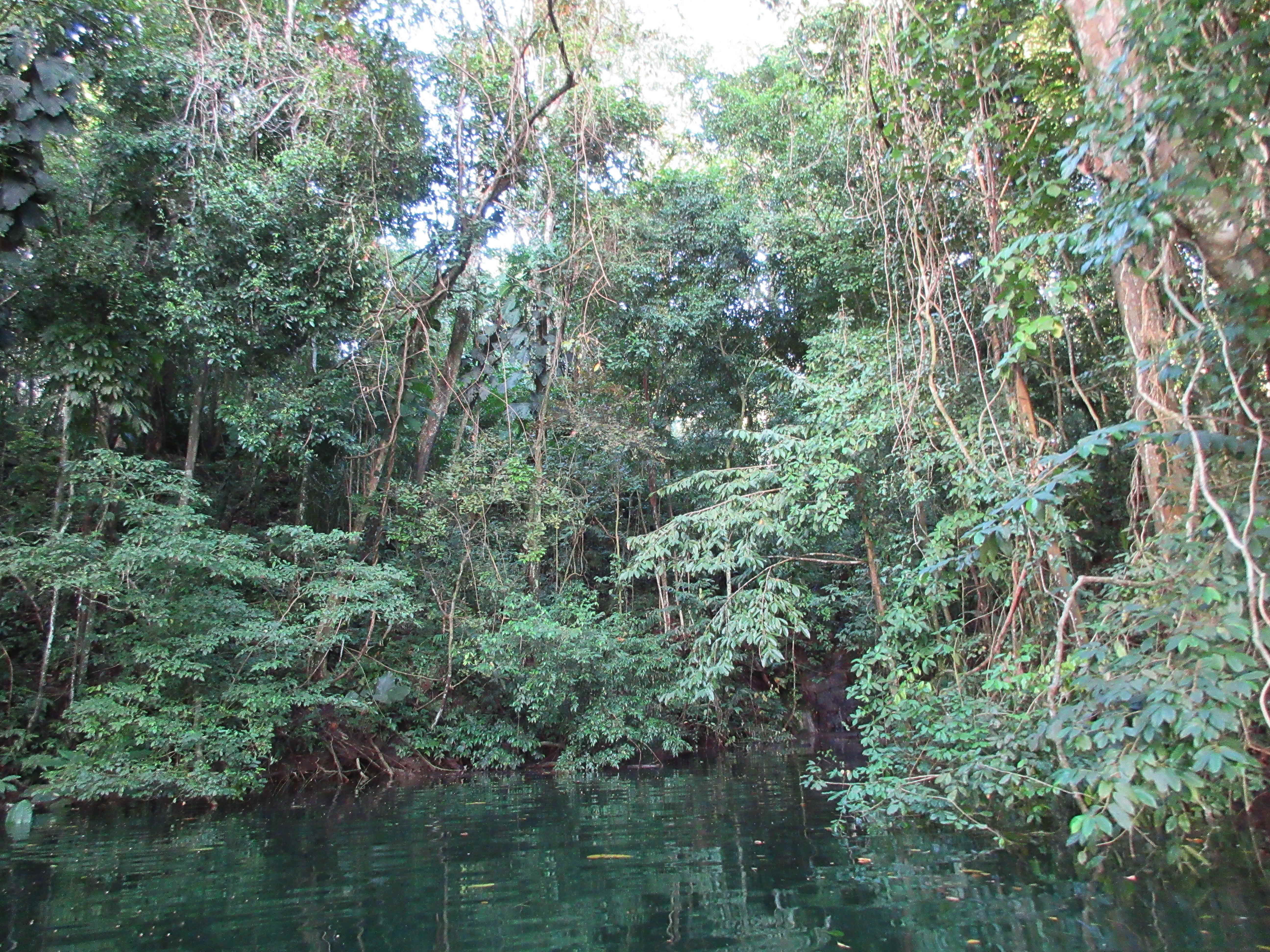
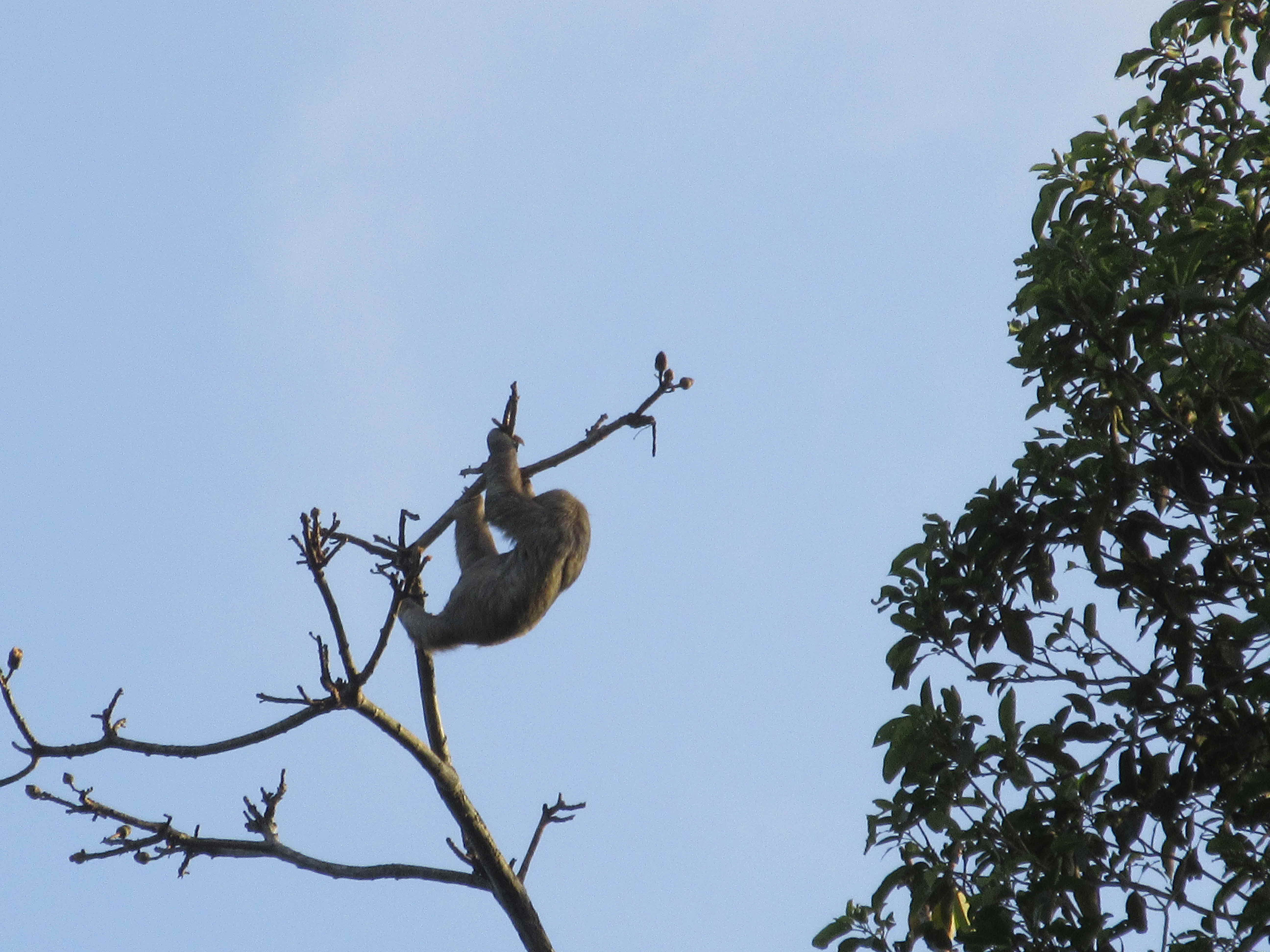
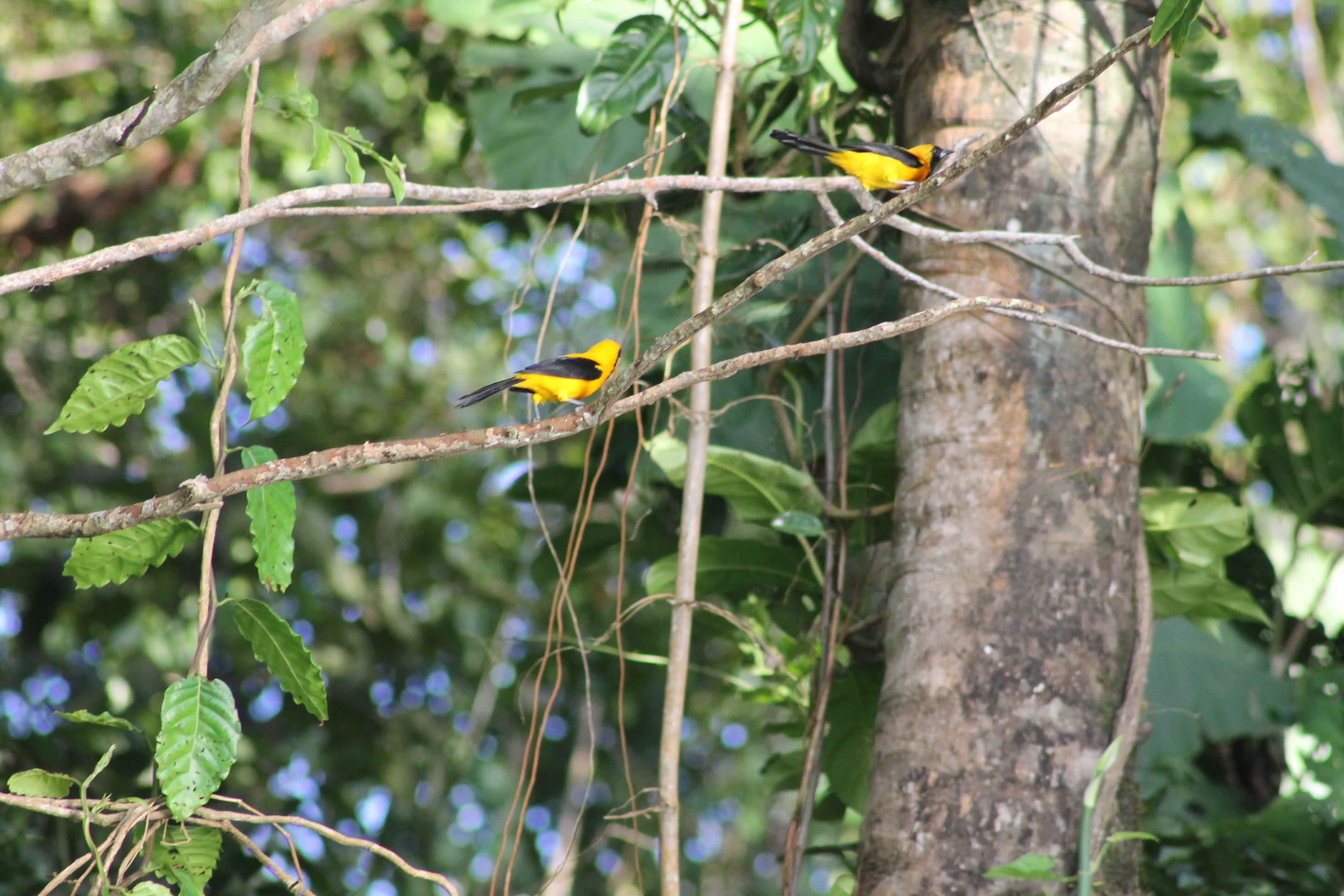
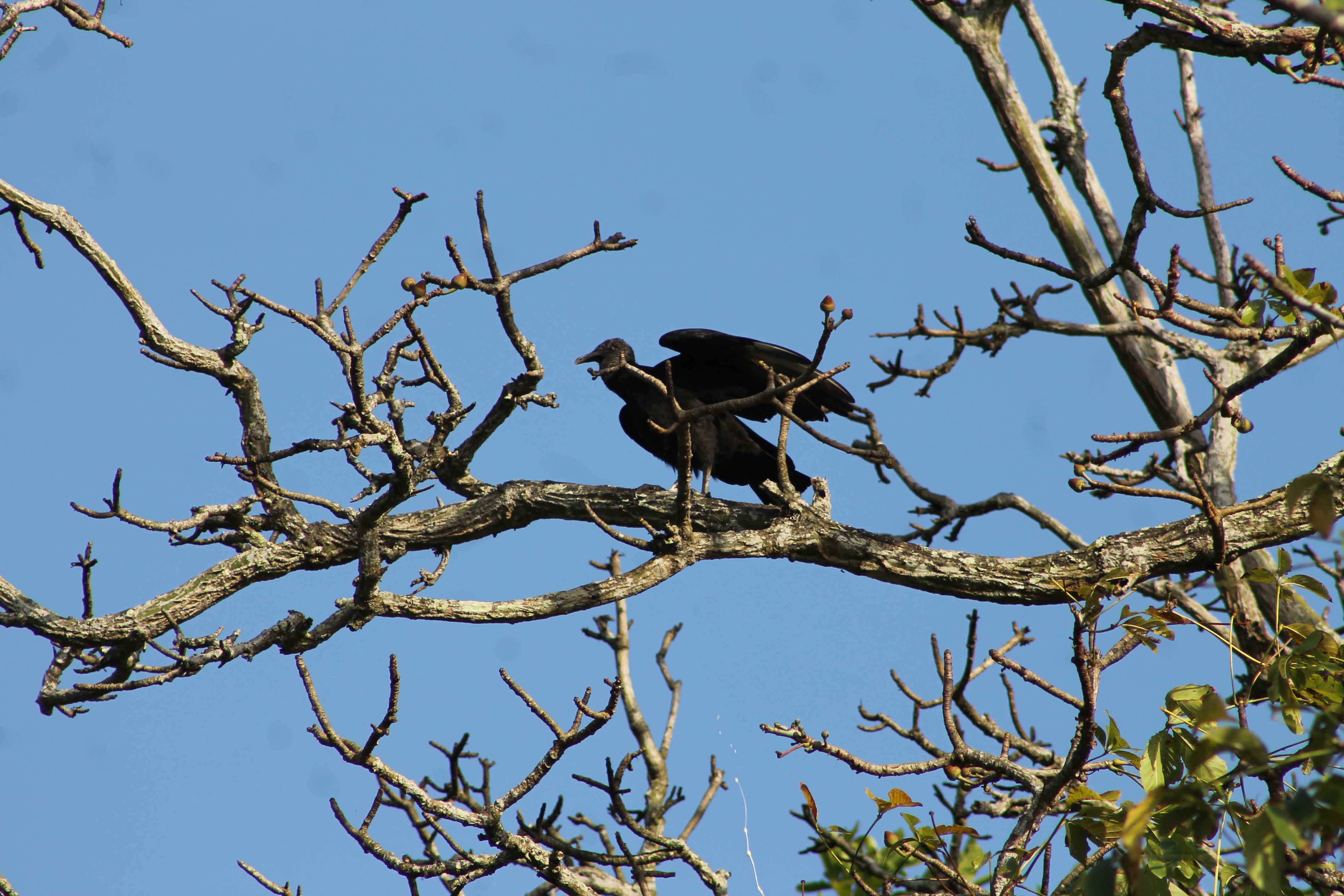
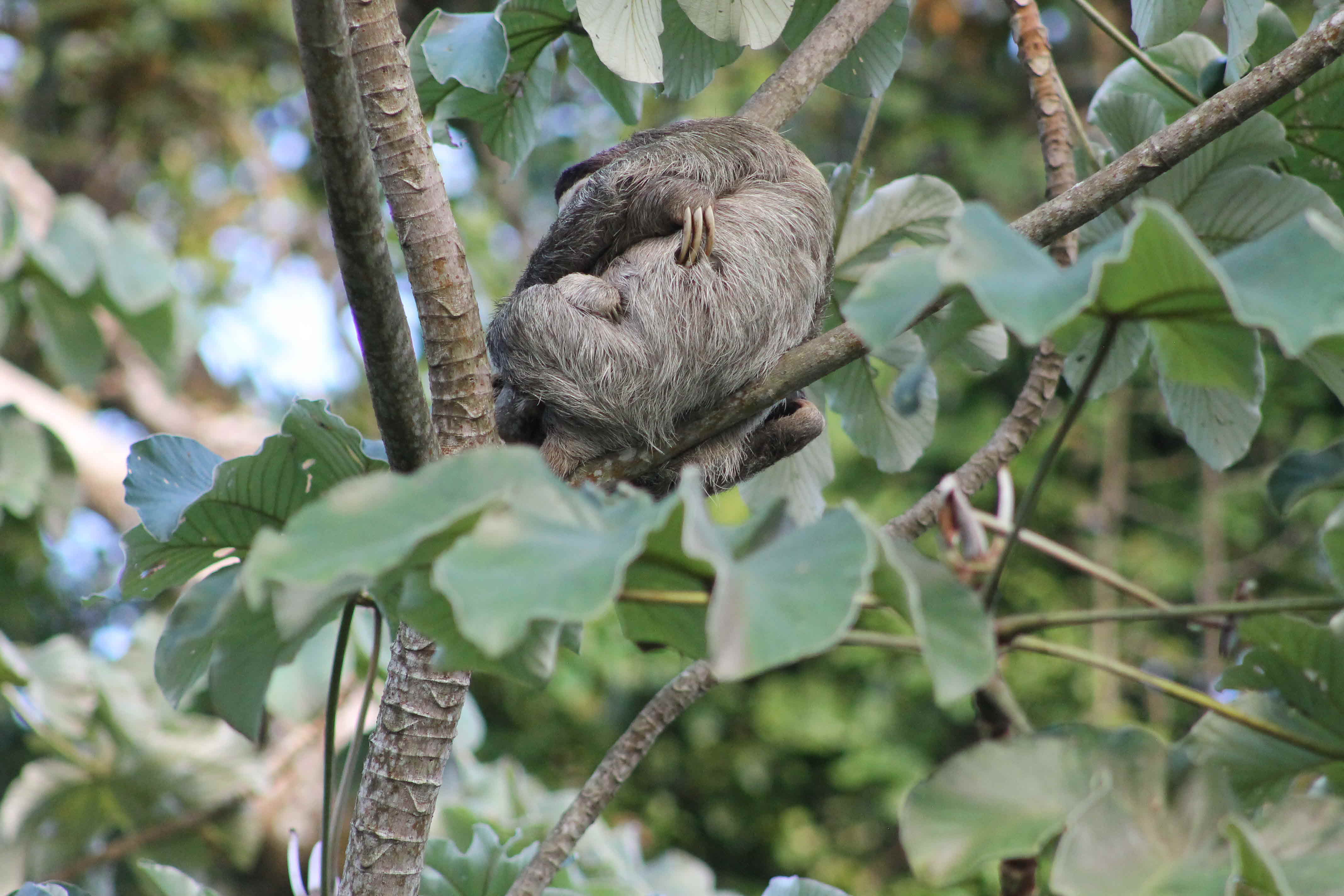
While anchored in Gatun Lake we had time to do some kayaking and took a boat trip around Tiger Islands. (Not sure why it is called “Tiger!”) Saw spider monkeys, several sloths, and some birds.
-
- getting kayaks ready
-
- we are in kayaks
-
- we’re off!
-
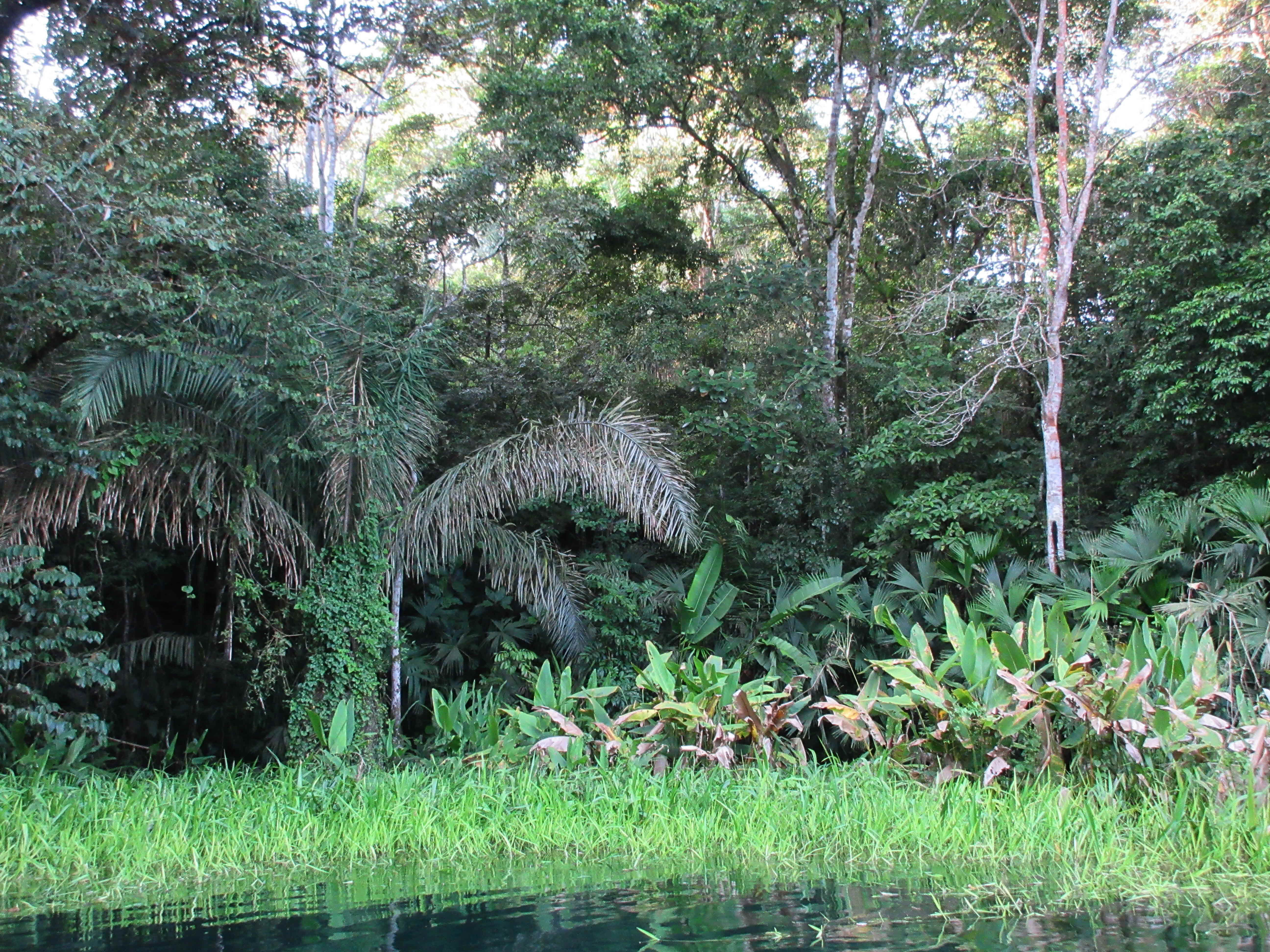
- jungle
-
- jungle
-
- sloth
-
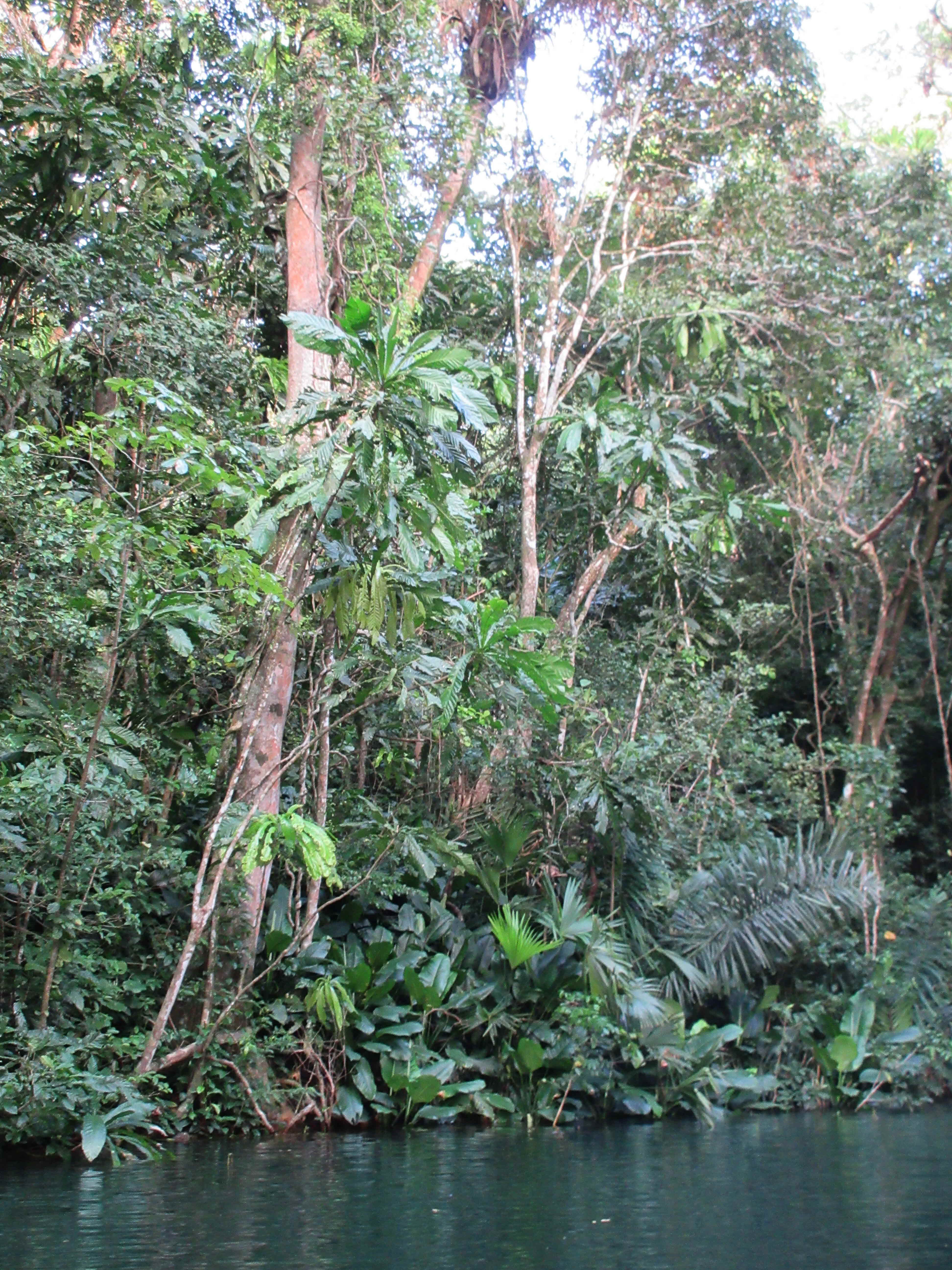
- jungle
-
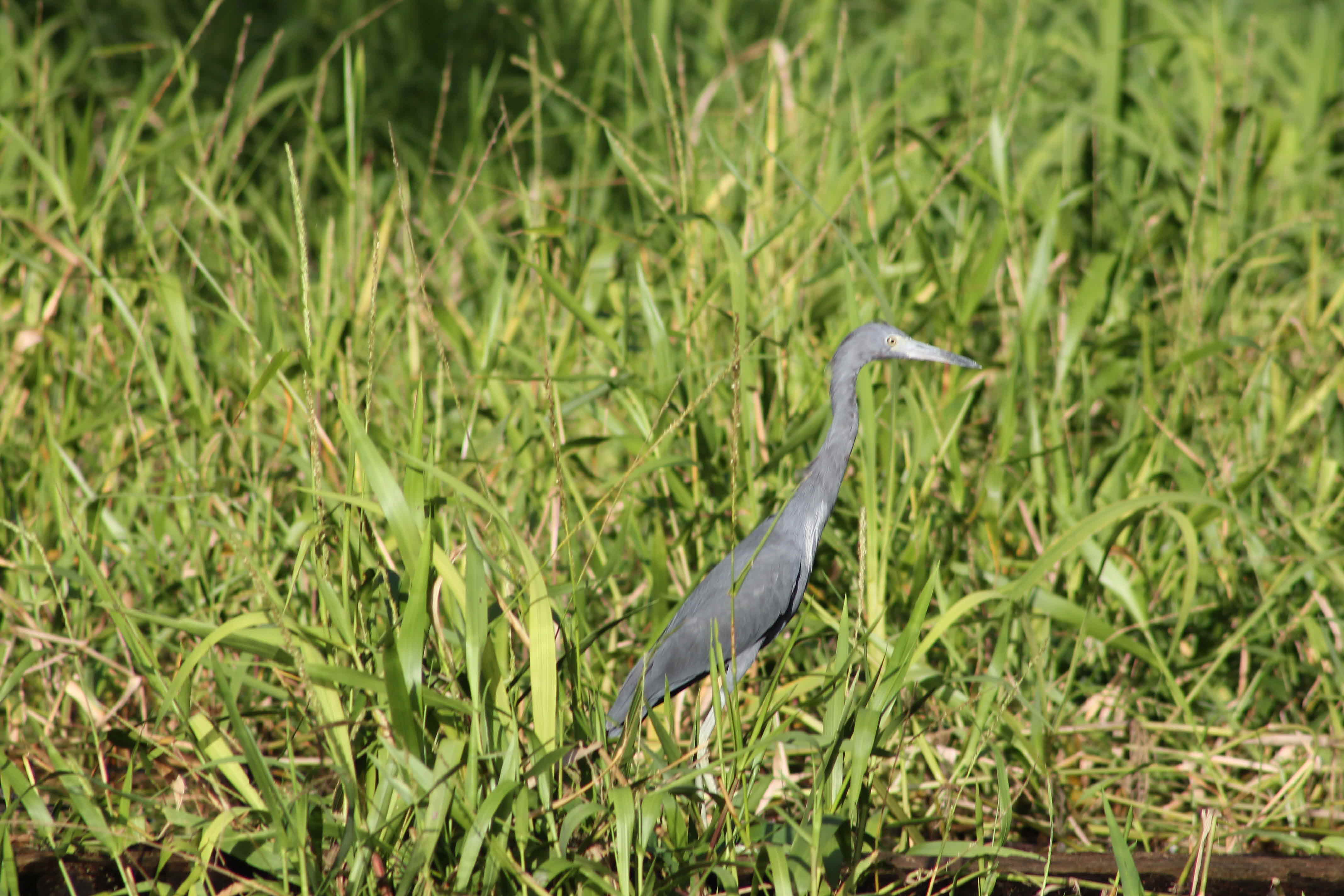
- heron
-
- bird
-
- bird
-
- monkey

-
- sloth
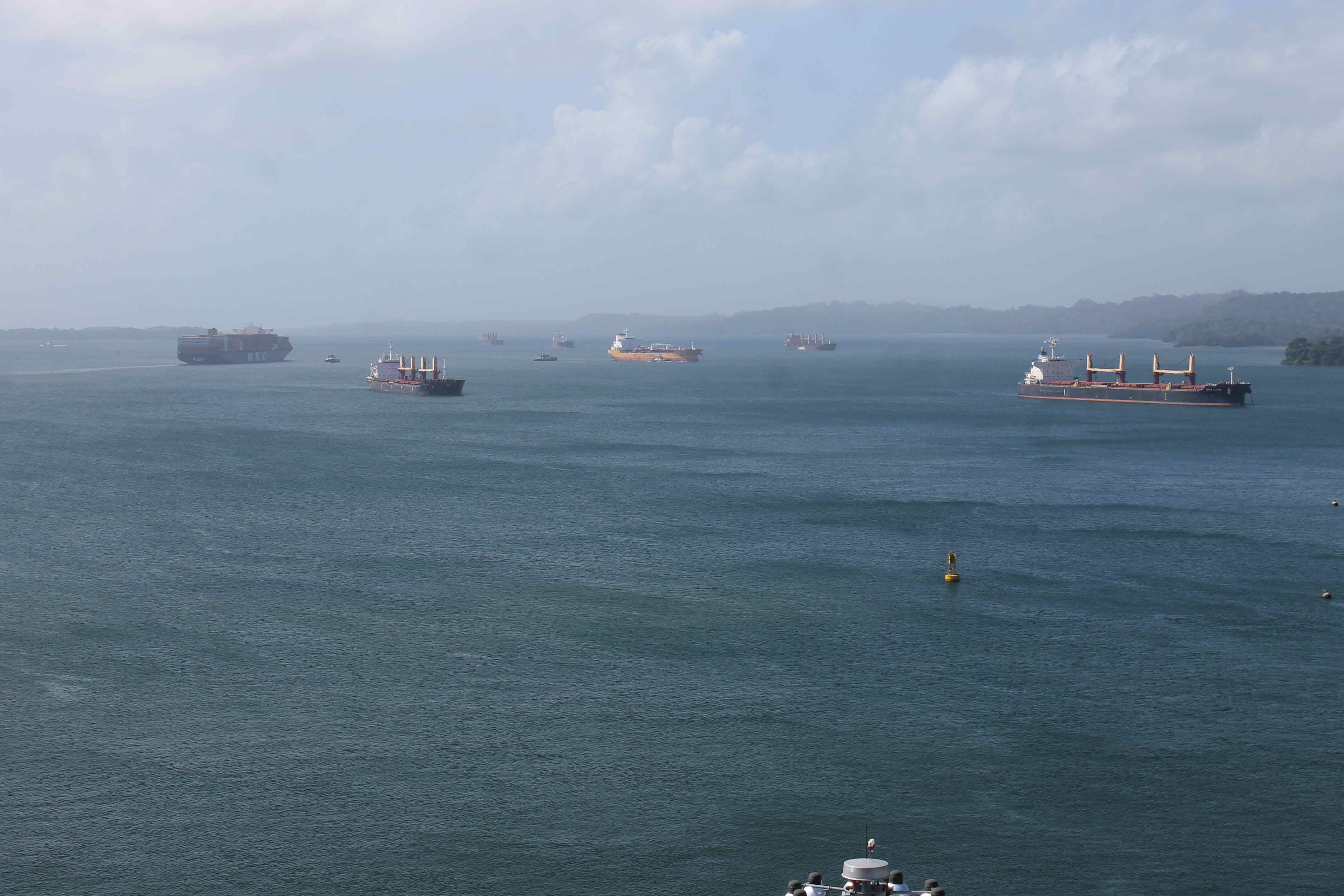
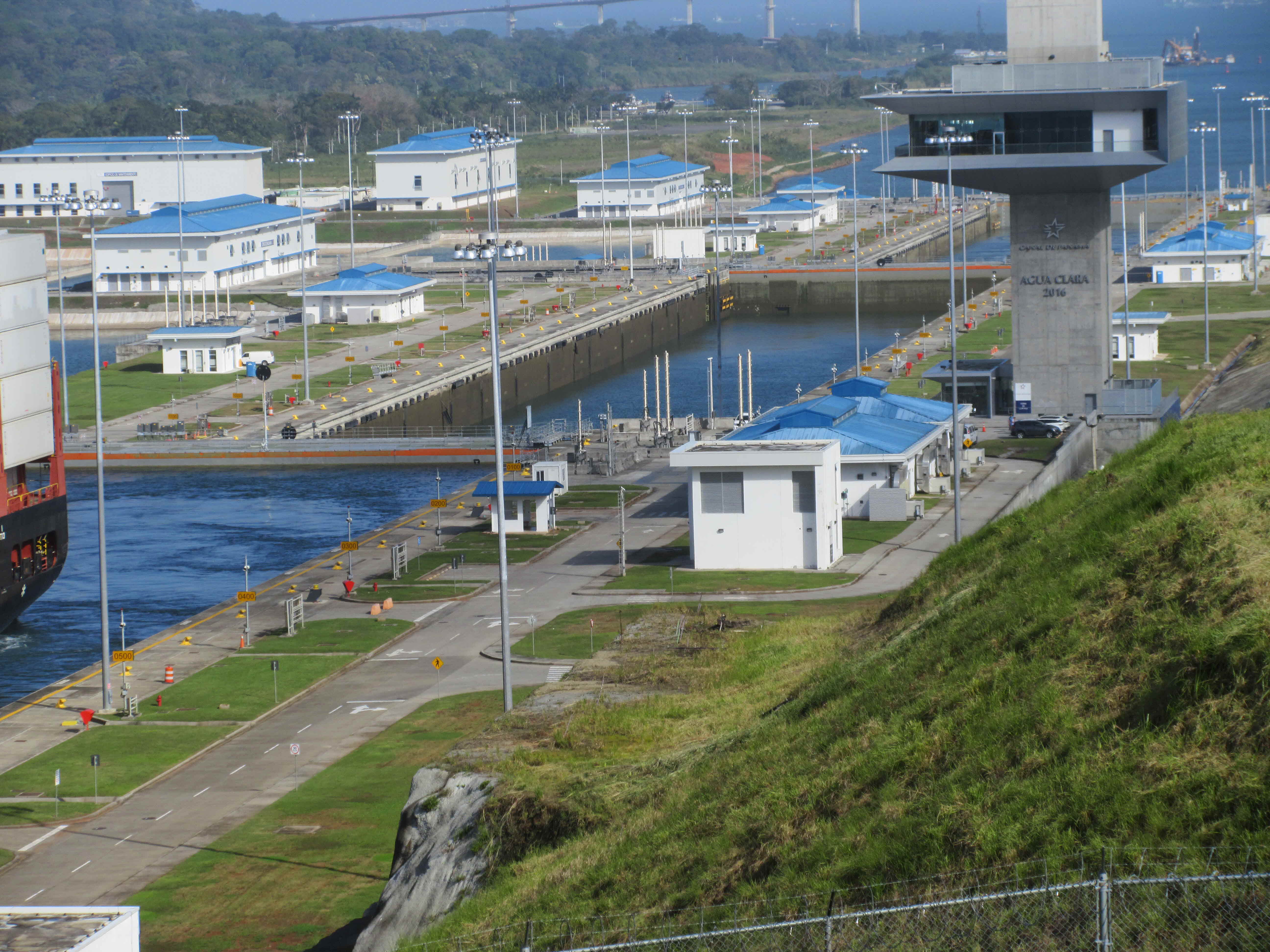
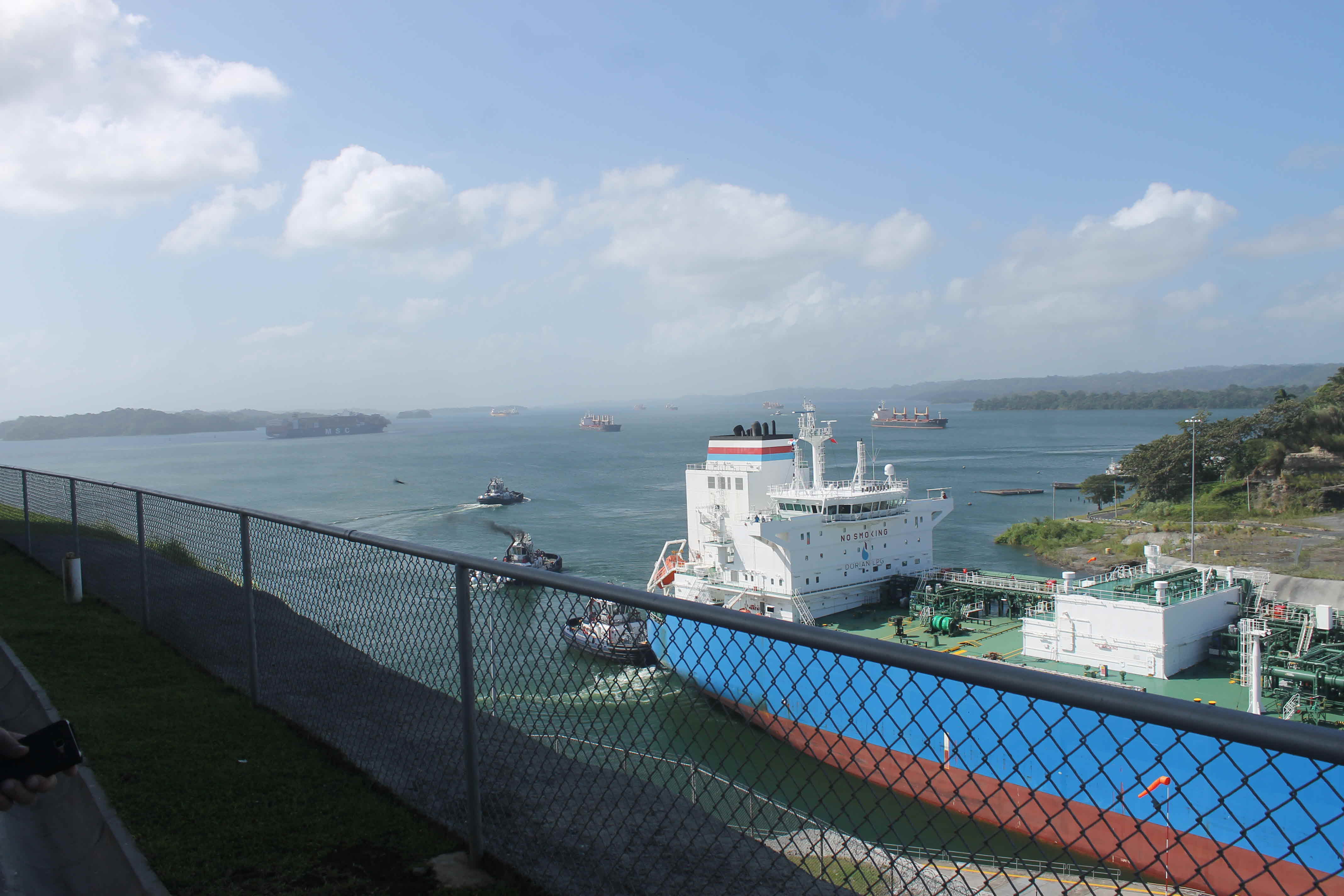
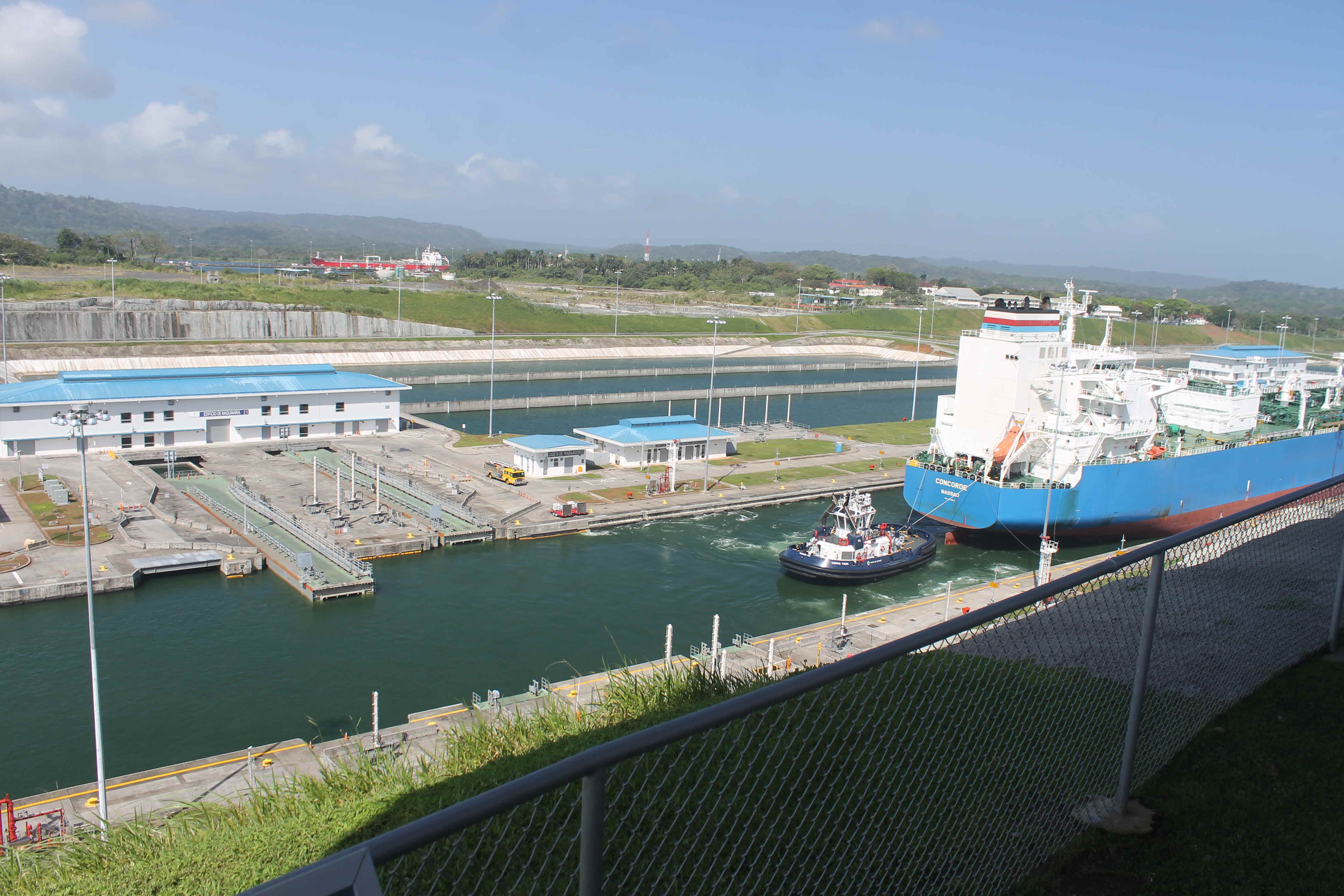
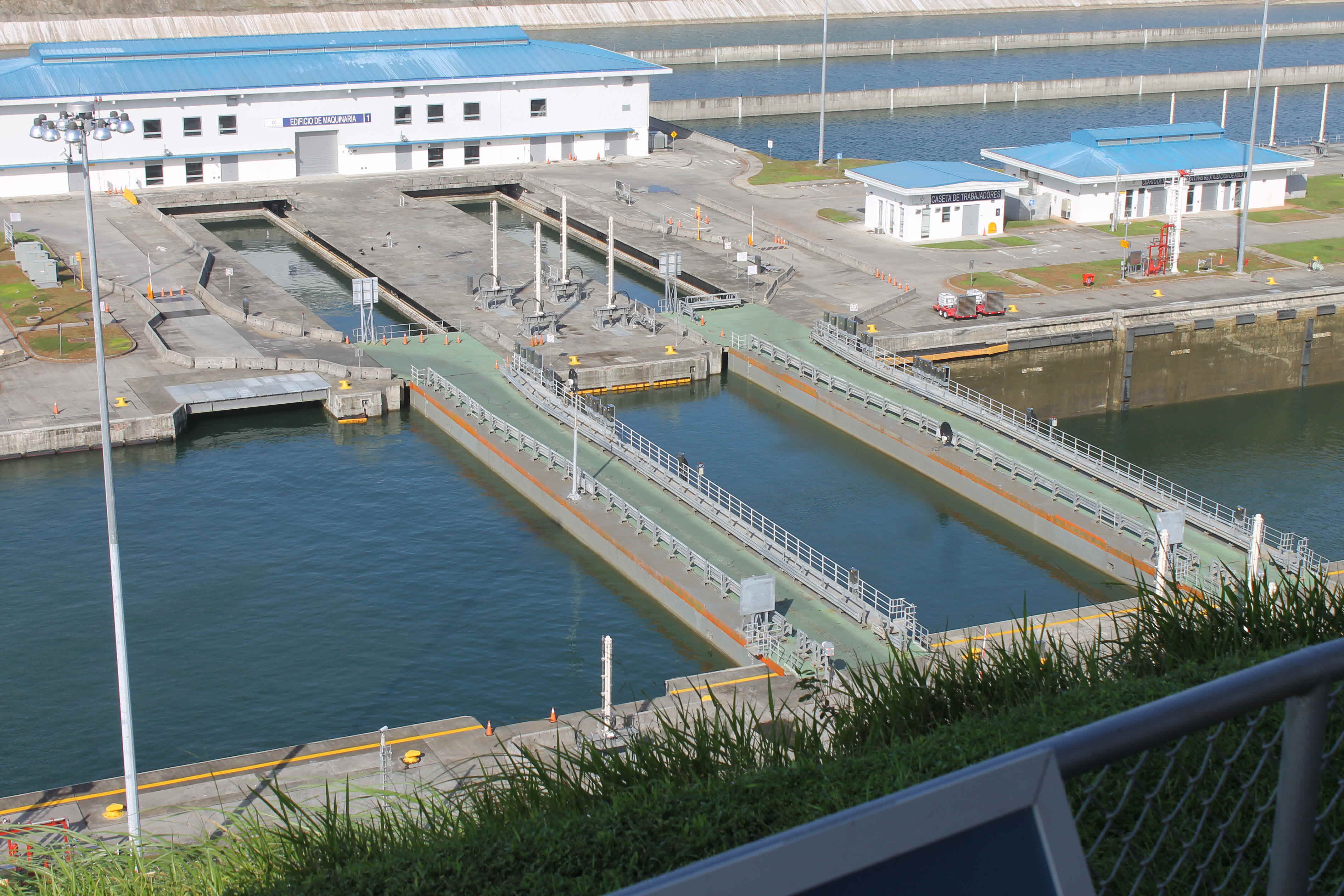
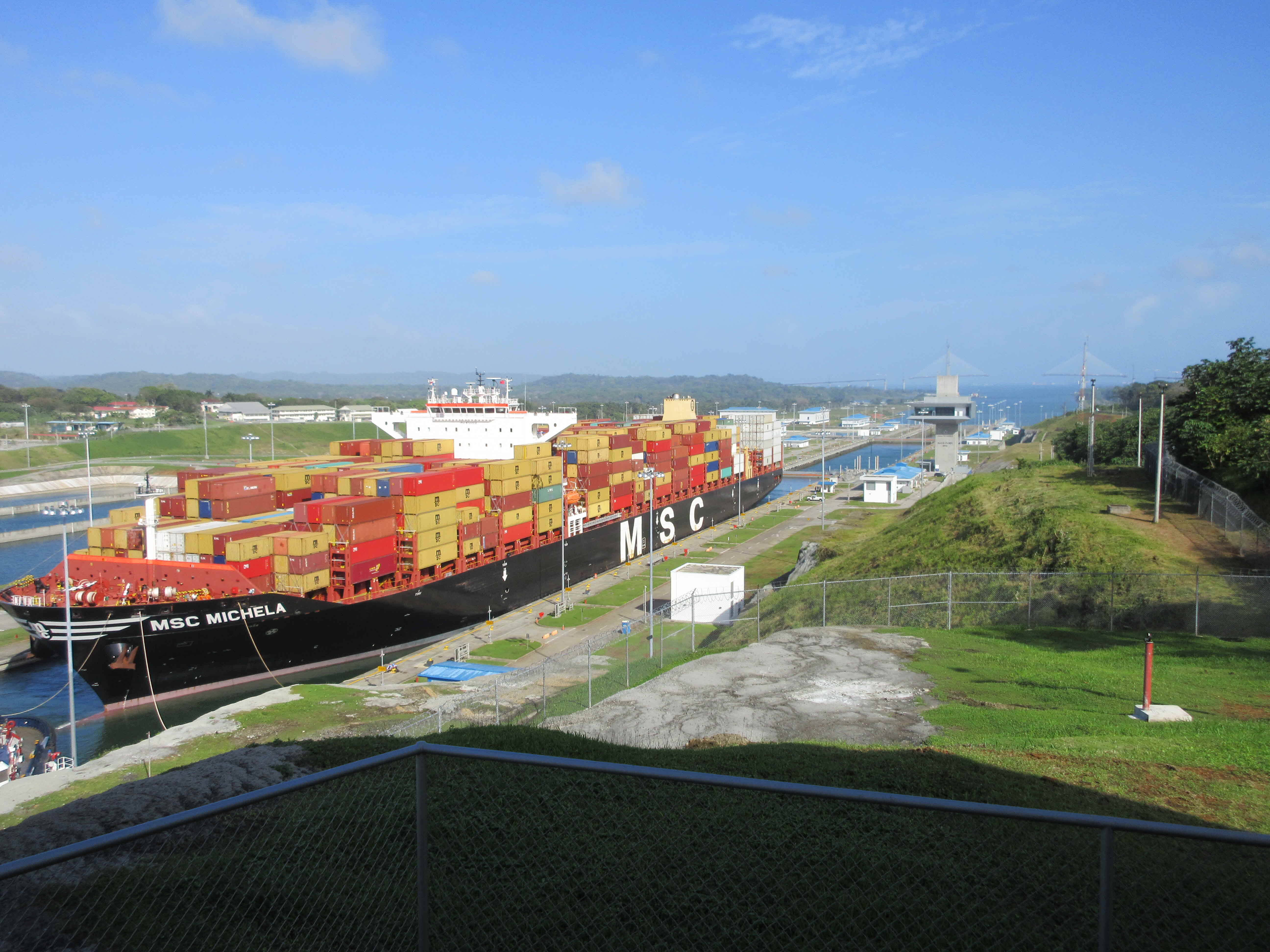
The following morning we went to the Canal Expansion Observation Center overlooking the new larger lock. While there we were able to see a ship go out of the lock and another go into the lock. On our return to our boat we saw a manatee which was a highlight for our guide since he had not seen one in 5 years. We also saw several coatis which reminded us very much of raccoons.
-
- ships waiting to enter Atlantic-side locks
-
- set of new larger locks
-
- ship entering lock
-
- ship entering first of set of locks
-
- gates closing

-
- gates closed
-
- container ship
-
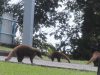
- coatis

When we got the call that we could go through the locks we went through the older Gatun locks with what seemed like a HUGE ship; it was carrying cars.
-
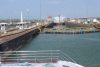
- ship ahead of us in next lock
-
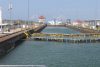
- ship being lowered
-
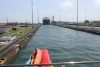
- ship following us
-
- ship entering lock with us
-
- auto ship feels huge beside us
-
- gates closed ahead
-
- gates opening after water has been lowered
-
- ship following us out of the lock
-

- frigate
-
- old lighthouse
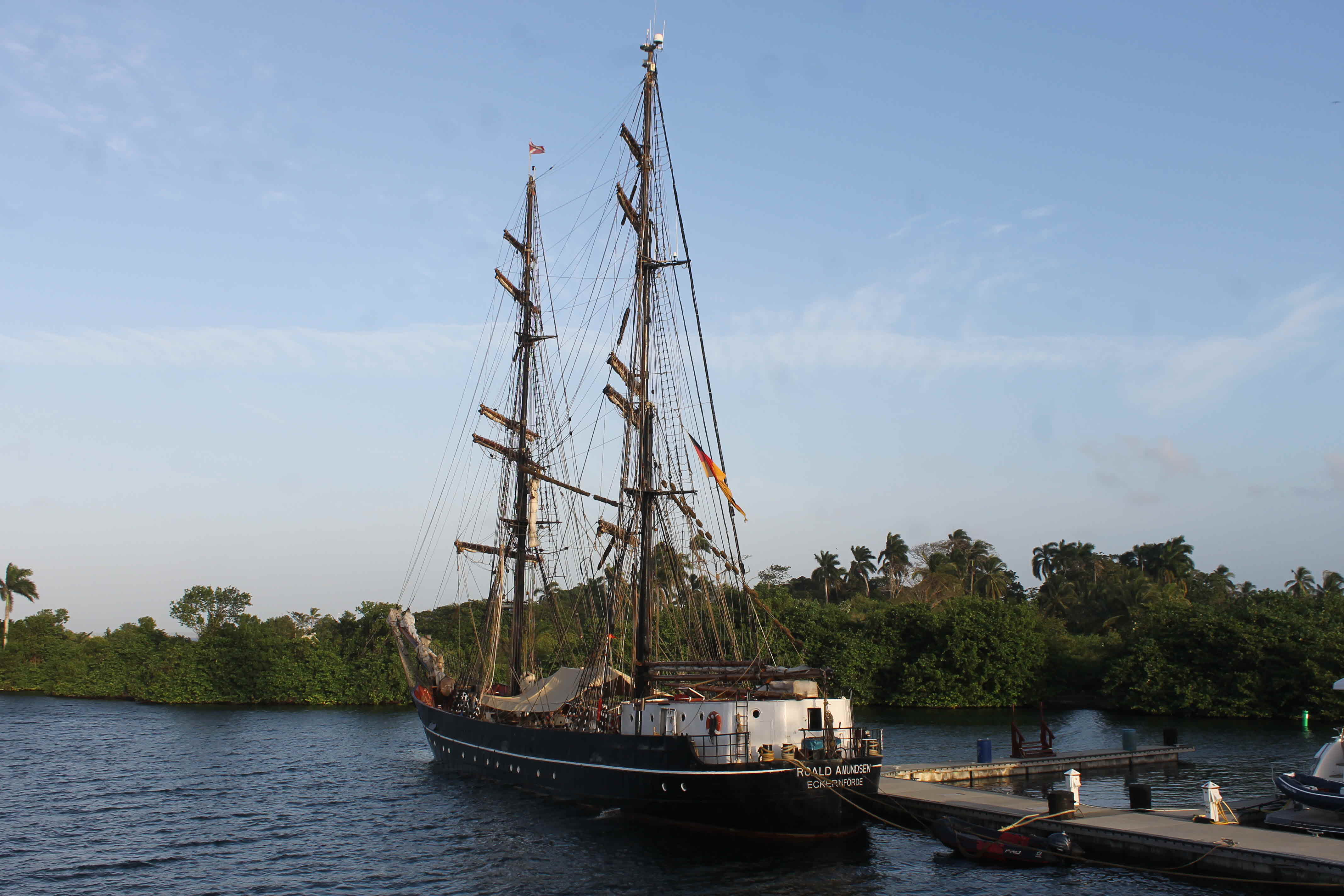
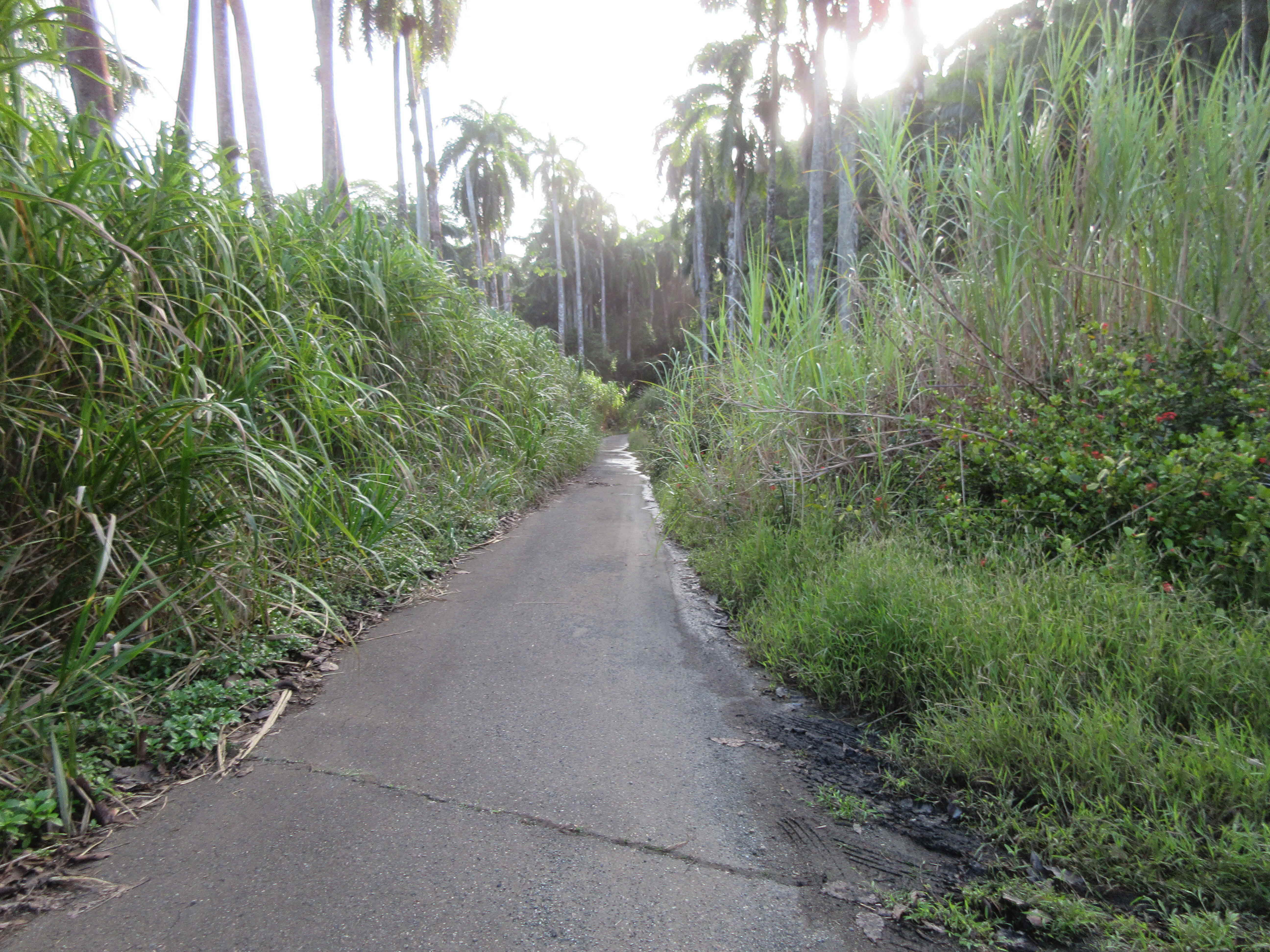
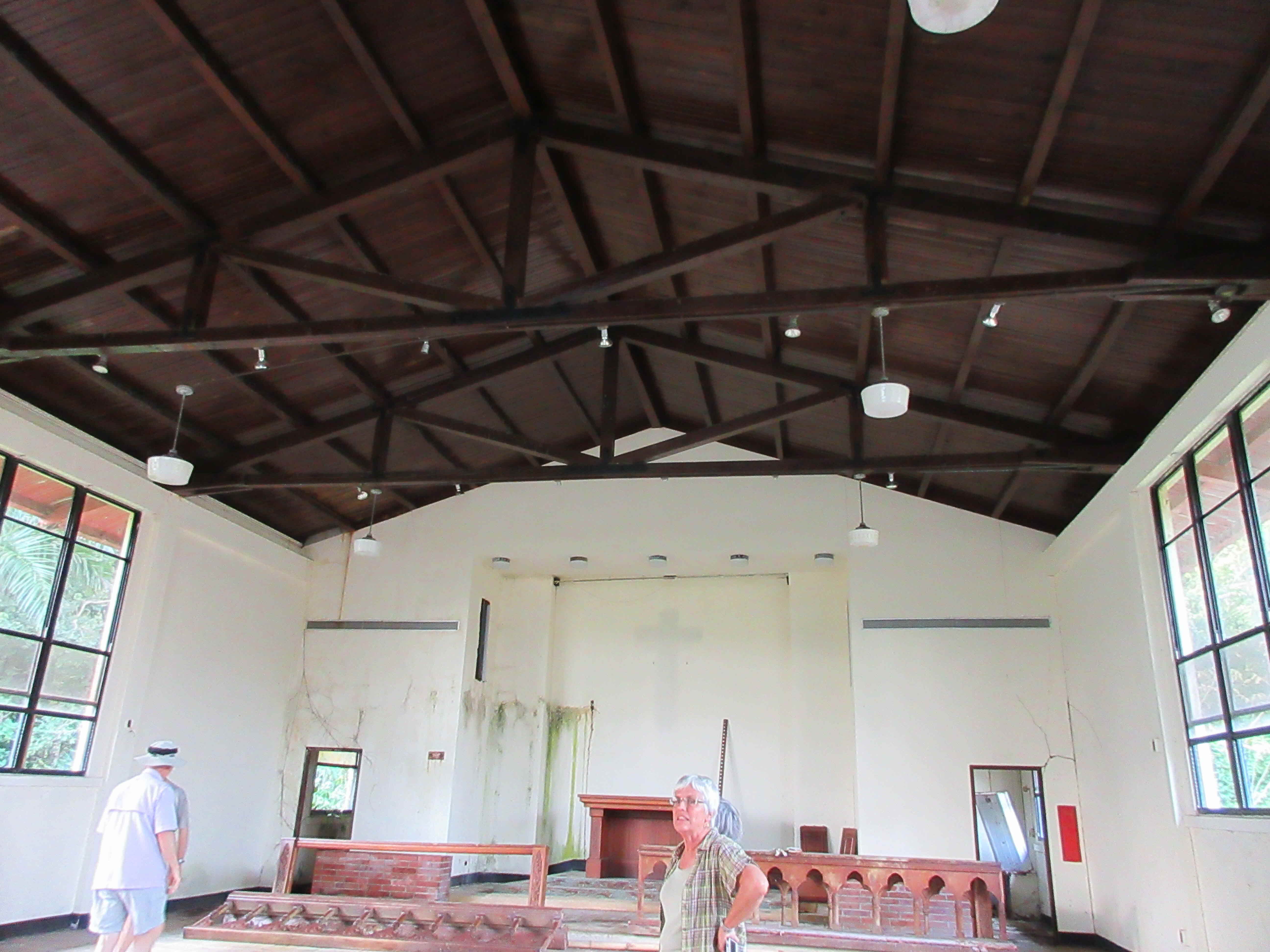
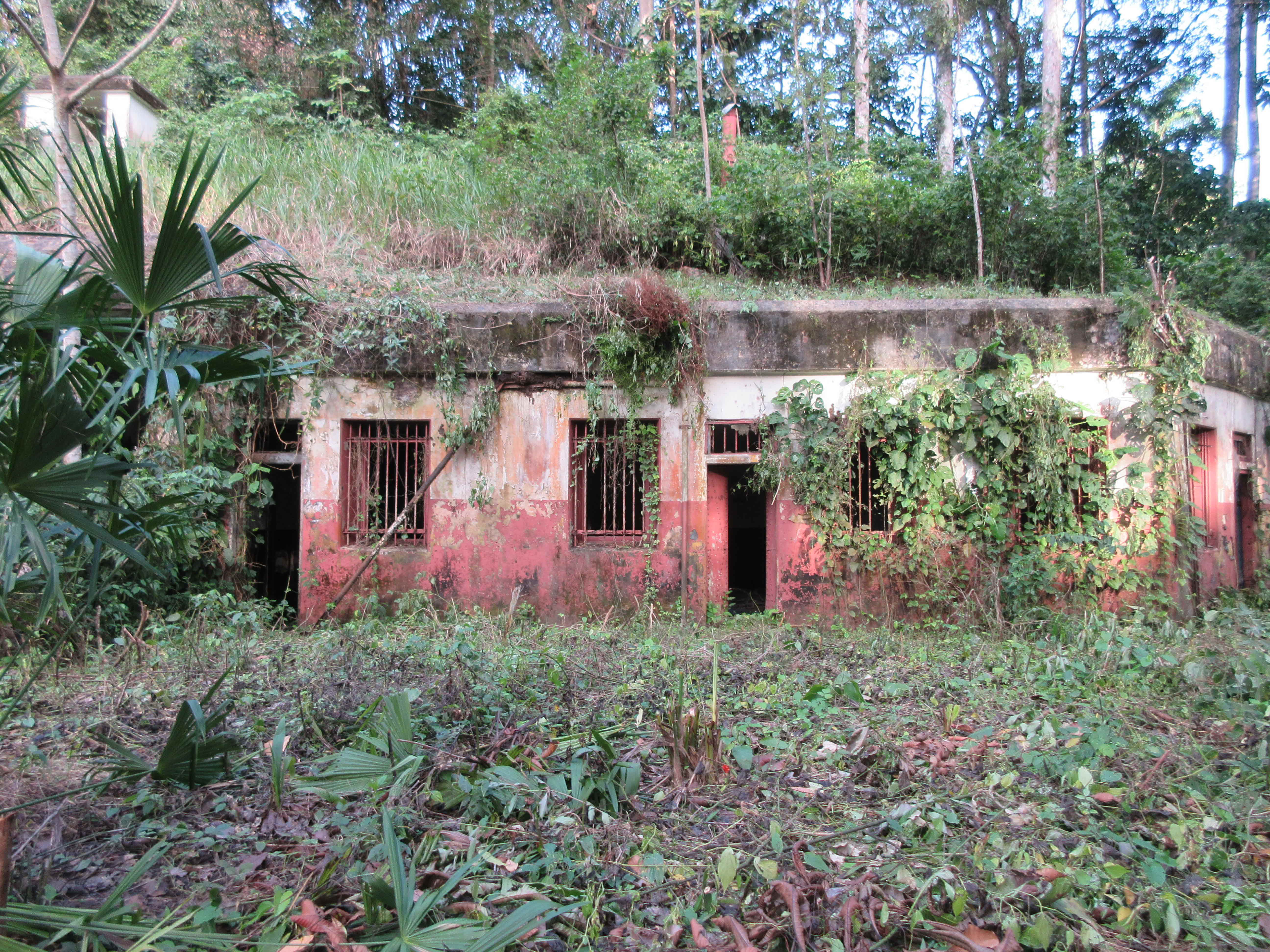
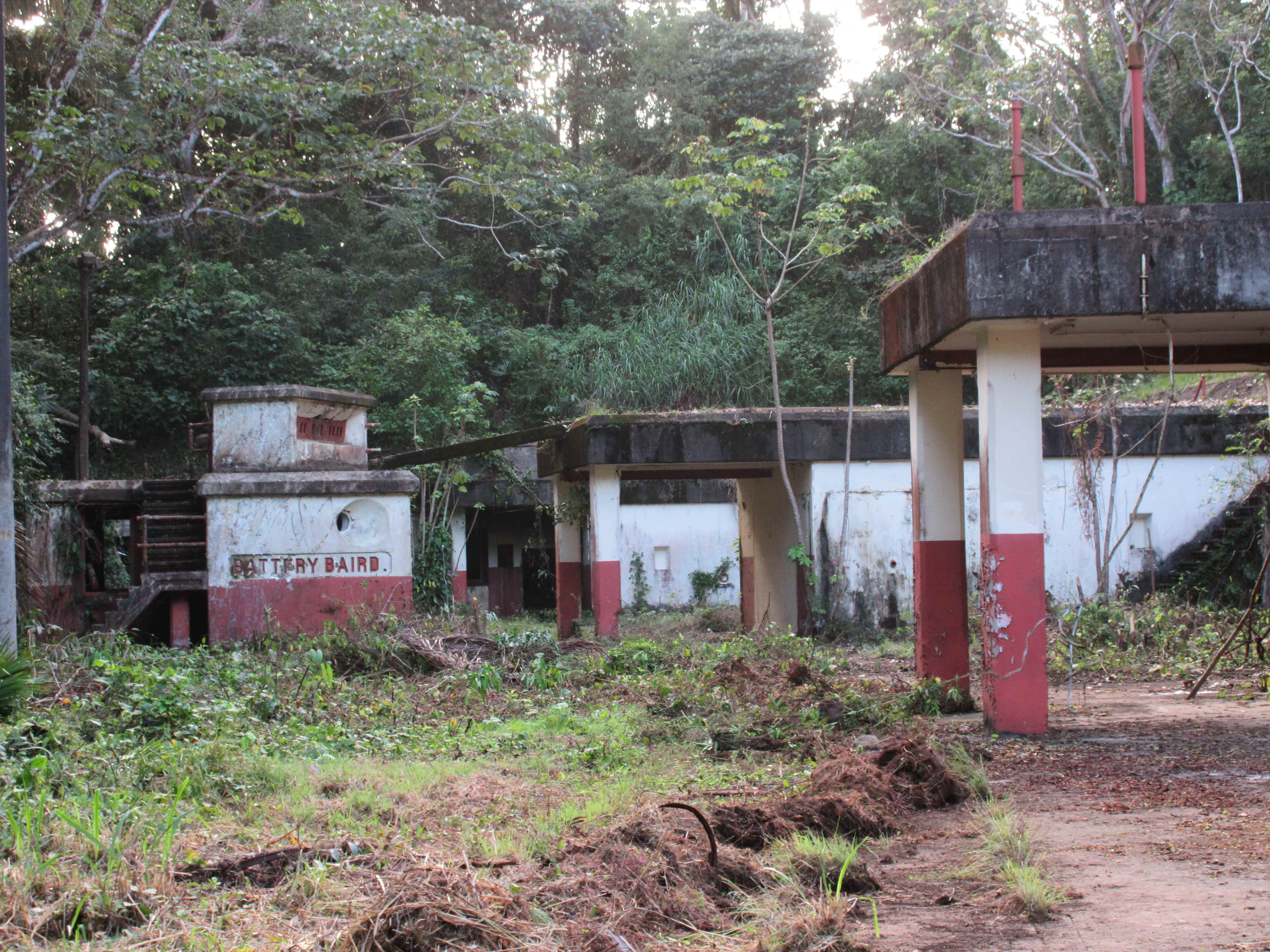
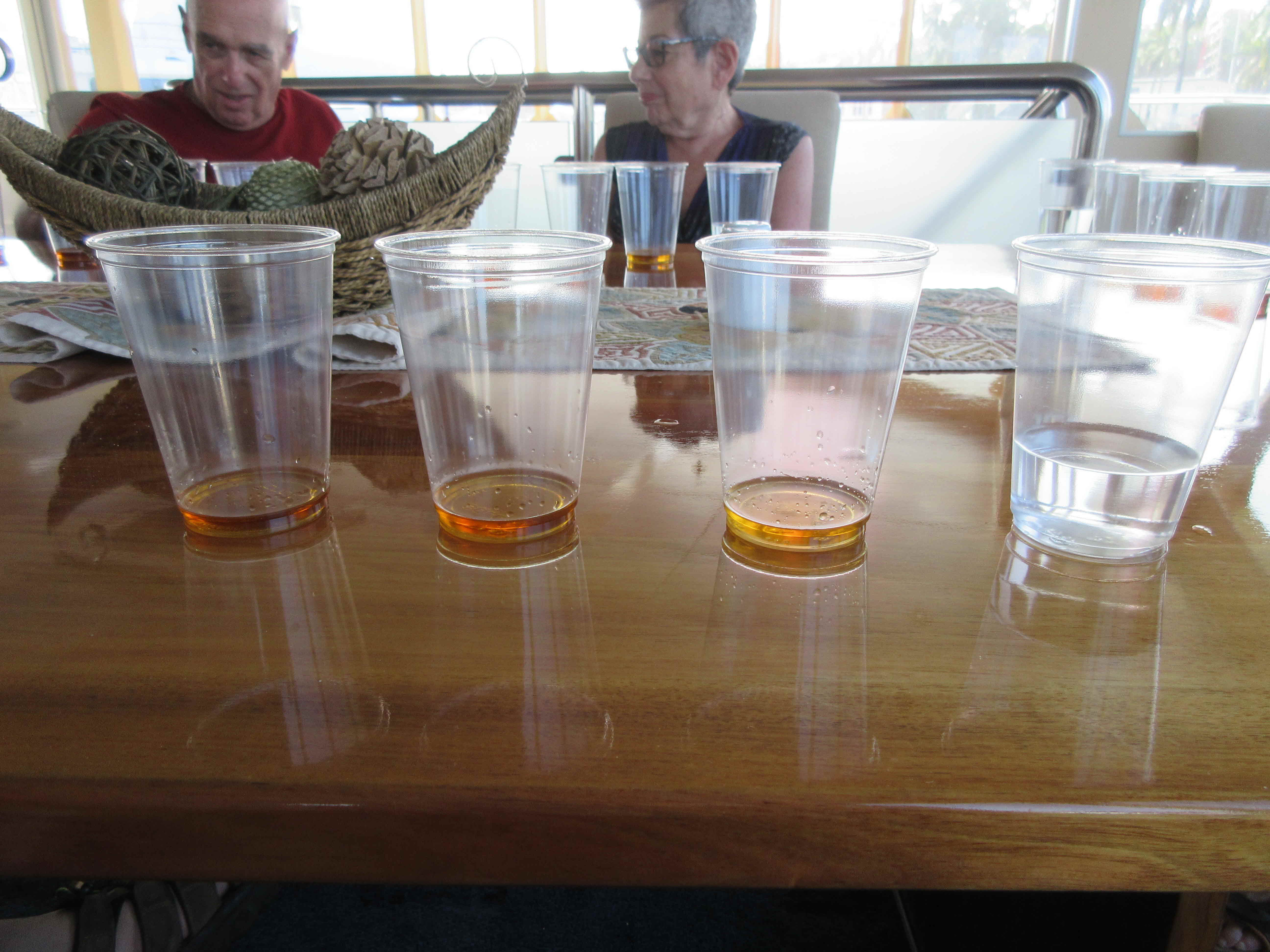
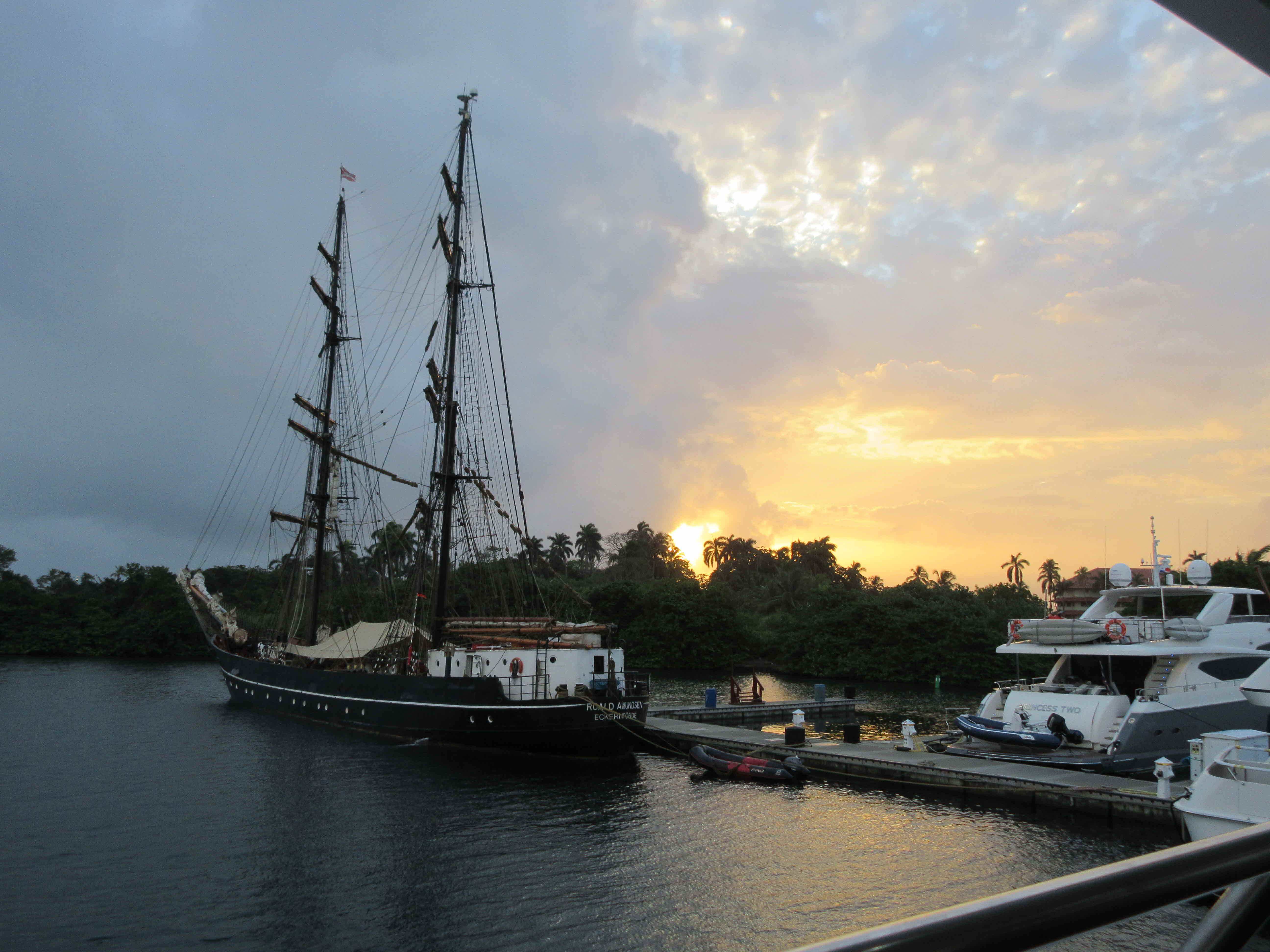
We docked at a small marina about 10 miles from Colona, an old town. There was a large old sail boat also docked here. We took a short walk where we saw a church and an army battery and bunker. Both were abandoned by the U.S. in the 1990s. It is amazing to see how fast the jungle will take over when it is not kept at bay. Later that evening we had a rum tasting – 3 different agings.
-
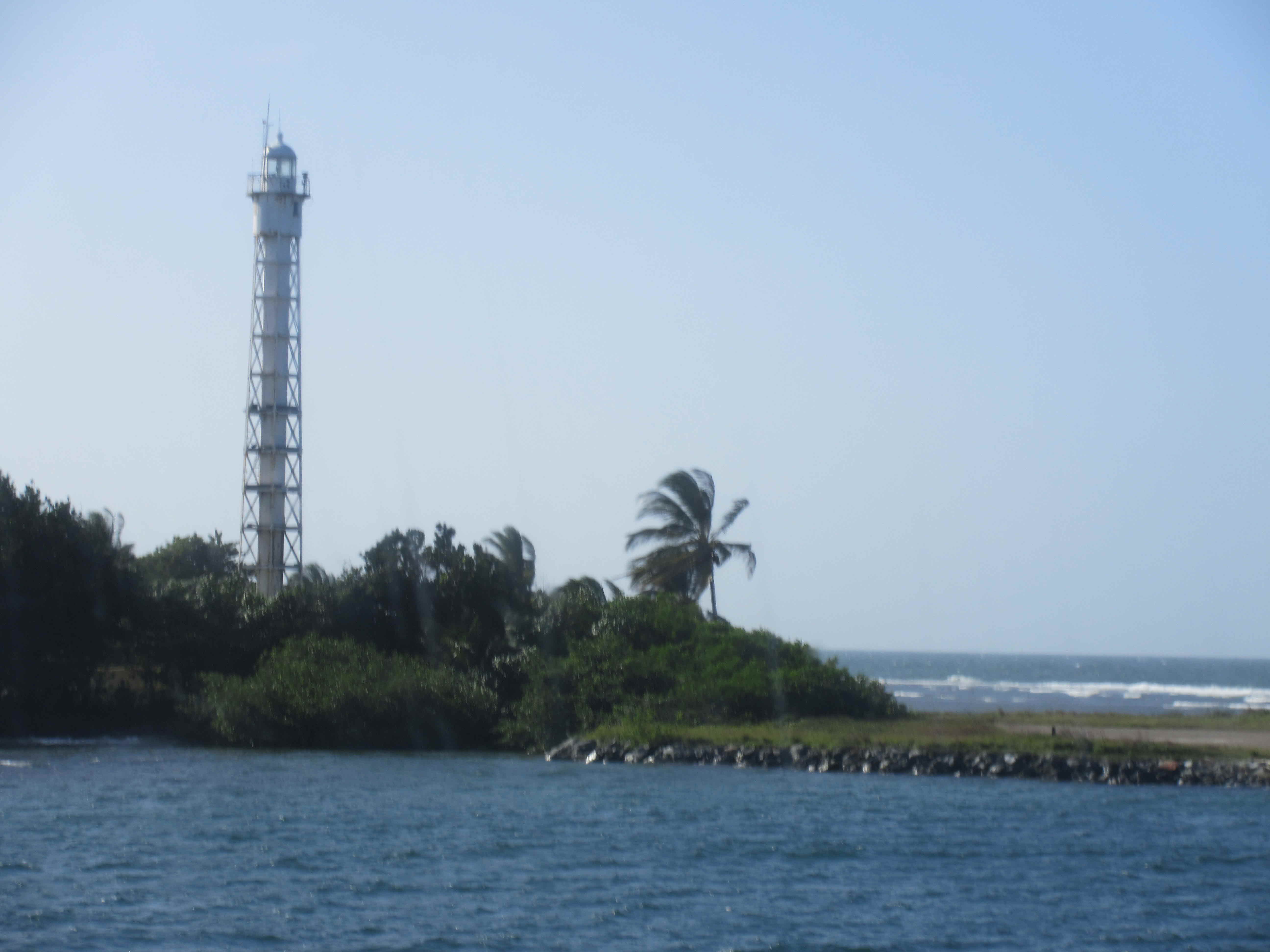
- entering bay
-
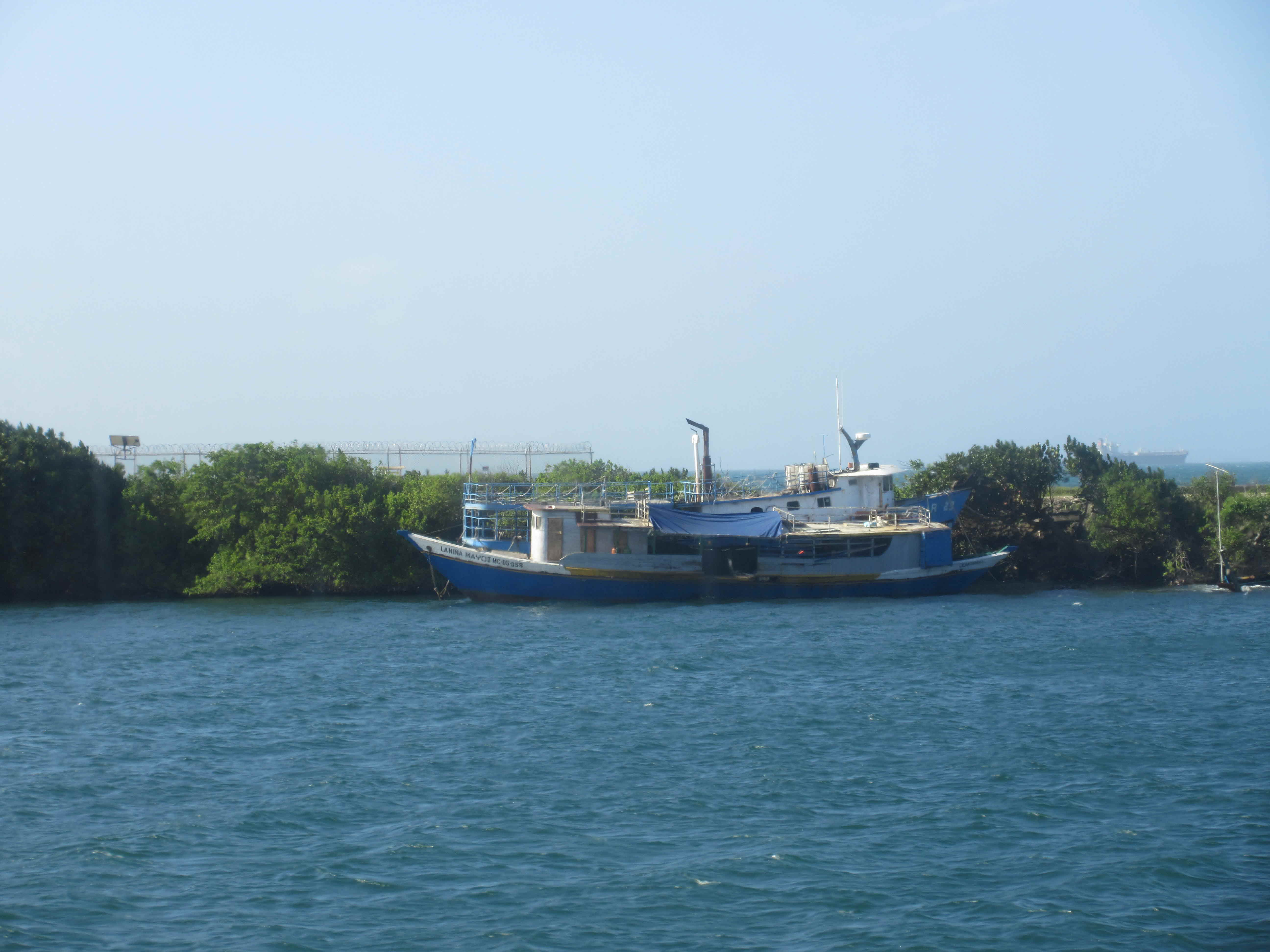
- “older” boat
-
- tall sail boat
-
- jungle reclaiming road
-
- church
-
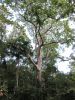
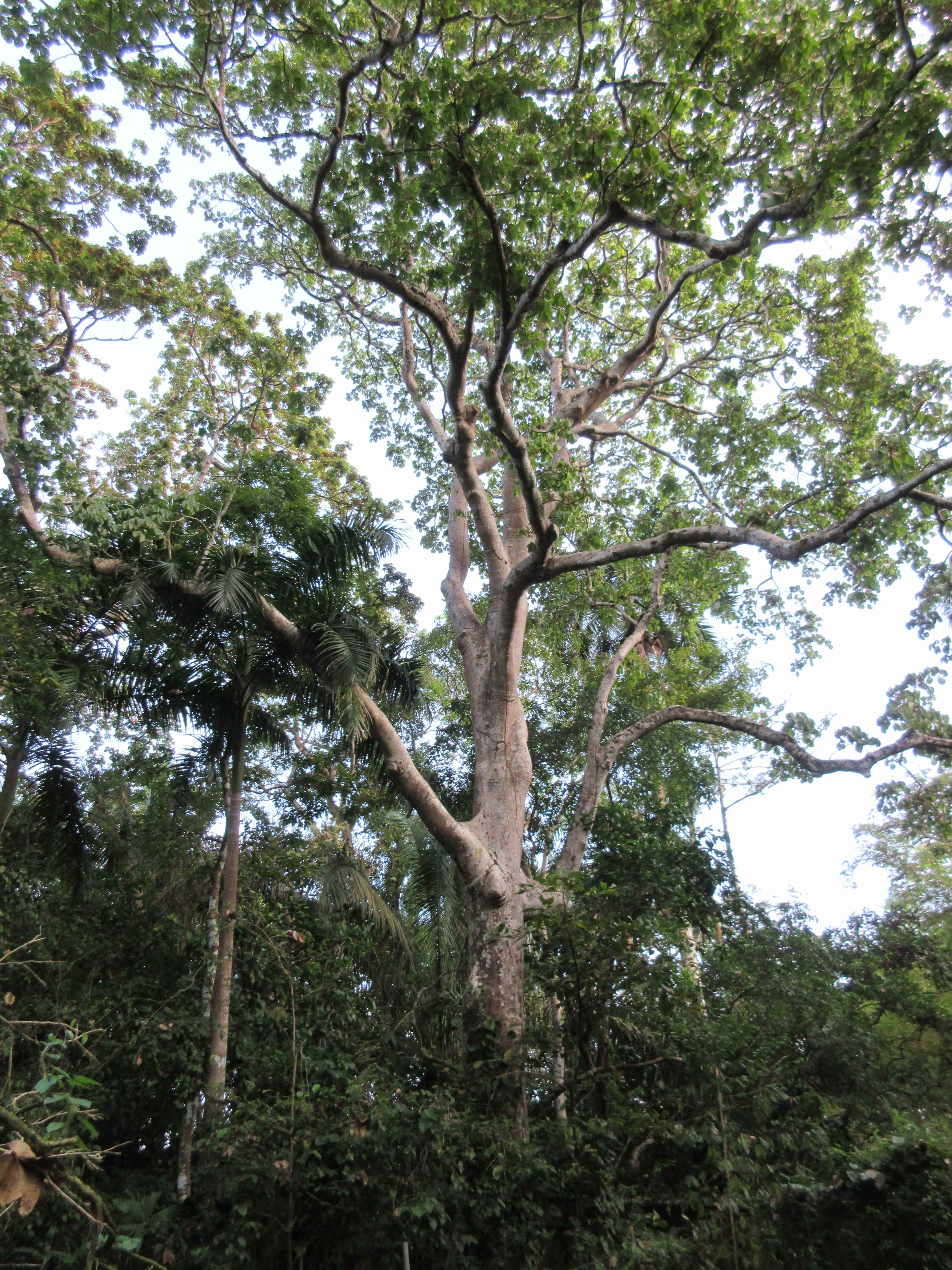
- Panama tree
-
- jungle reclaiming buildings
-
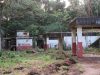
- military battery
-
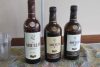
- rum

-
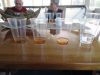
- tastings
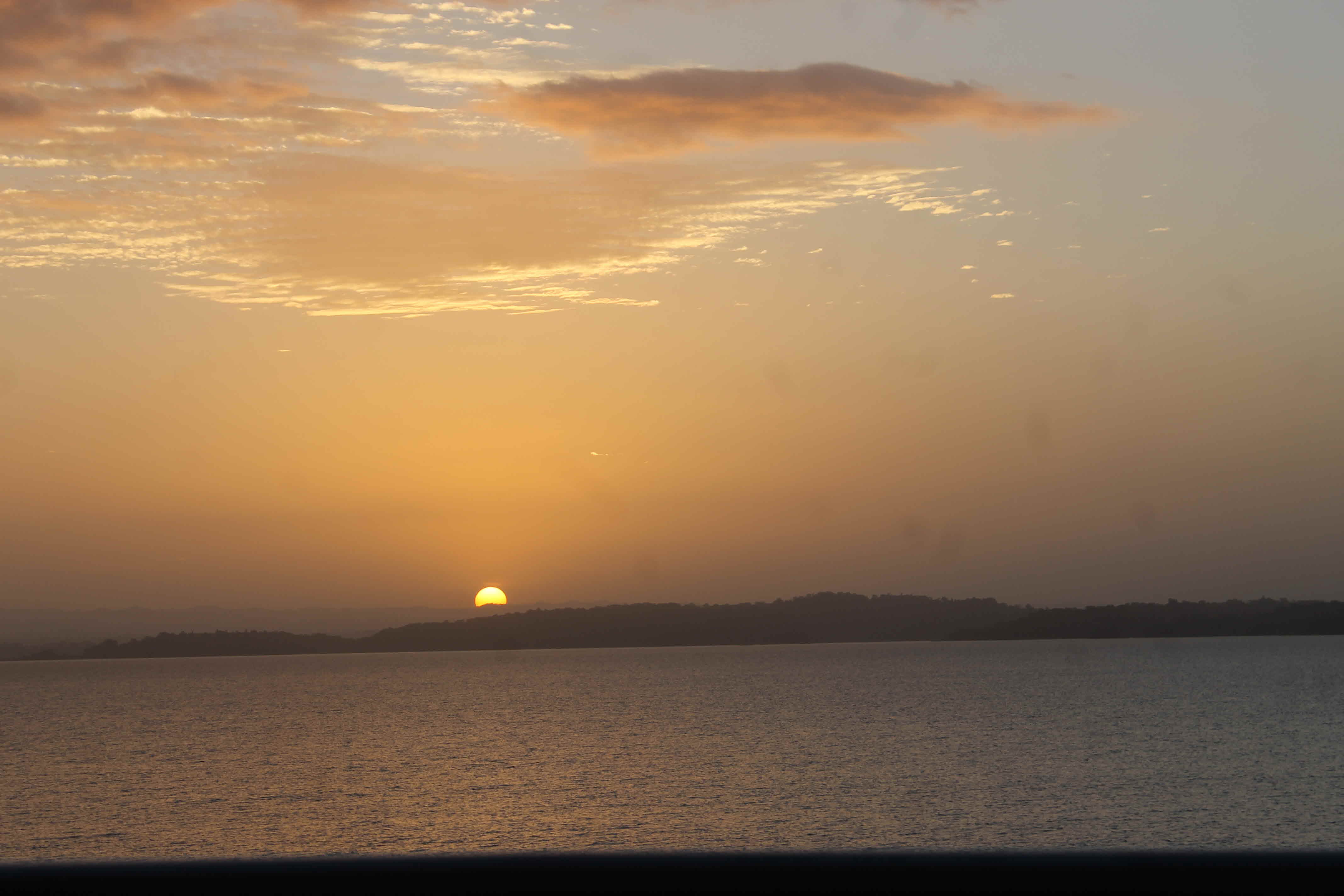
The next morning our bus picked us up to bring us back to Panama City. It is only 50 miles between the two ends of the canal.
-
- sunrise
-
- sunrise
-
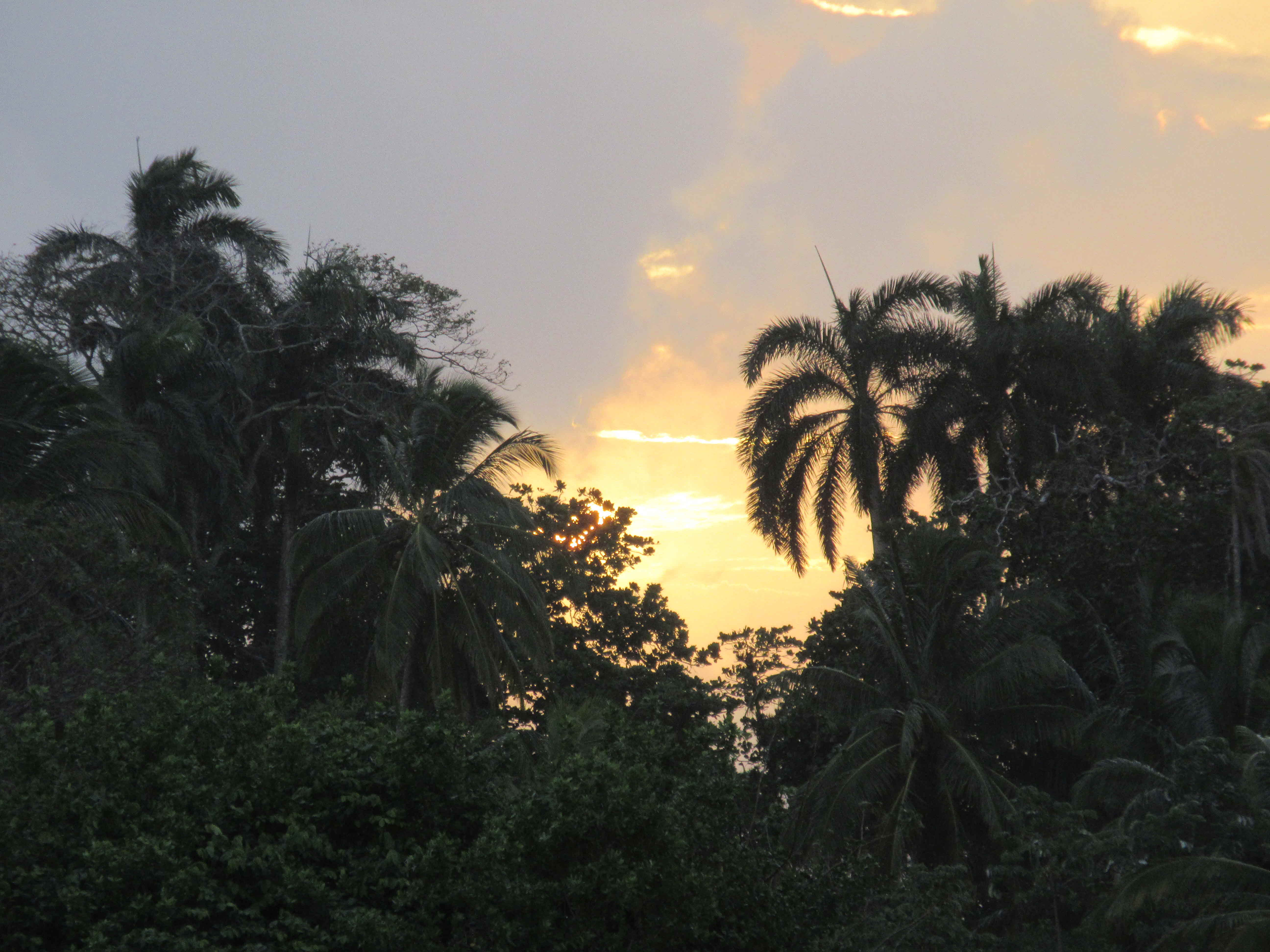
- sunrise
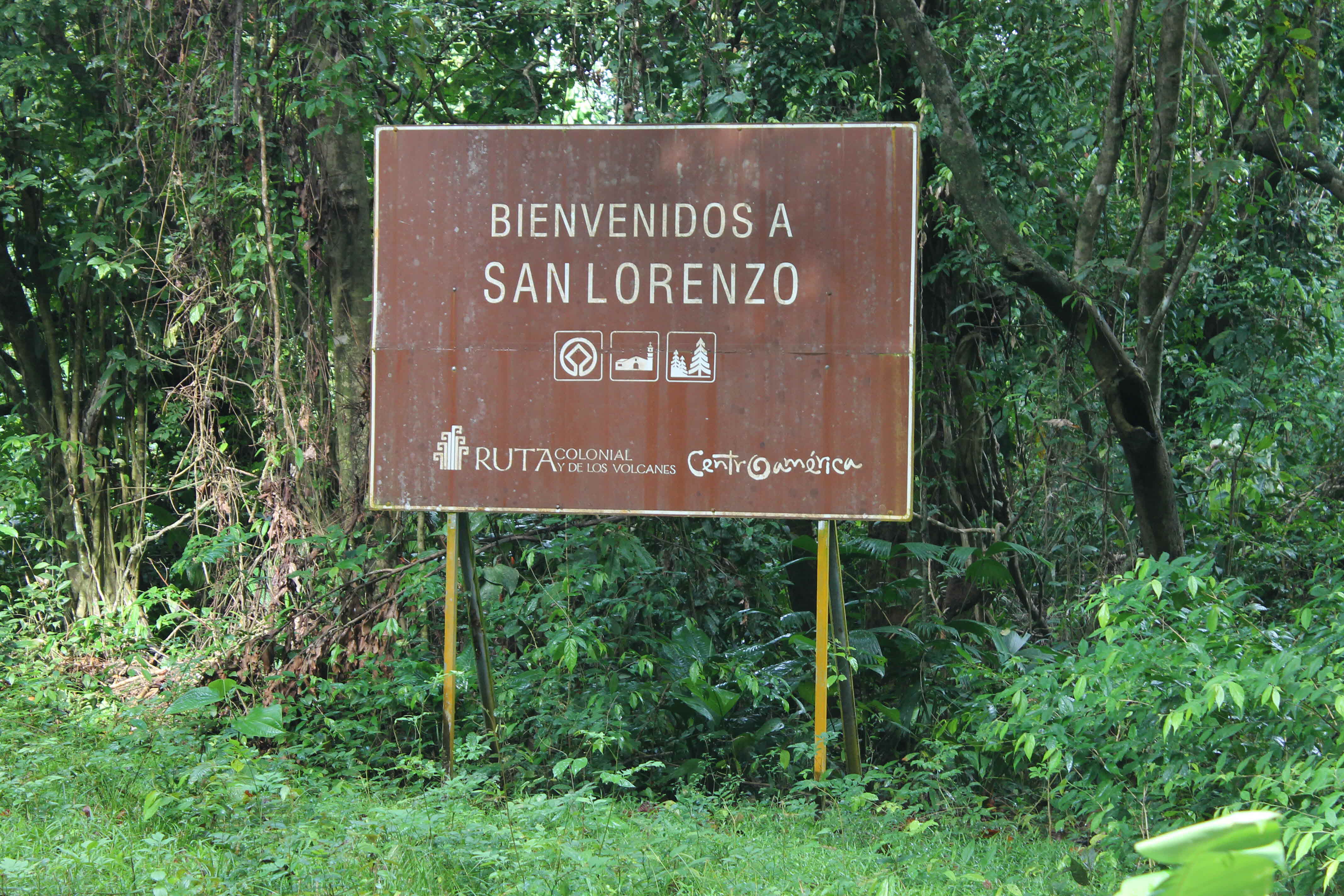
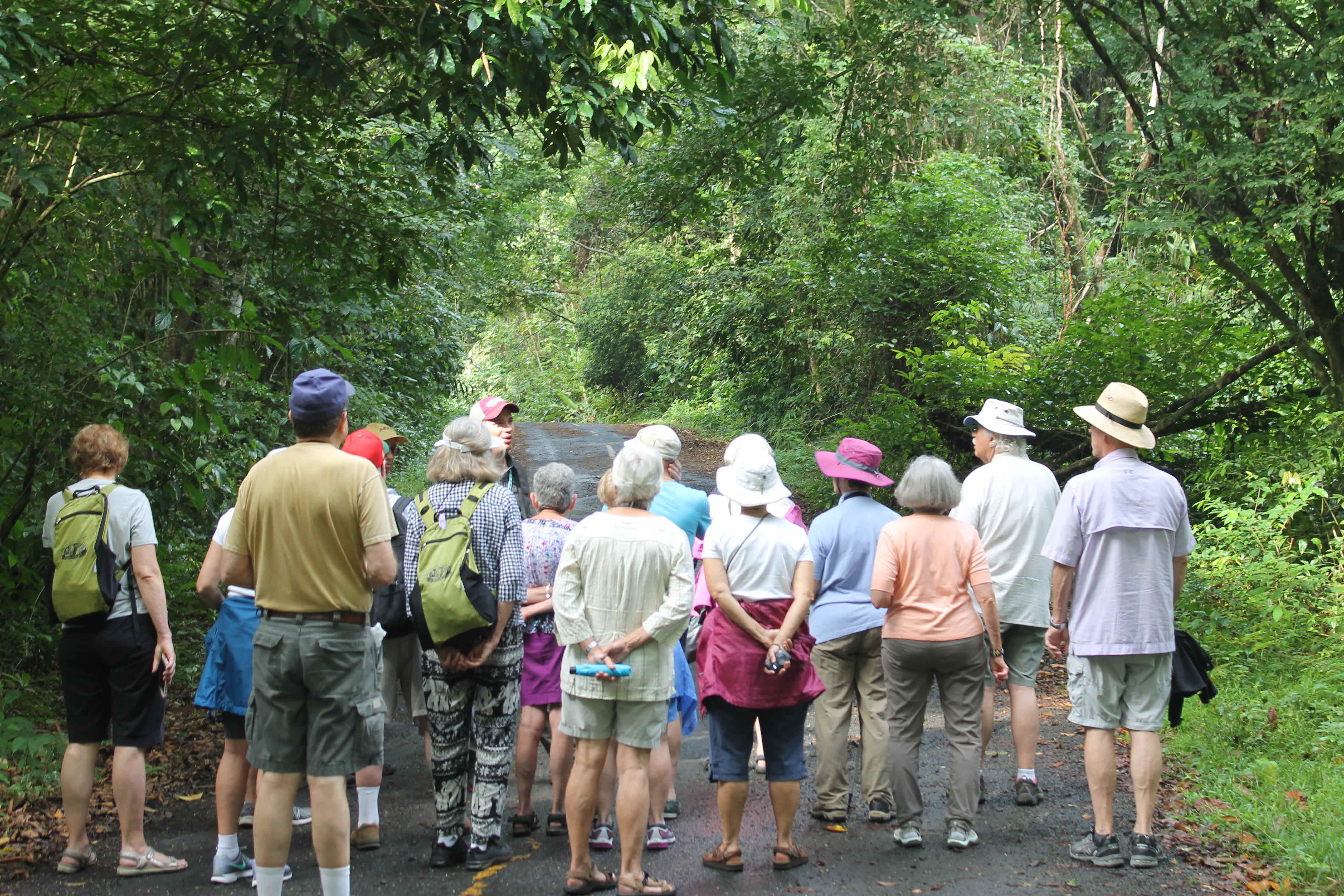
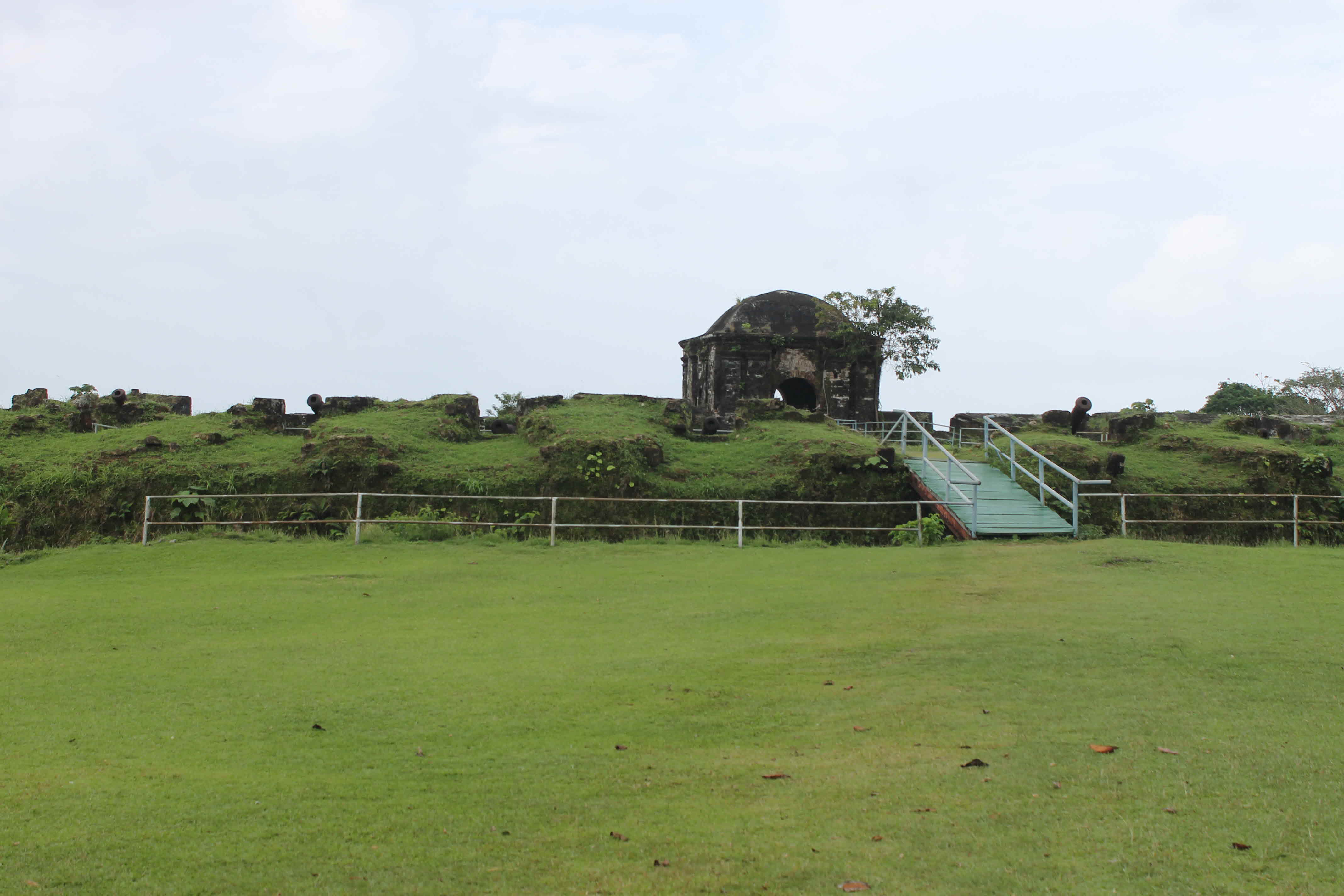
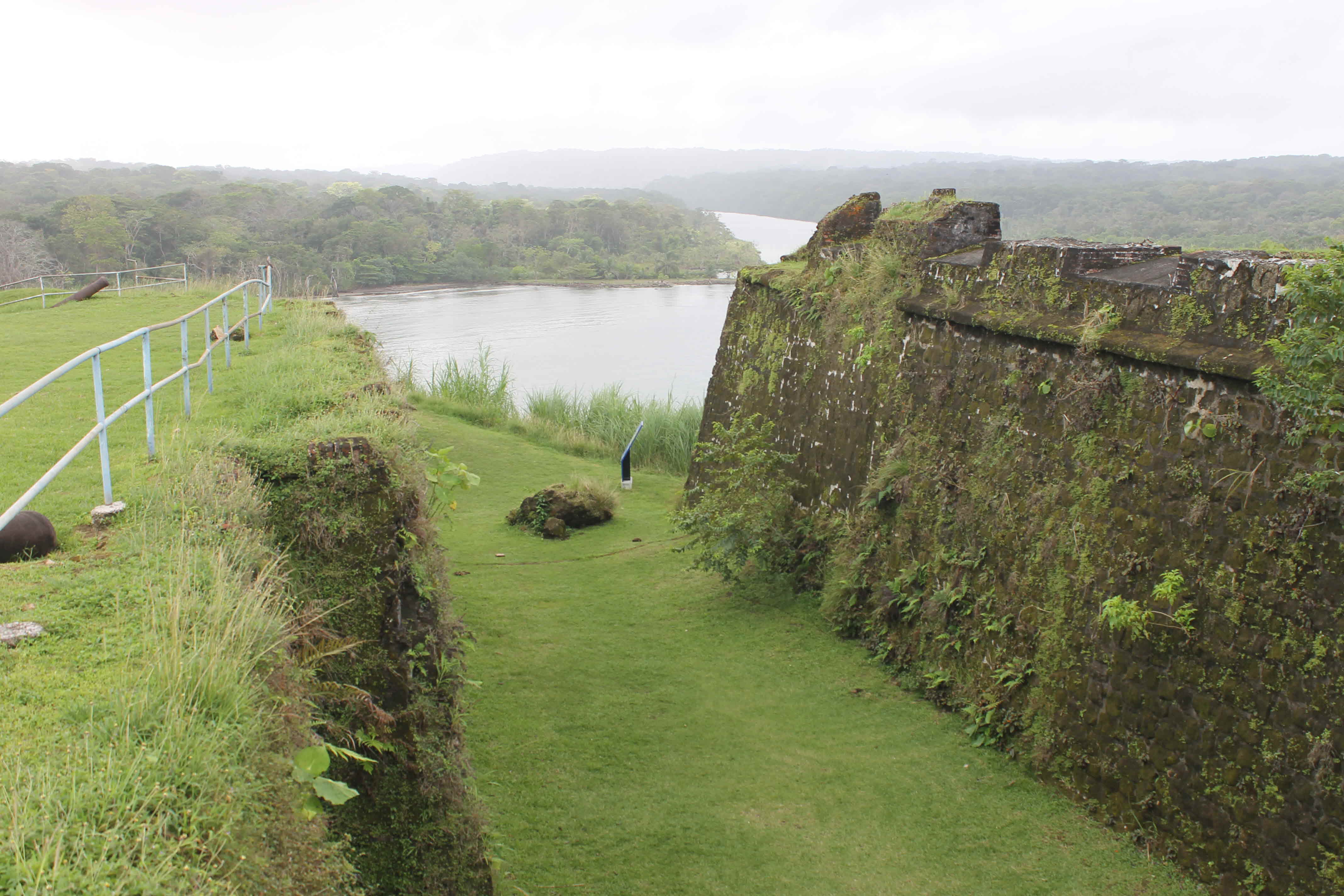
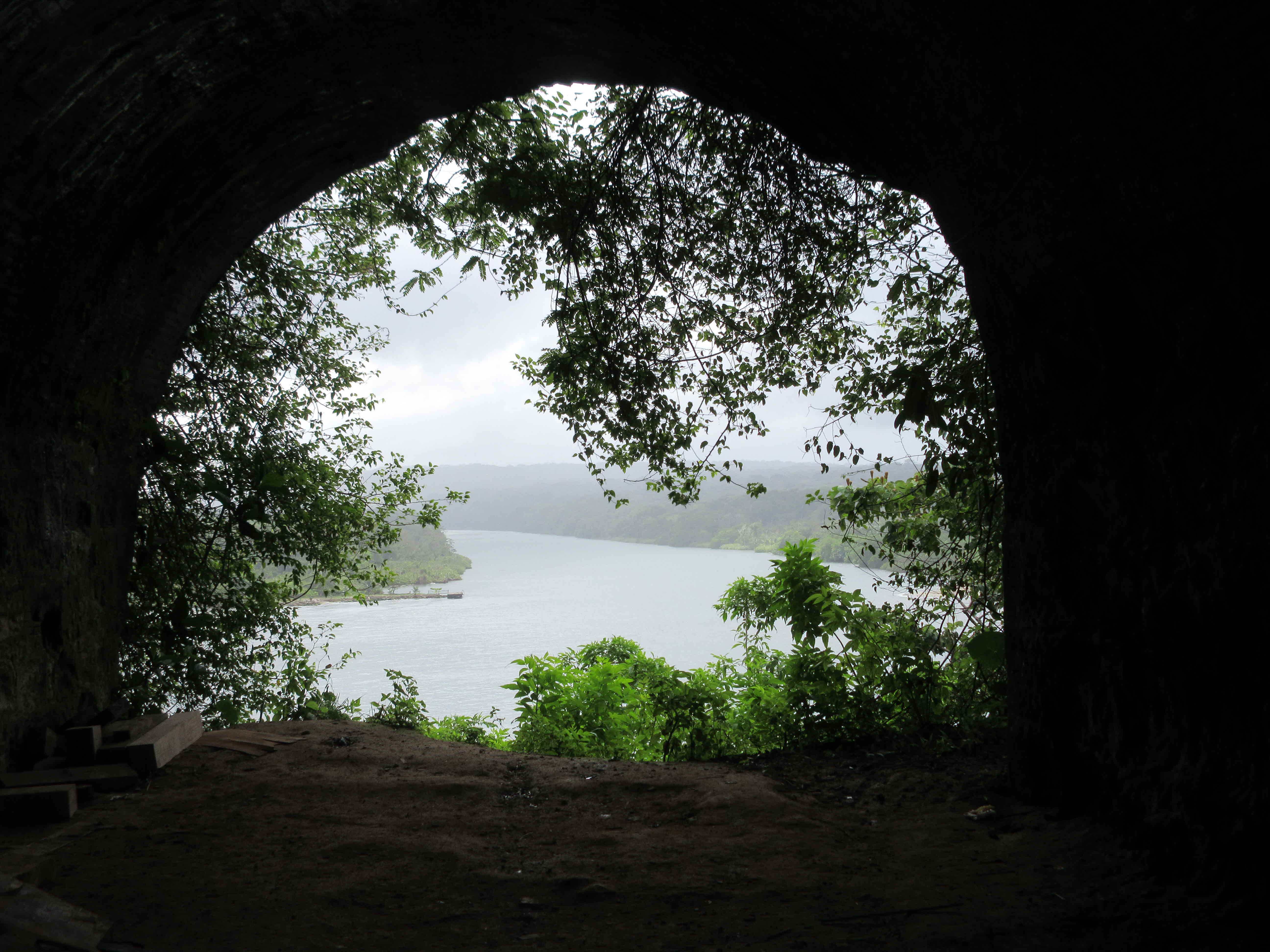
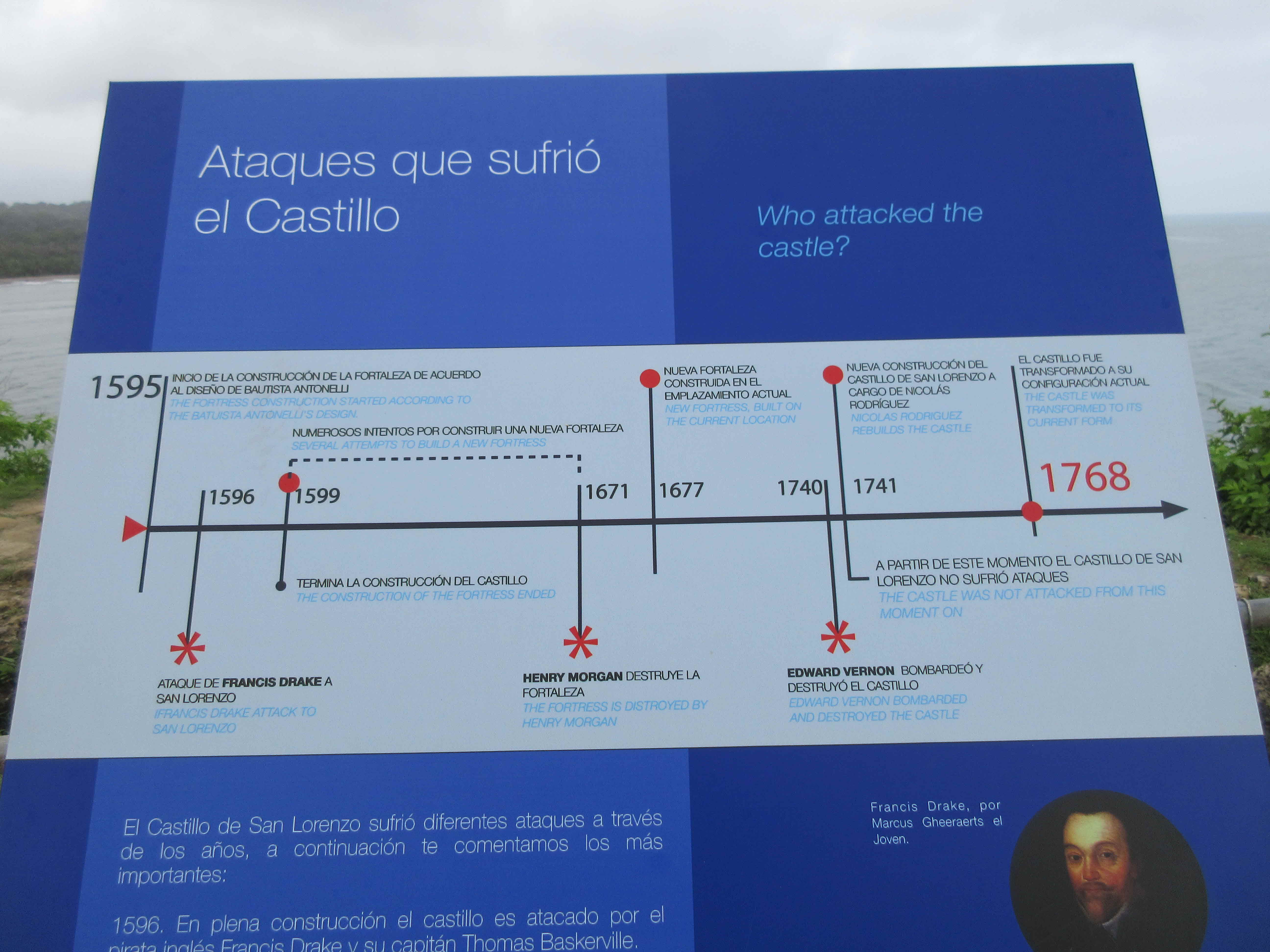
We stopped at Fort San Lorenzo, a preserved colonial military structure at the mouth of the Chagres River. On the road we saw both howler and capuchin monkeys. (However, no photos!)
-
- San Lorenzo fort
-
- road towards fort

-
- group with guide
-
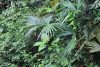
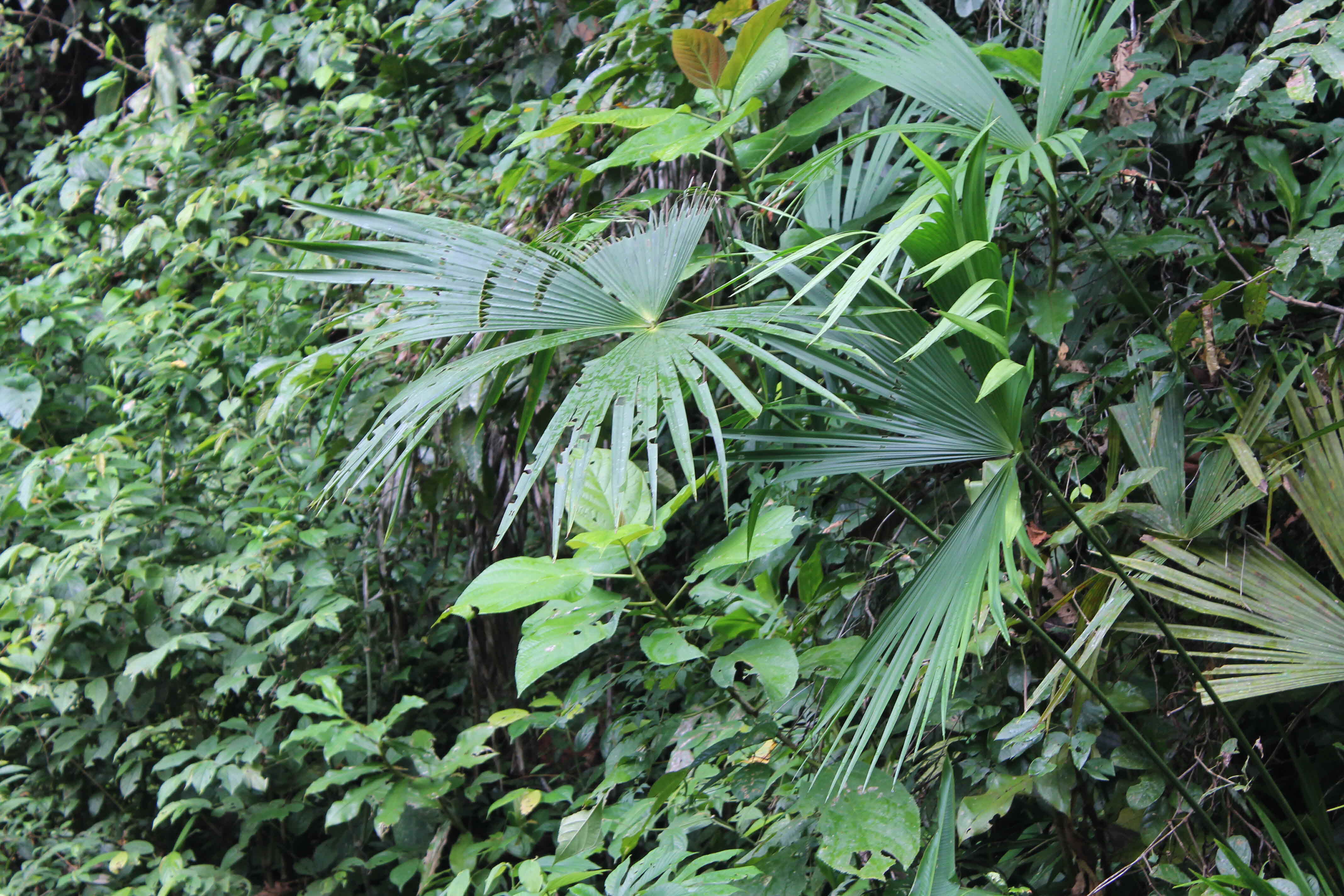
- jungle
-
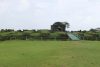
- fort with drawbridge
-
- moat

-
- moat
-
- fort
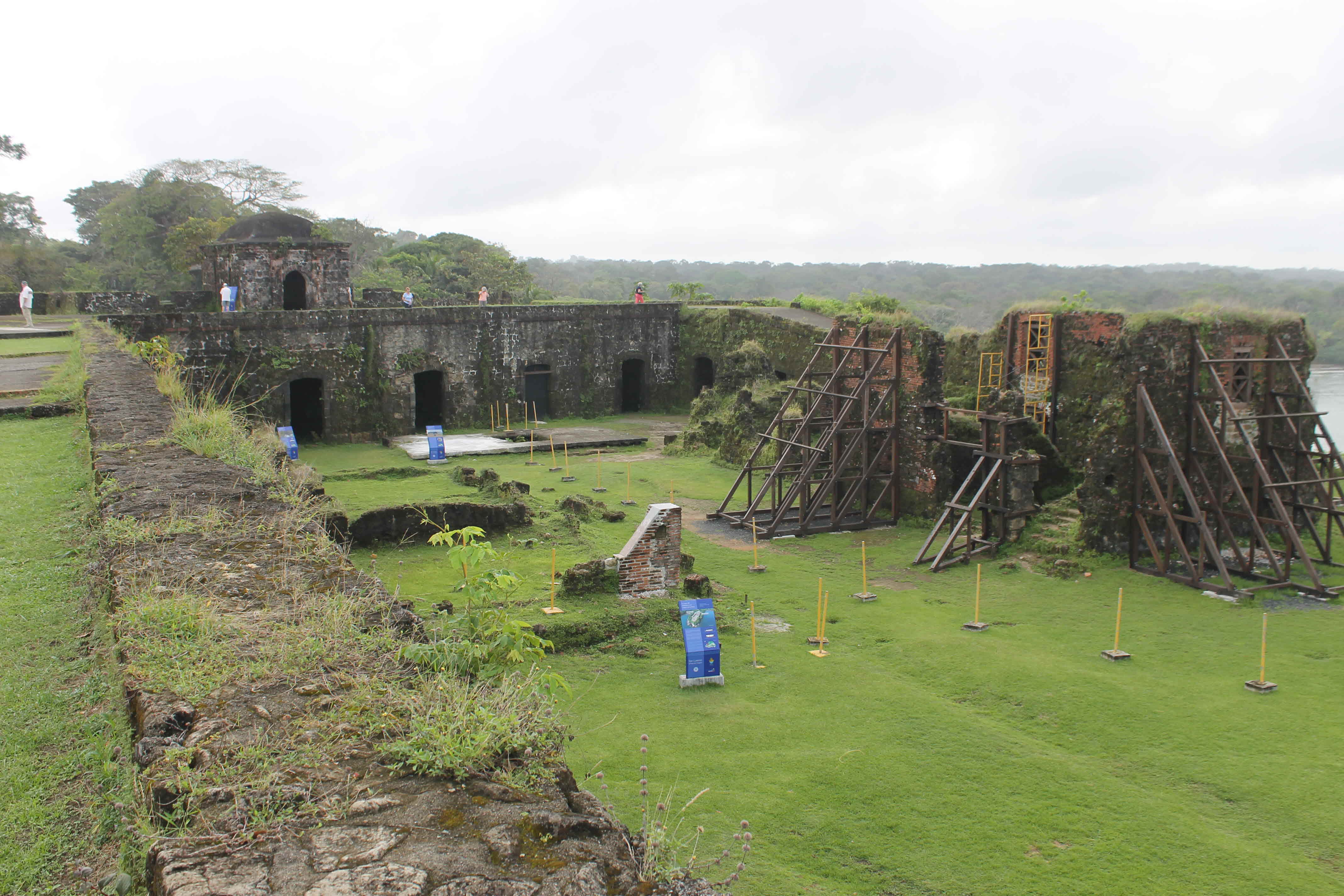
-
- lookout to Caribbean
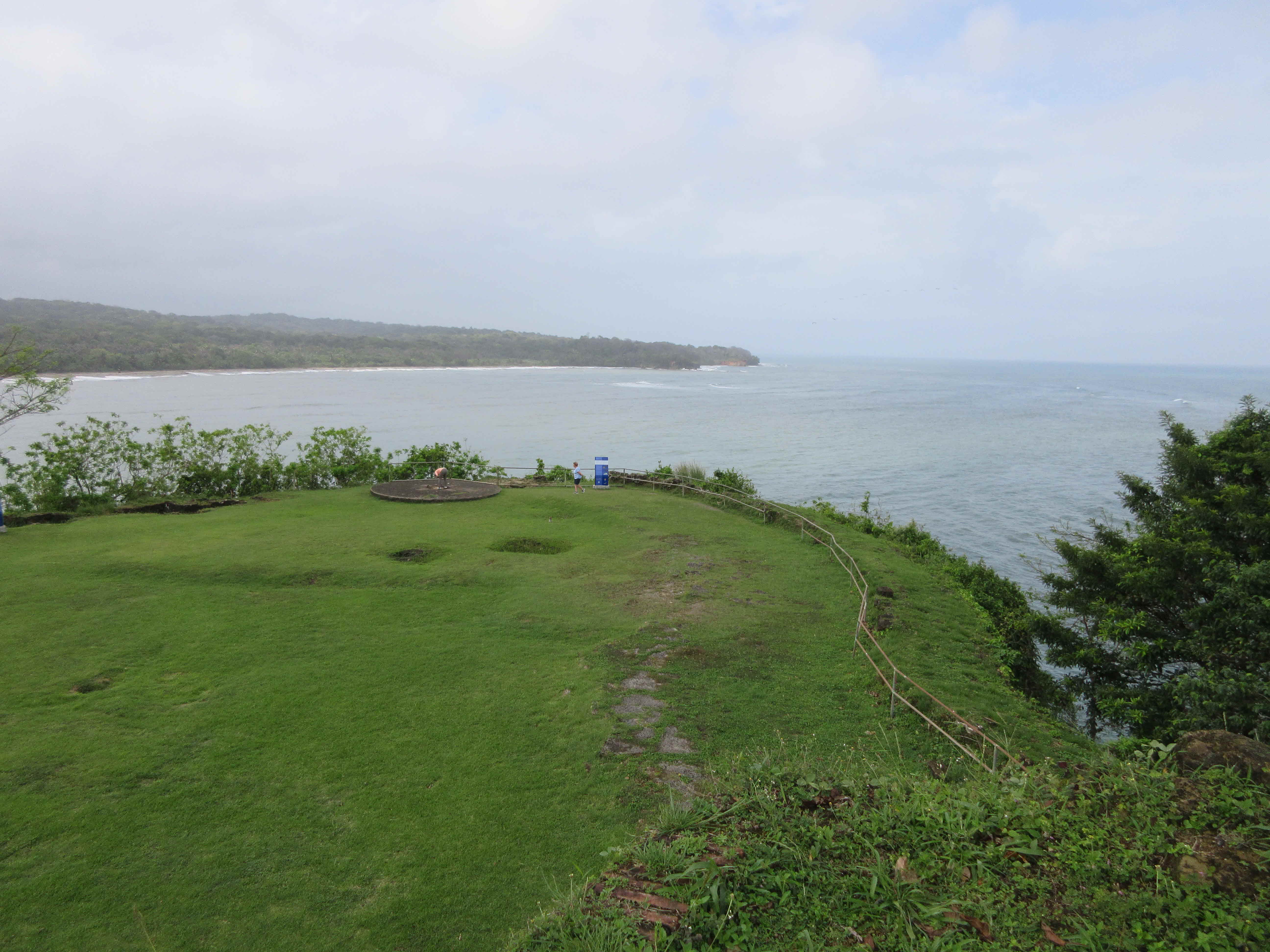
-
- Chagras River

-
- fort
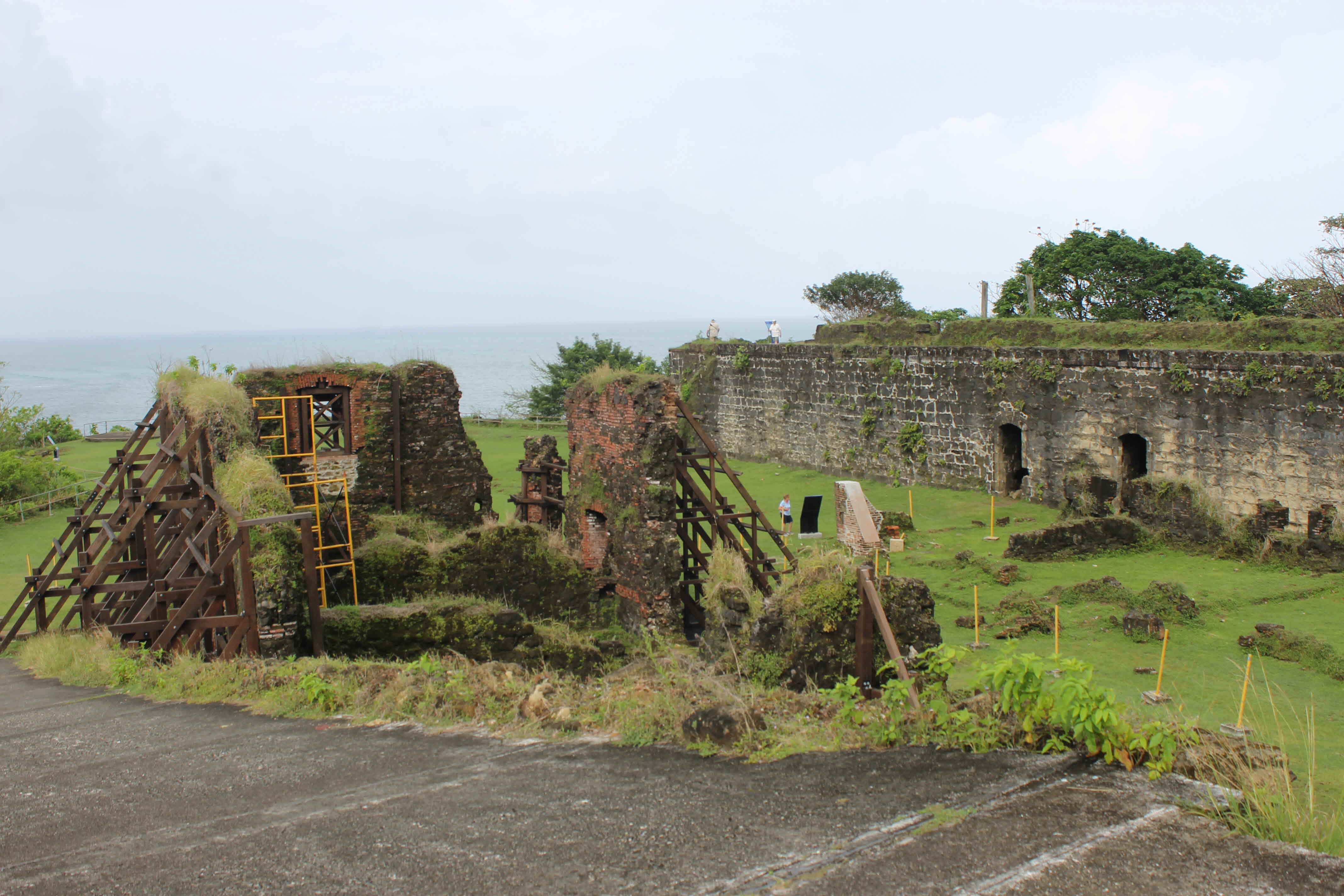
-
- moat
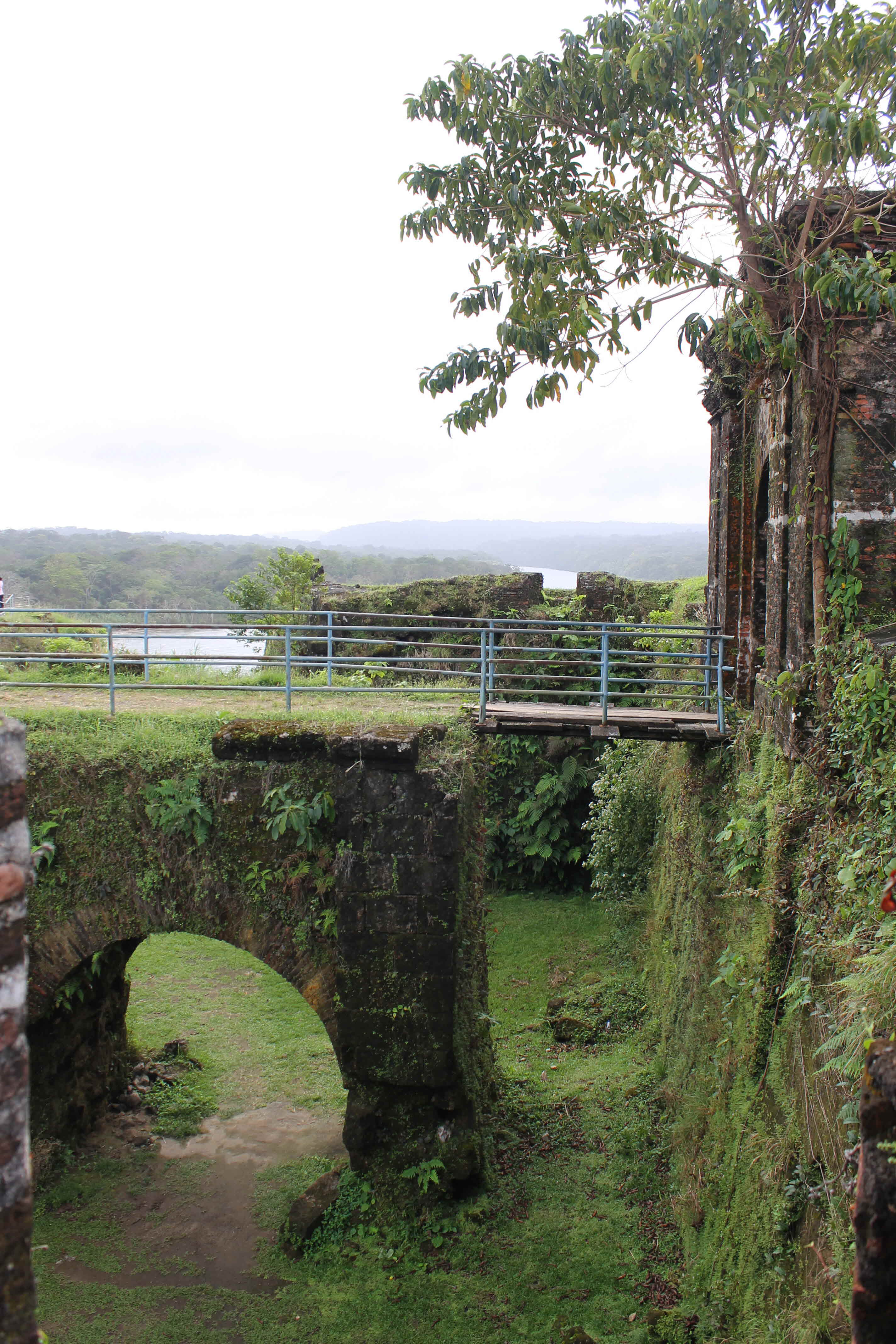
-
- inside fort to Chagras River
-
- Who attacked the castle?
-
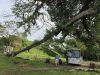
- looooong tree limb

-
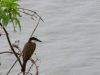
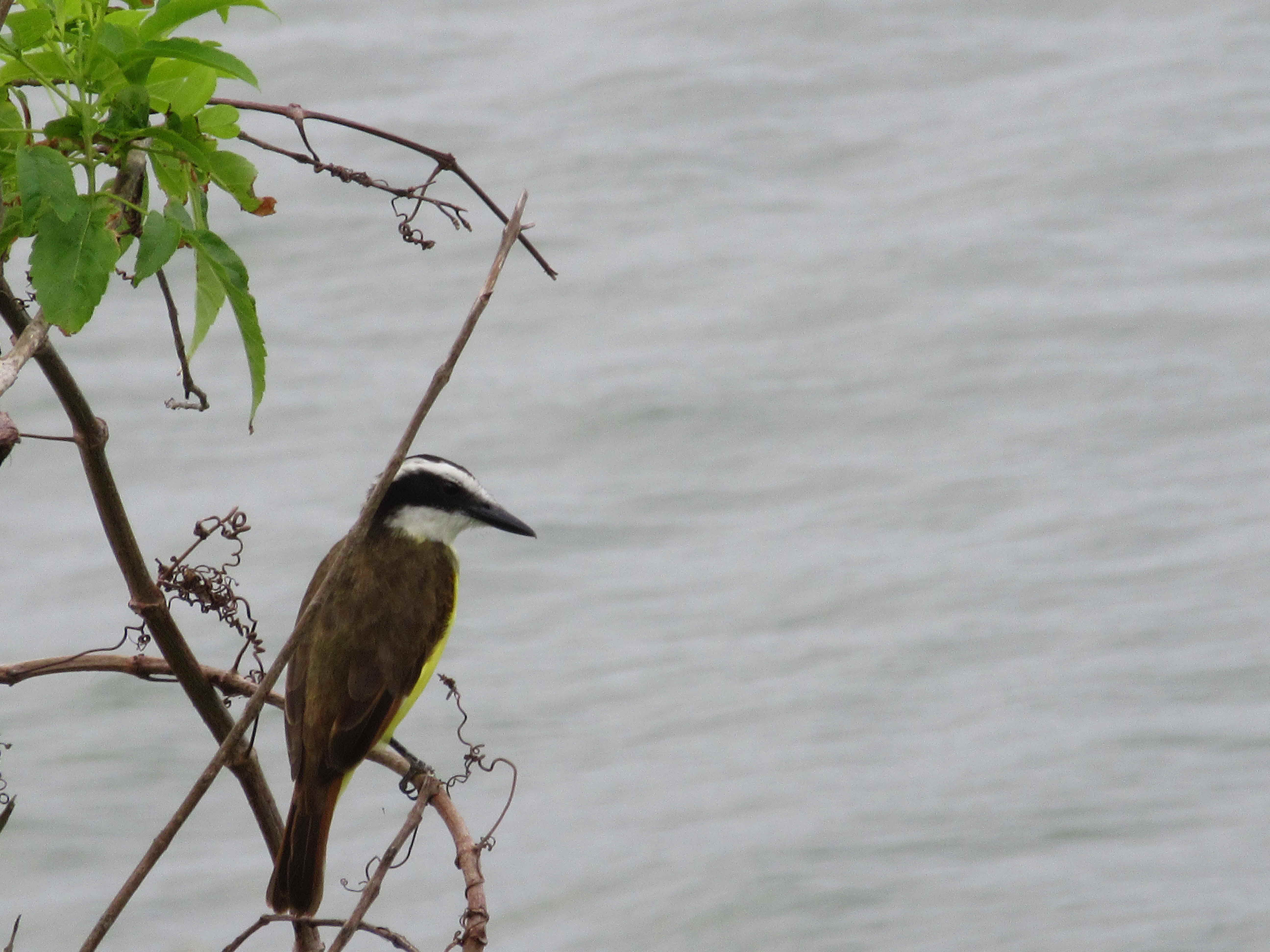
- bird
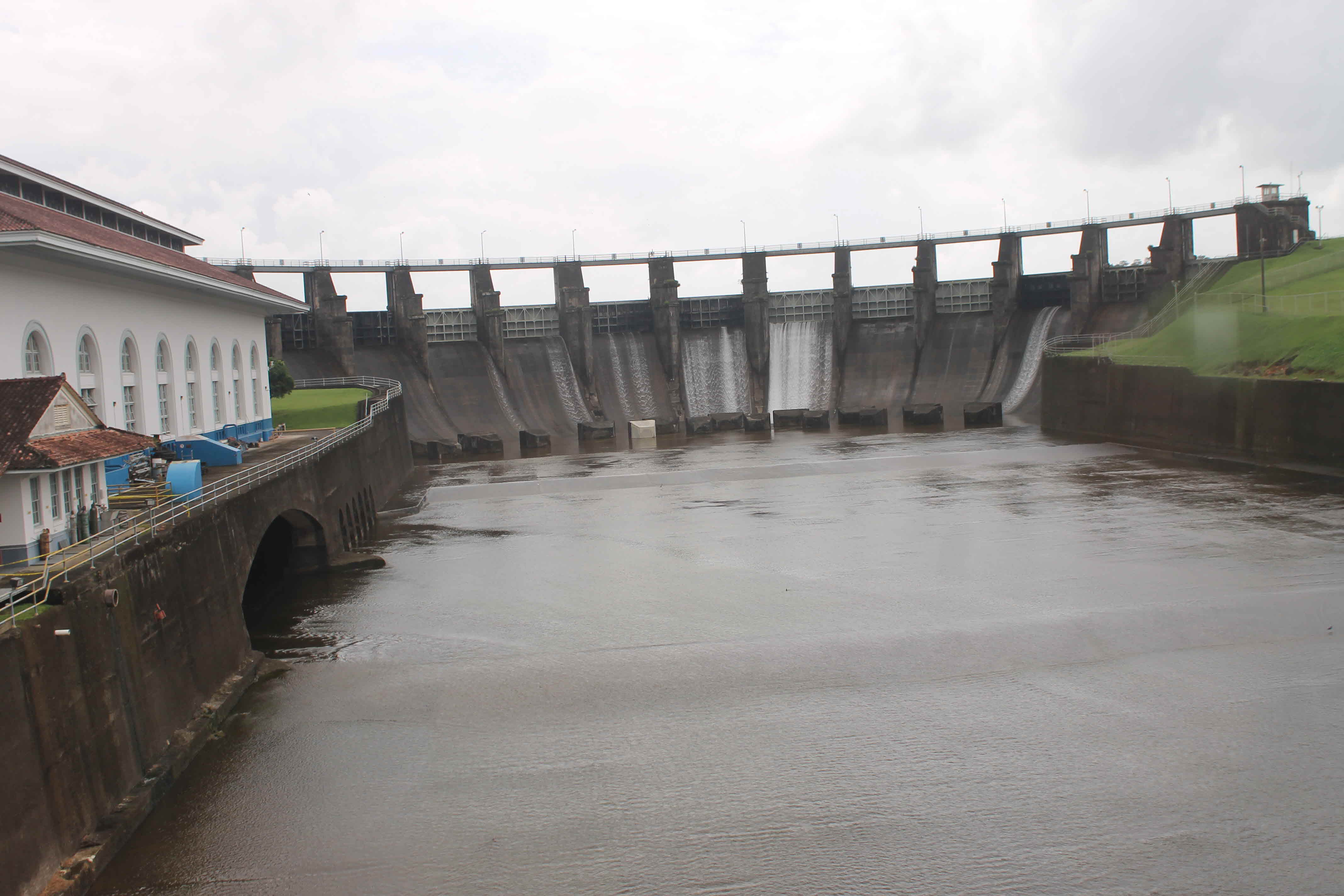
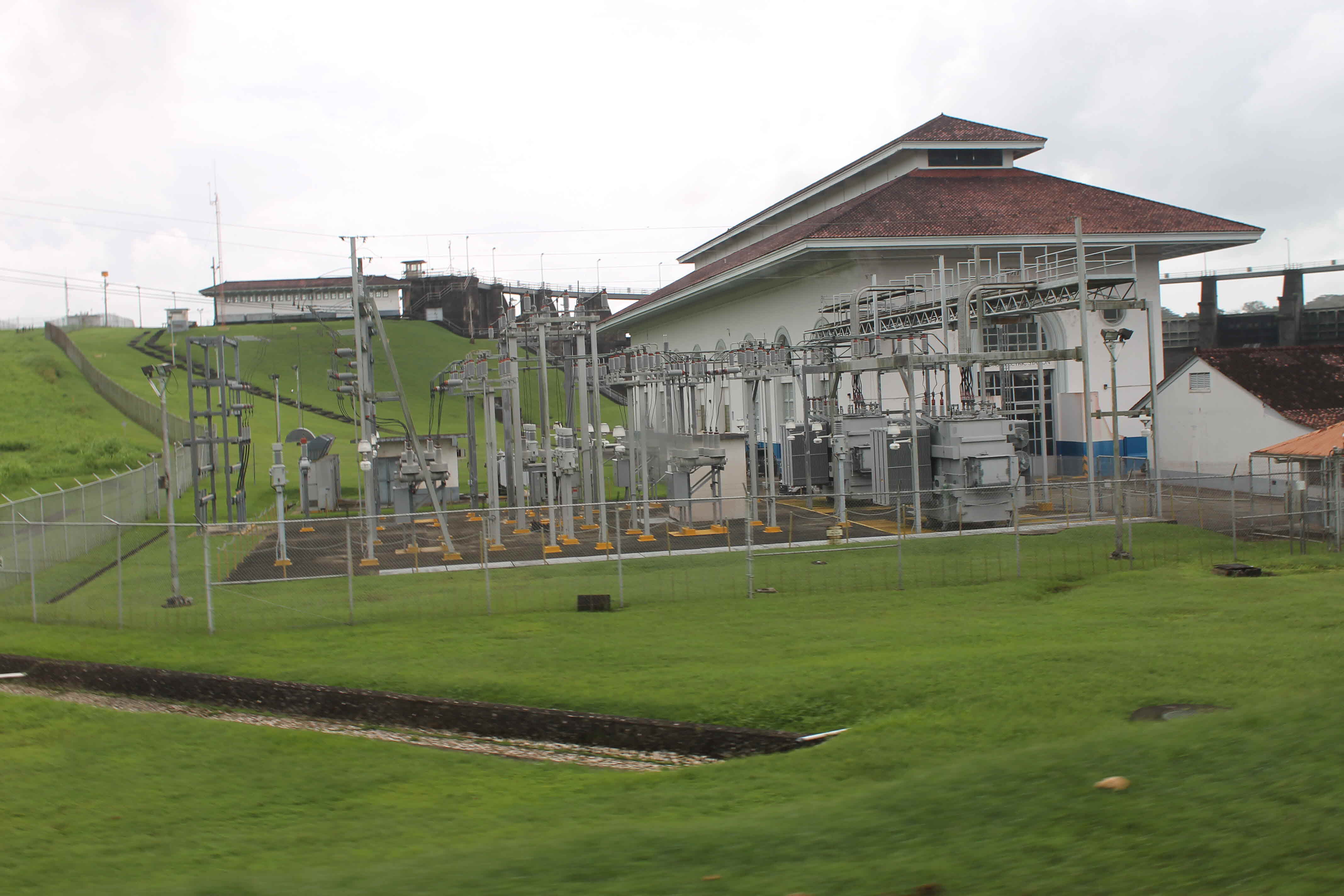
We also saw the Gatun Dam constructed between 1907 and 1913, creating the Gatun Lake, a necessary component of the Canal. When it was built it was the largest earthen dam in the world and the Lake the largest artificial lake in the world. The hydro-electric station generates electricity used to operate the locks and other equipment of the canal.
-
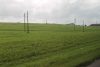
- earthen dam

-
- power
-
- power building

-
- Gatun Dam