Panama City
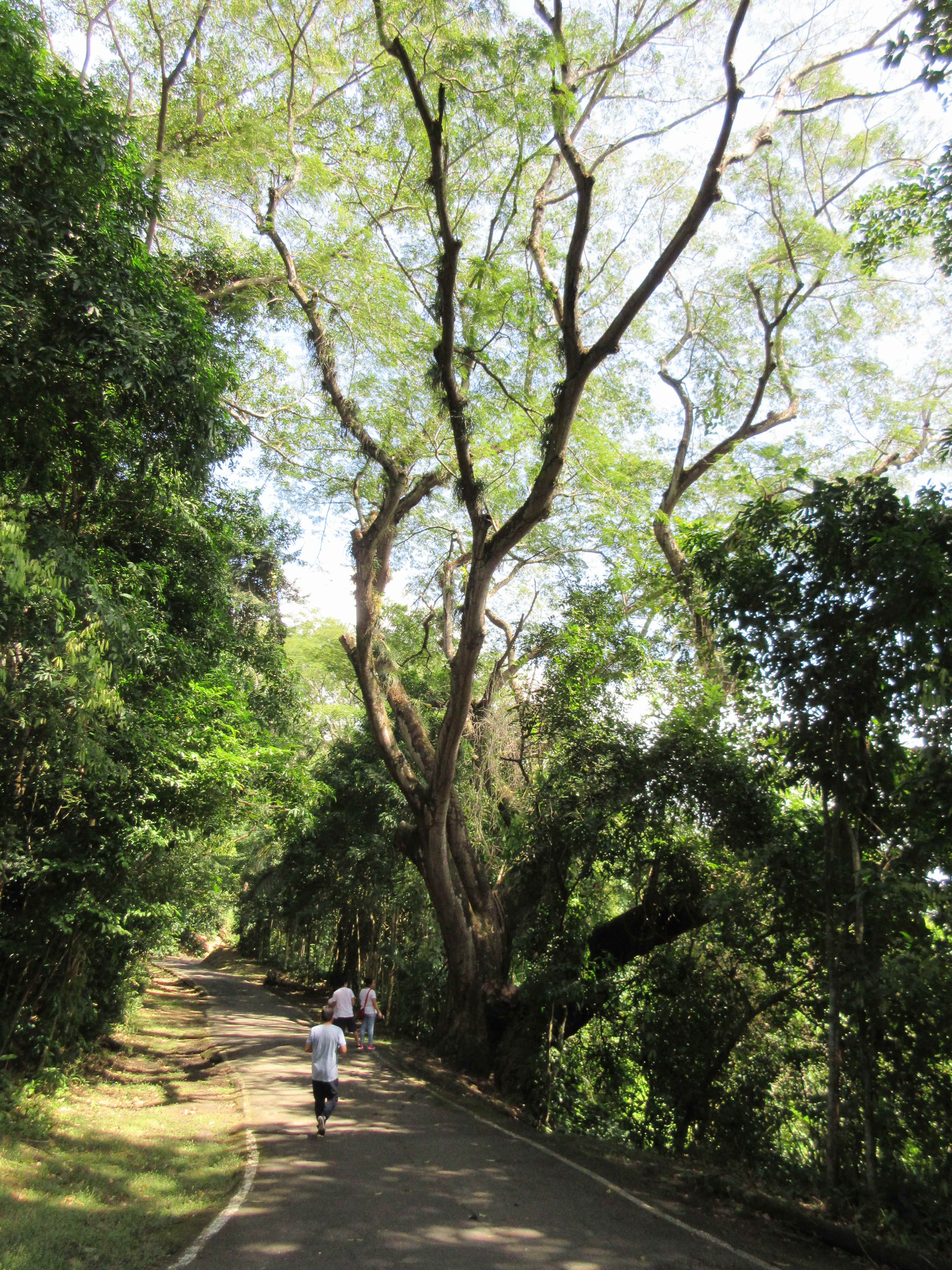
We arrived a day early and spent the first day on our own. We visited Ancon Hill, the highest point in Panama City where we had good views in three directions. Ancon Hill is an area that was used for the administration when building the Panama Canal. We walked through lovely rain forest to the top (about 30 minutes). The Panamanian flag at the top is about the size of a basketball court! The largest flag in Panama. It is a symbol of national sovereignty after the 1977 signing of the Torrijas-Carter treaty which gave the canal land back to Panama. The flag was at half-mast the day we visited because it was a holiday – “Martyrs ’Day”, a national day of mourning. The day commemorates the January 9, 1964 riots over sovereignty of the Panama Canal Zone. The riot started after a Panamanian flag was torn and some students were killed during a conflict with Canal Zone Policy officers and Canal zone residents.
-
- Ancon Hill from across city

-
- road to top
-
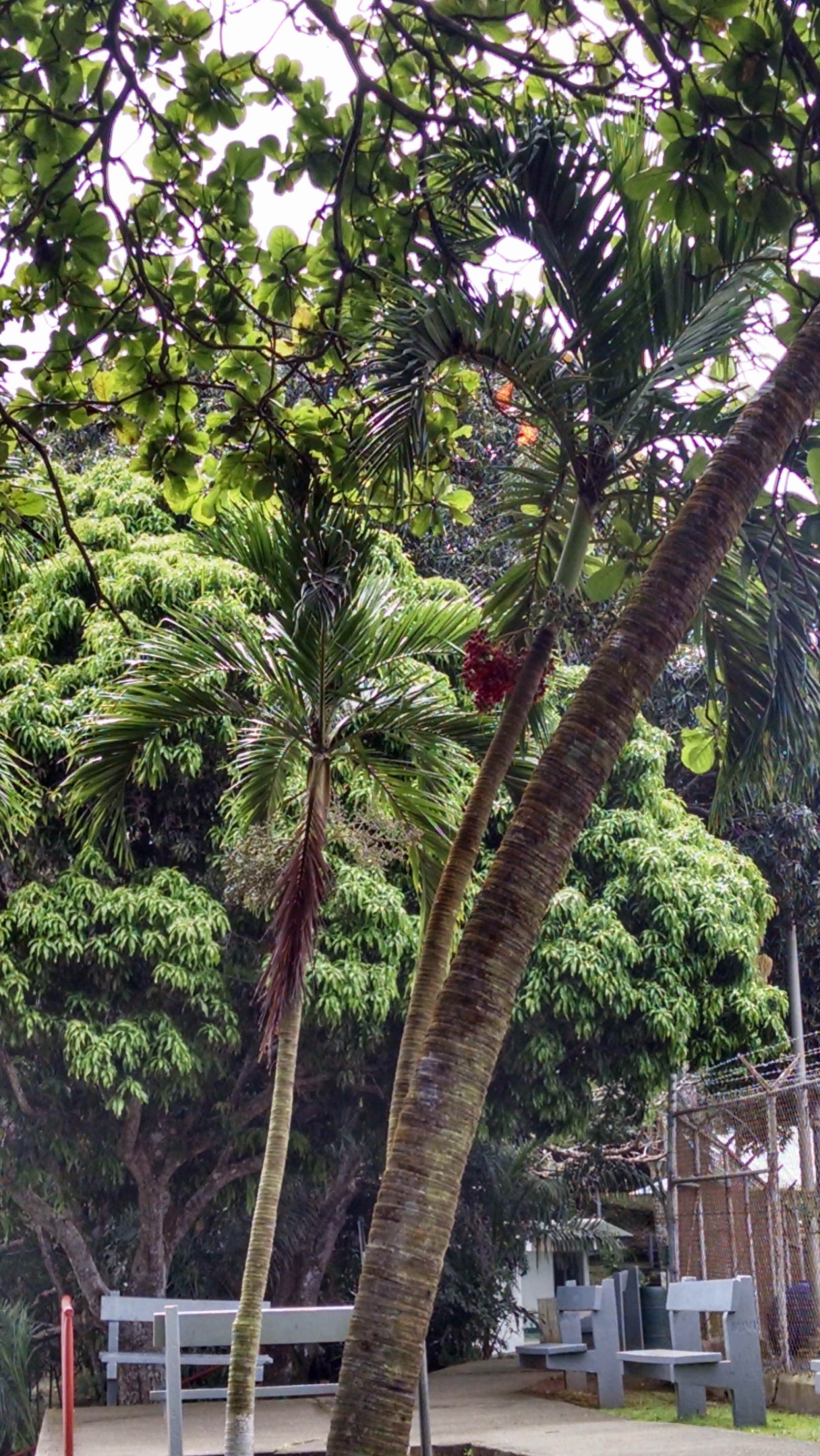
- palm tree along way
-
- city from half way

-
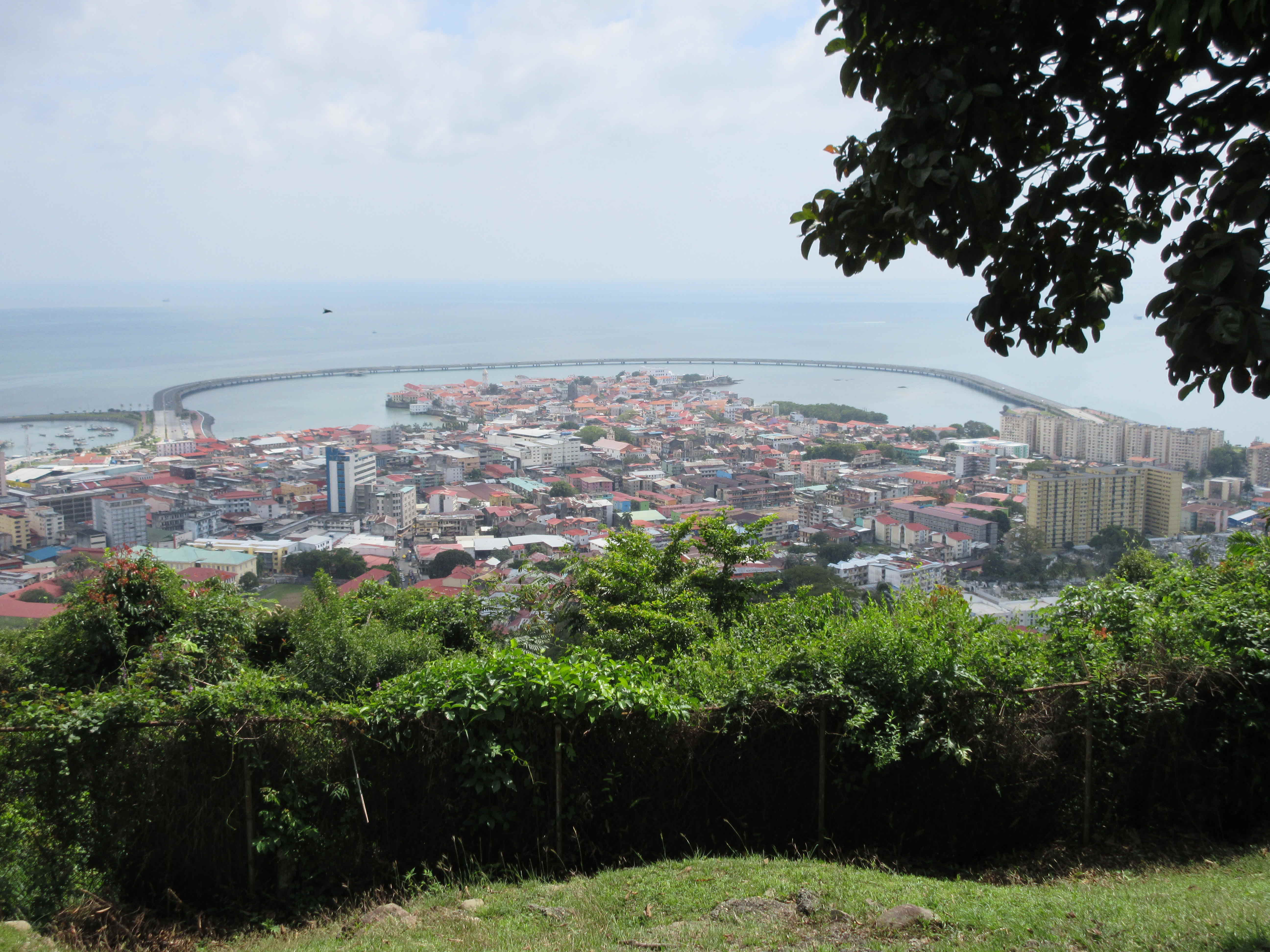
- Balboa – colonial city
-
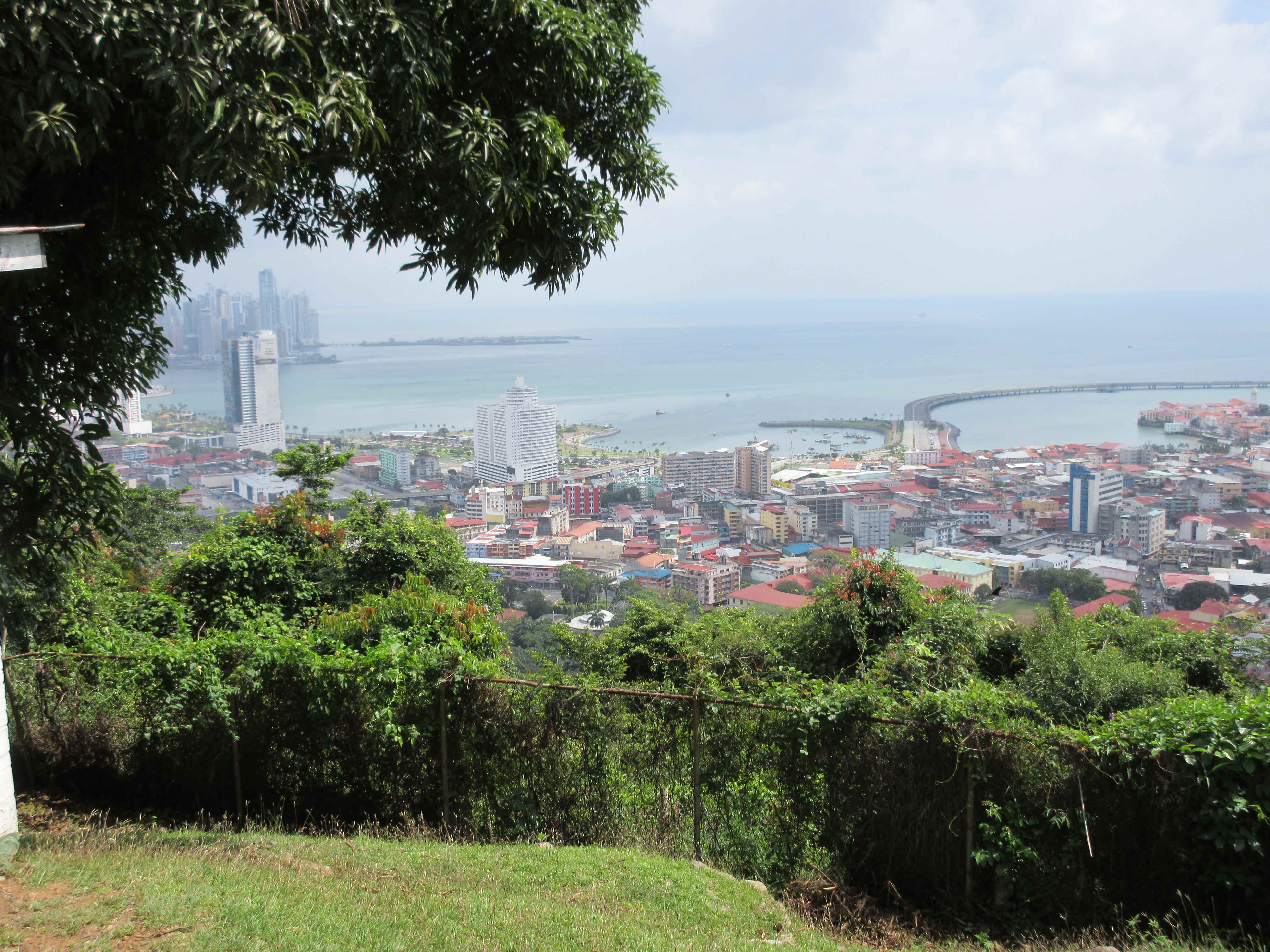
- city and Balboa
-
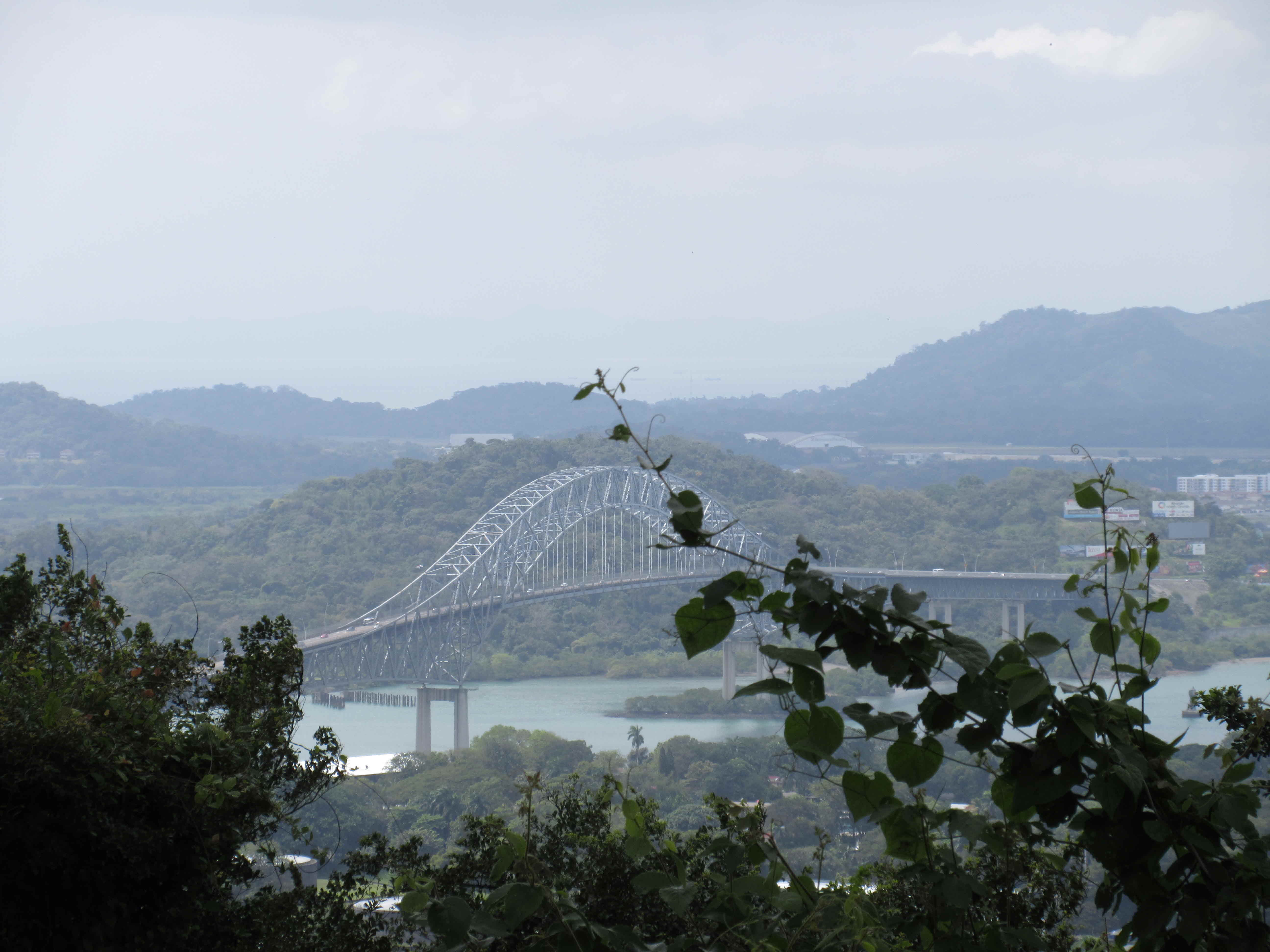
- Bridge of the Americas (across canal)
-
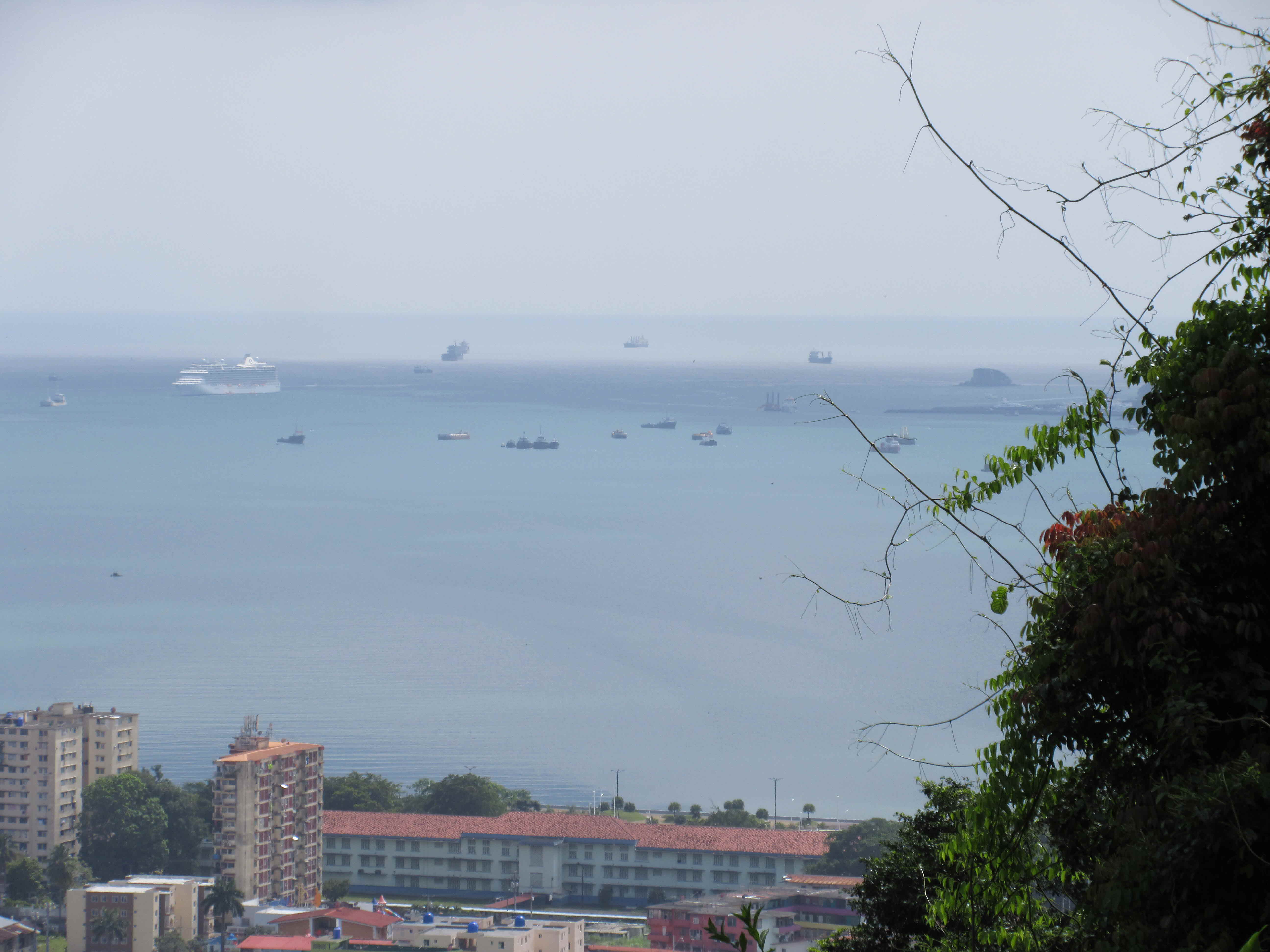
- ships waiting to enter canal
-
- flag

-
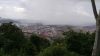
- port at canal entry
-
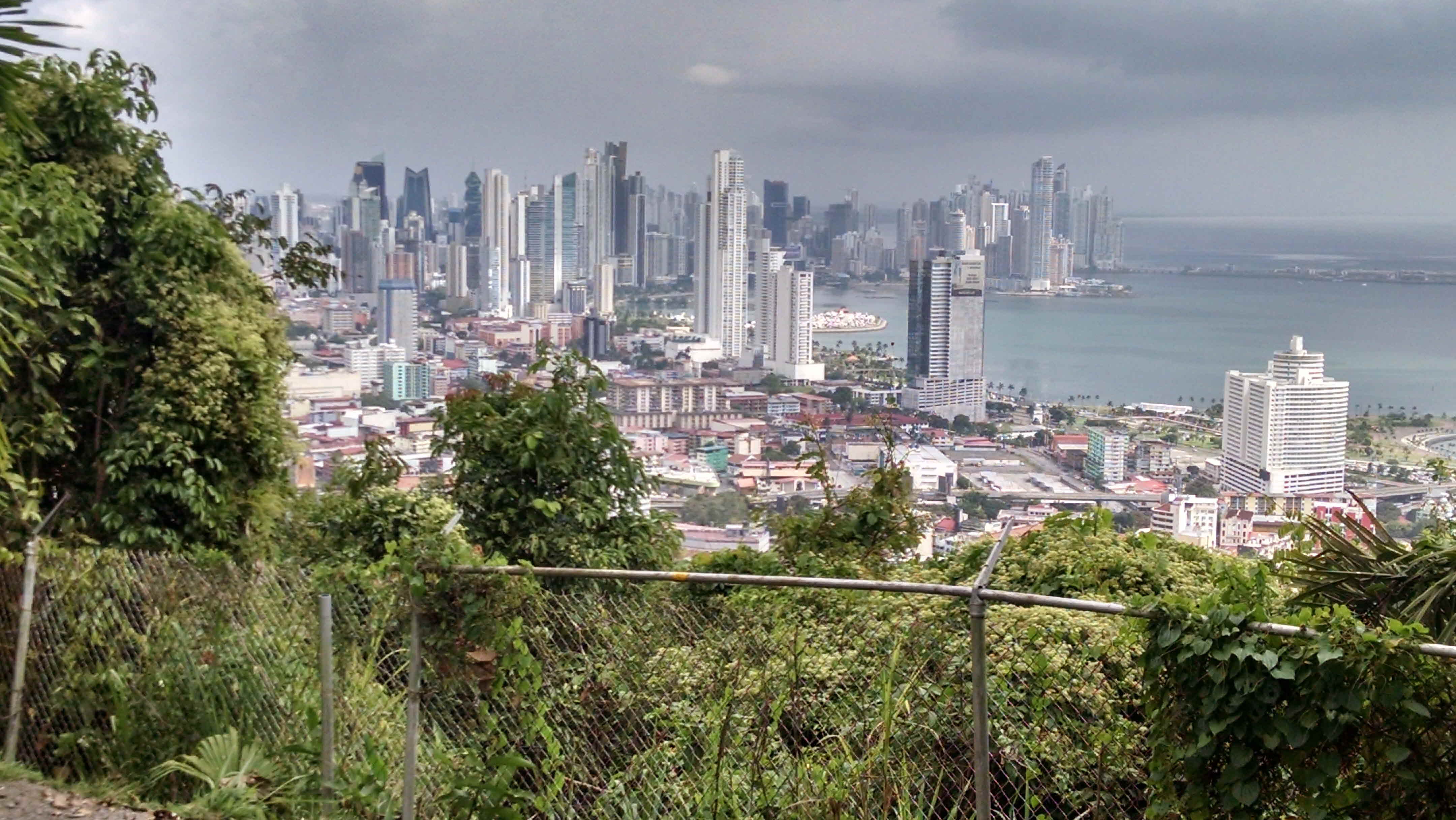
- city – note corkscrew building
-
- view from our hotel room

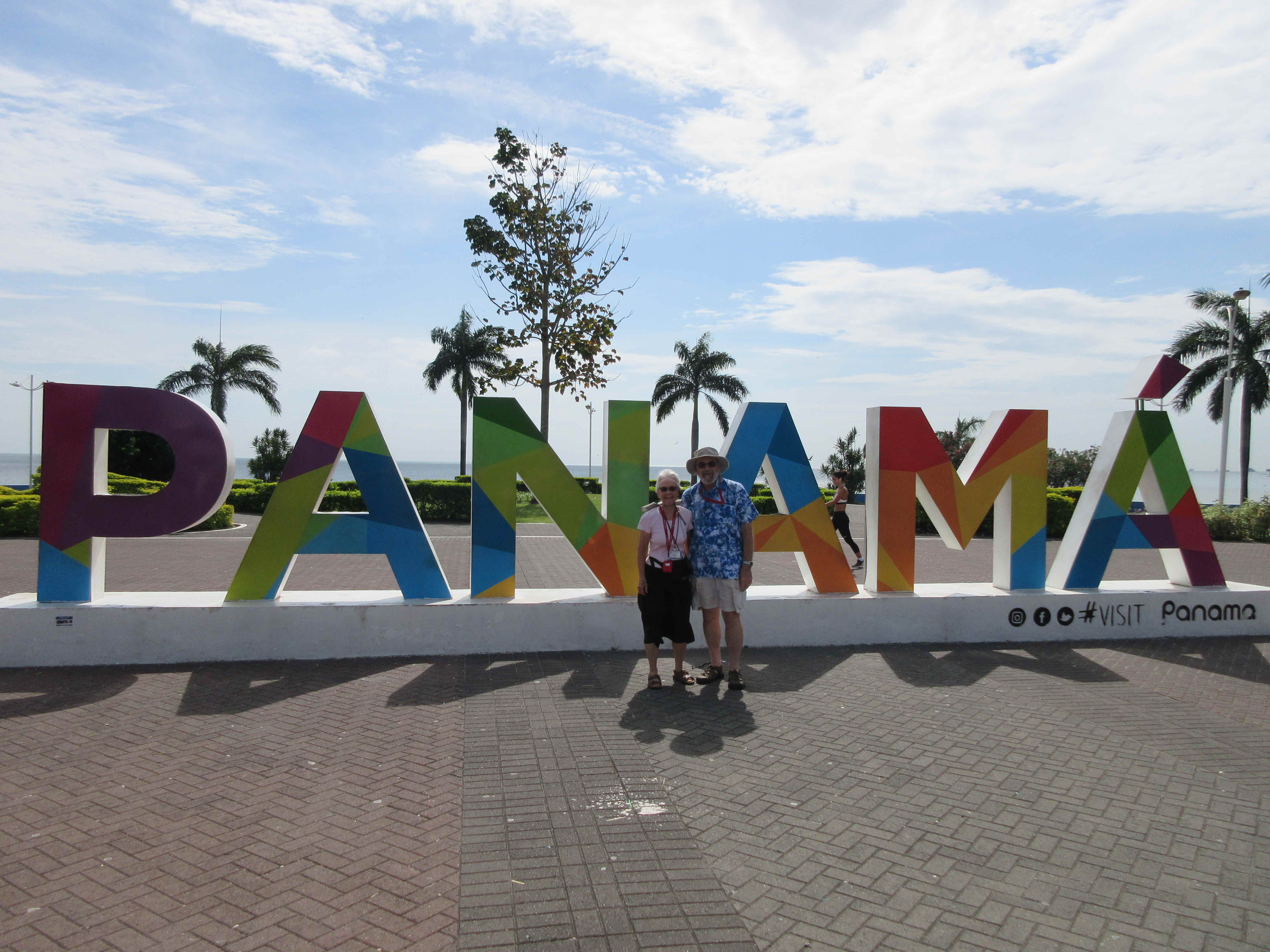
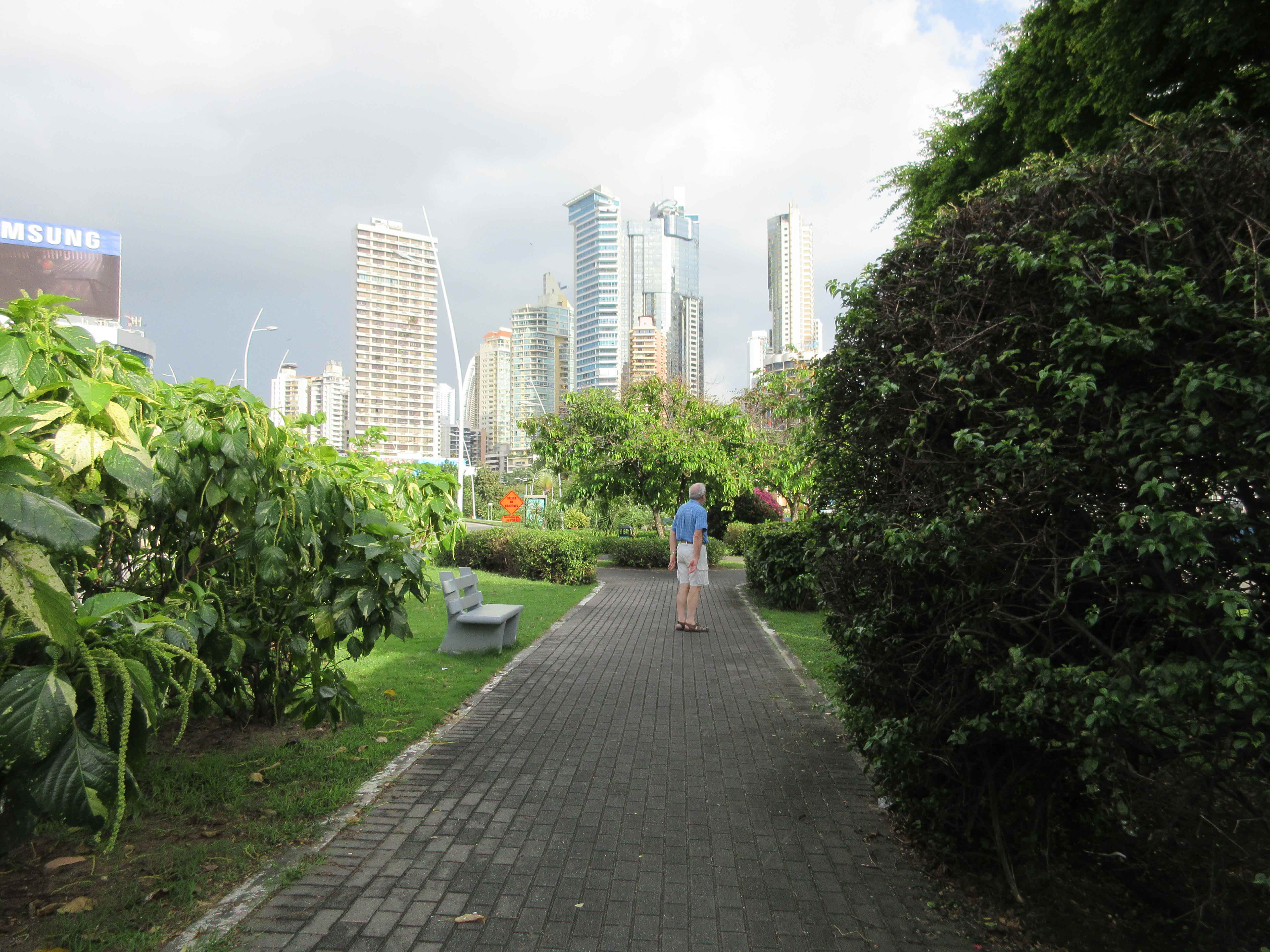
On the first day of the tour we walked along the beach beside the Pacific Ocean (Cinta Costera = Coastal Beltway). Much of the area that we walked is new land, created by bringing dirt from the widening of the canal and placing it here around 1980. Lovely landscaping with lots of possibilities for recreation.
-
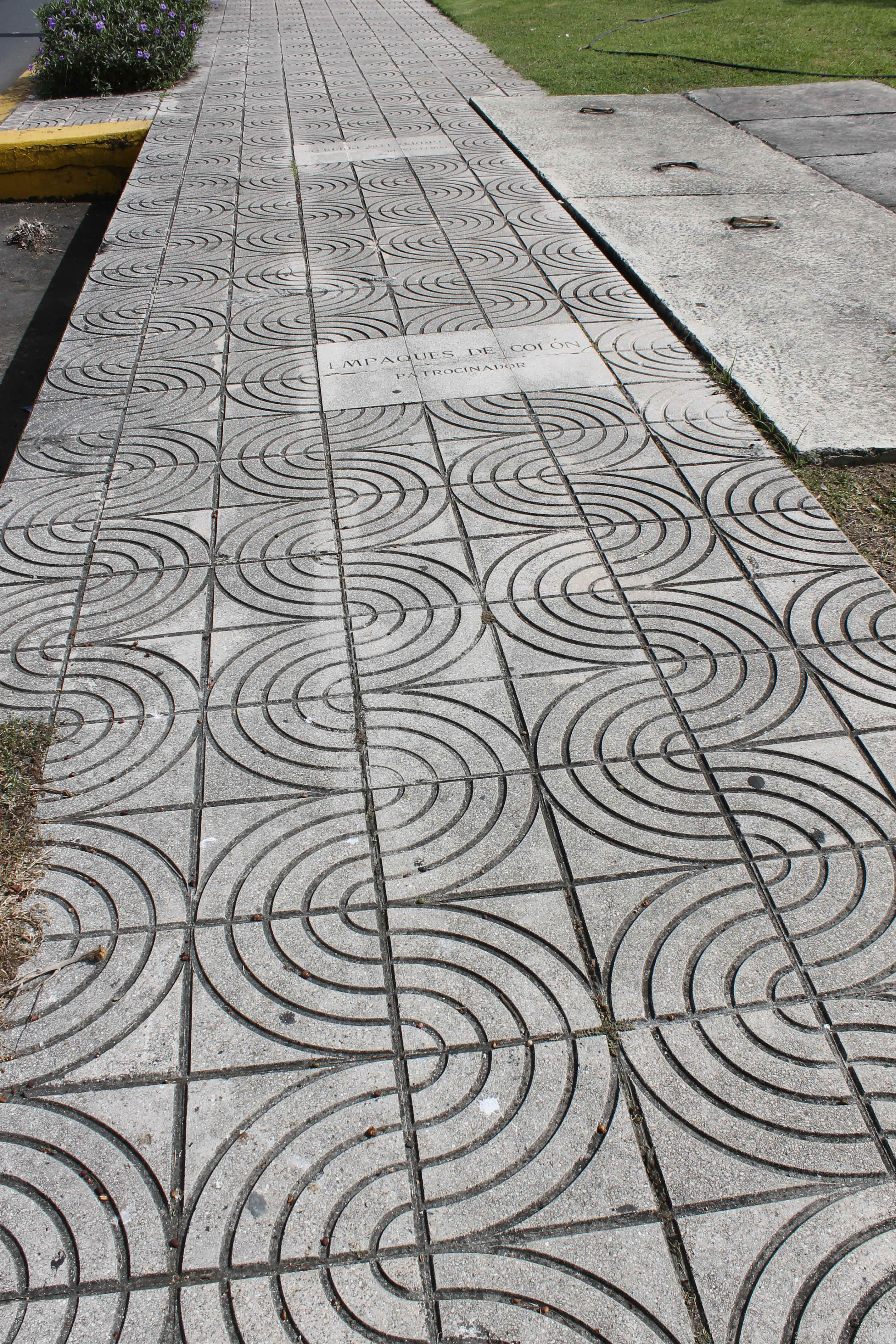
- sidewalk design
-
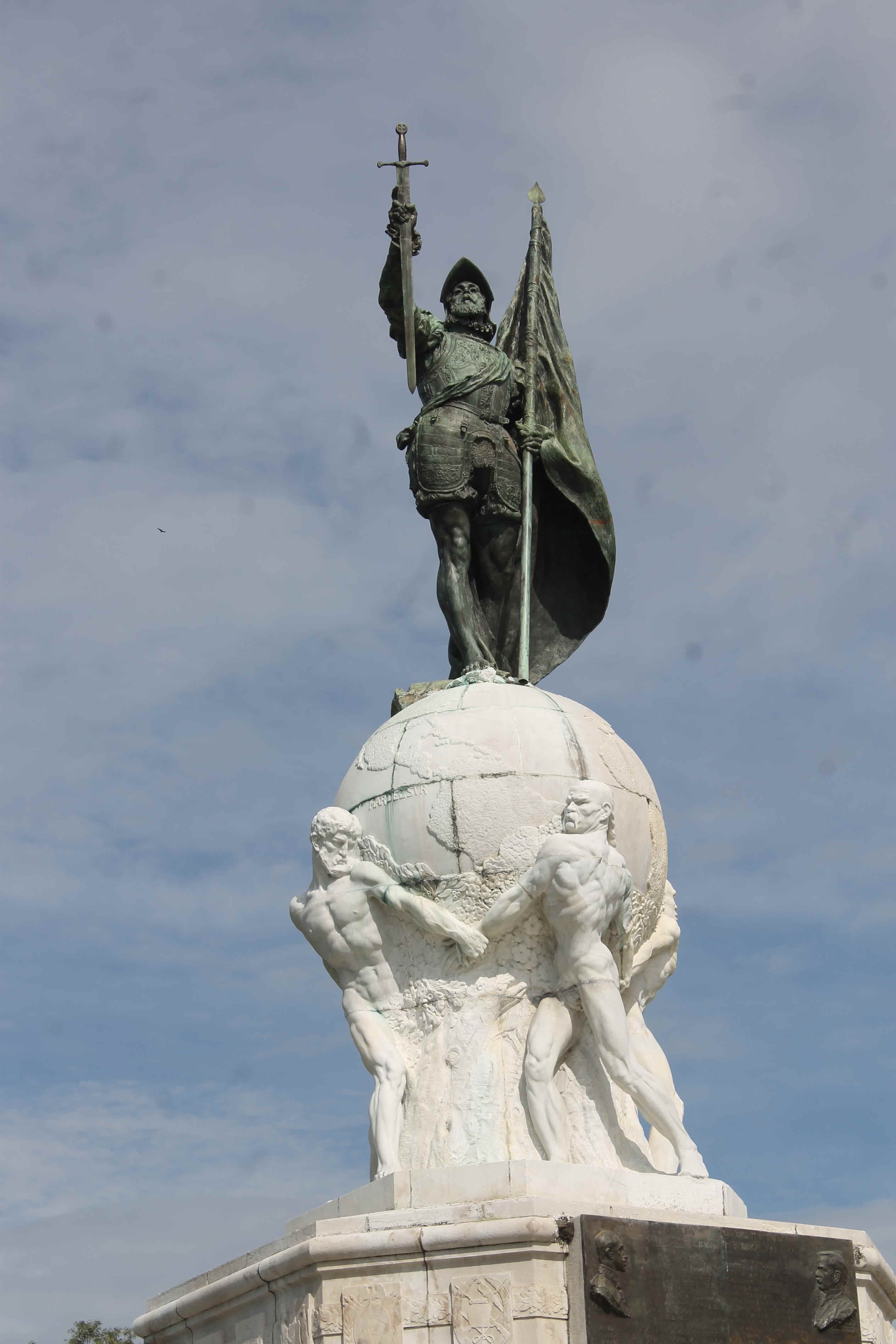
- statue of Balboa
-
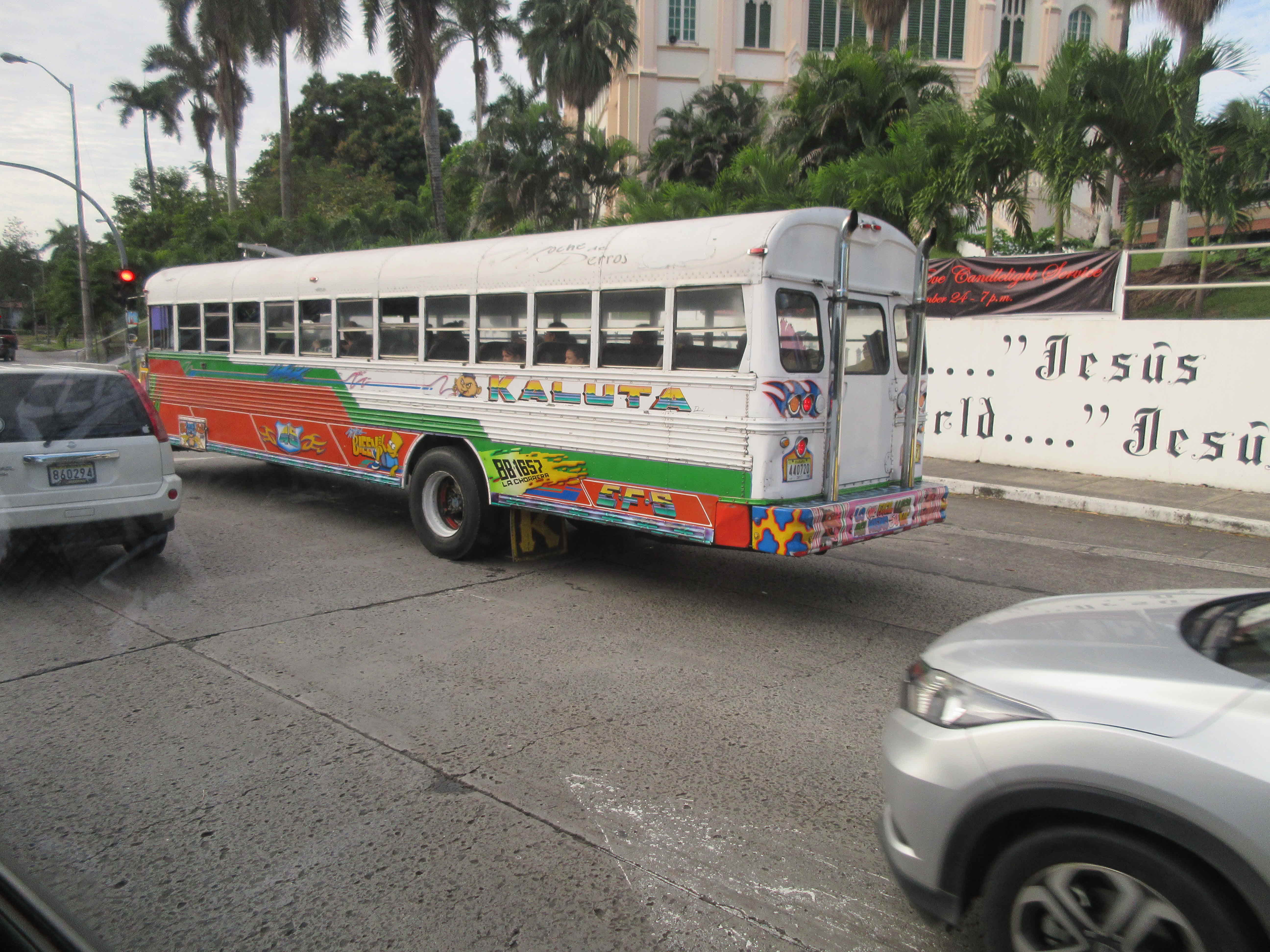
- colorful bus
-
- Panama!
-
- walkway
-
- Cinta Costera

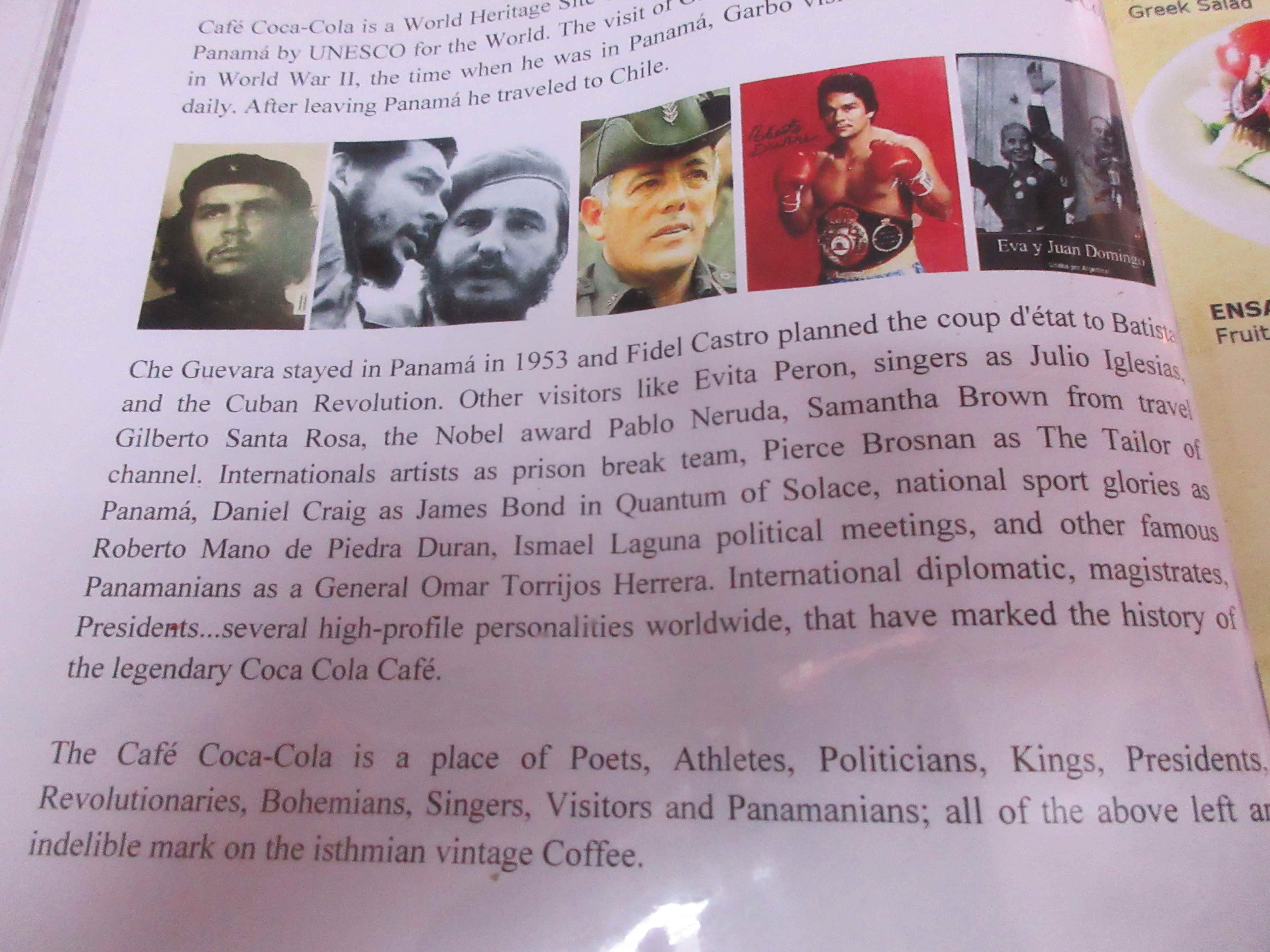
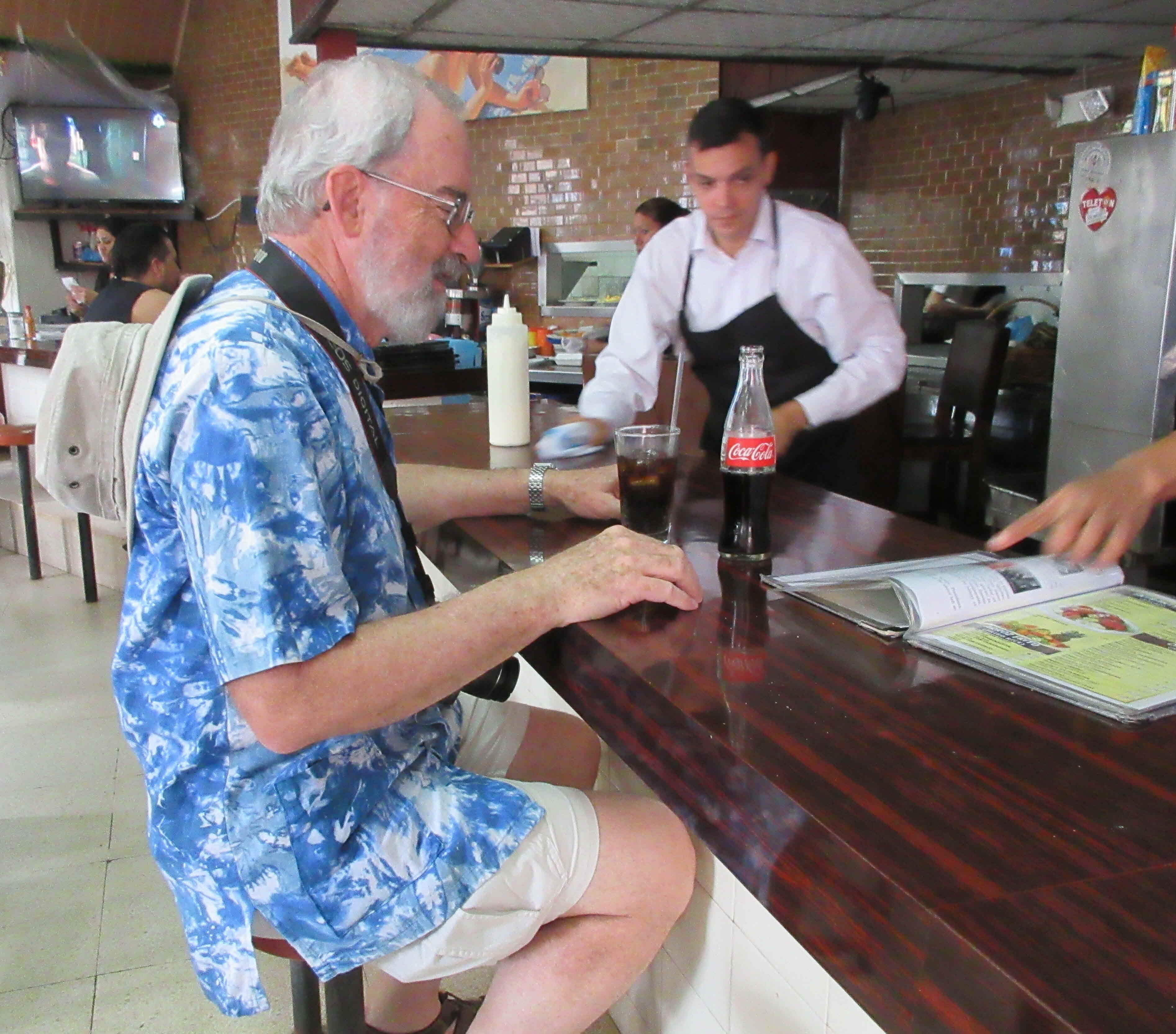
We visited the colonial part of town—Balboa. Walking through a market and along some streets. We had a coke in the historic Coca-Cola Cafe, built over 100 years ago. Many political meetings have taken place here with famous visitors, including Che Guevara, Fidel Castro, Evita Peron, and Jimmy Carter. We saw buildings bombed by the U.S. when they were trying to capture Manuel Noriega in 1989. We saw an ancient “horizontal” brick arch which was used to prove to some US politicians (who wanted the canal in Nicaragua rather than Panama) that there were no earthquakes in Panama!
-
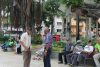
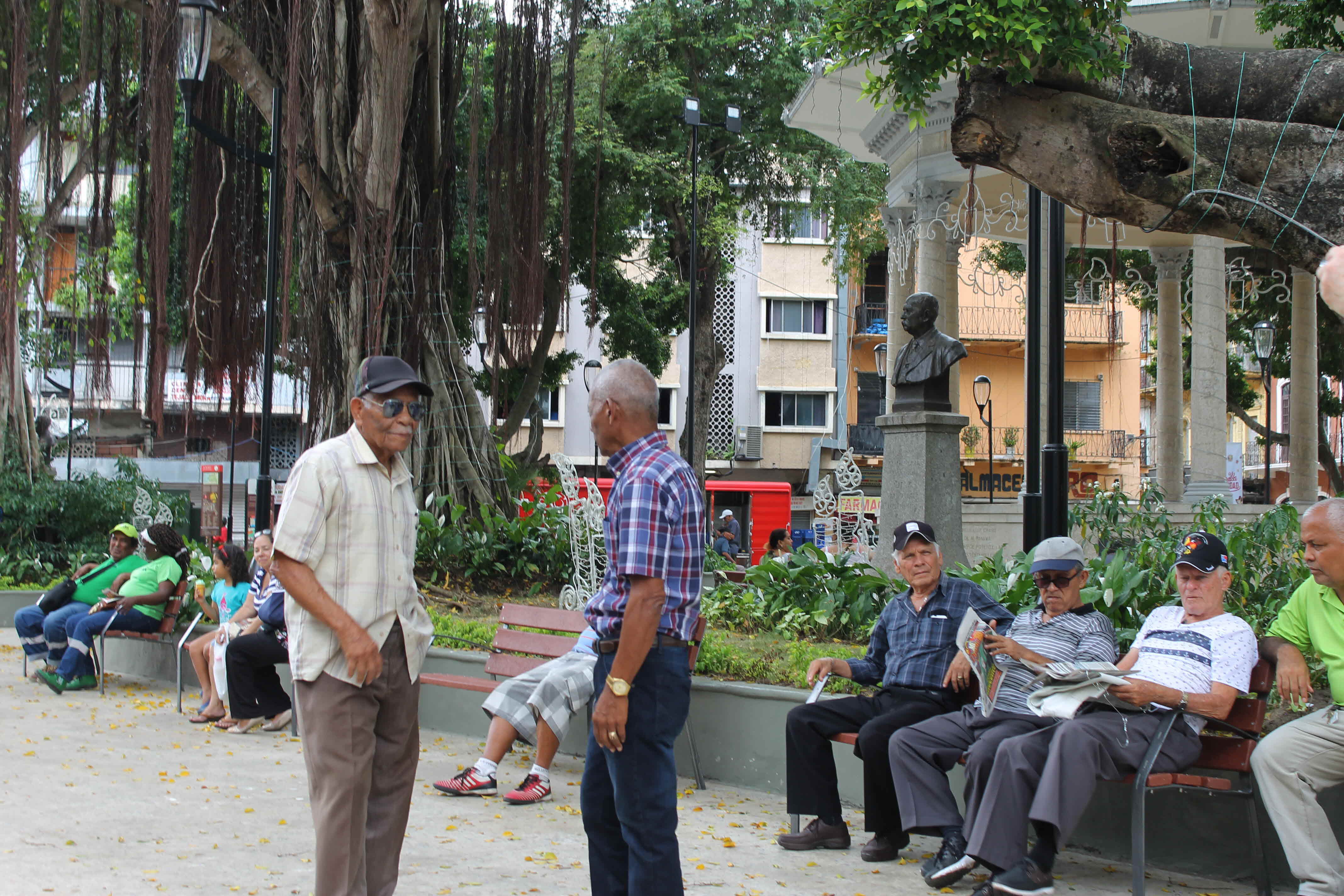
- community square
-
- produce

-
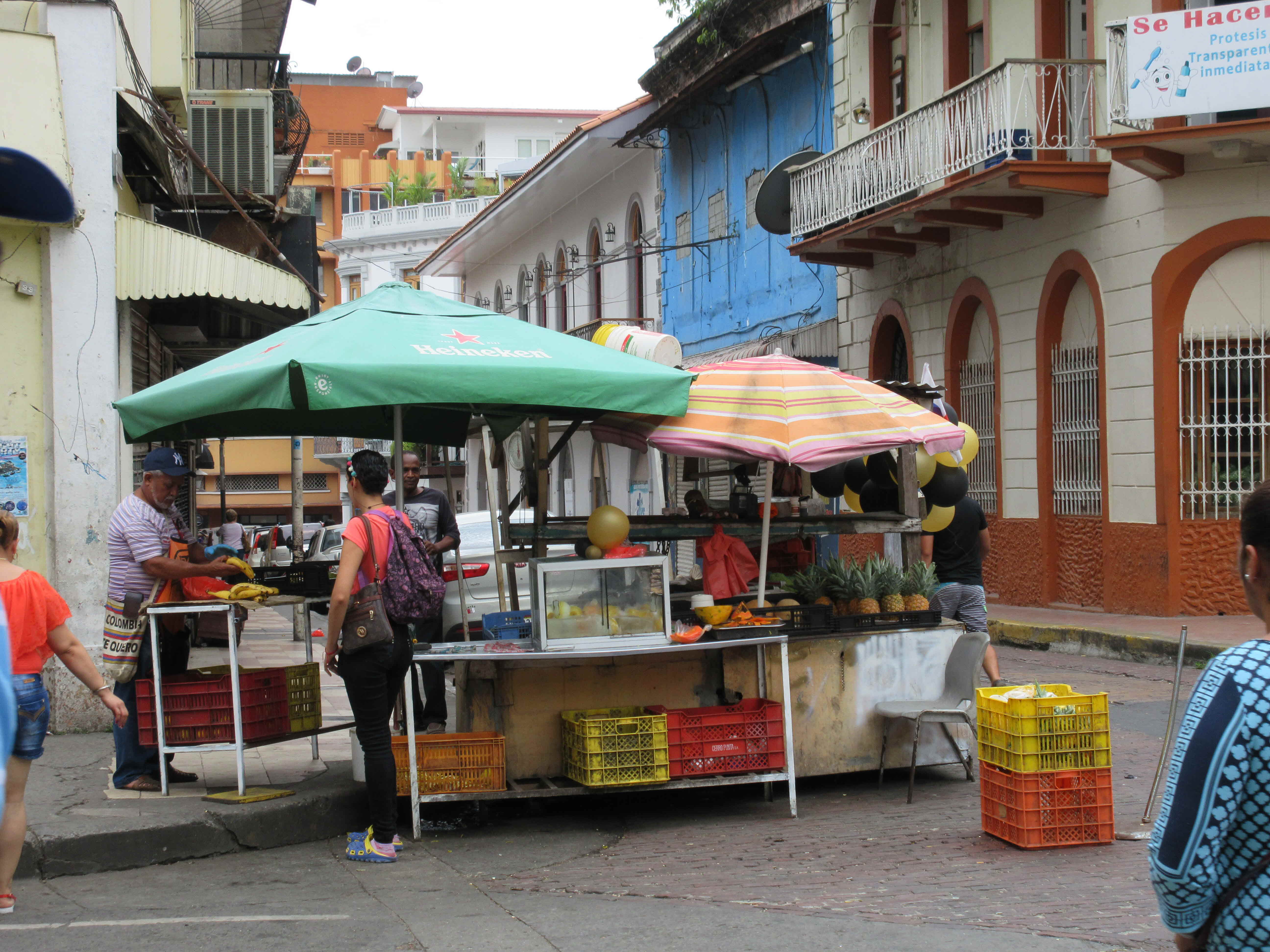
- beverage stall
-
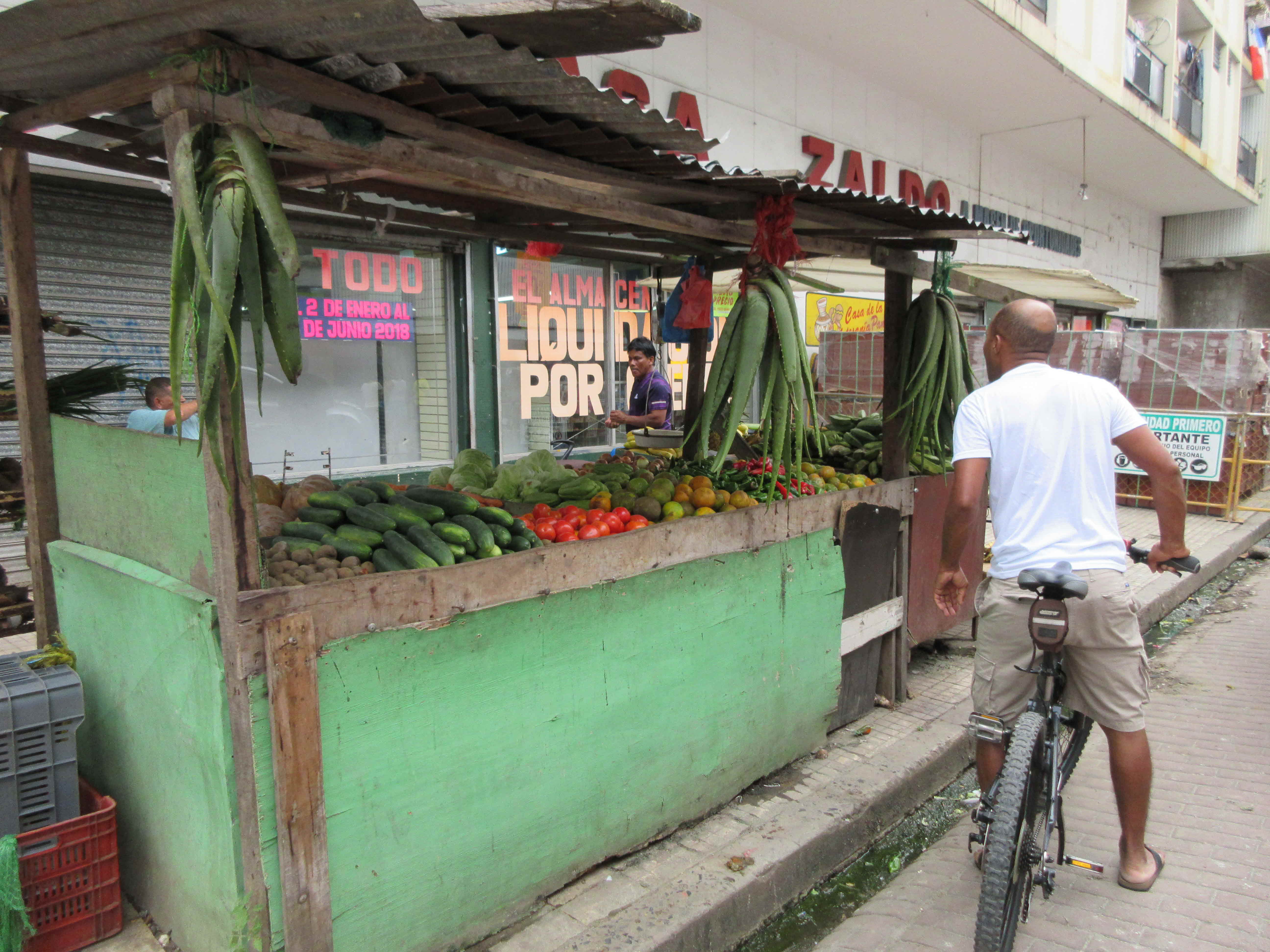
- produce
-
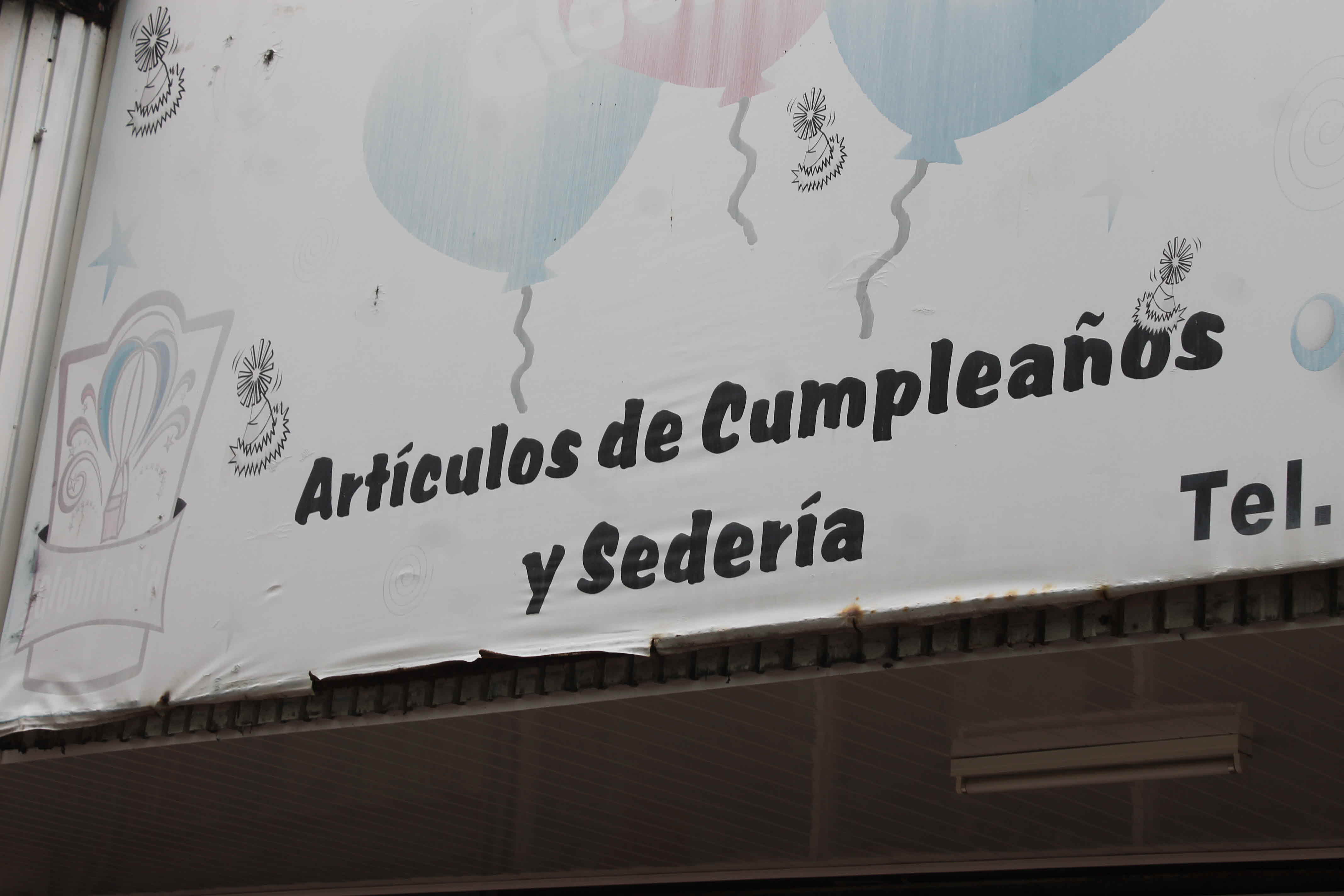
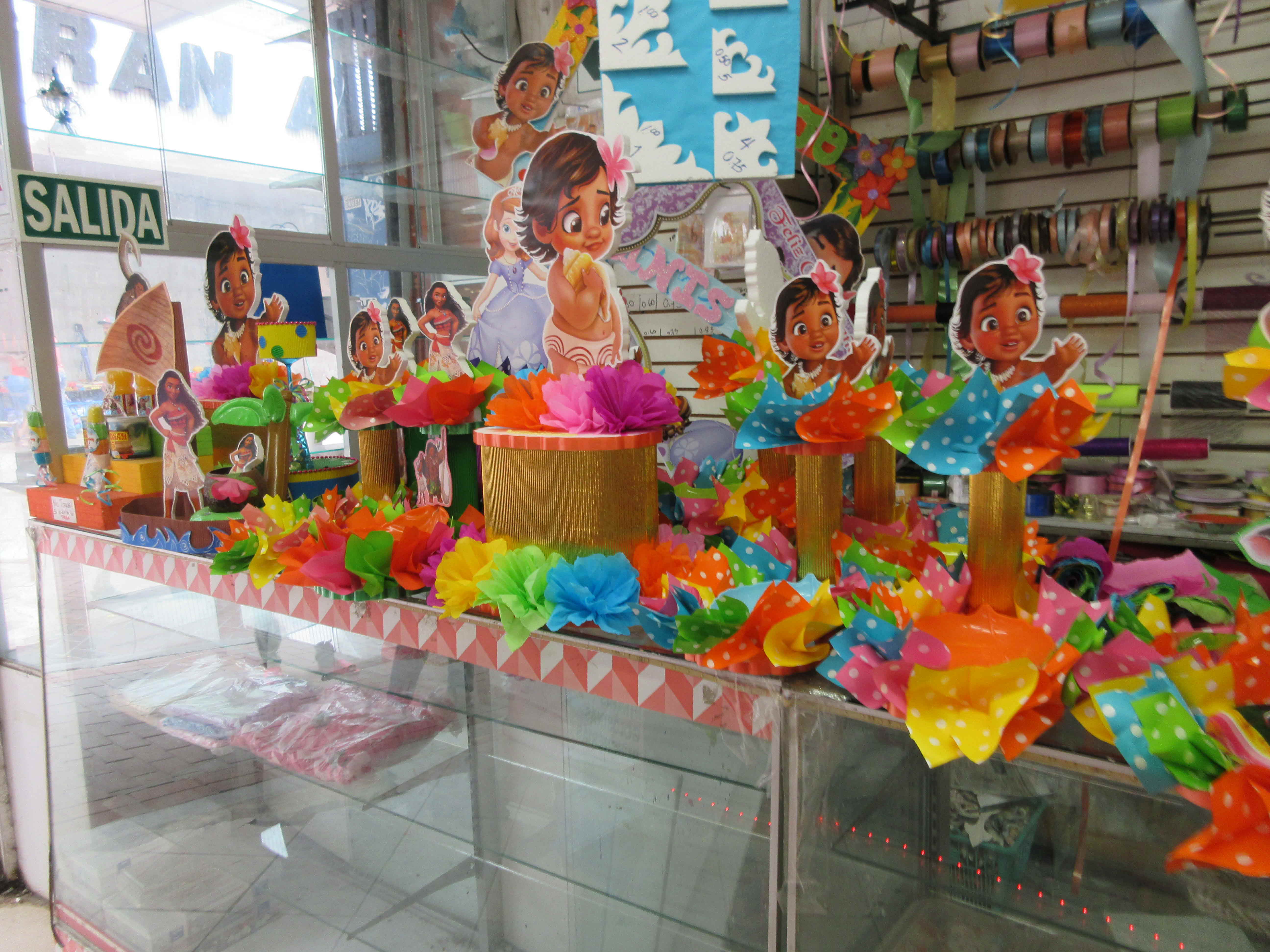
- party store
-
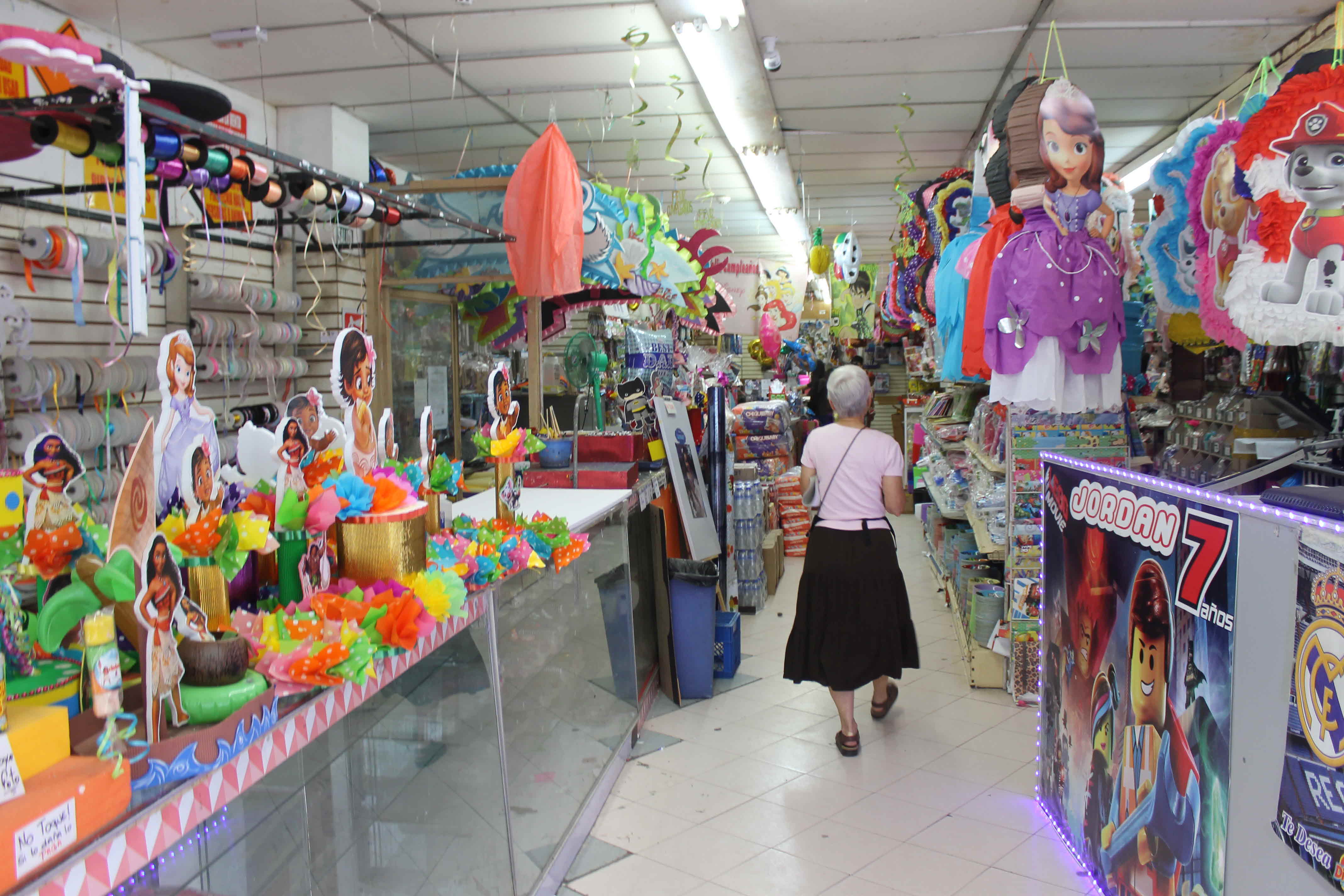
- everything you want for a party!
-
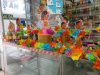
- more party items
-
- cool drinks

-
- Coke Cafe
-
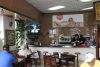
- coke!
-
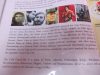
- those who visited Coke Cafe
-
- having a coke on a hot day
-
- others enjoying Coke Cafe
-
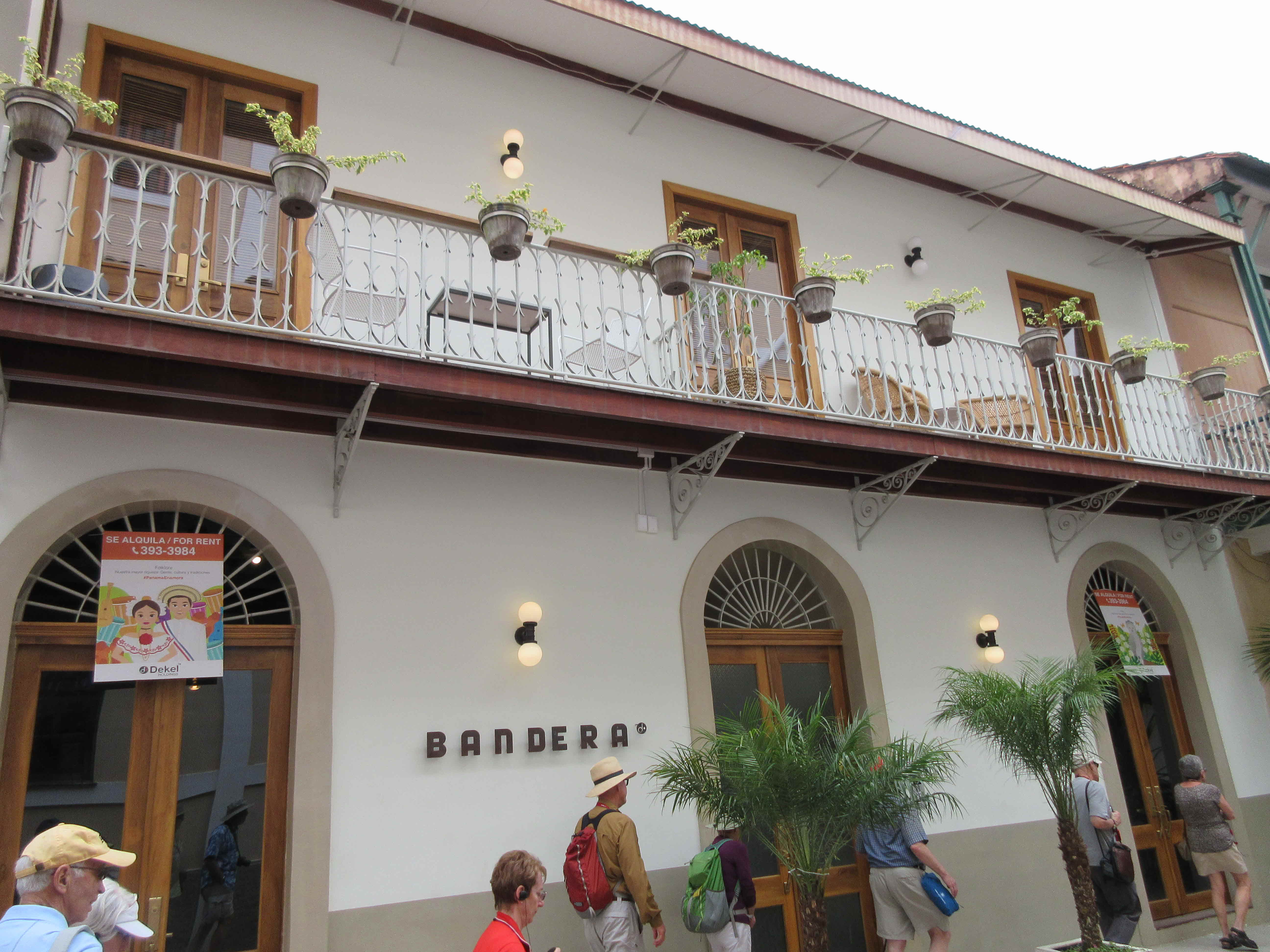
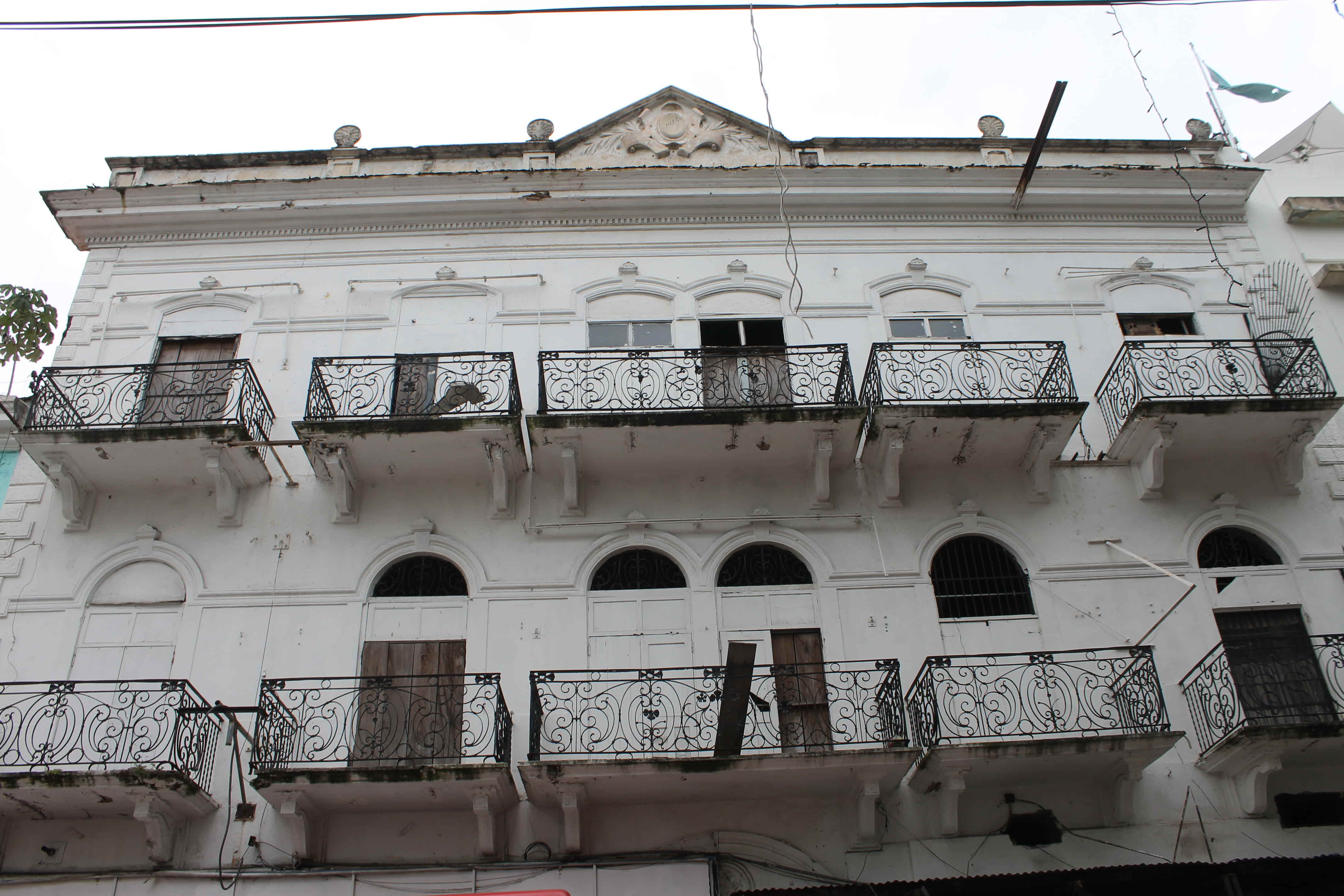
- street balcony
-
- more balconies
-
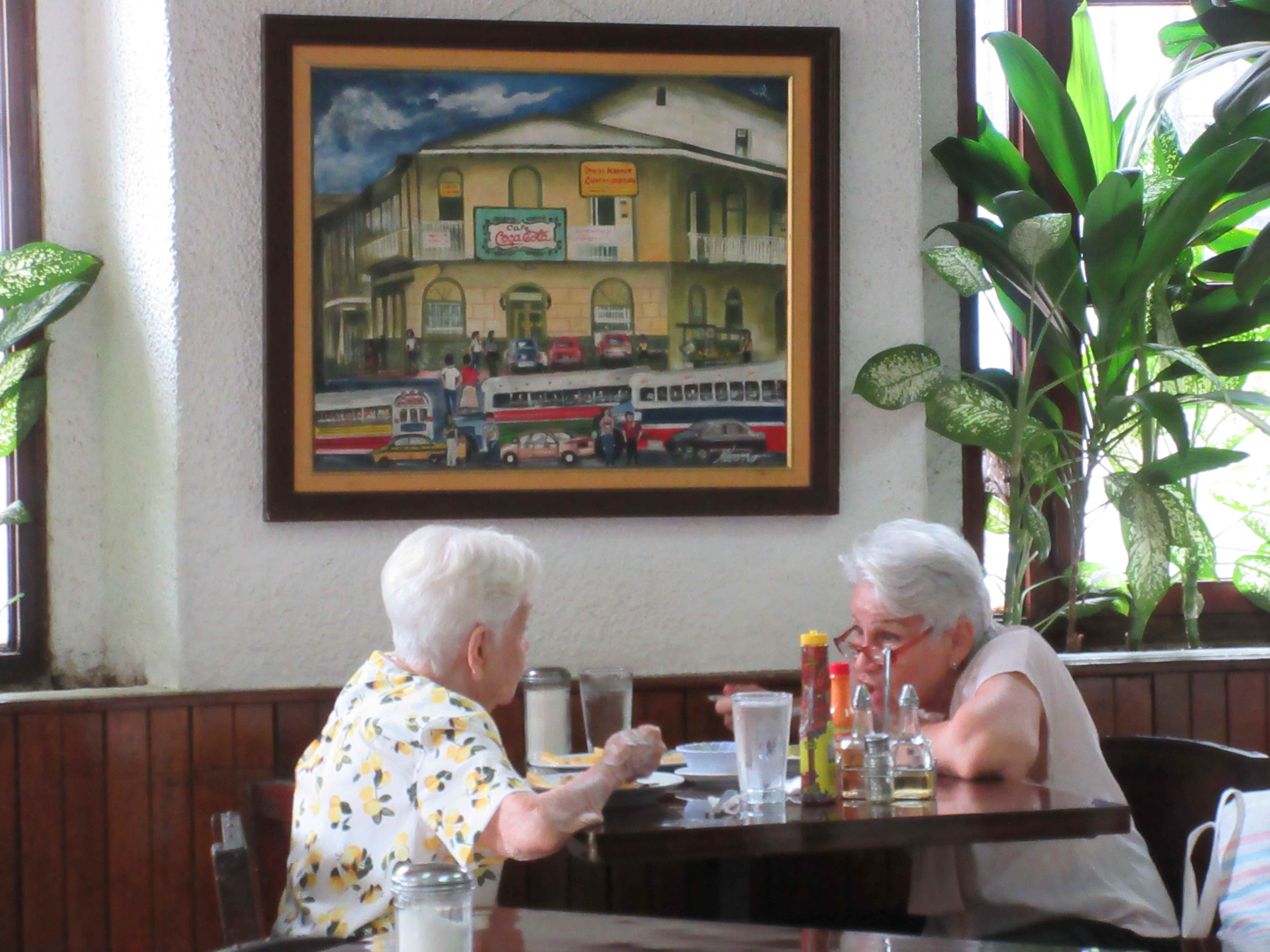
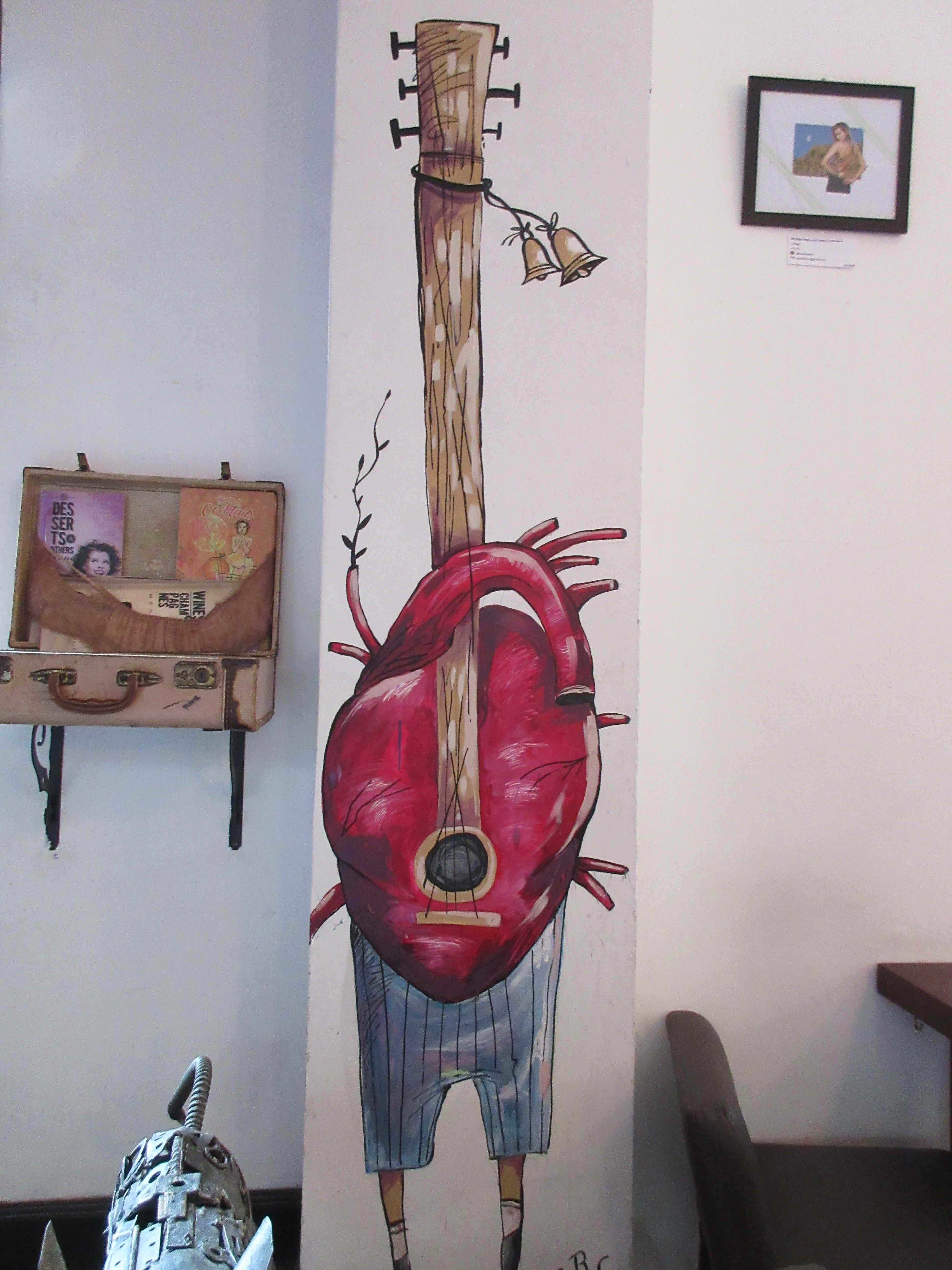
- painting on a wall of our retaurant
-
- destroyed walls
-
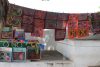
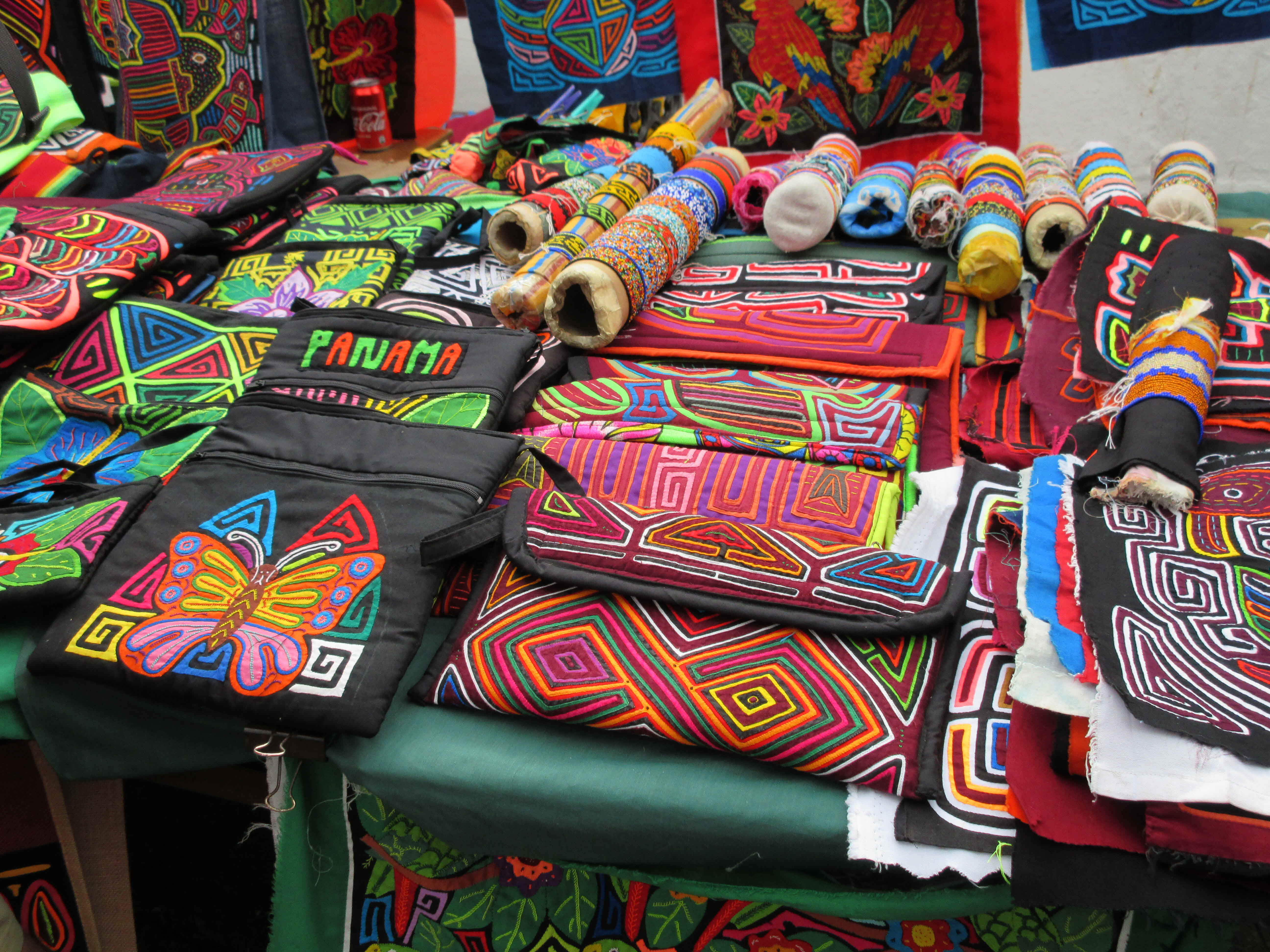
- textiles
-
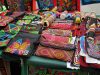
- colorful articles
-
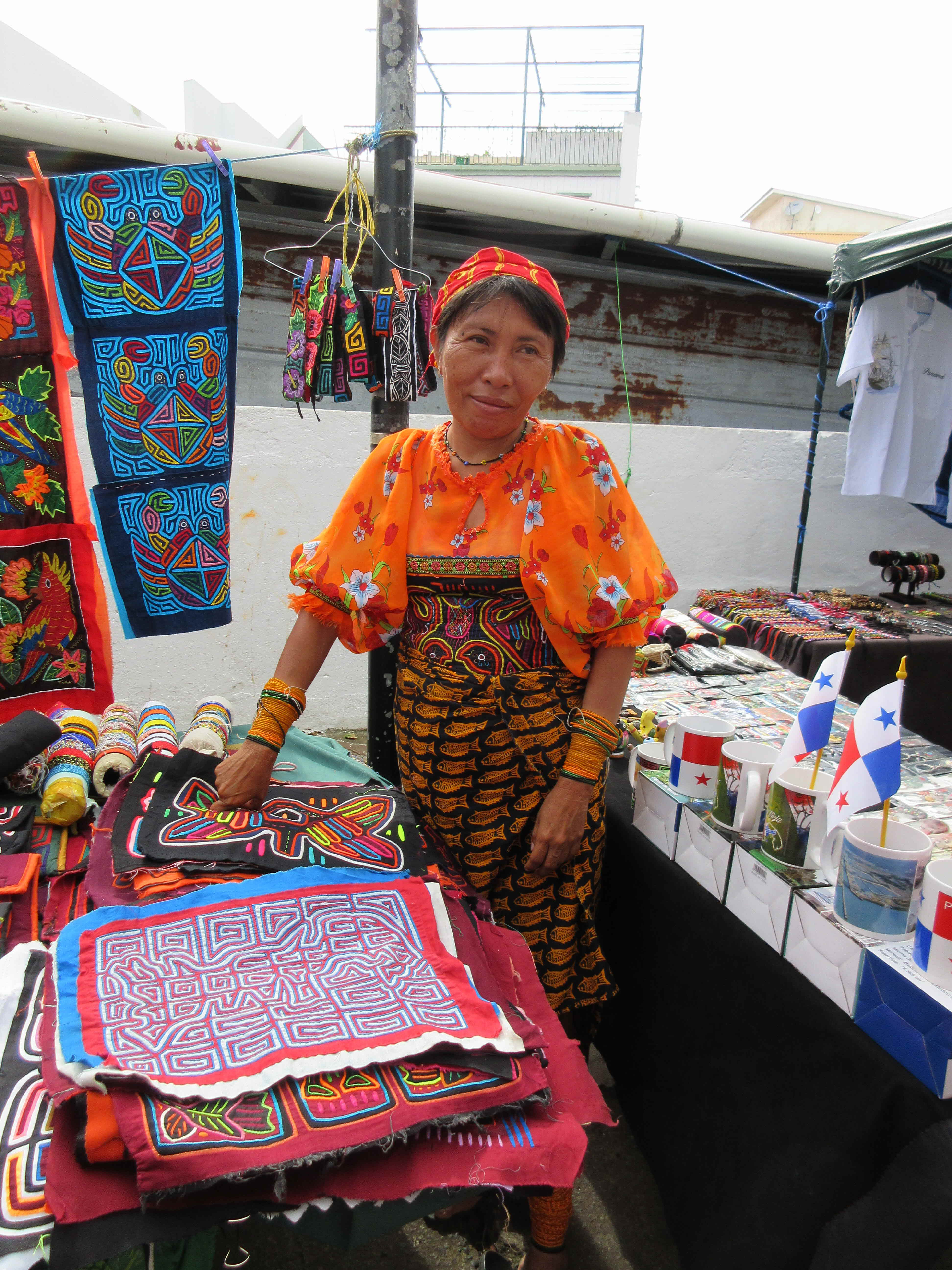
- indigenous woman with crafts
-
- stable arch
-
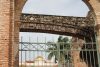
- stable arch
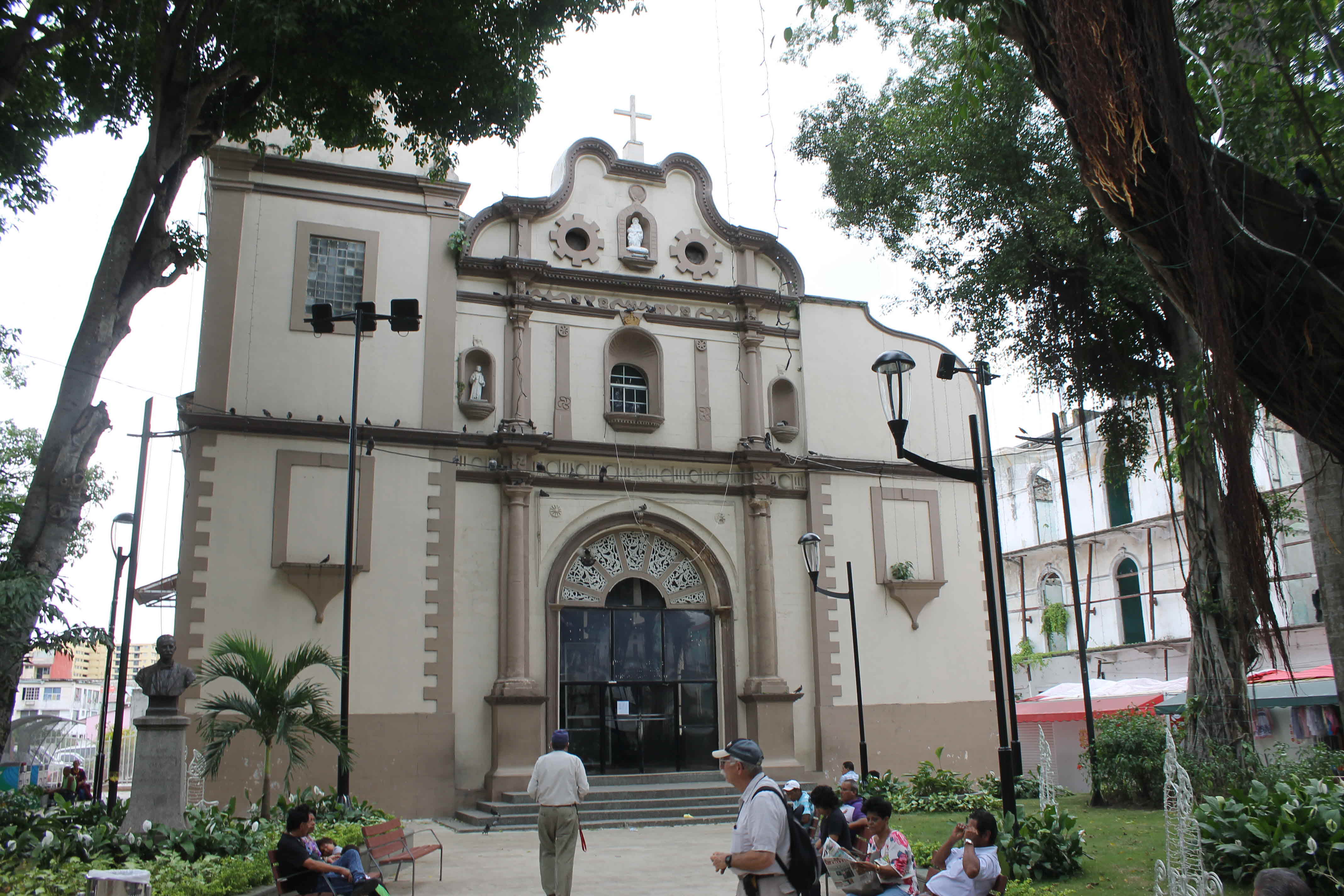
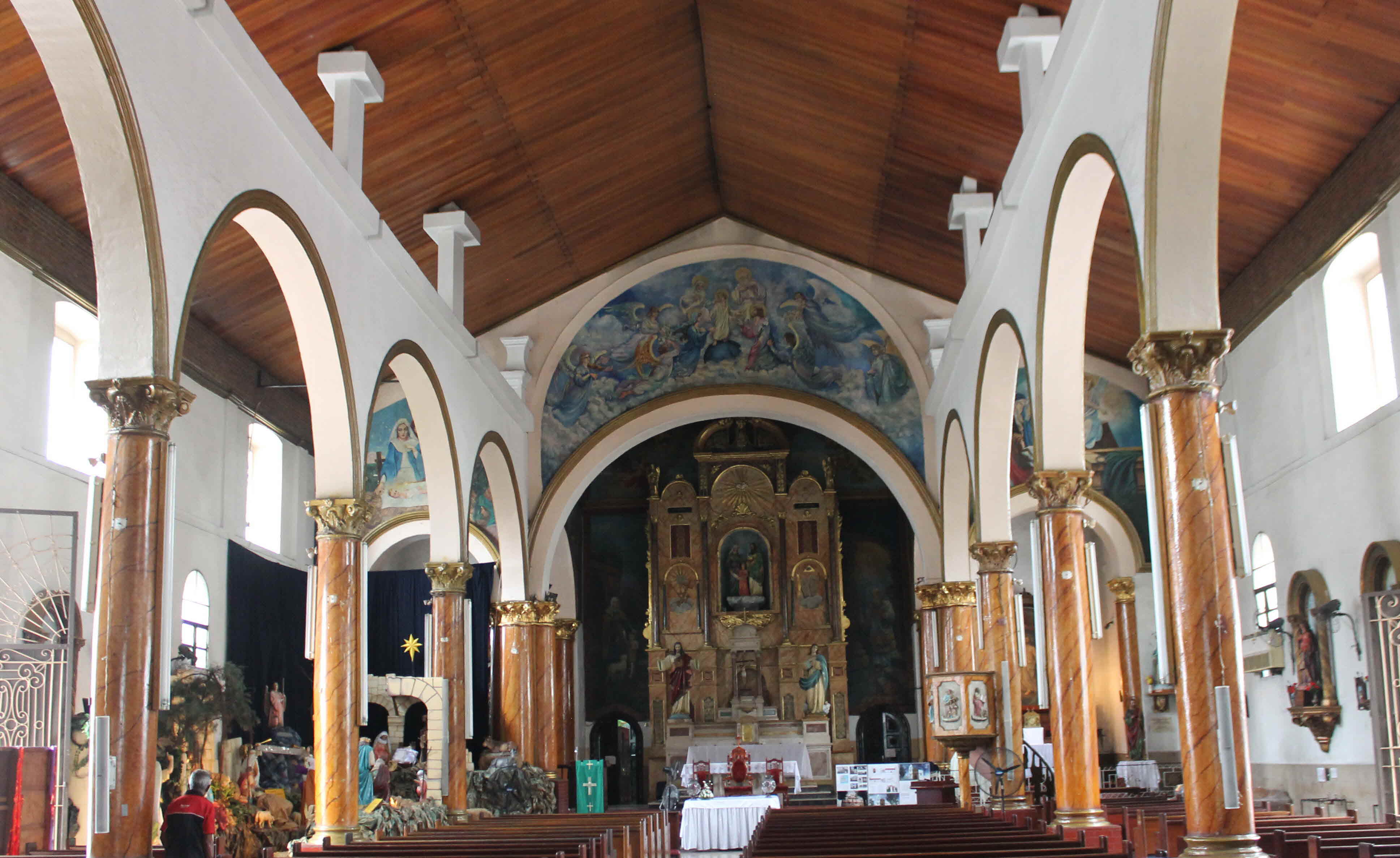
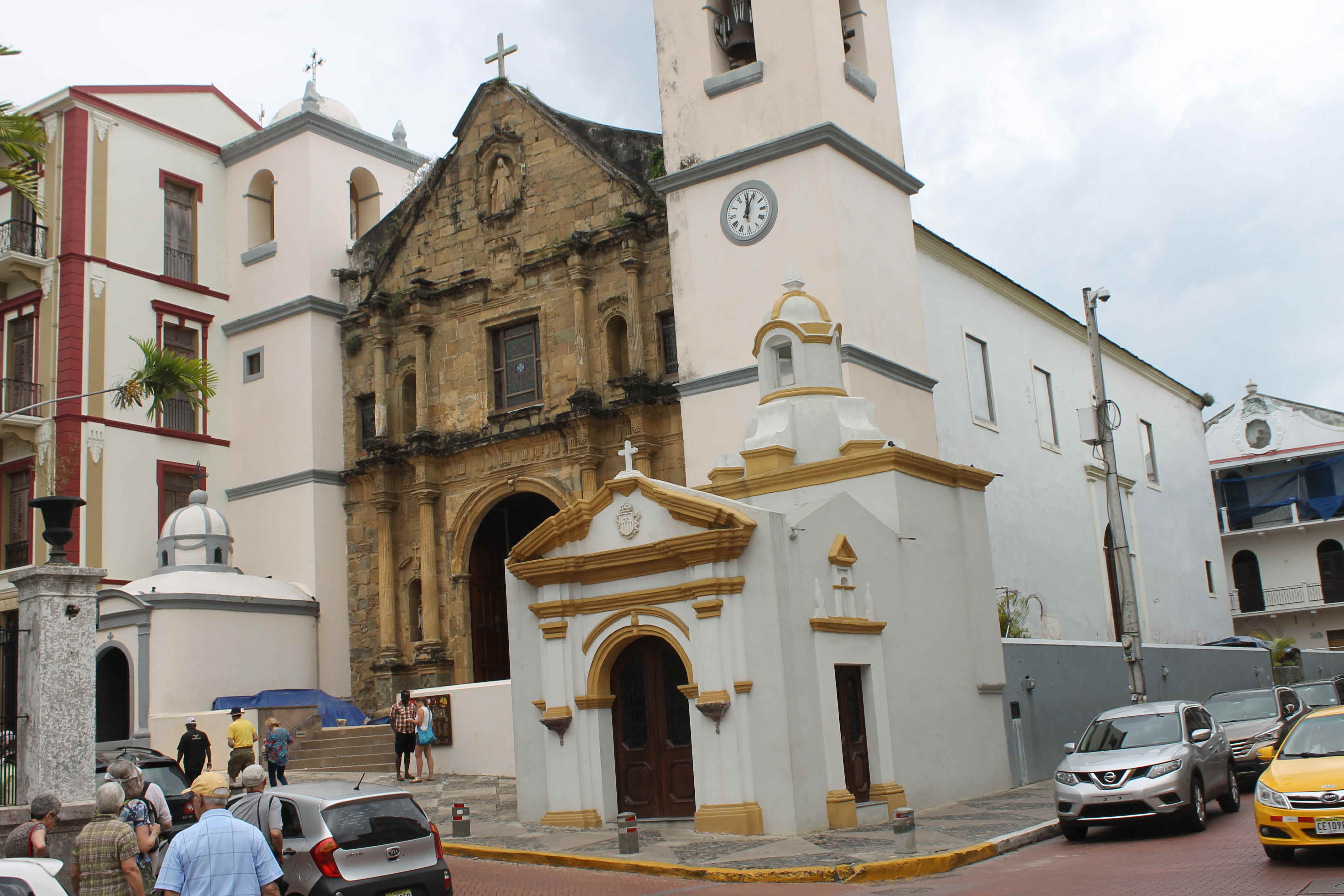
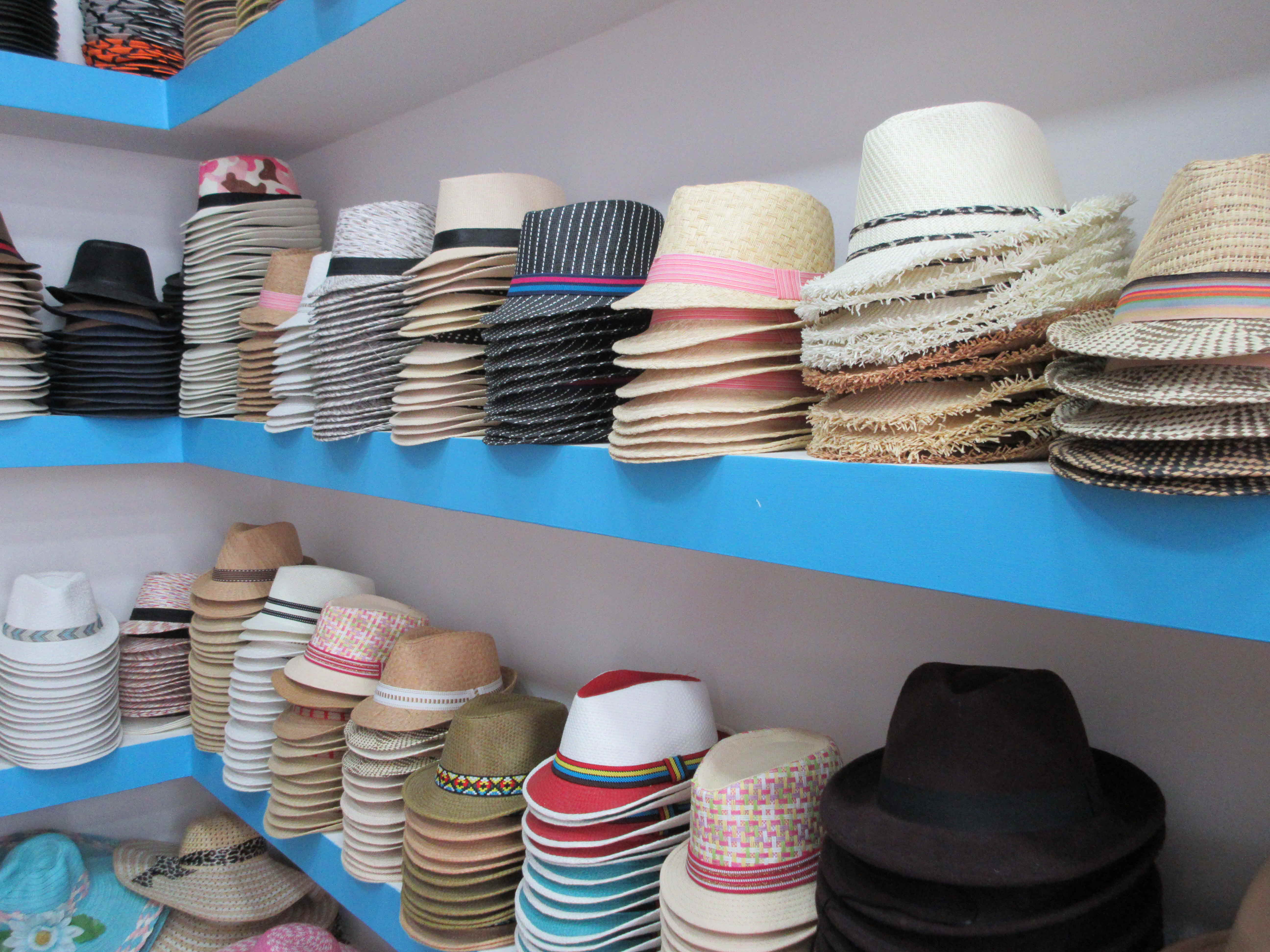
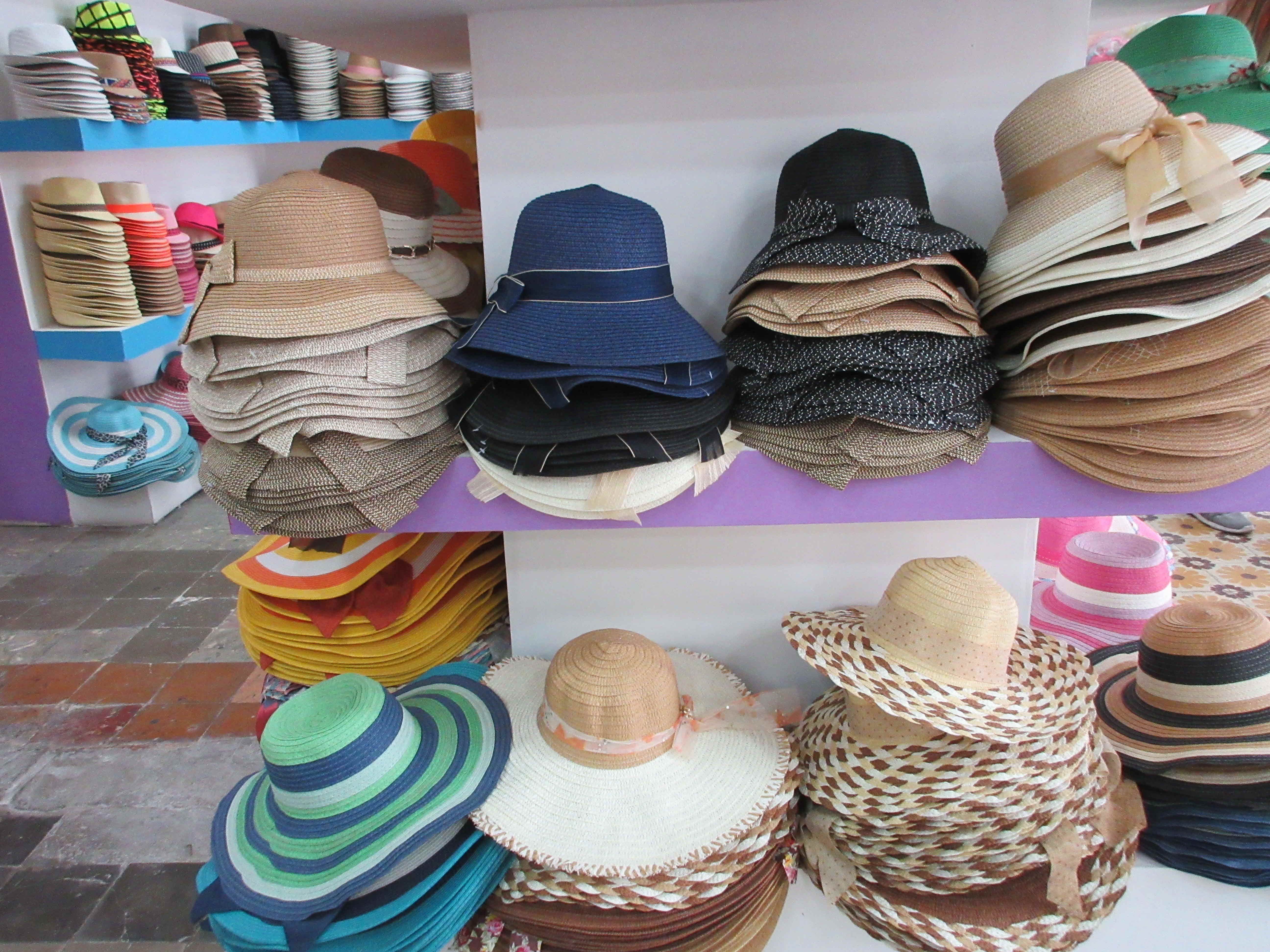
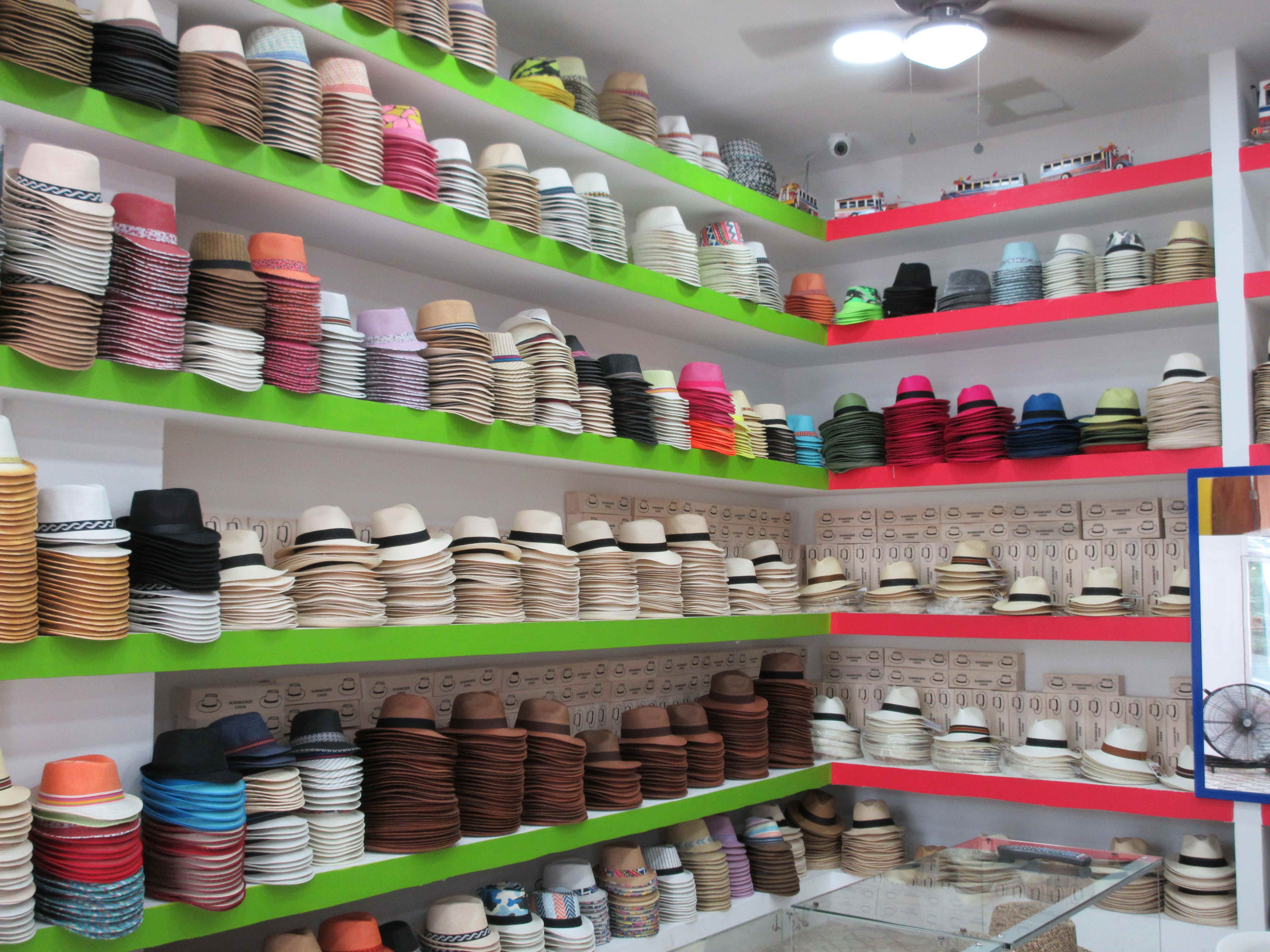
We visited several Catholic churches, one which was built in the Spaniards’ time. We also visited a Panama hat shop – even though the real “Panama hat” is made in Ecuador!
-
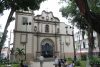
- church on plaza square
-
- inside church
-
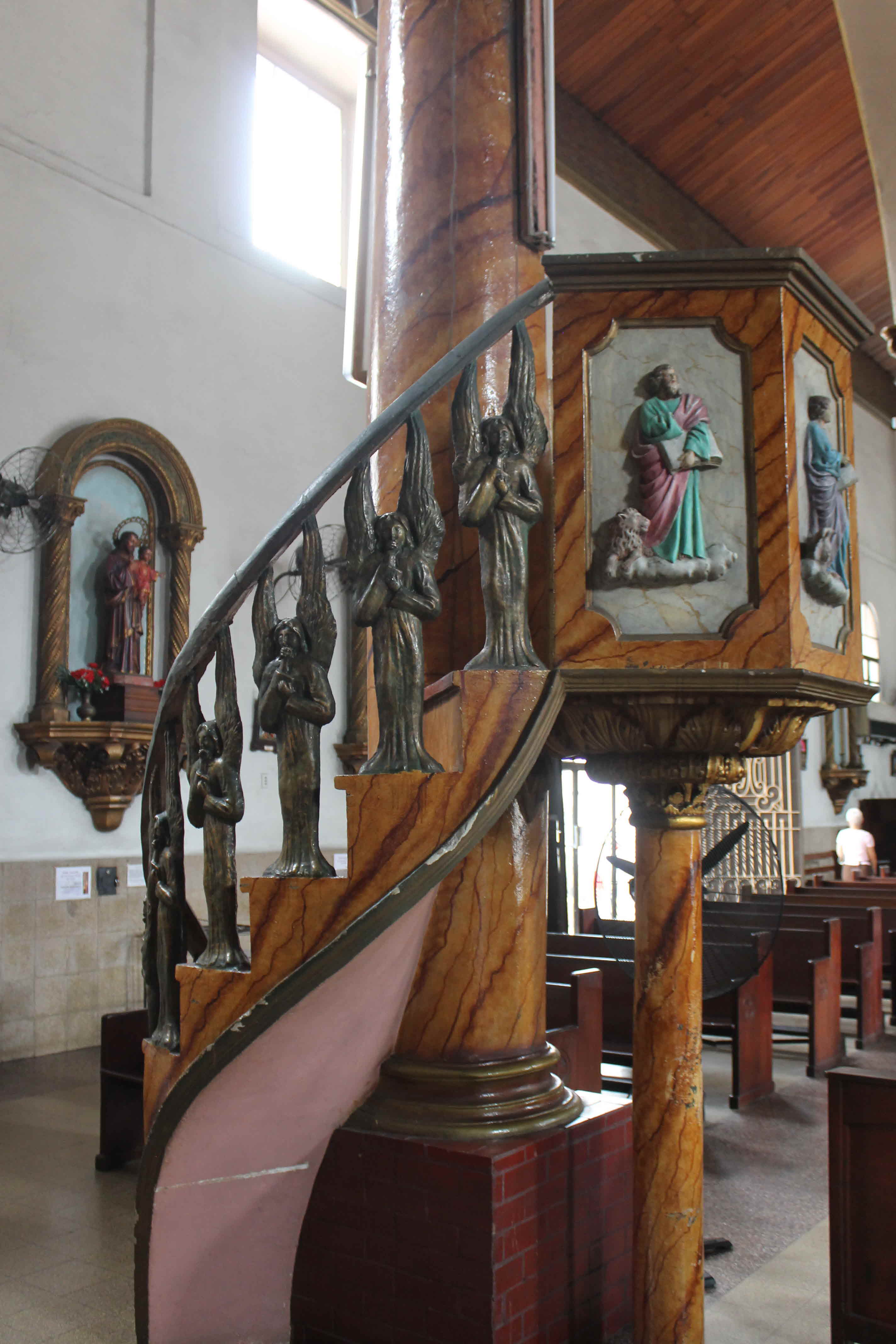
- pulpit
-
- St Merced church
-
- St Merced church
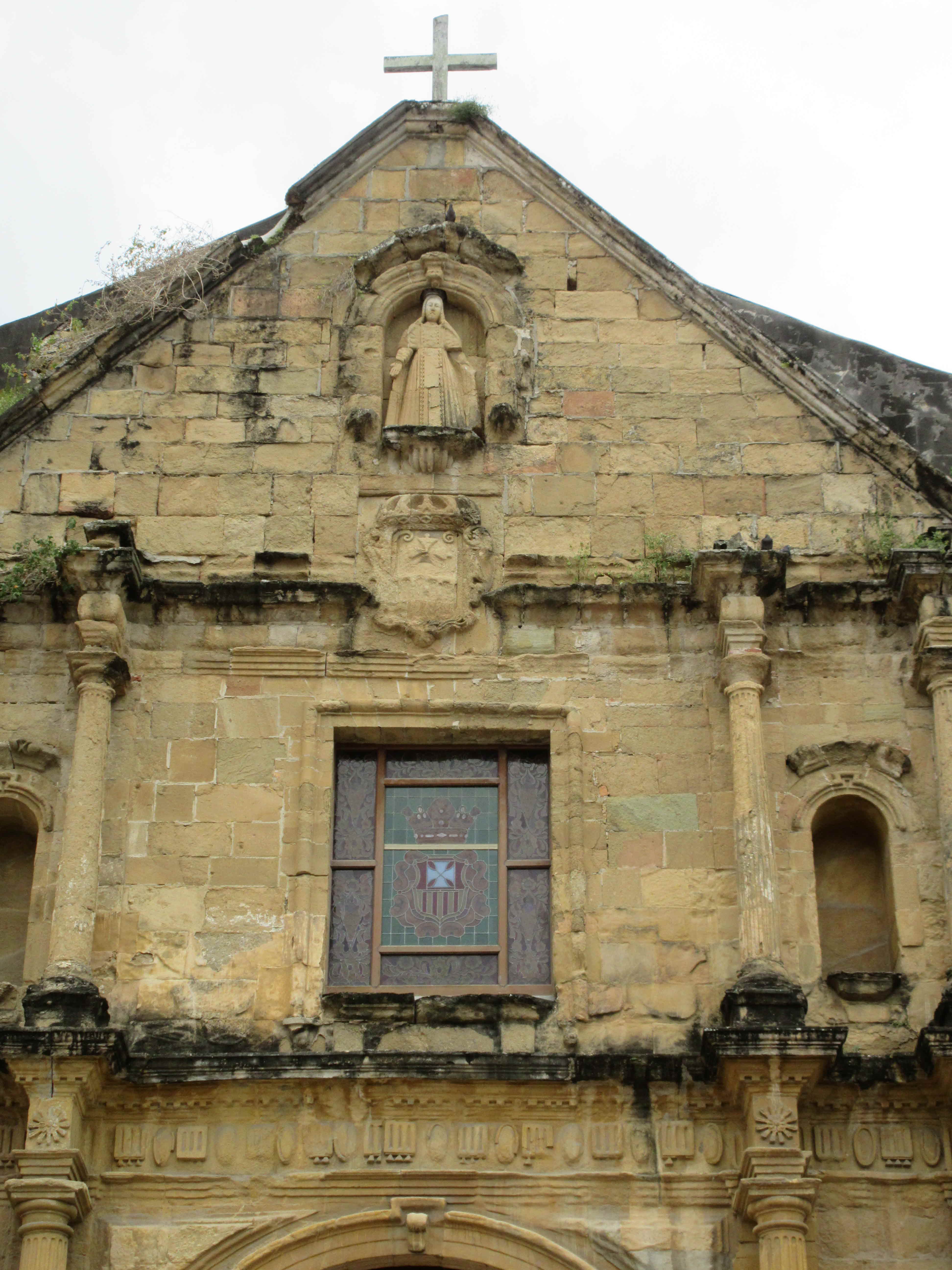
-
- inside
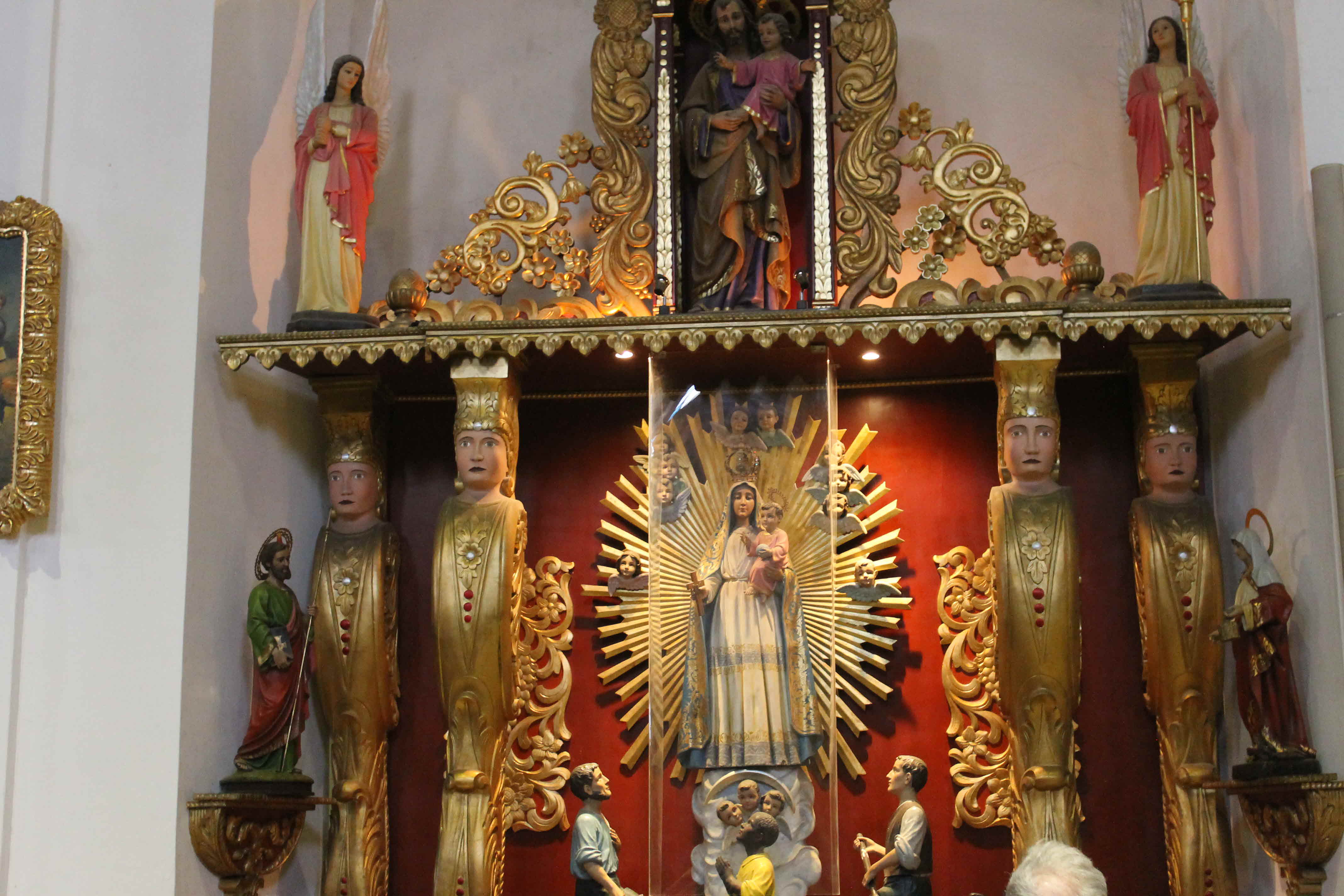
-
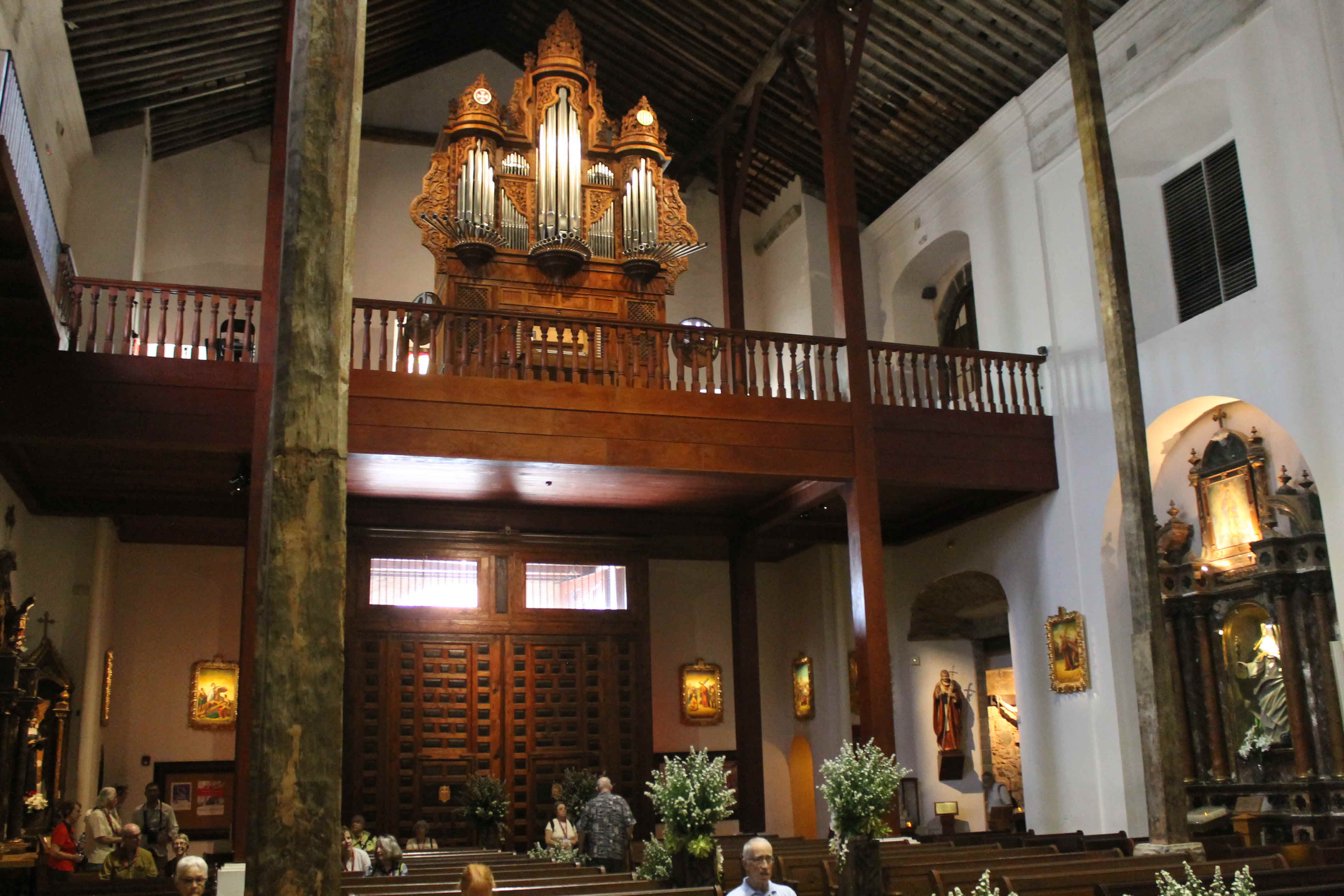
- organ of church
-
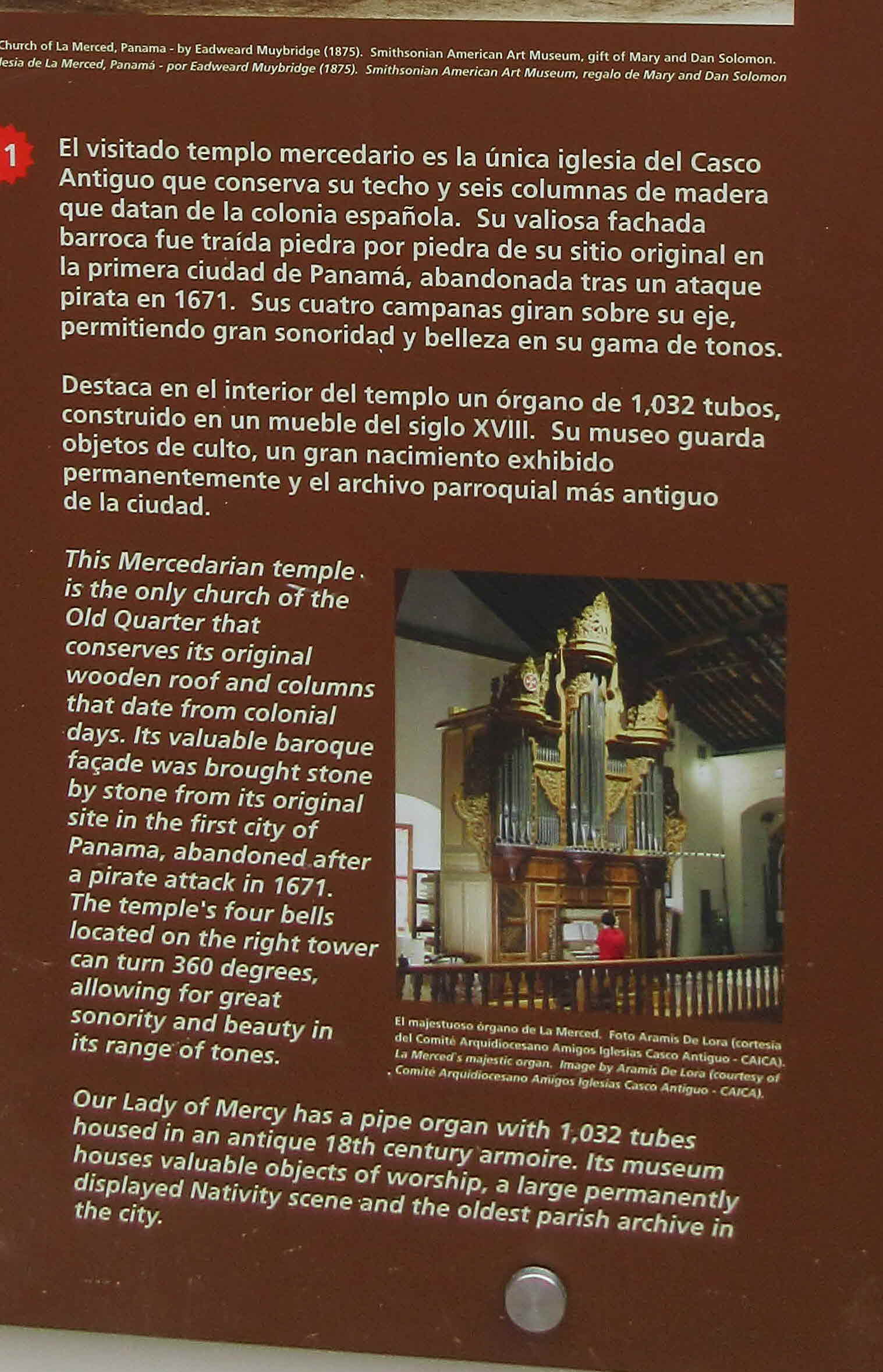
- more about St Merced
-
- true?
-
- men’s Panama hats
-
- women’s Panama hats
-
- more Panama hats!
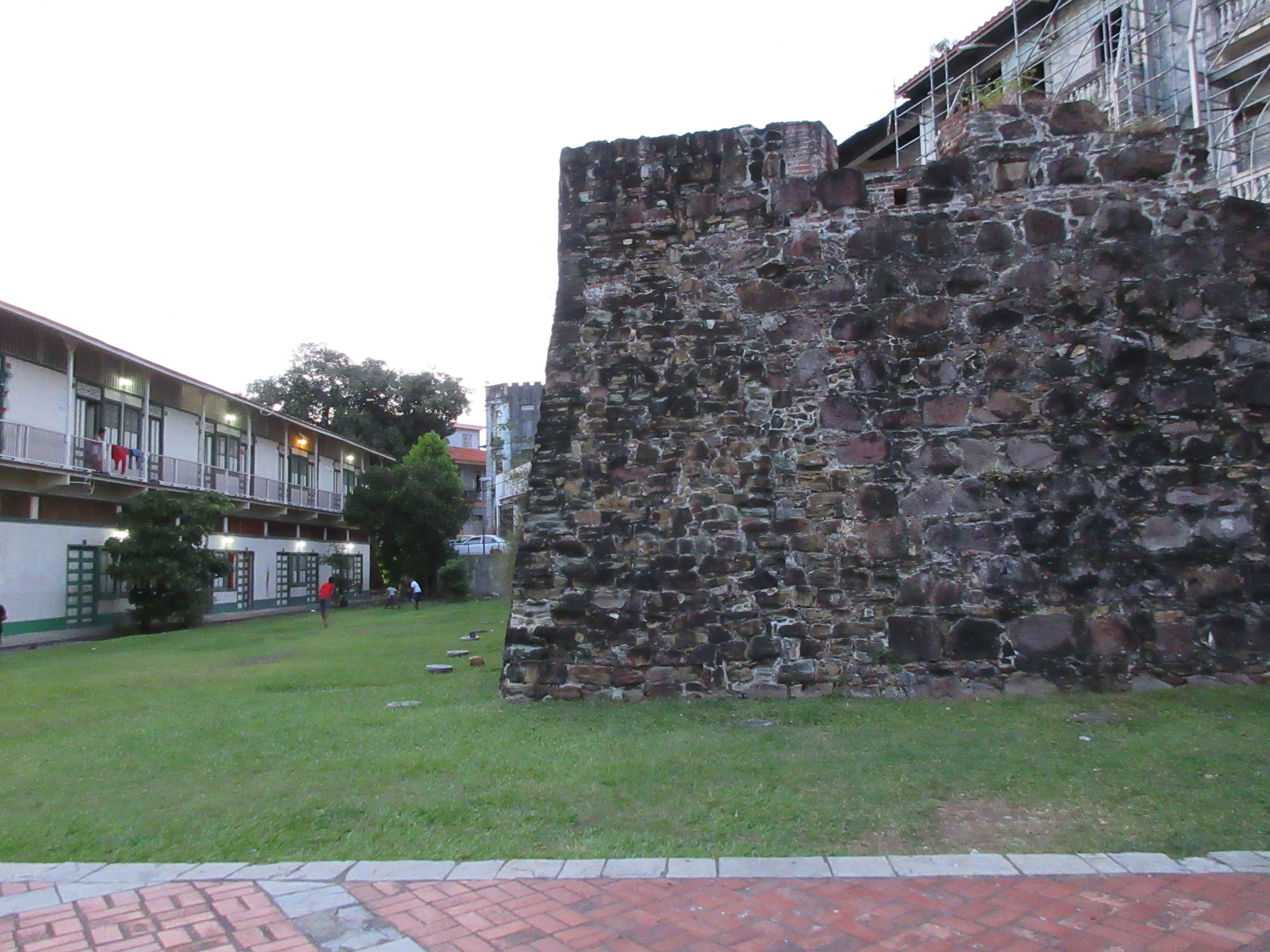
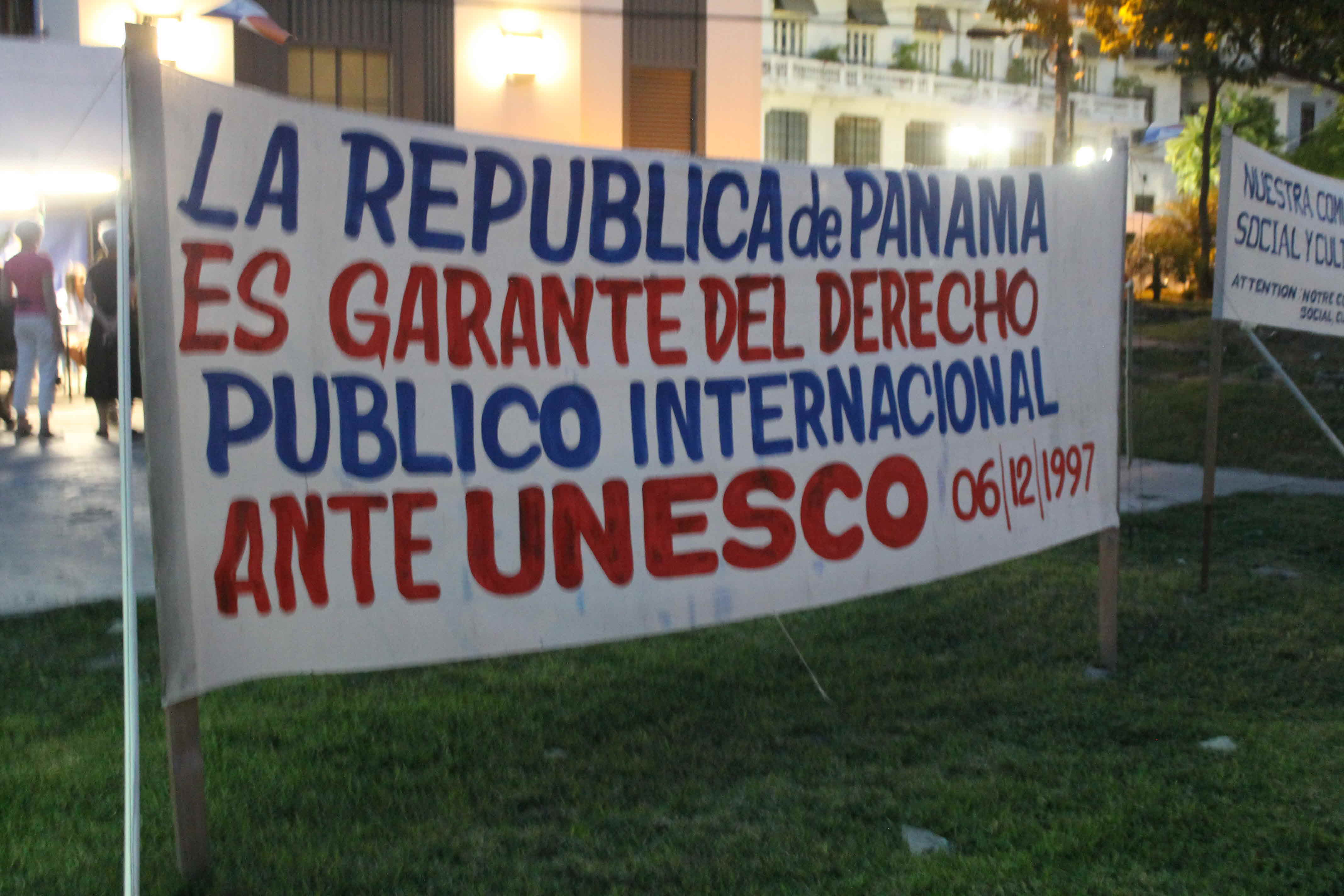
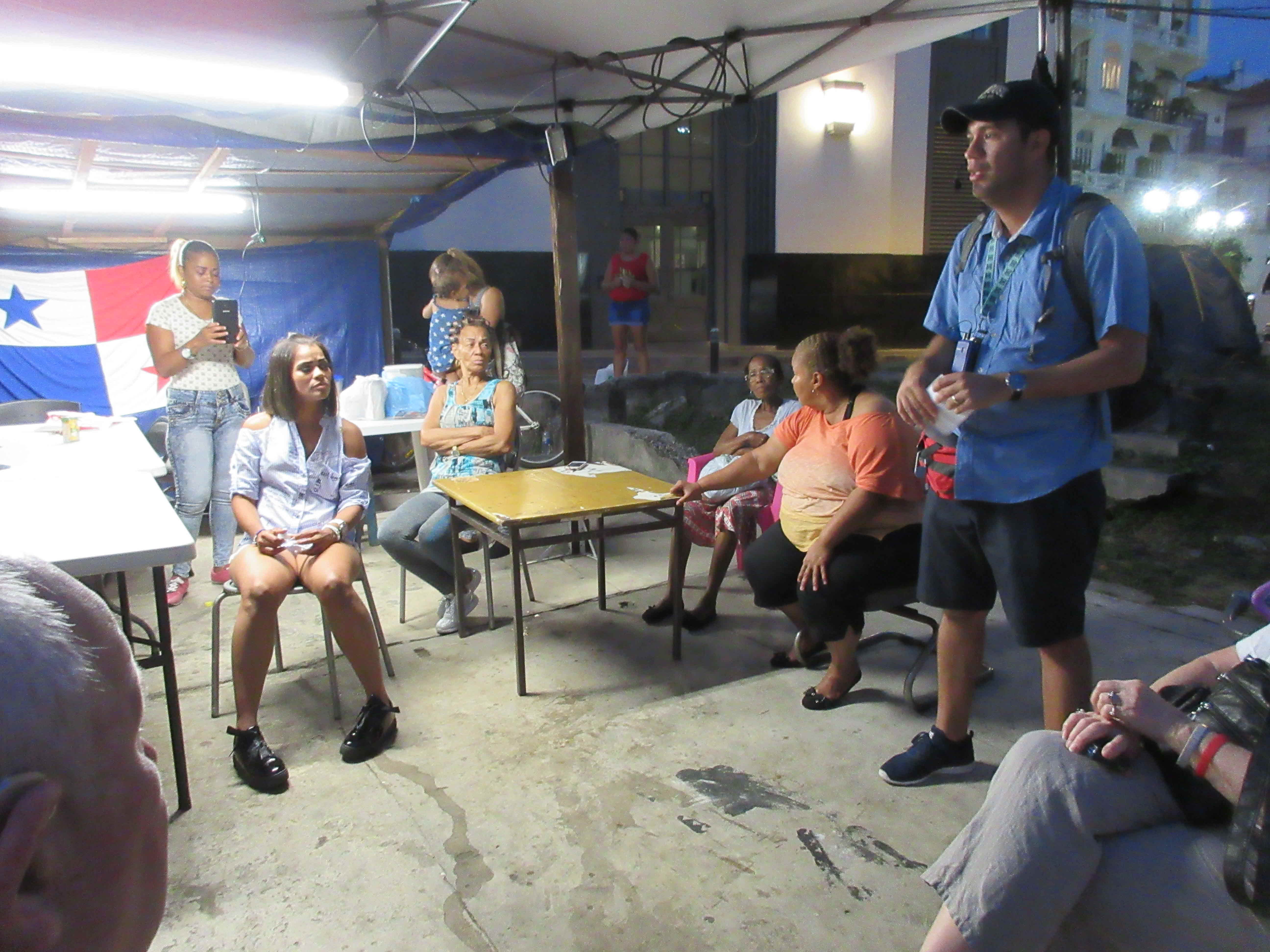
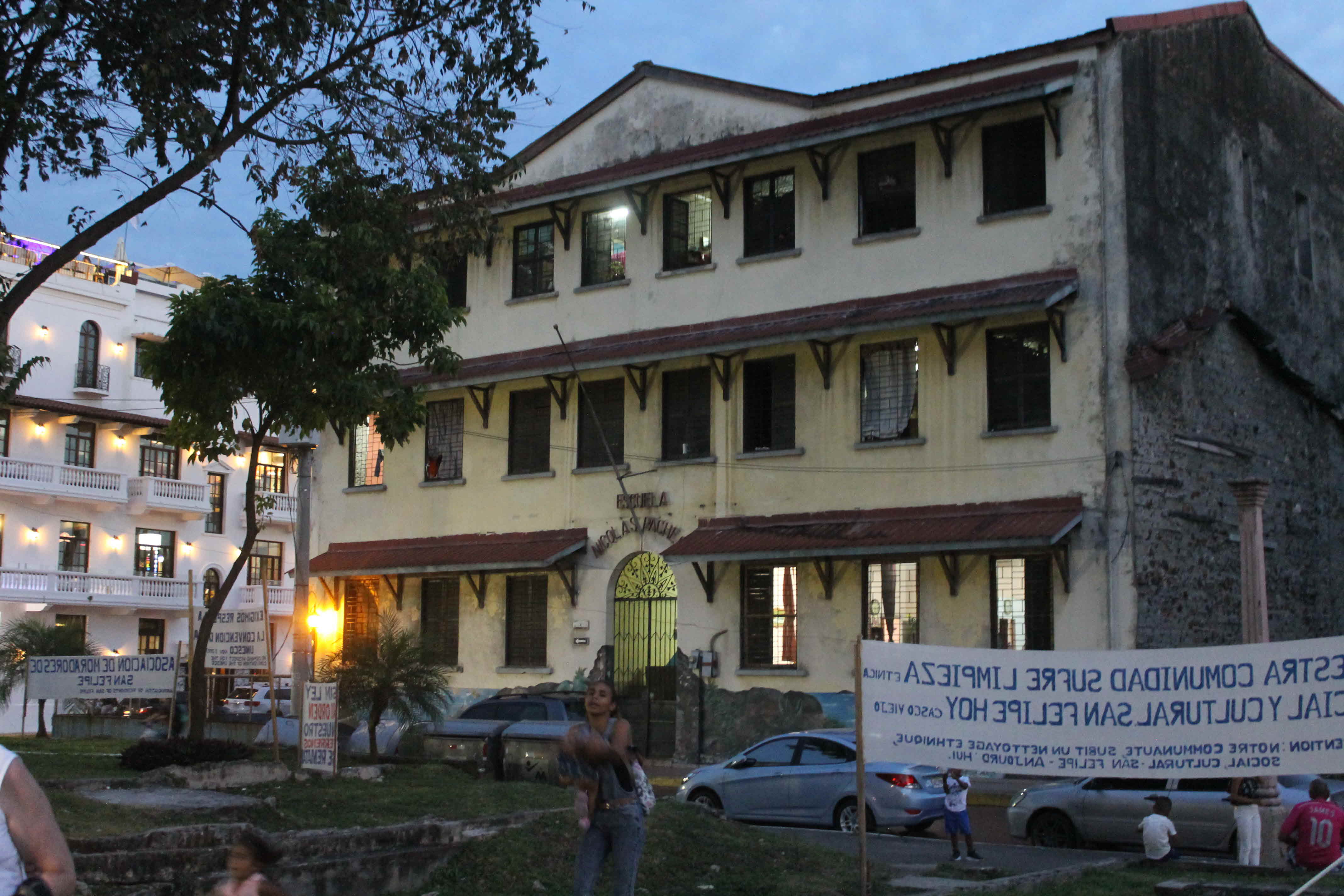
In the evening we talked to a group of women who are part of a community protesting against the government about their land. Balboa was made a World Heritage site. When that happened part of the agreement was that the government would build some residential buildings so that the people who were born and lived on this land would have a home. Instead the government sold the land to large commercial developers. There are about 28 families protesting—sitting in the spot 24 hours/day for 4 months already.
-
- original Spanish wall
-
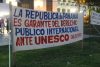
- protest sign
-
- protesters
-
- protesters

-
- school where some families are living
-
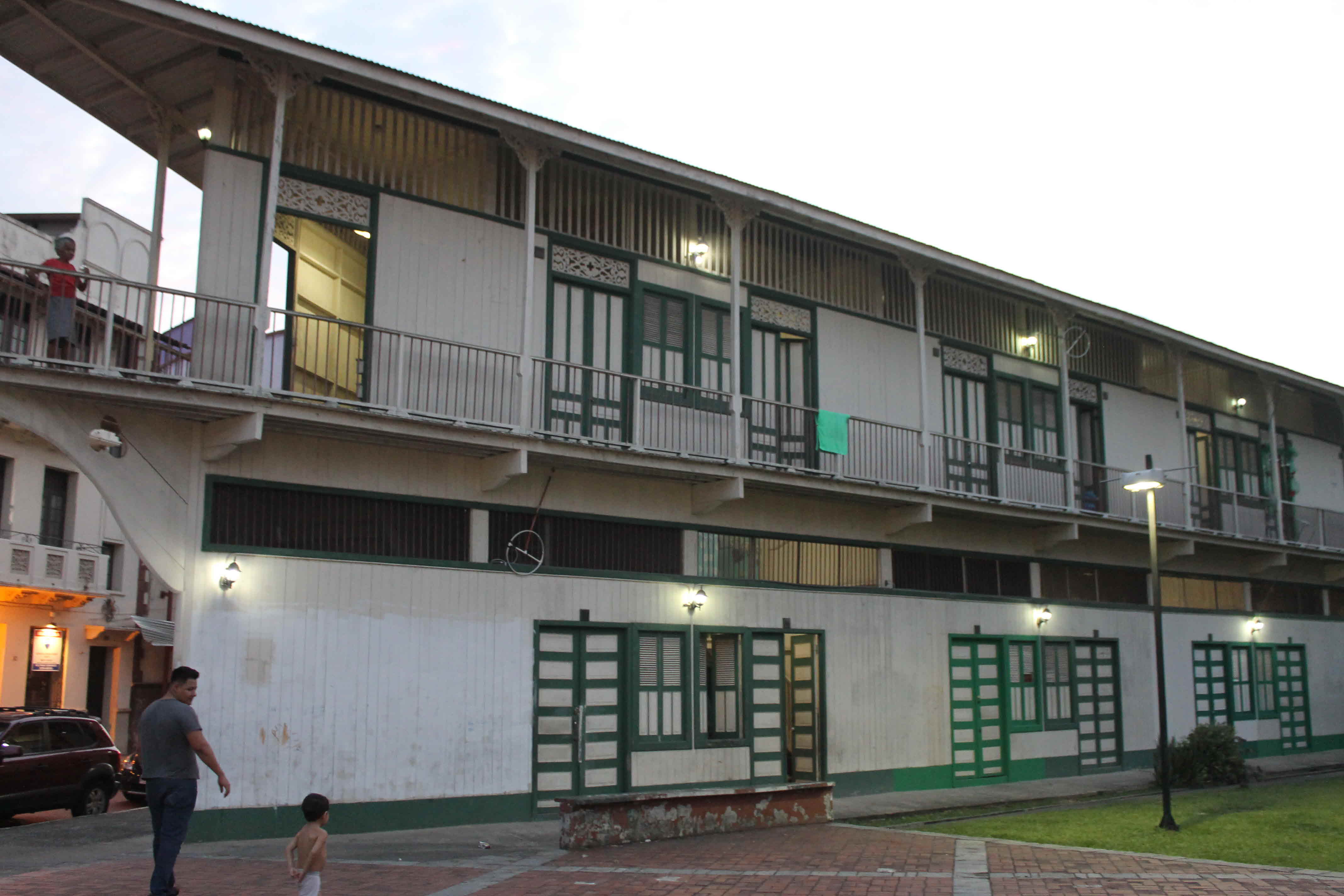
- new homes for some families
-
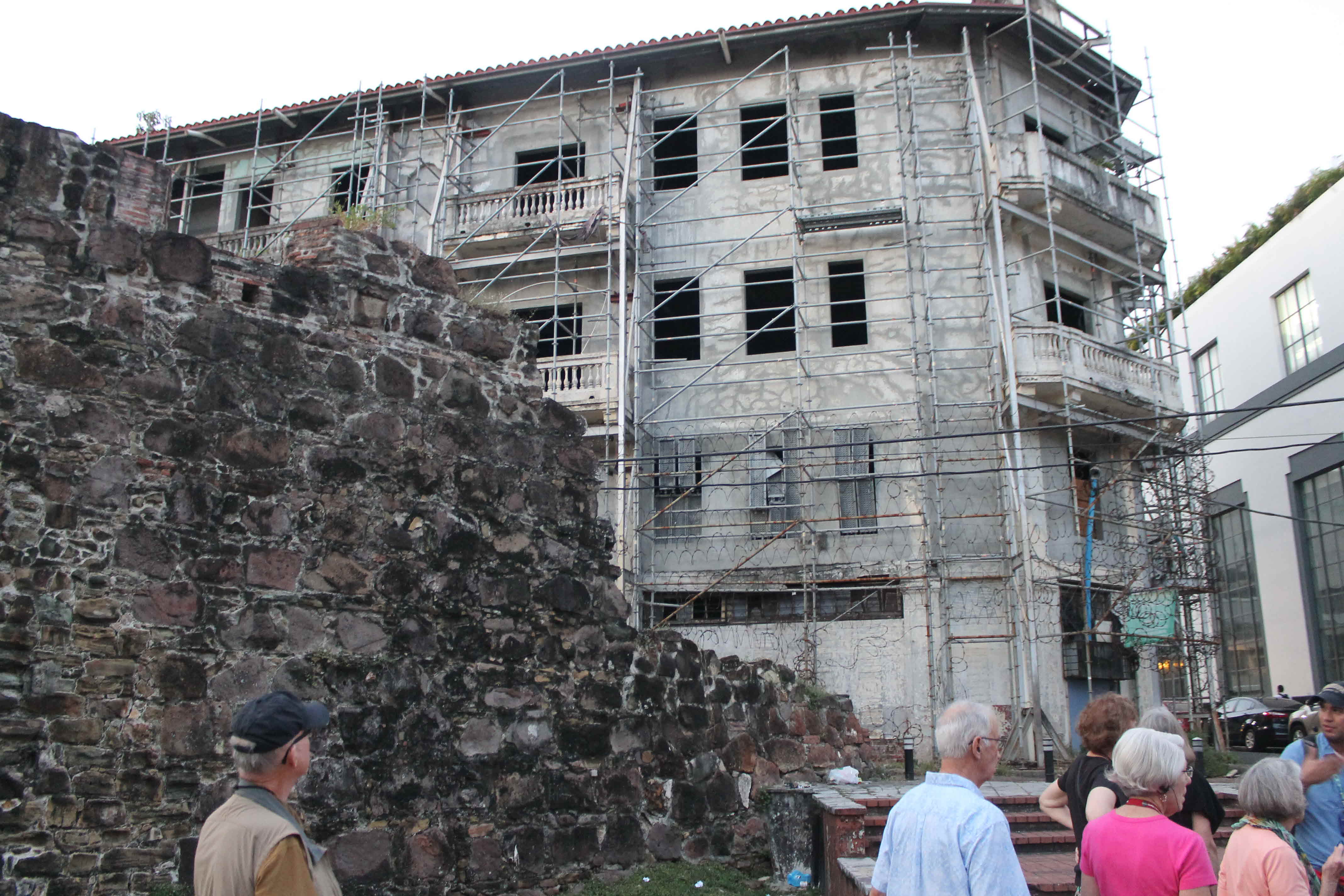
- new corporate building being built
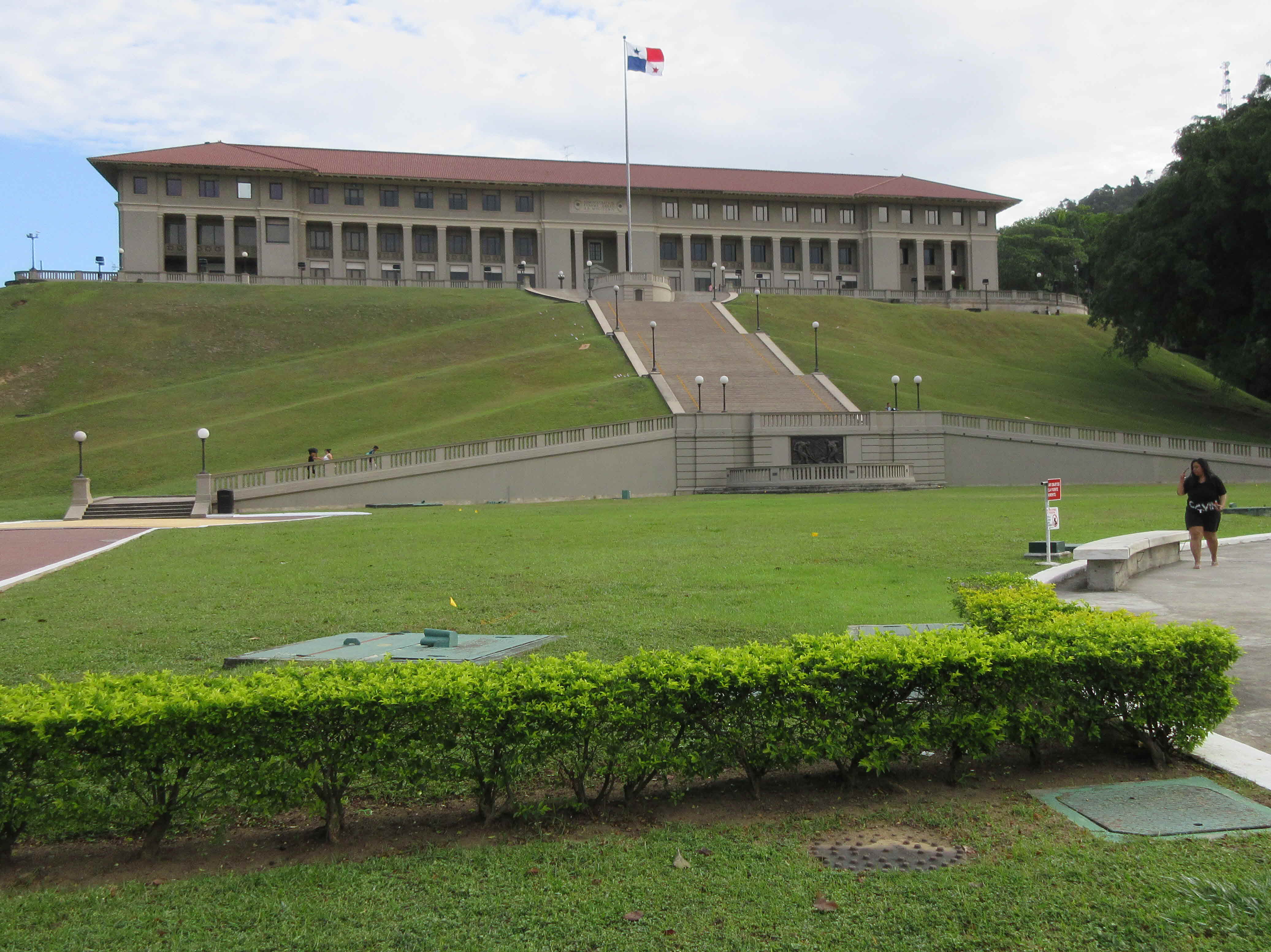
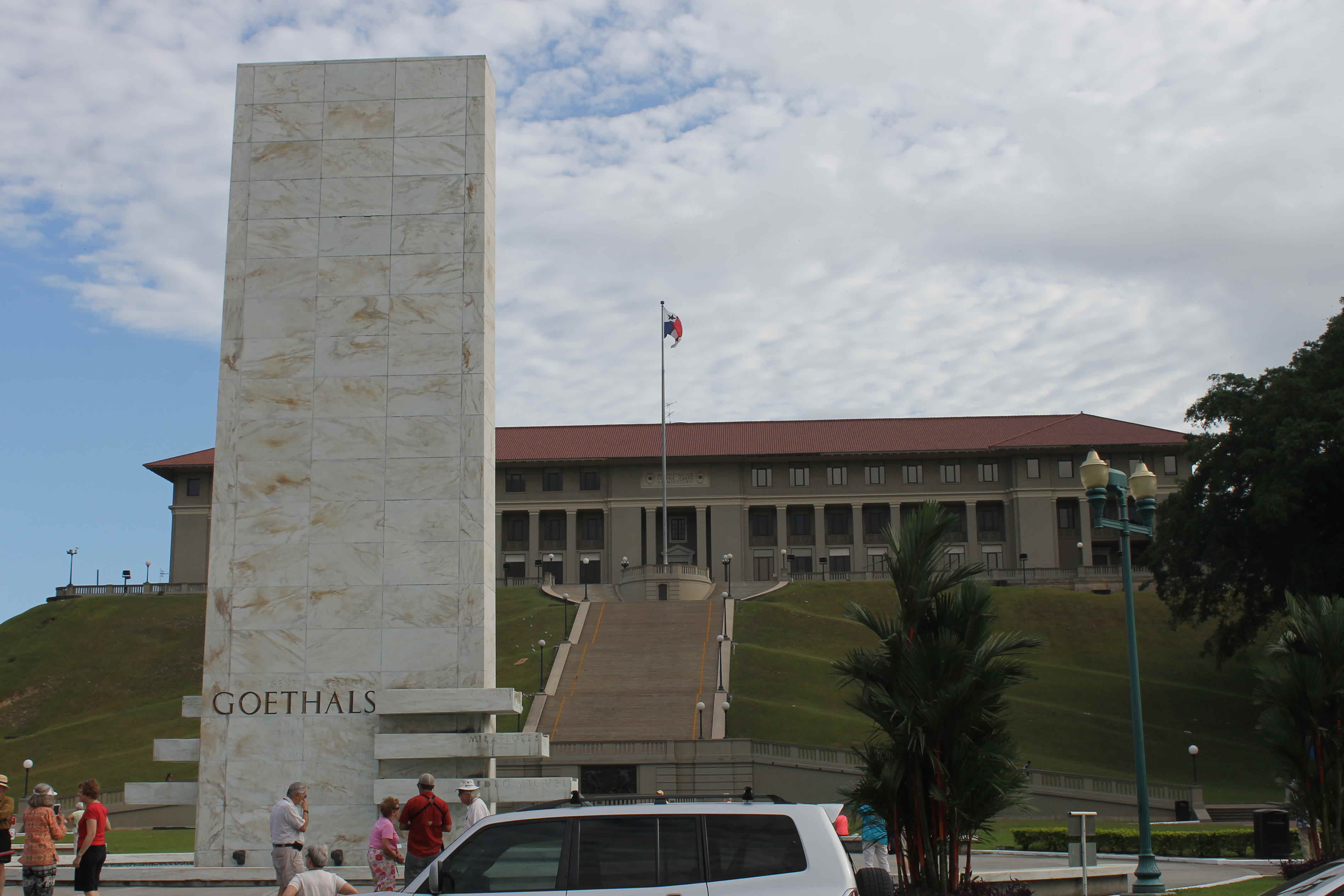
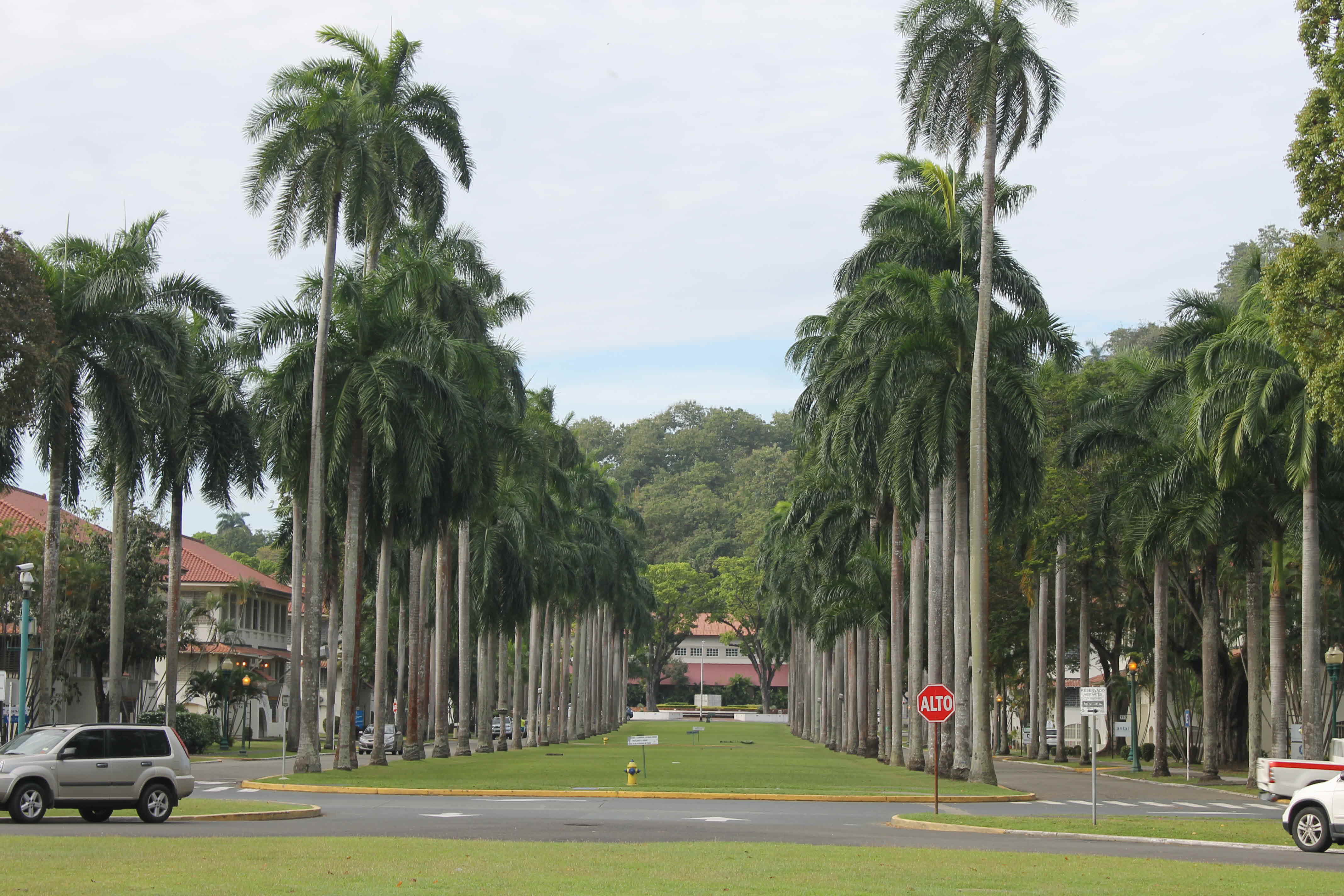
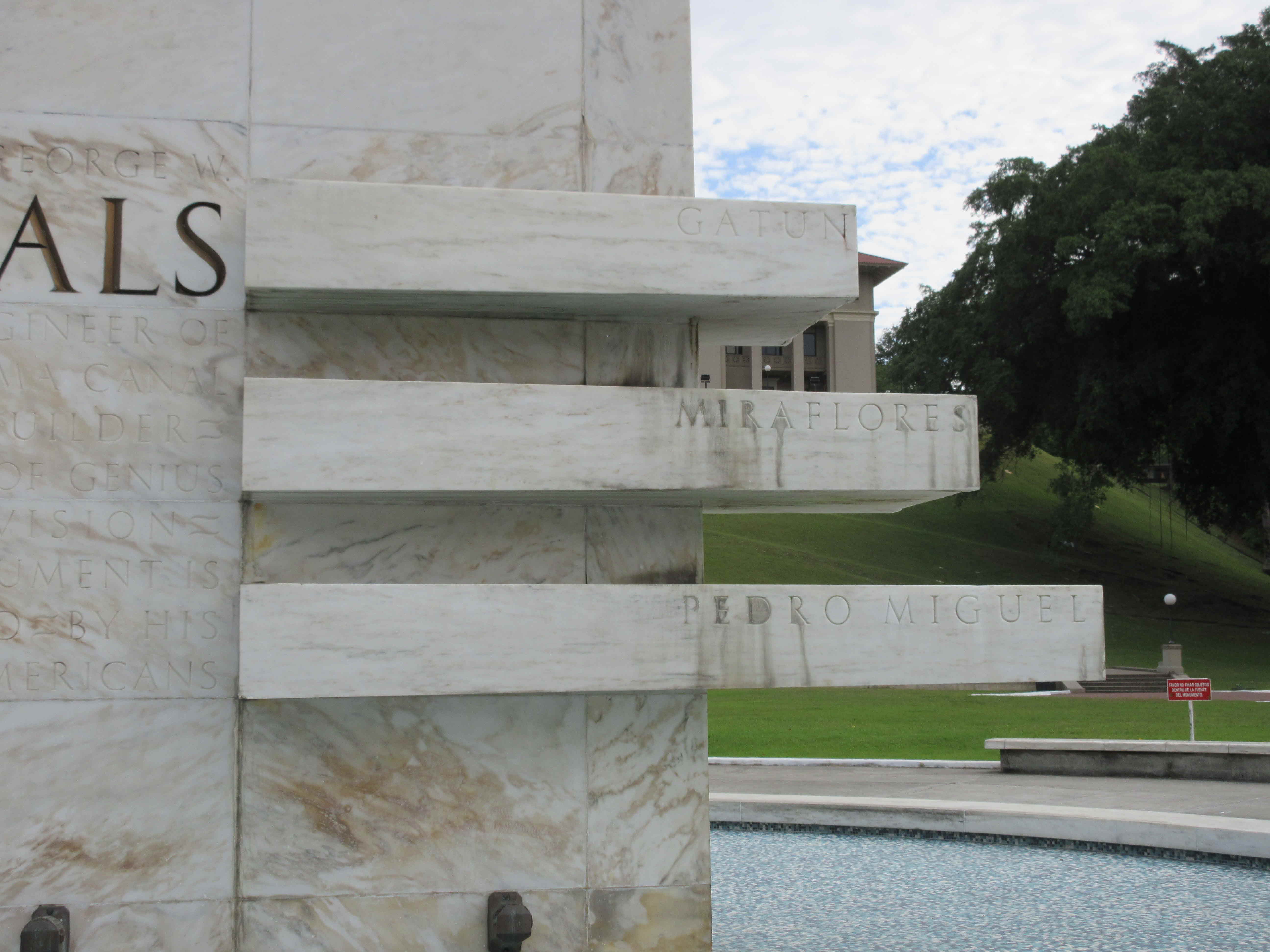
We stopped to see the Panama Canal administration building. It was built on an 85 feet artificial hill to represent the difference in height of the up and down of the canal. The palm trees in front are in the shape and size of a lock. A memorial as high as a lock with the names of three locks on the Pacific side is in front of the Administration building. The Balboa High School is nearby – the site of the January 9 riot.
-
- an old digger from the canal

-
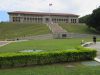
- Panama Canal administration building
-
- administration and memorial
-
- line of palms
-
- memorial to canal architect

-
- names of Pacific-side locks
-
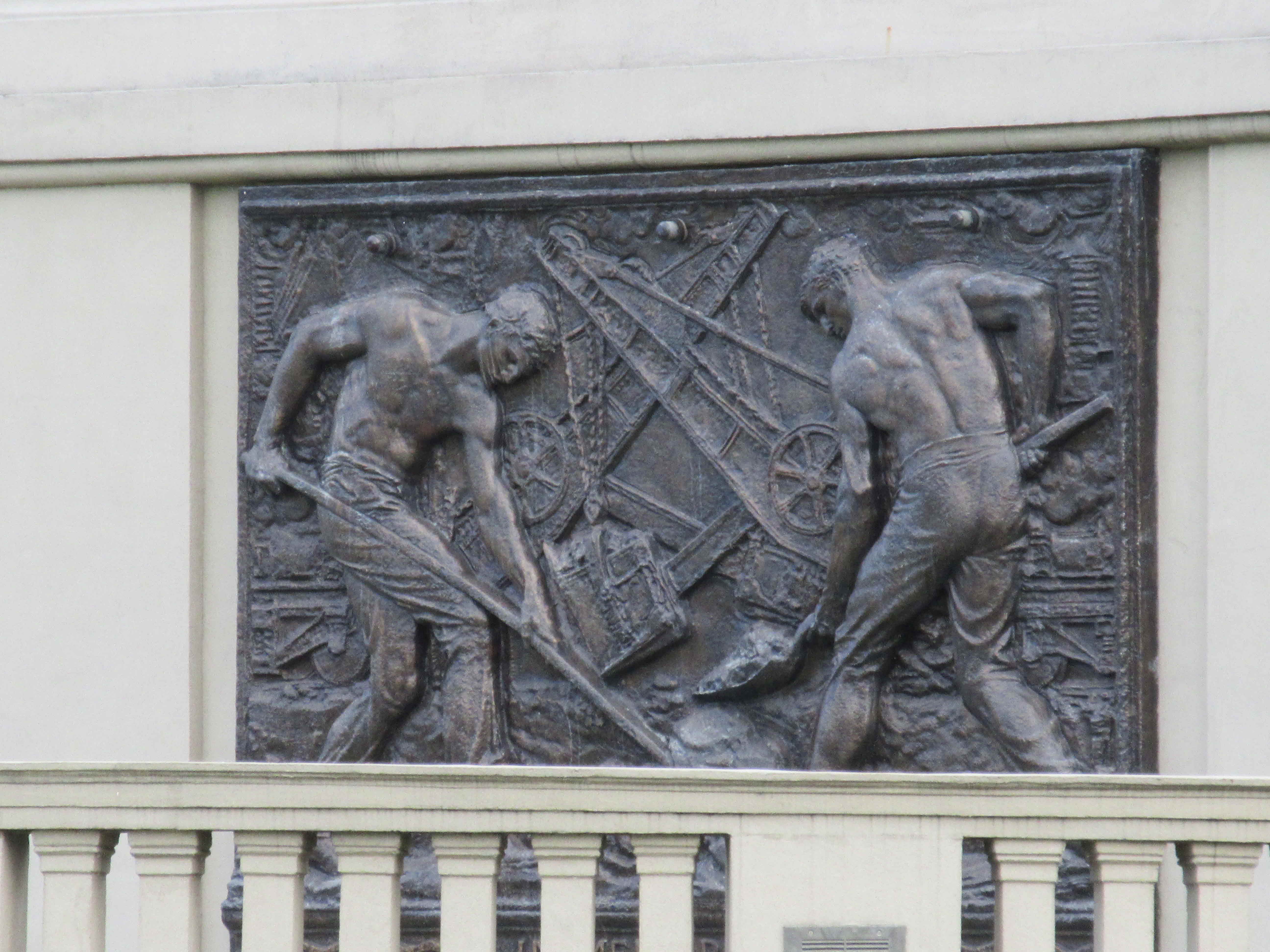
- canal builders
-
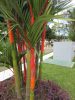
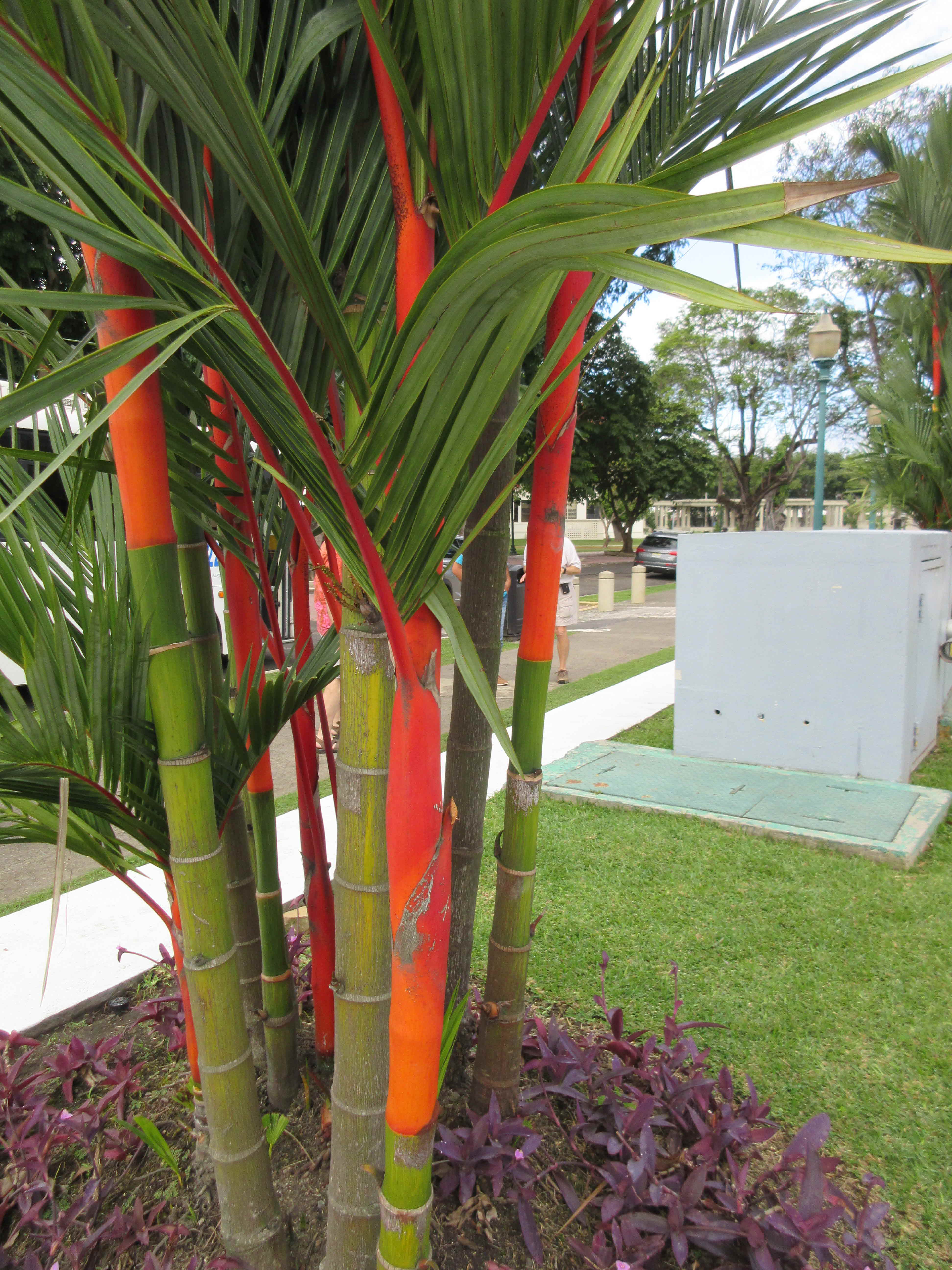
- interesting palm
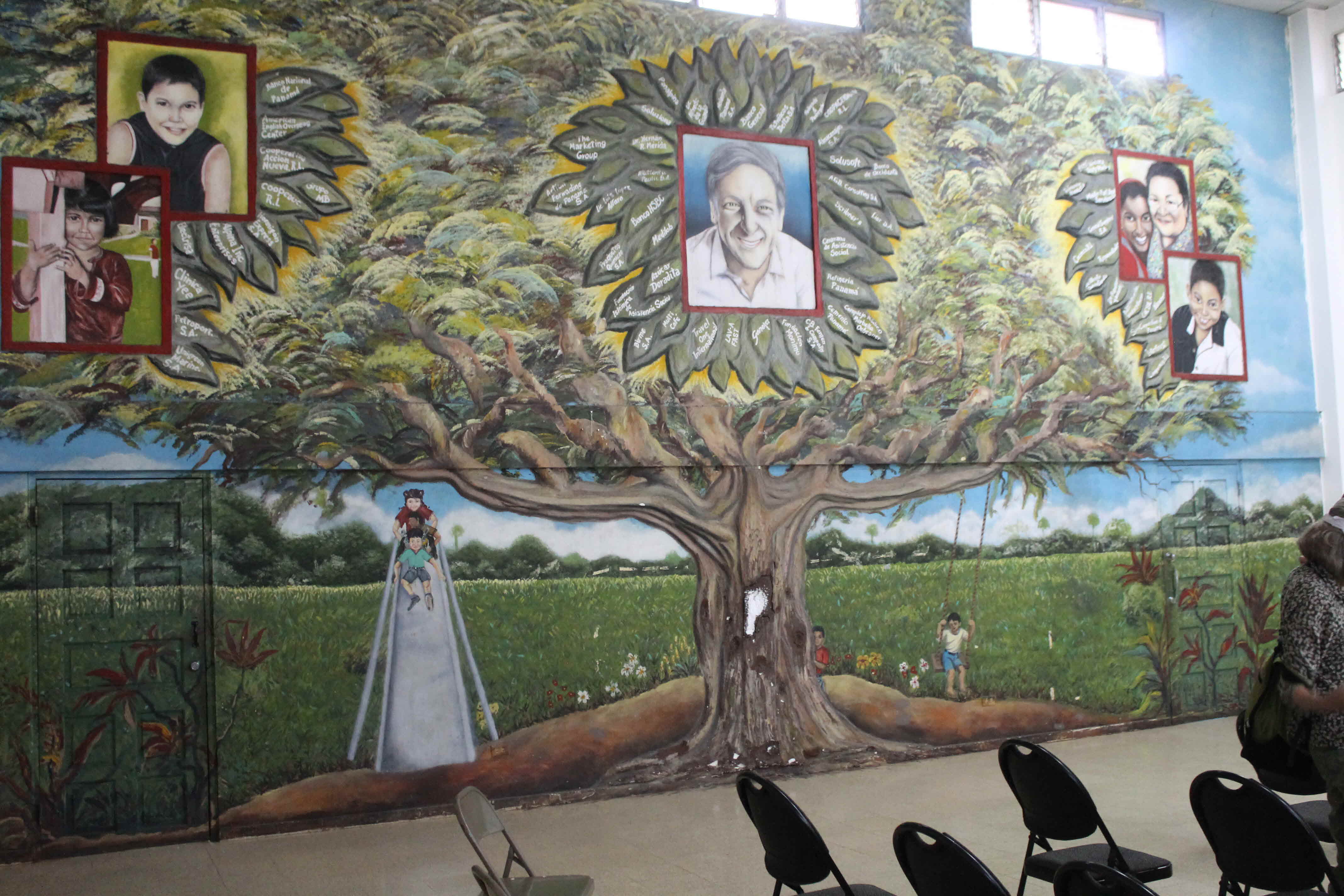
We took several excursions out of the City. We visited SOS Children’s Village. This is an international organization which began work in Panama in the 1980s. They provide homes with “aunties” who care for children who may come from abusive homes or poor homes. They try to provide a stable home environment until they are either adopted or returned to the parents, or can be independent.
-
- SOS meeting room
-
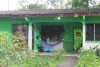
- “family” home

-
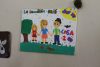
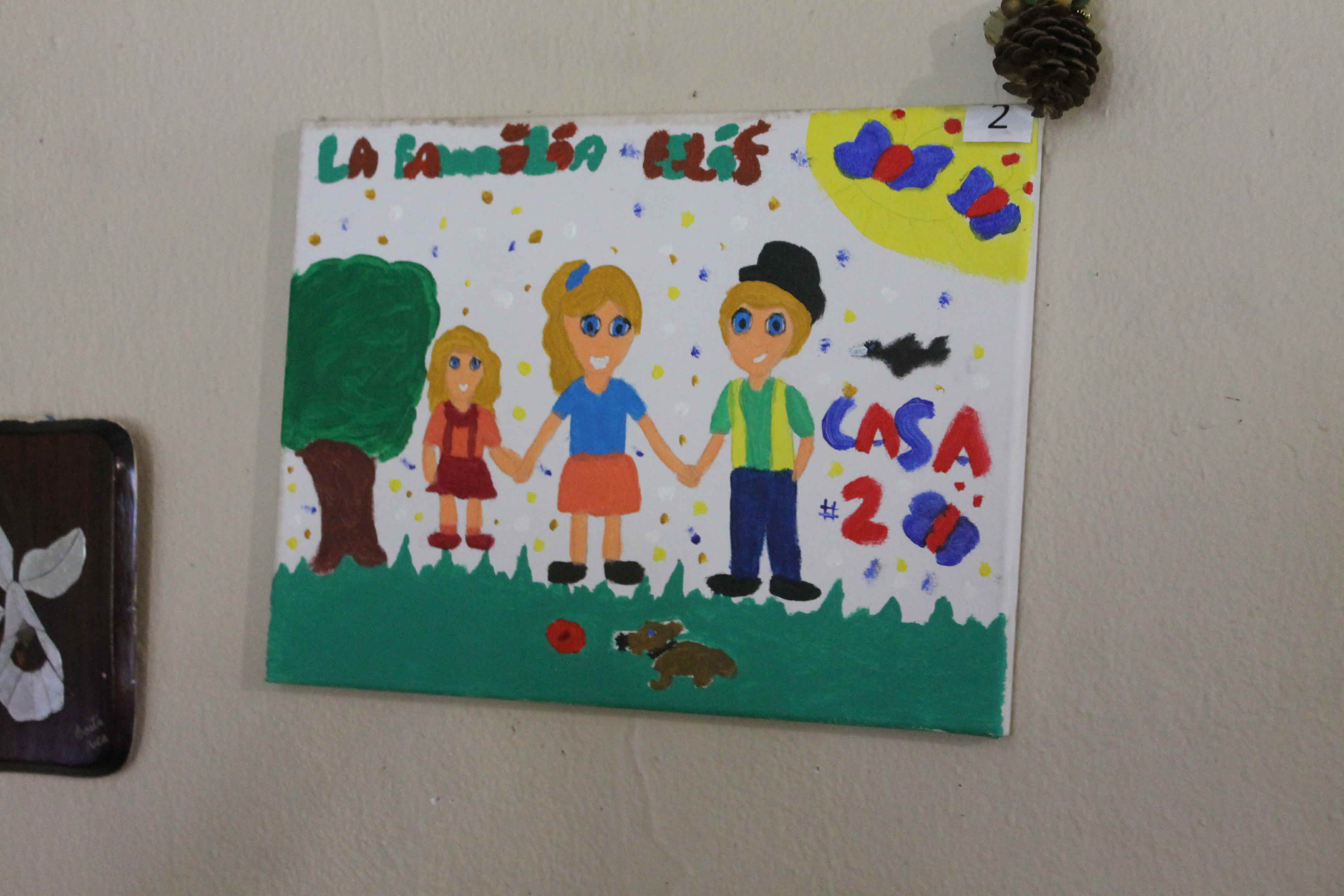
- art work
-
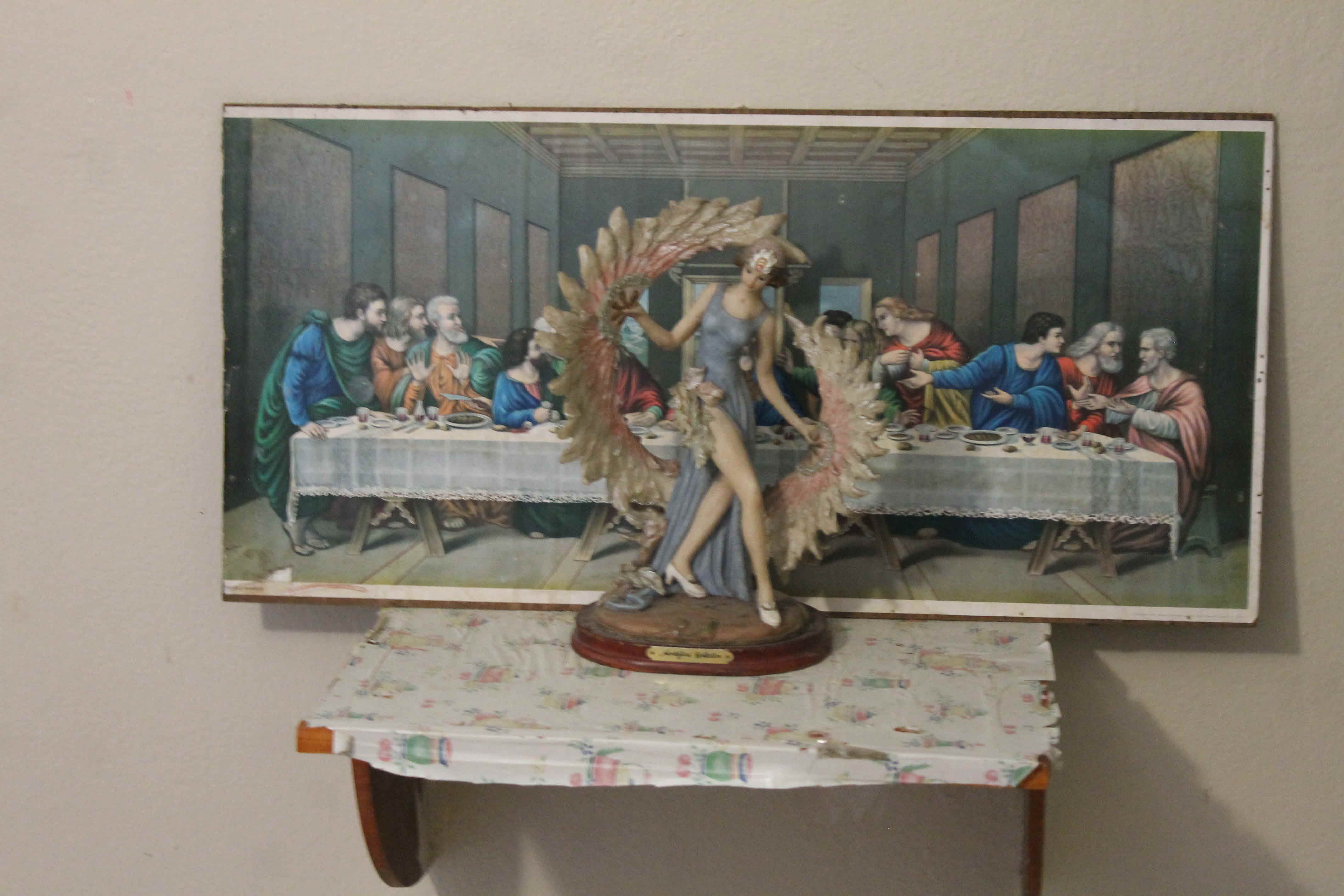
- Carnival queen and Last Supper – interesting
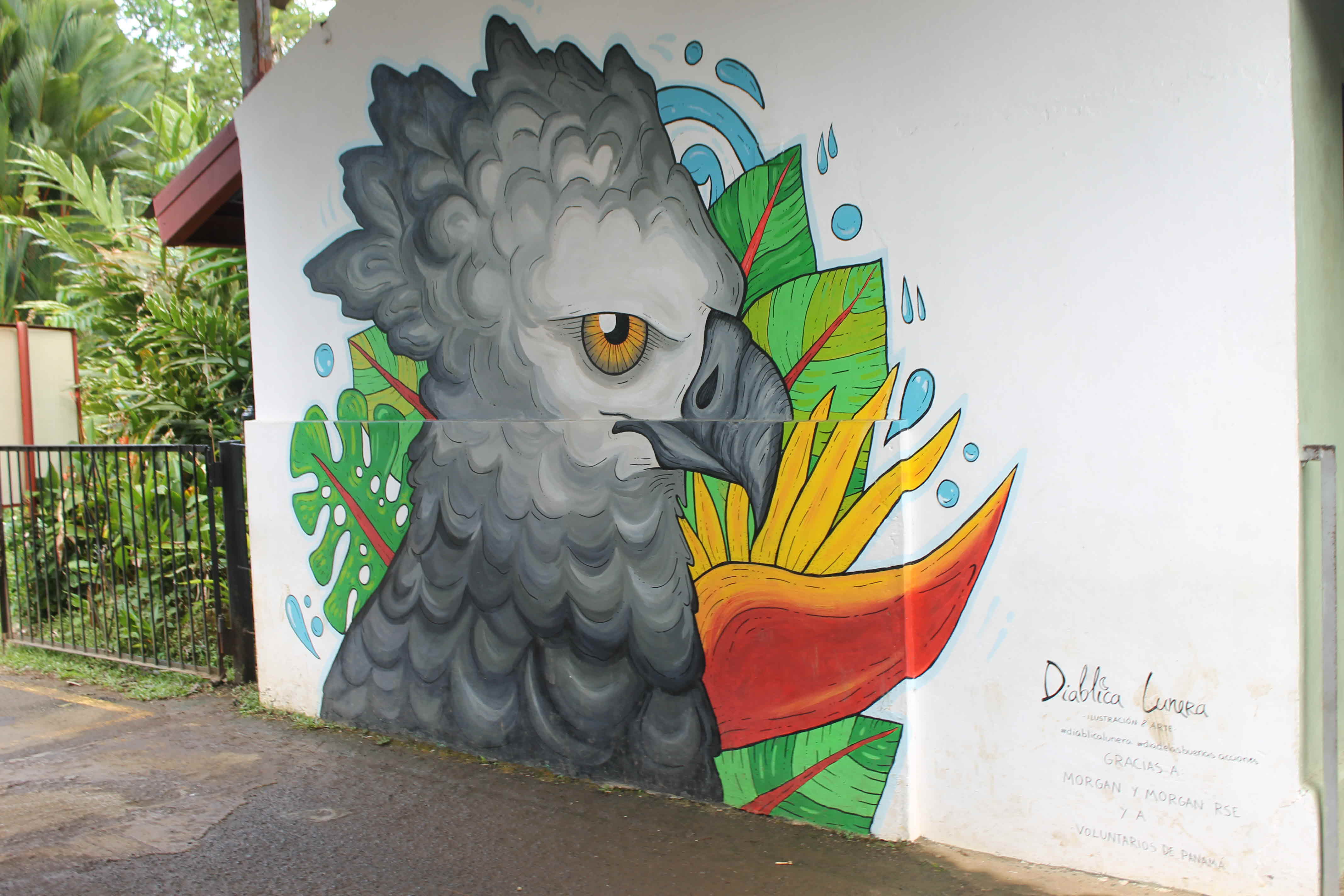
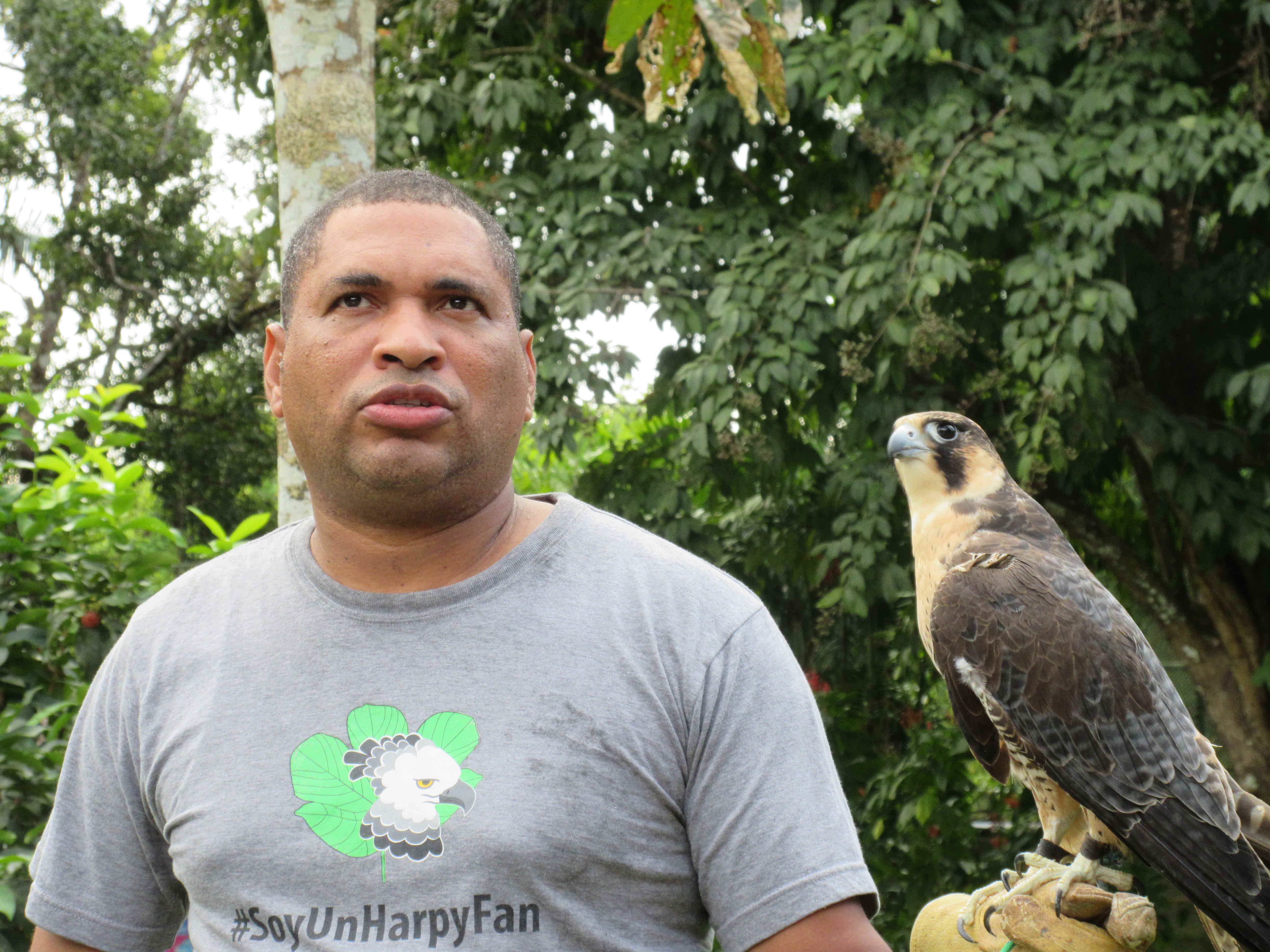
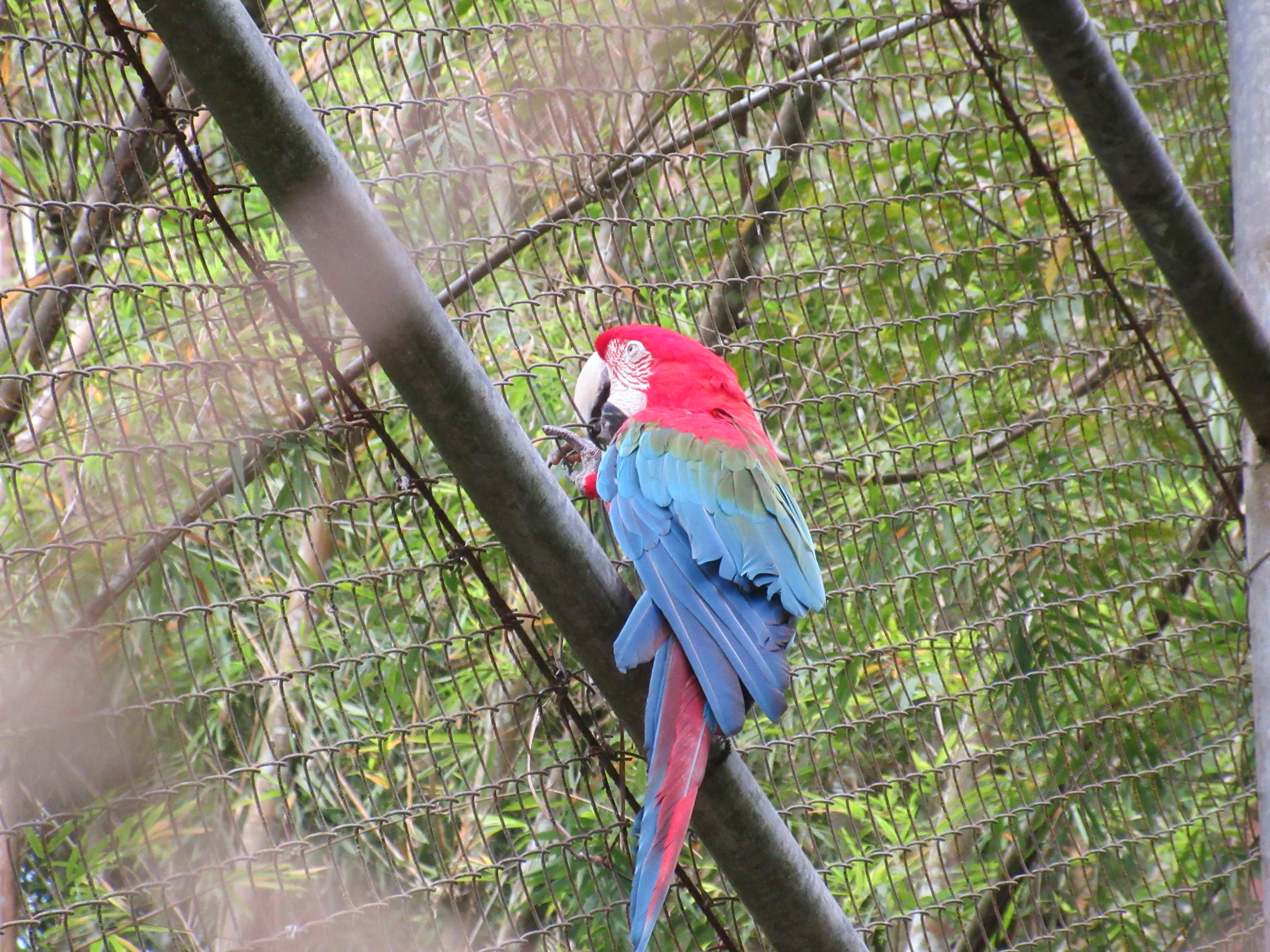
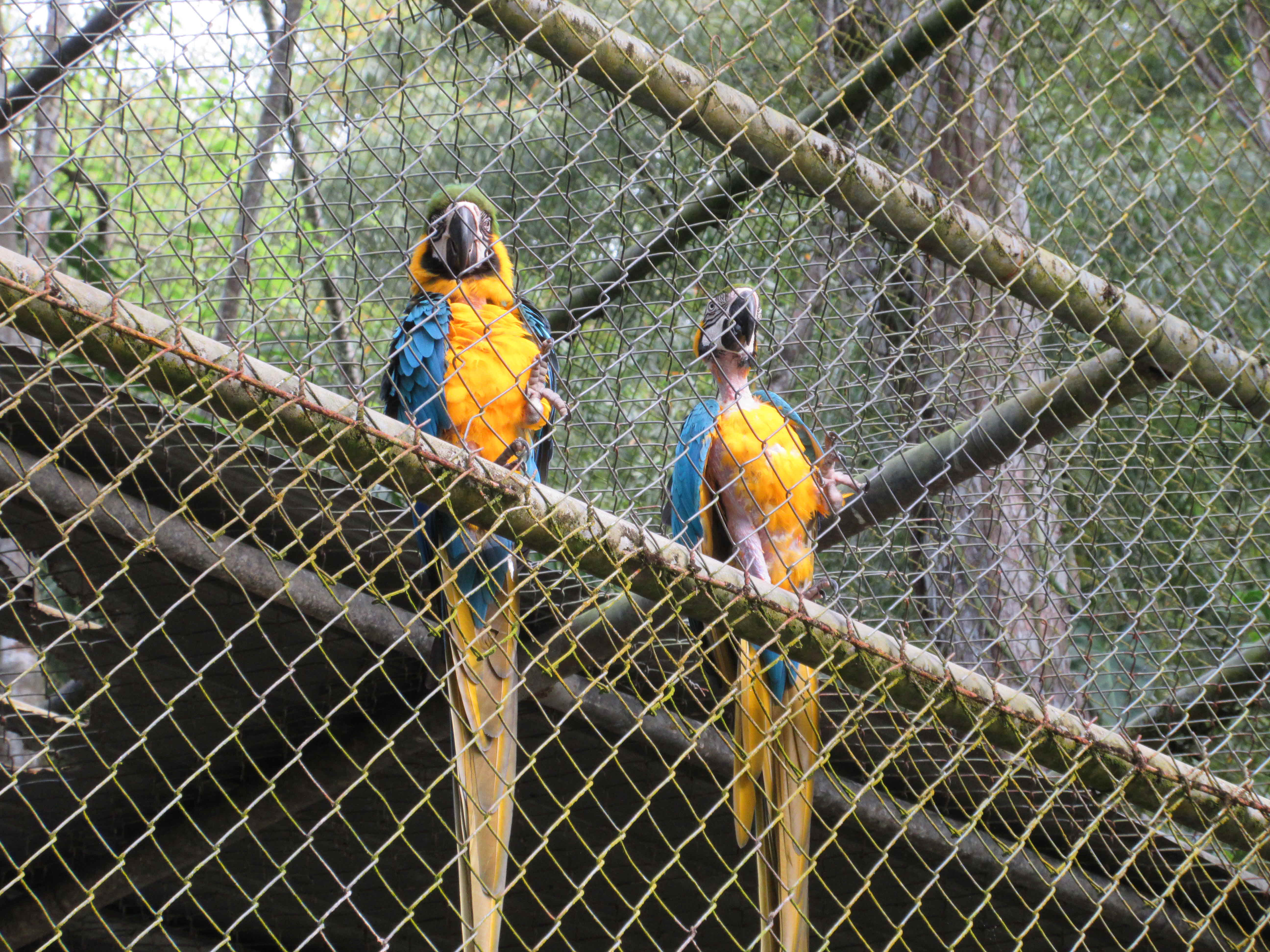
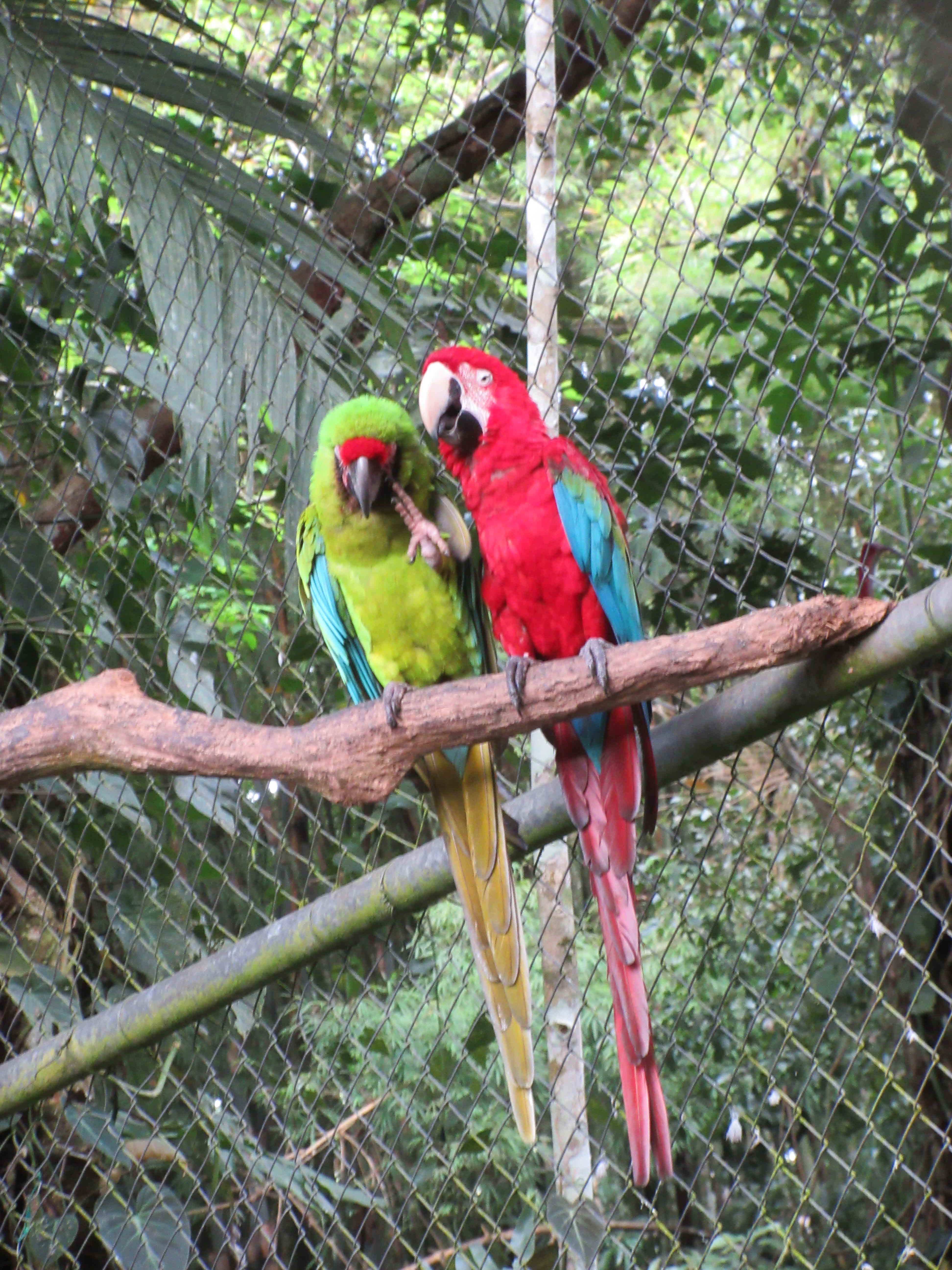
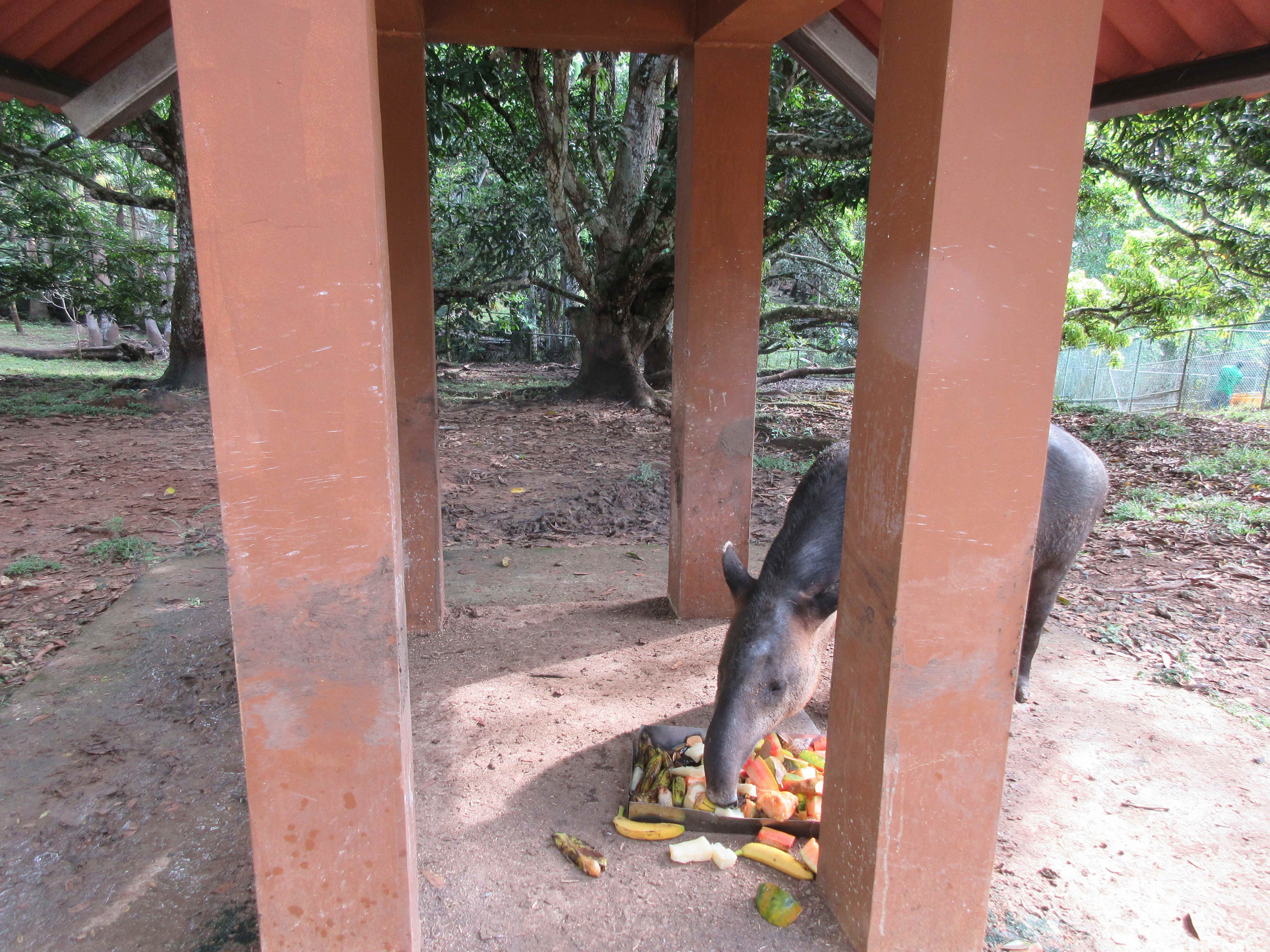
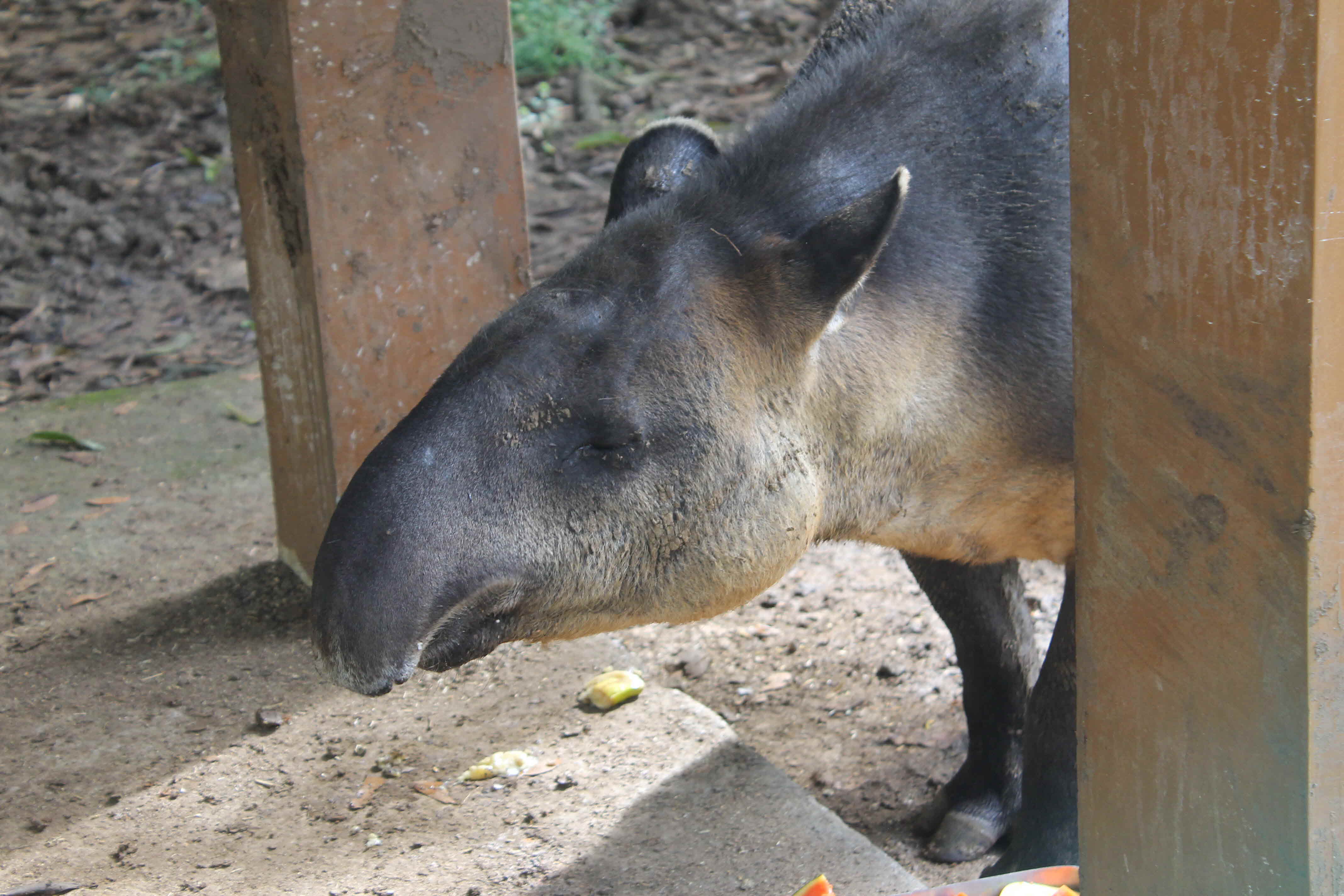
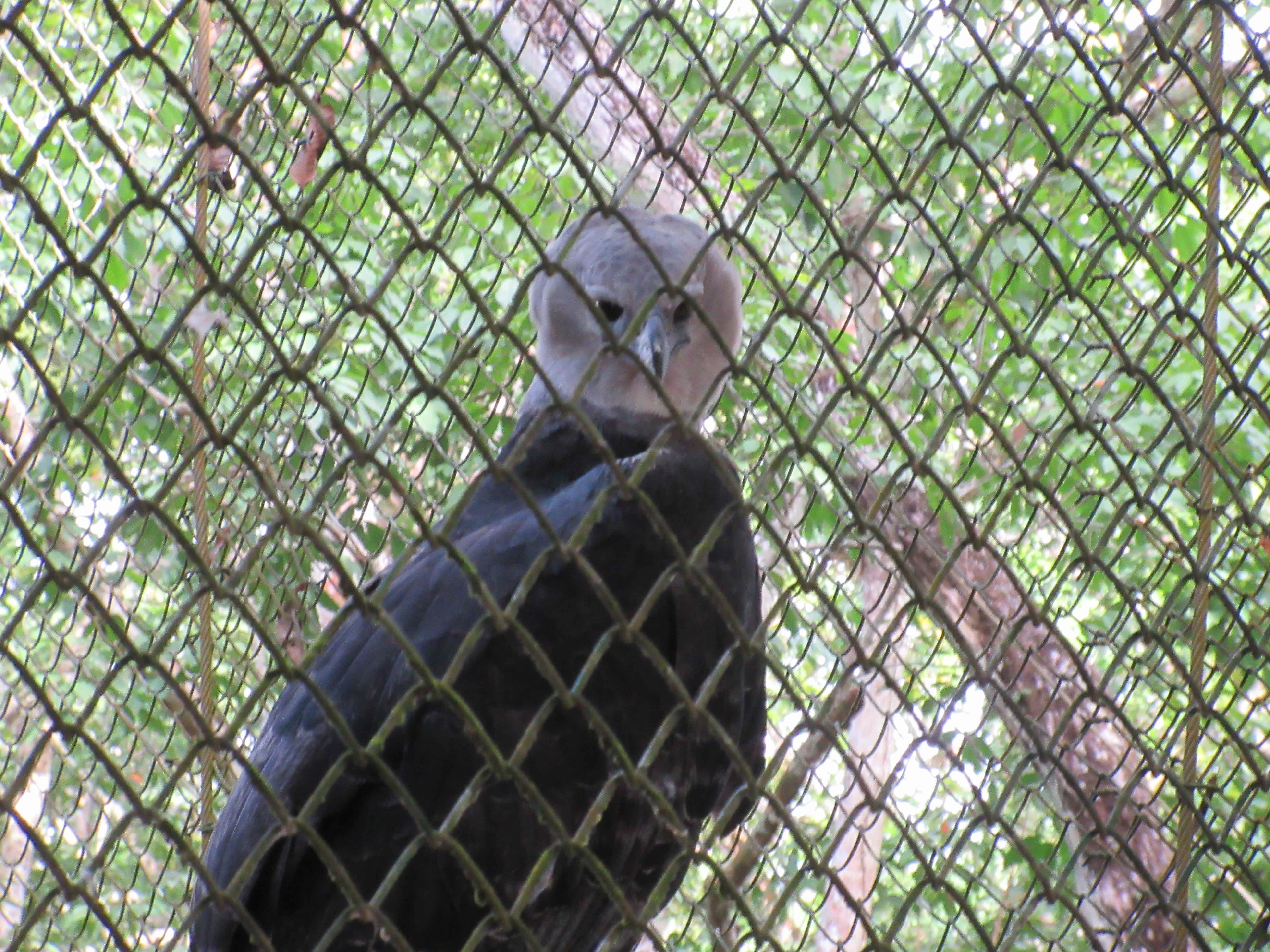
We visited the Harpy Eagle Research Station. The Harpy is the national bird of Panama. Also in this area they protect other birds and animals—ones who have been hurt, etc. Saw macaws, tapir, falcons, etc.
-
- entrance to Harpy Research Station
-
- falcon

-
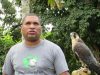
- falcon
-
- duck

-
- macaw
-
- macaws
-
- loving macaws
-
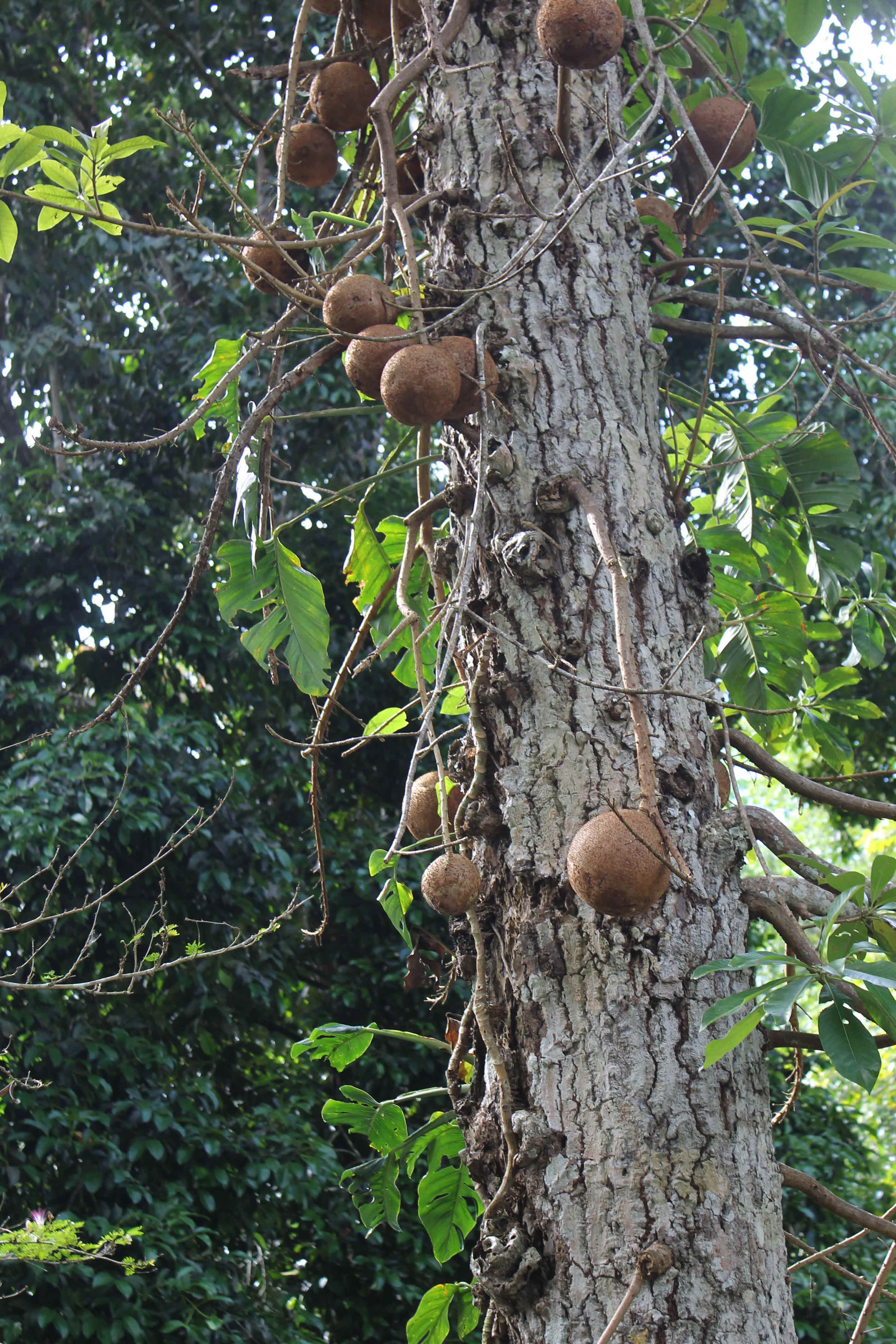
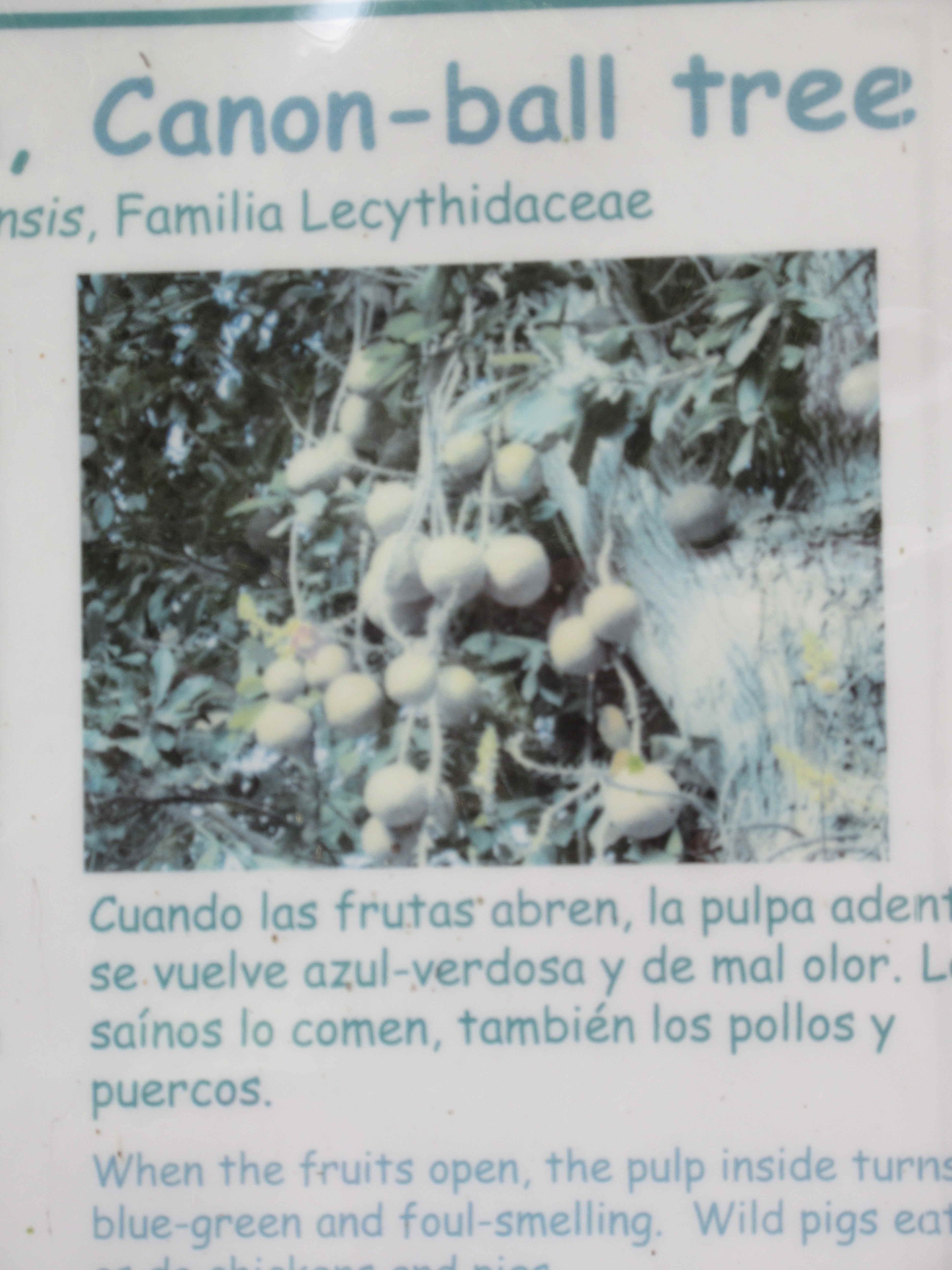
- cannon-ball tree
-
- cannon-ball tree
-
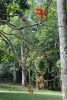
- cannon-ball tree flowers
-
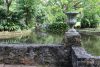
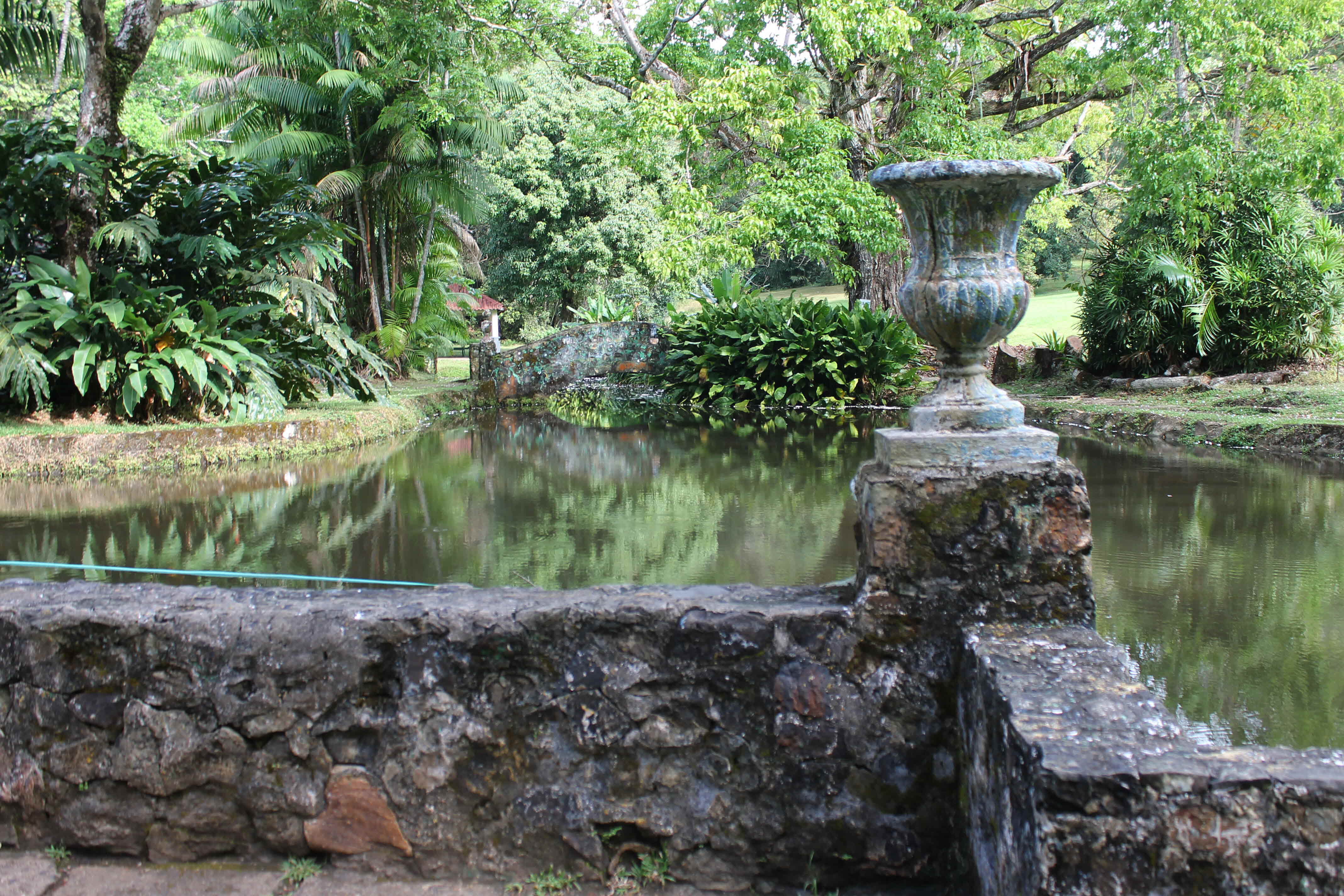
- reflecting pool
-
- tapir
-
- tapir

-
- tapir
-
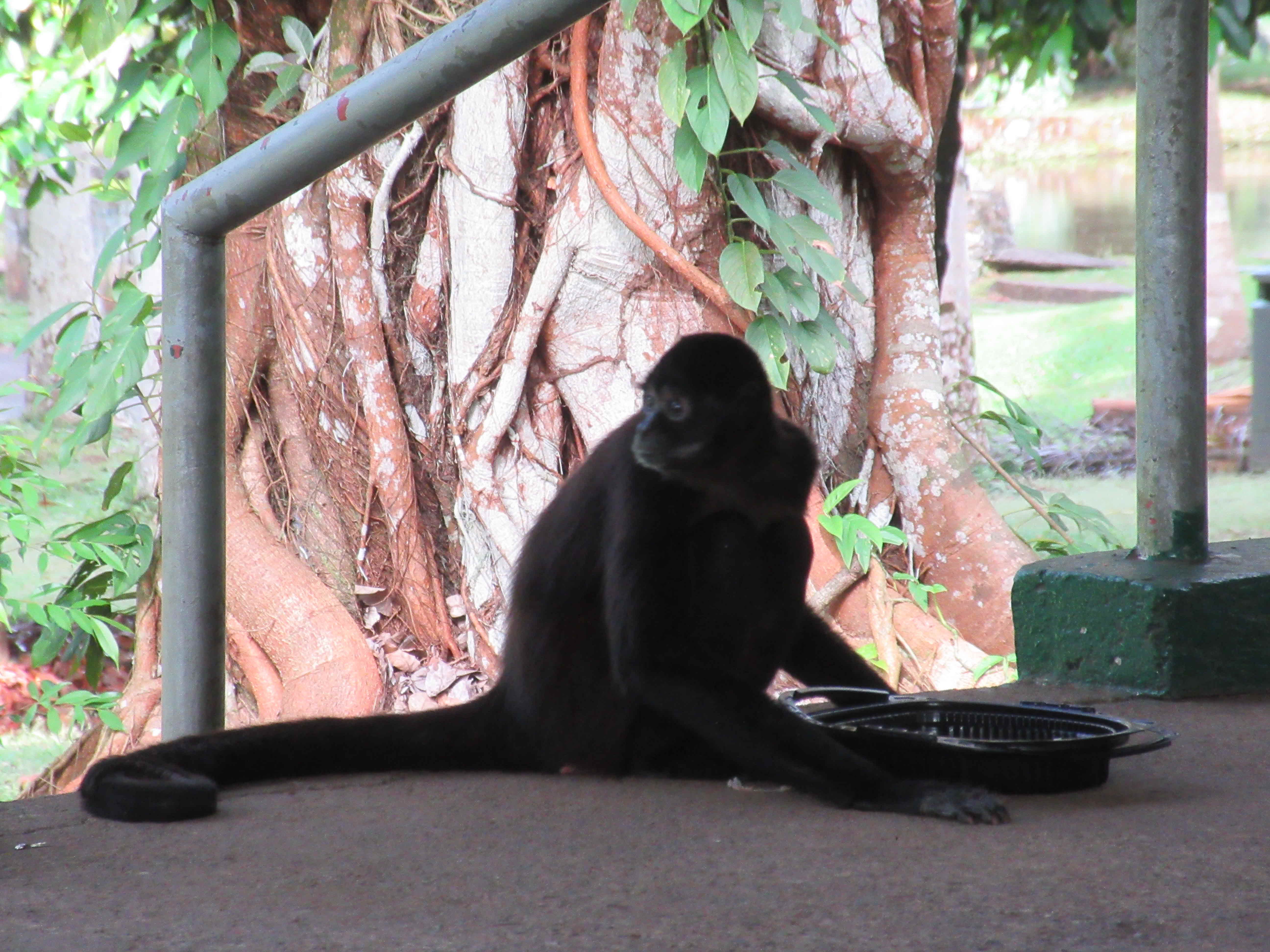
- monkey
-
- falcon

-
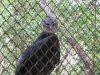
- harpy eagle
-
- harpy eagle
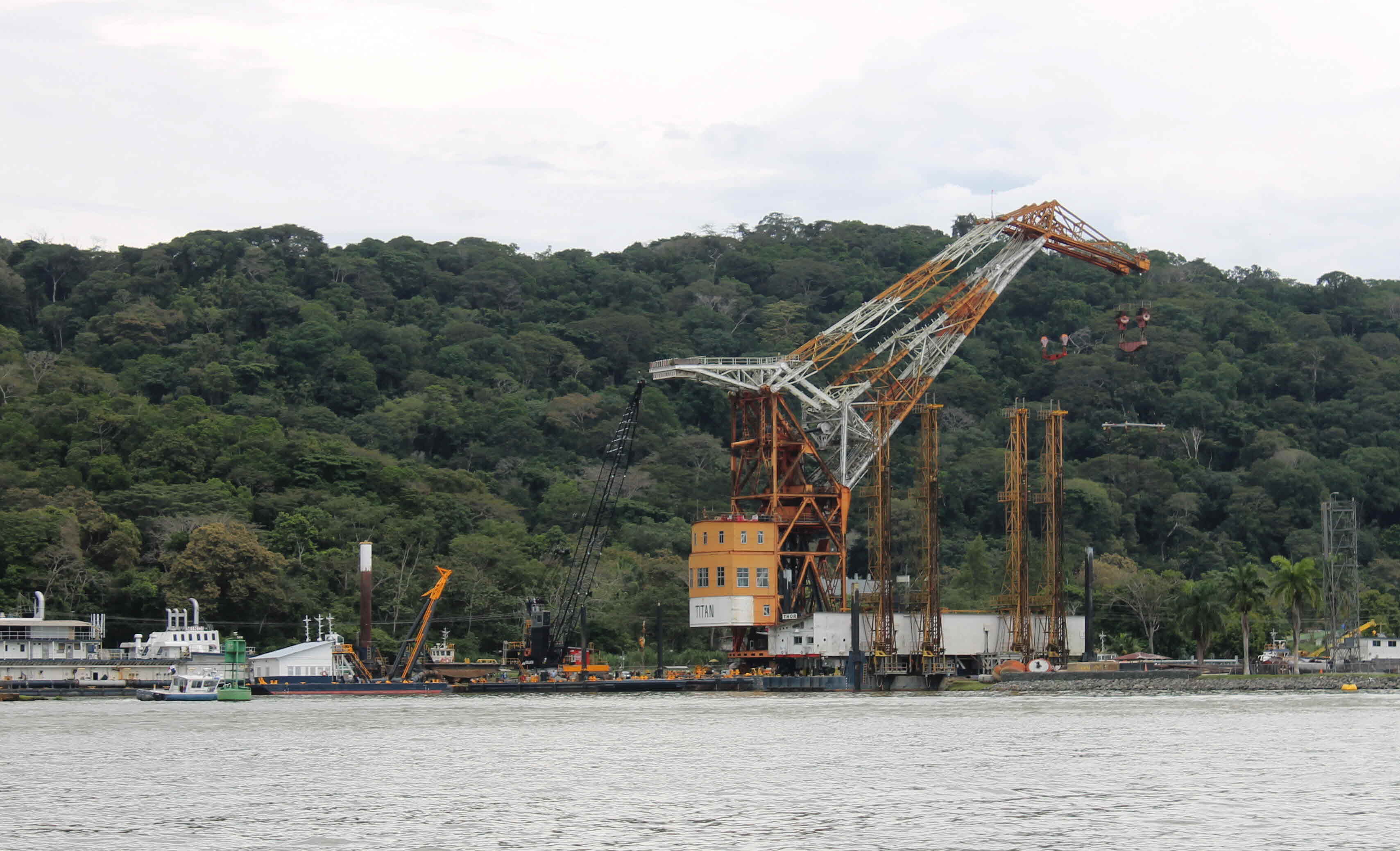
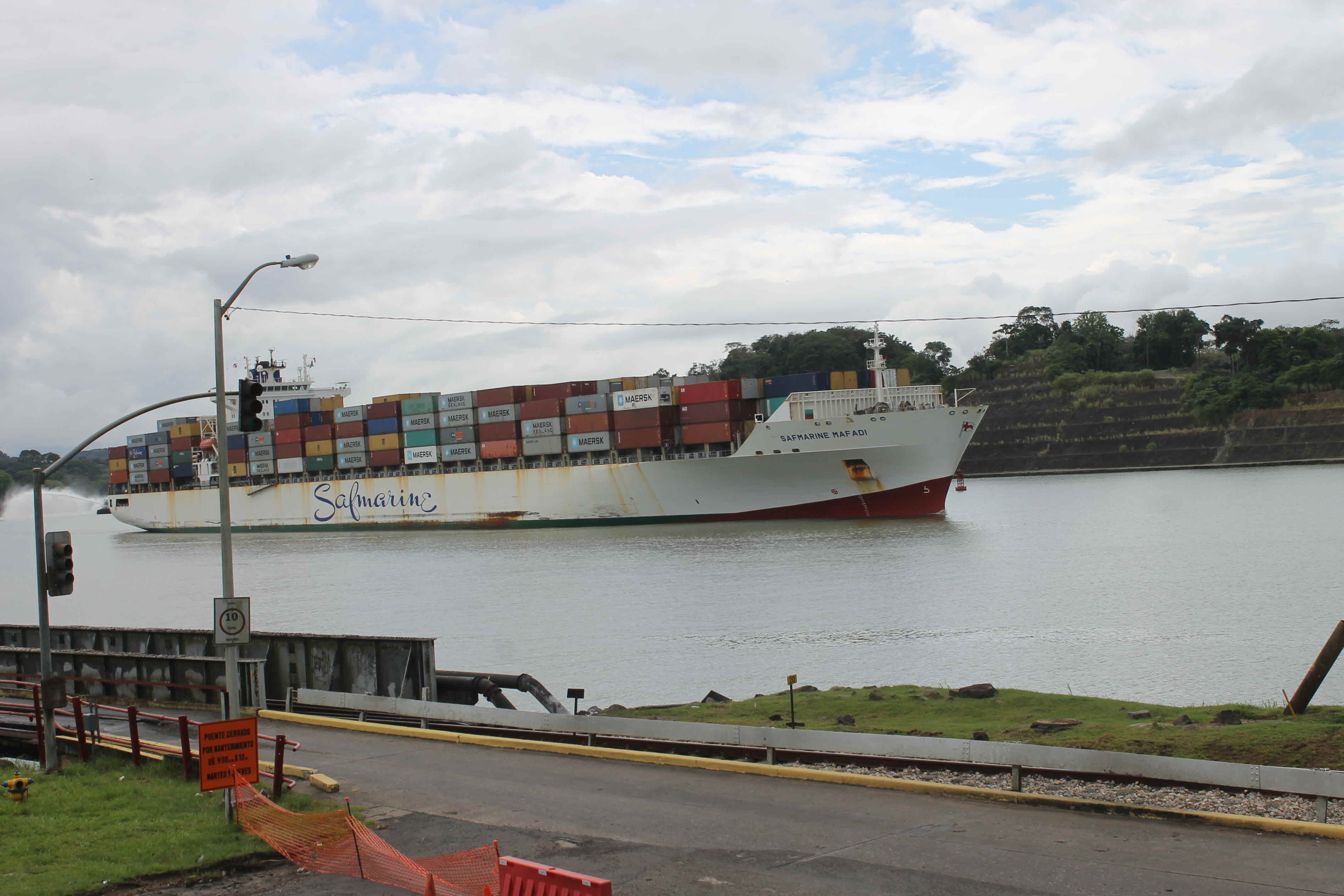
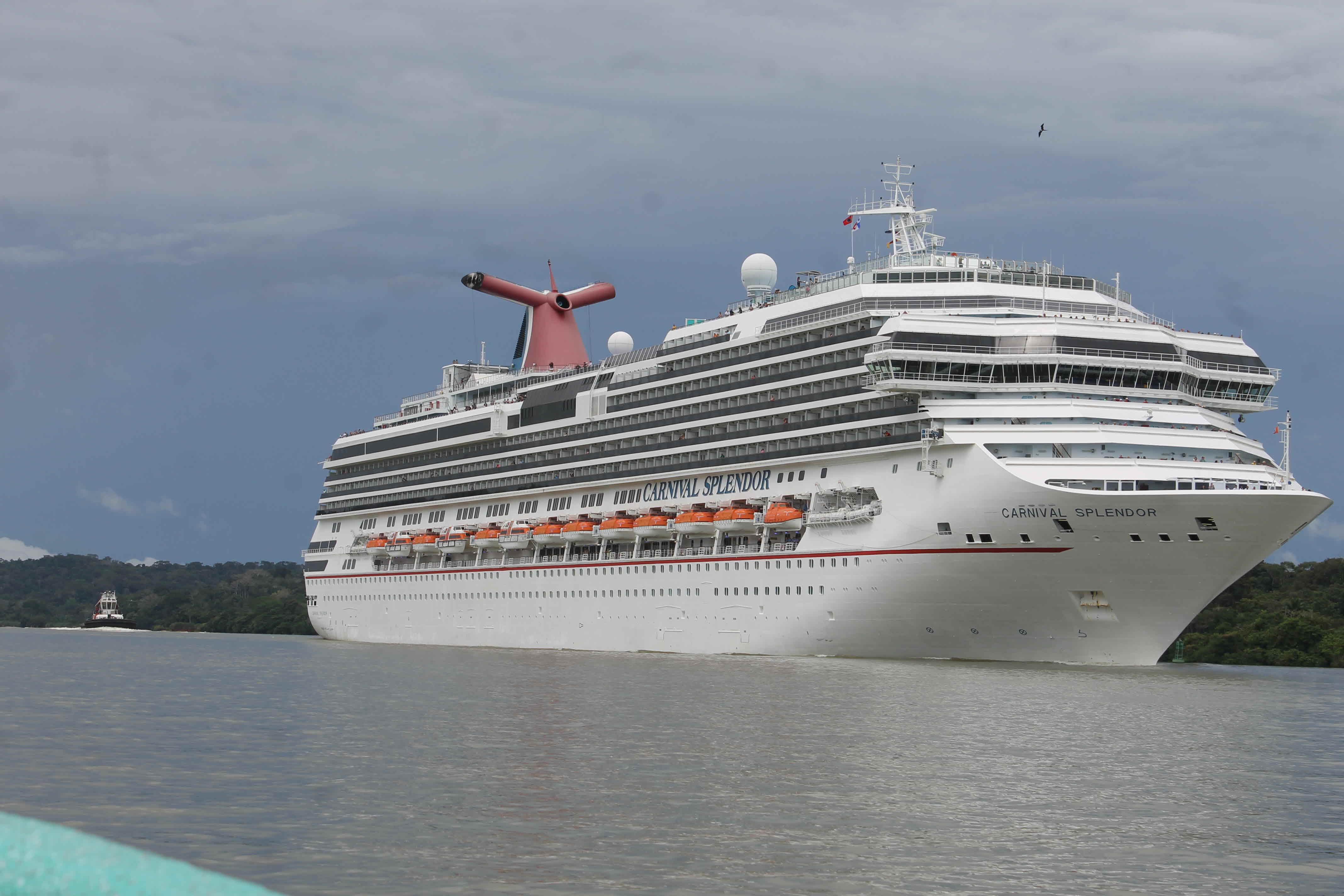
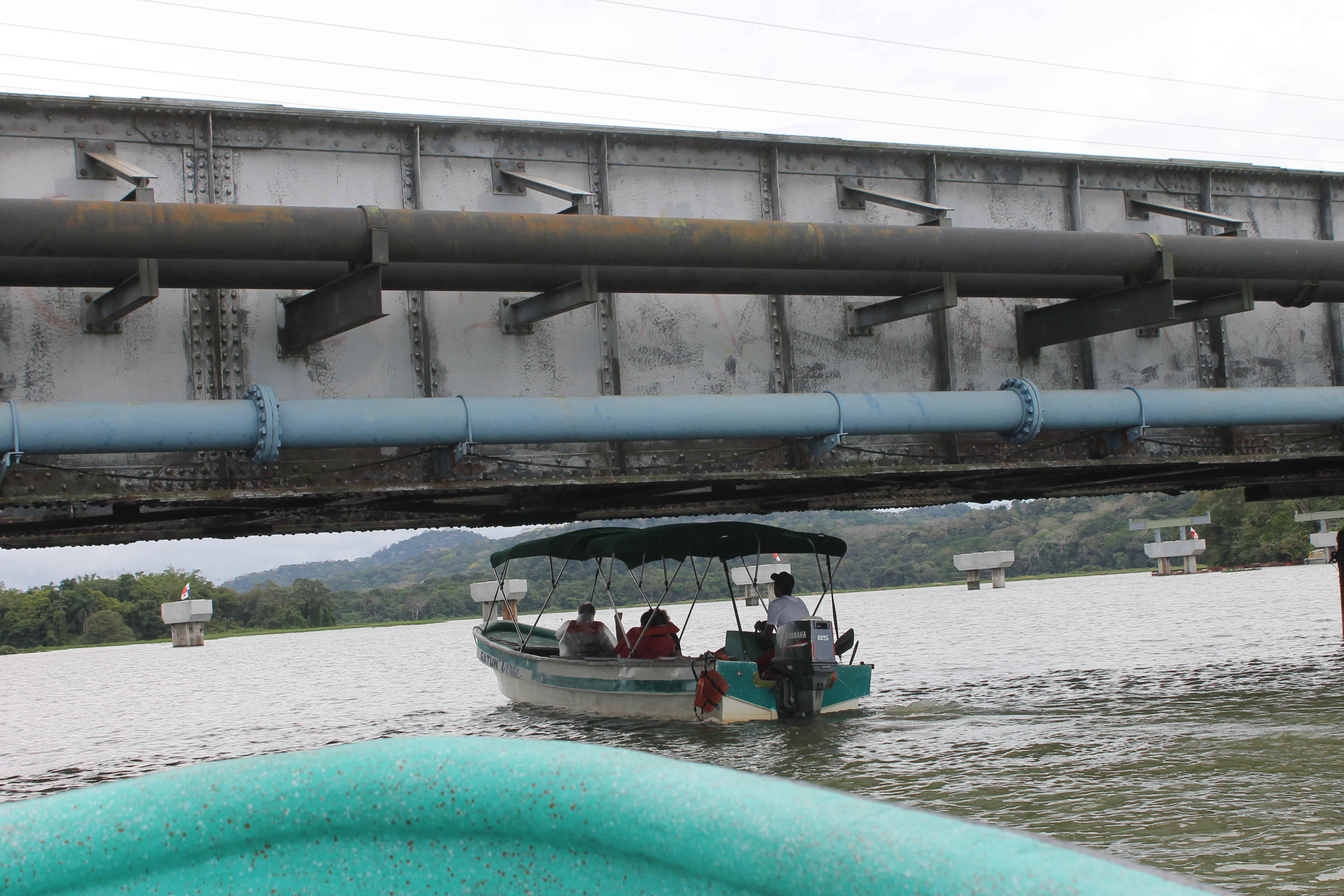
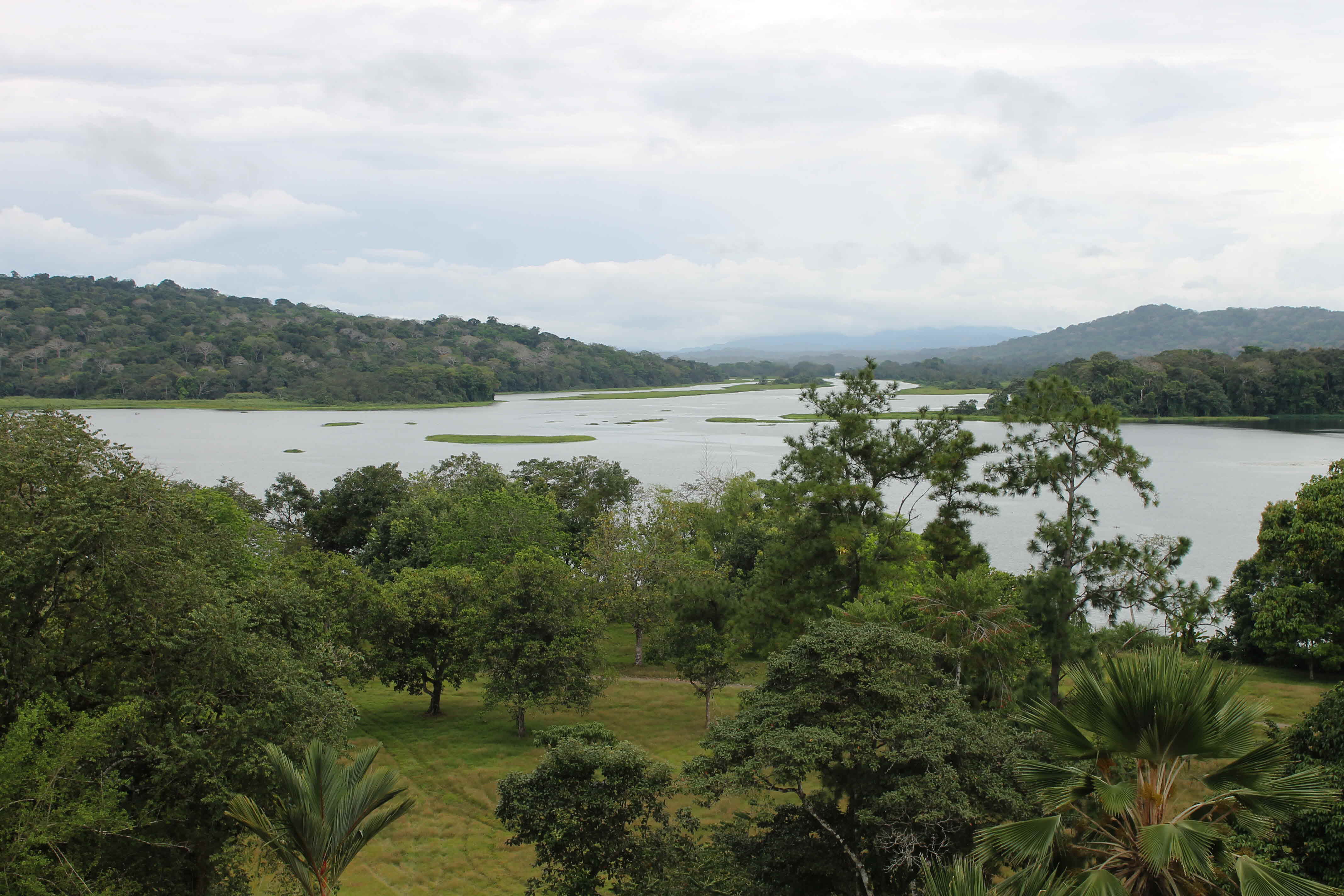
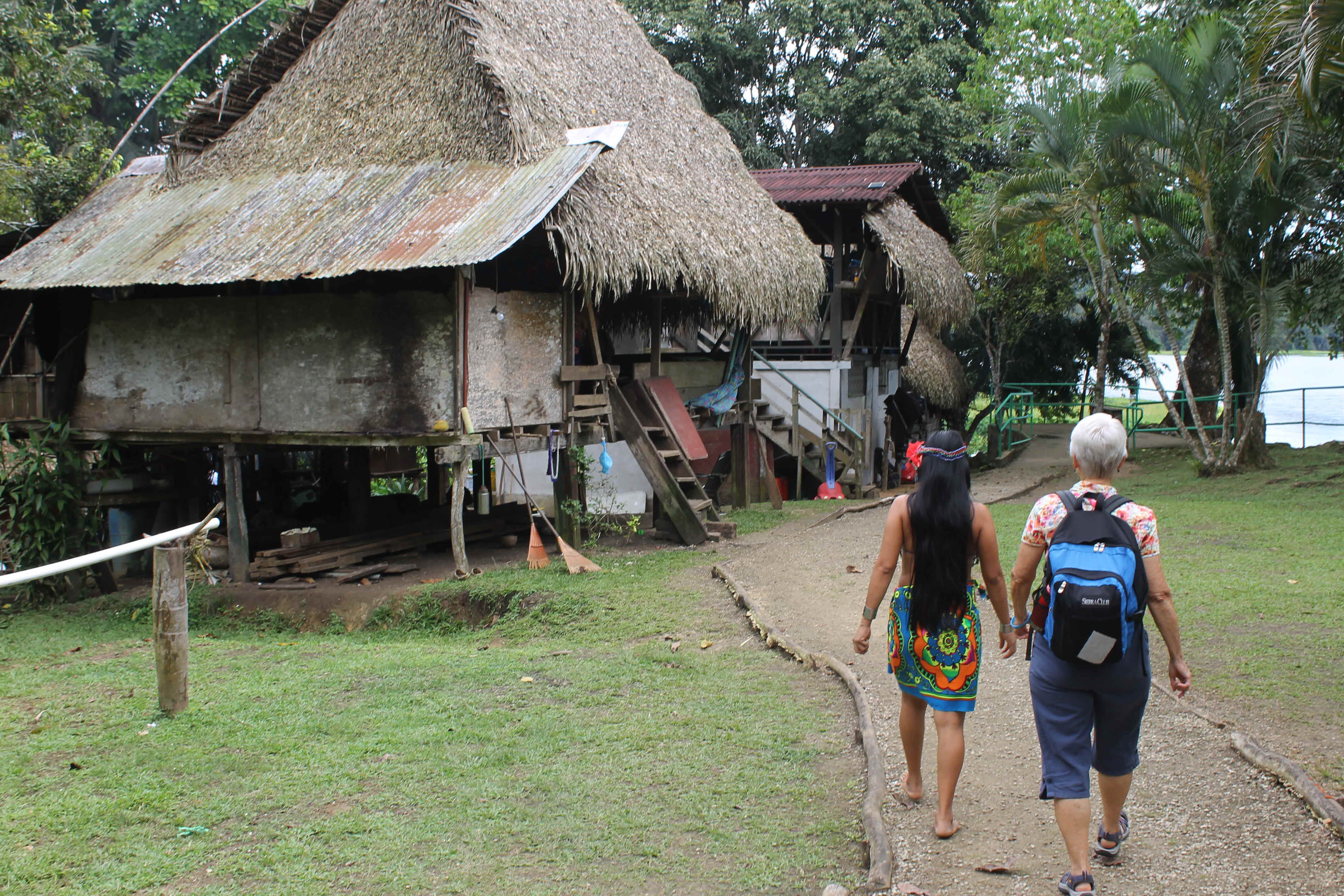
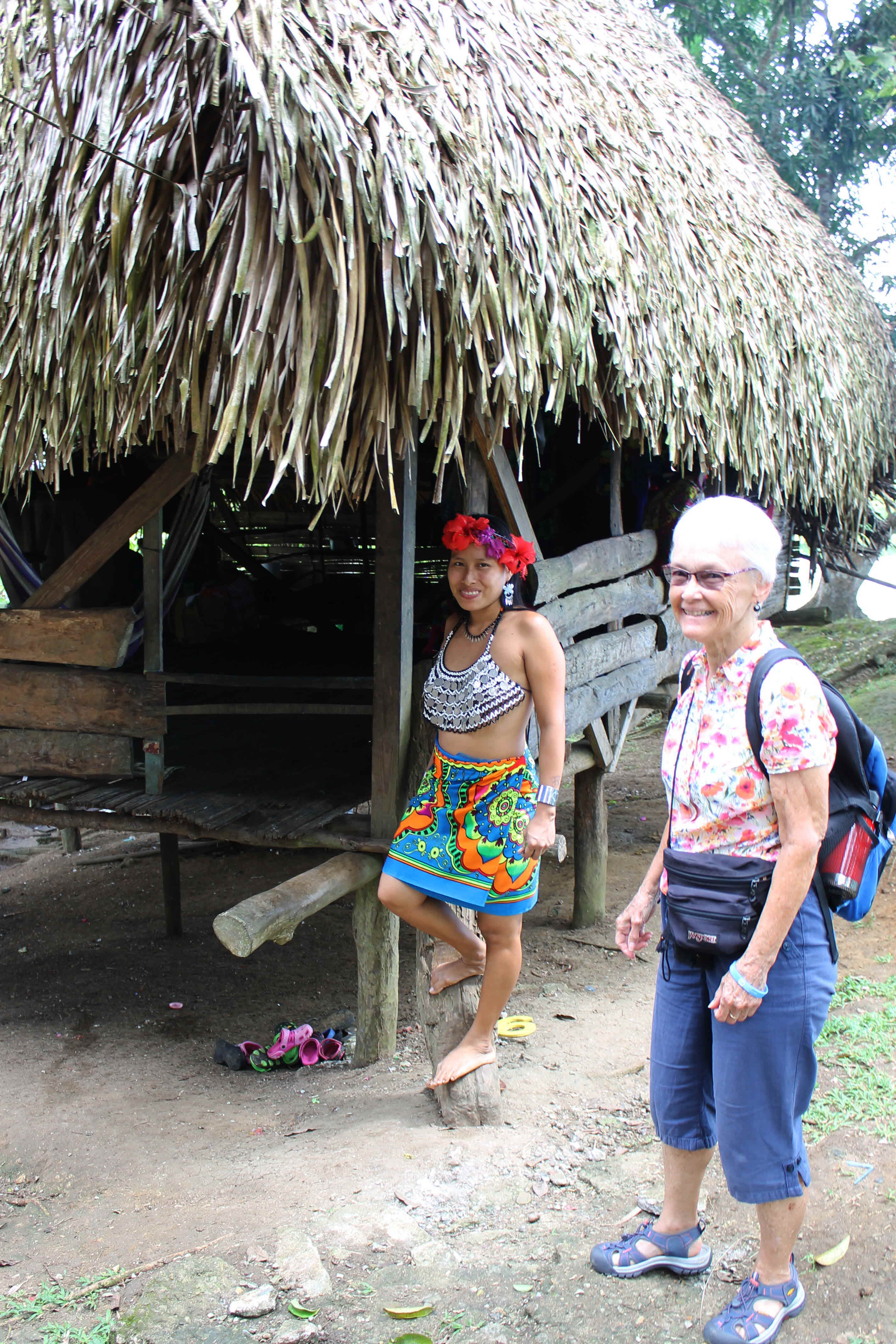
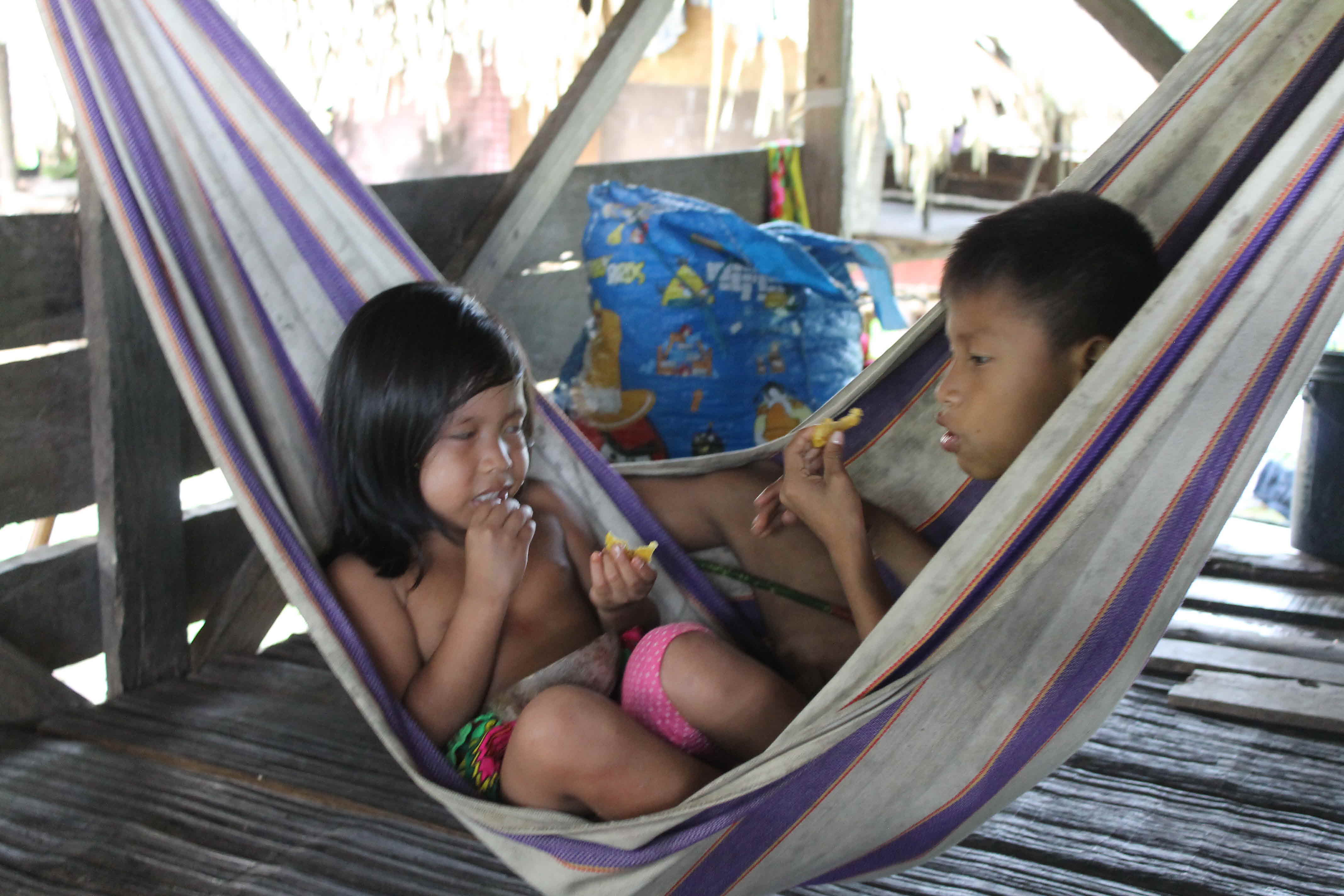
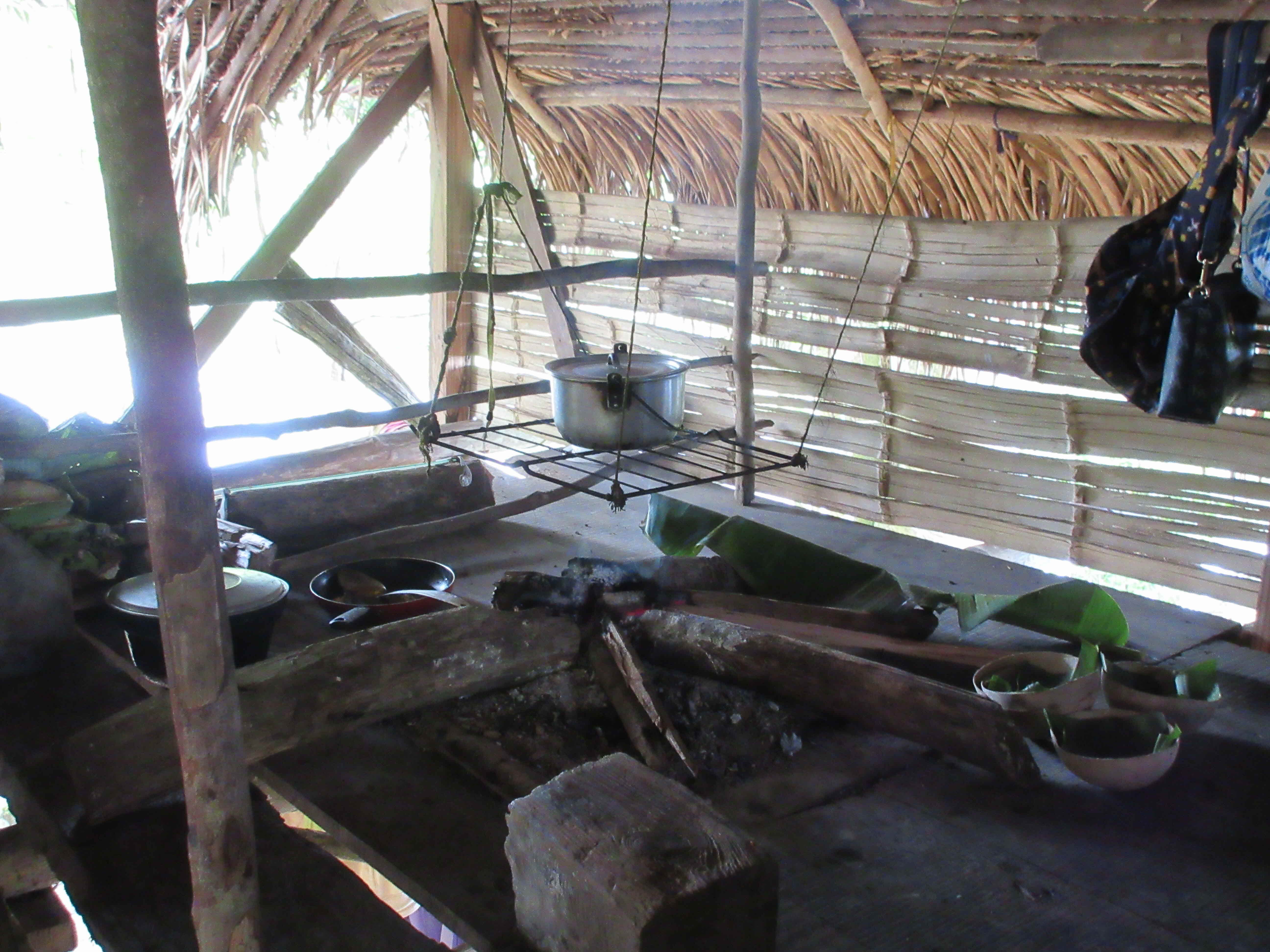
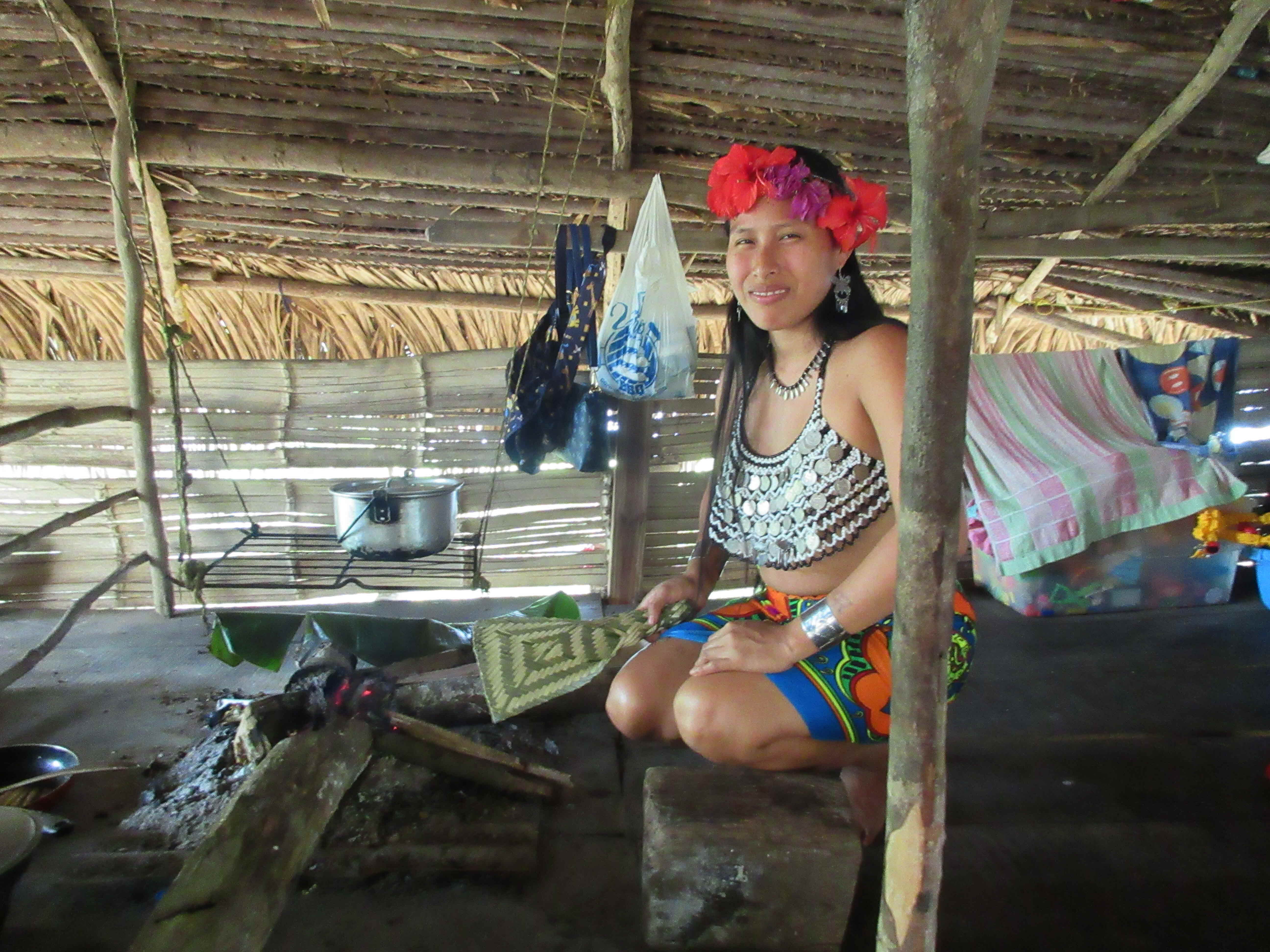
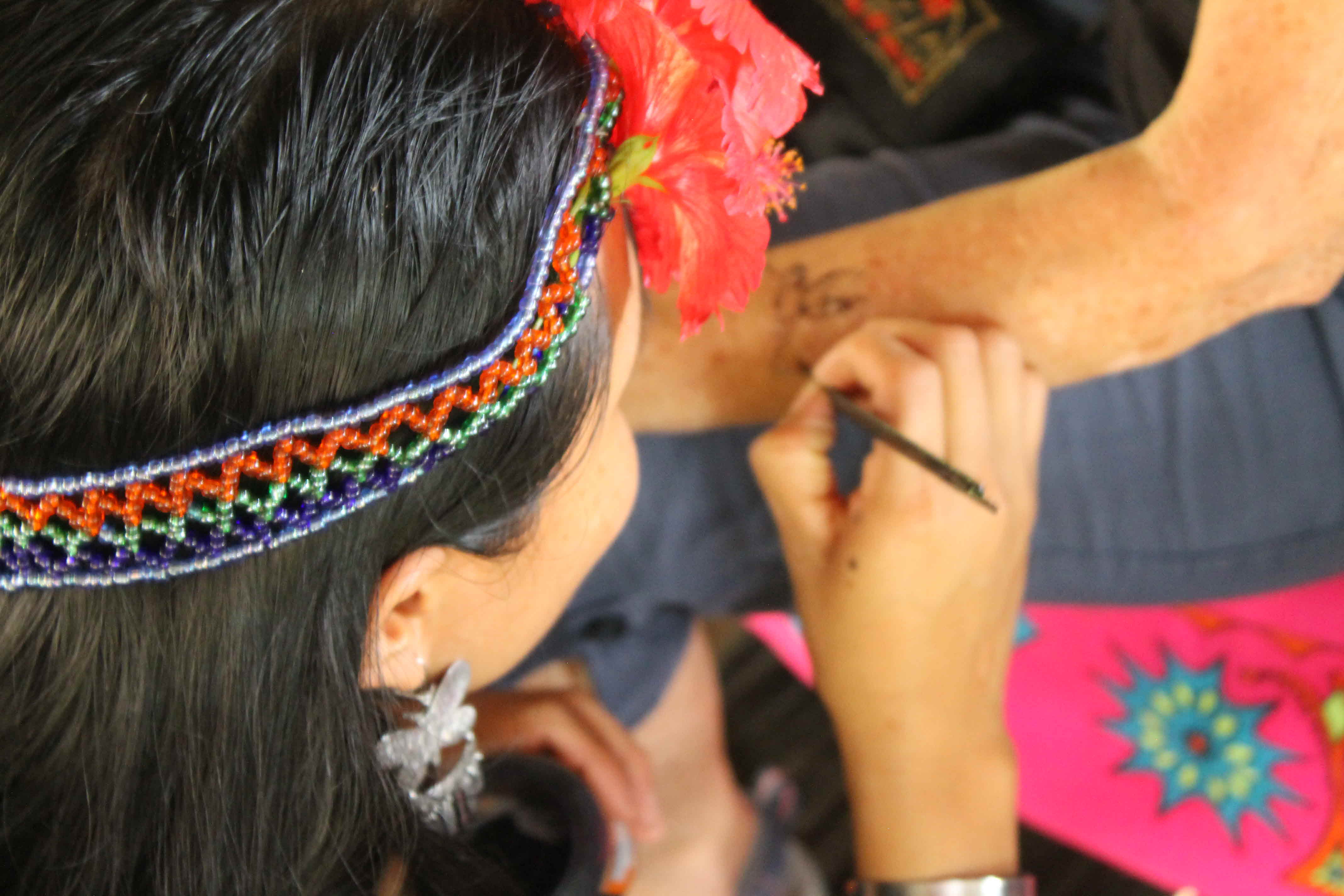
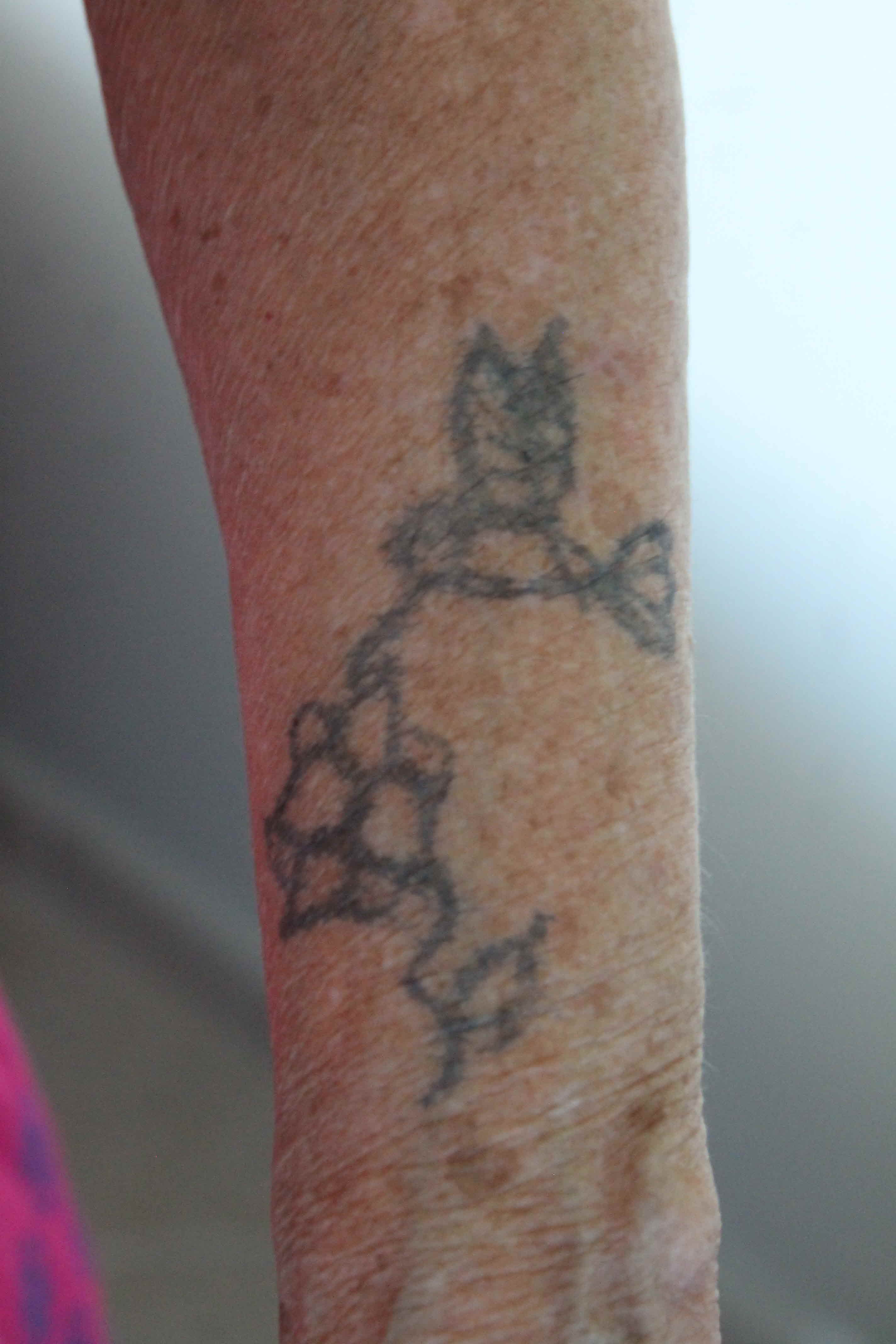
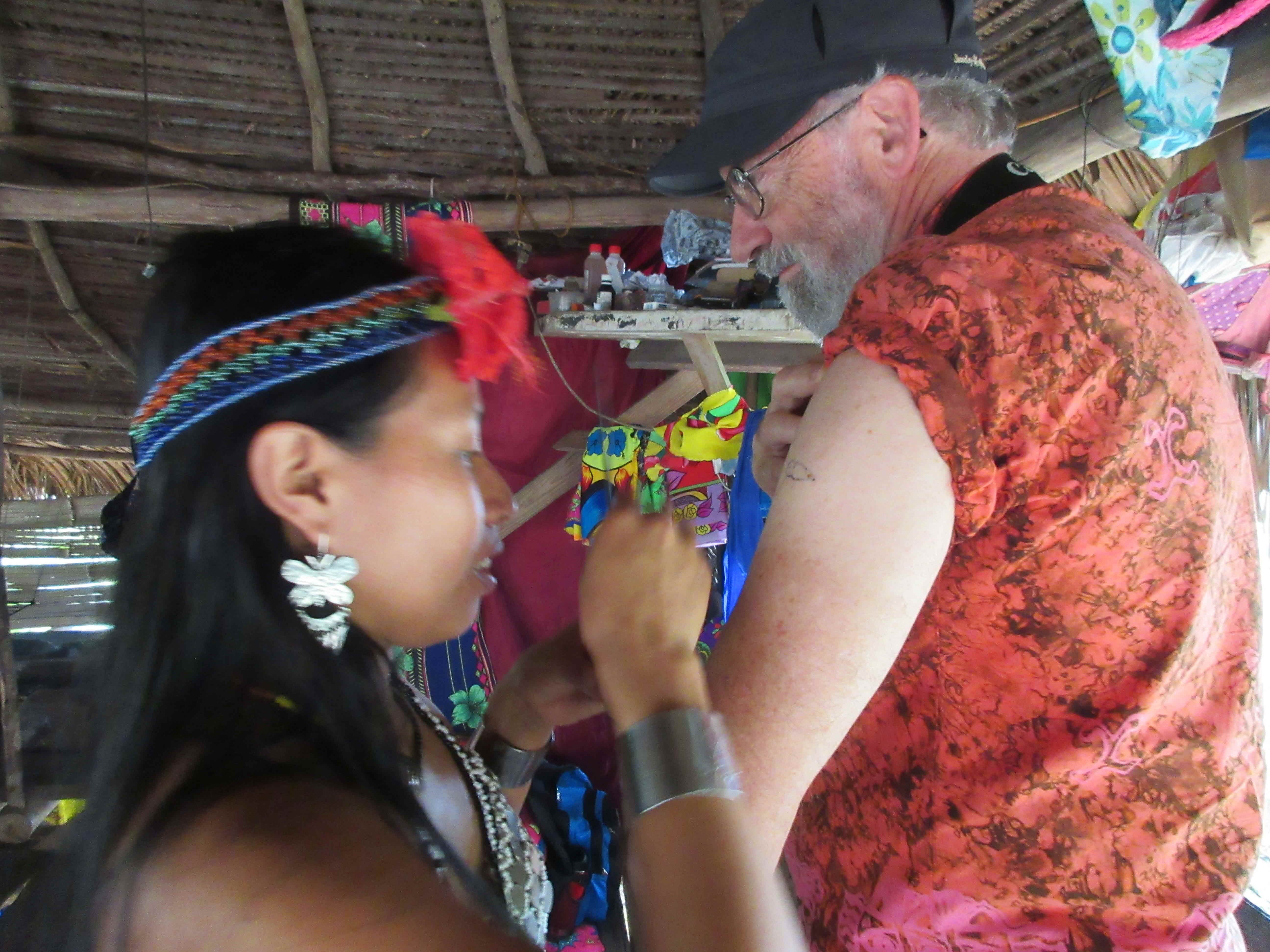
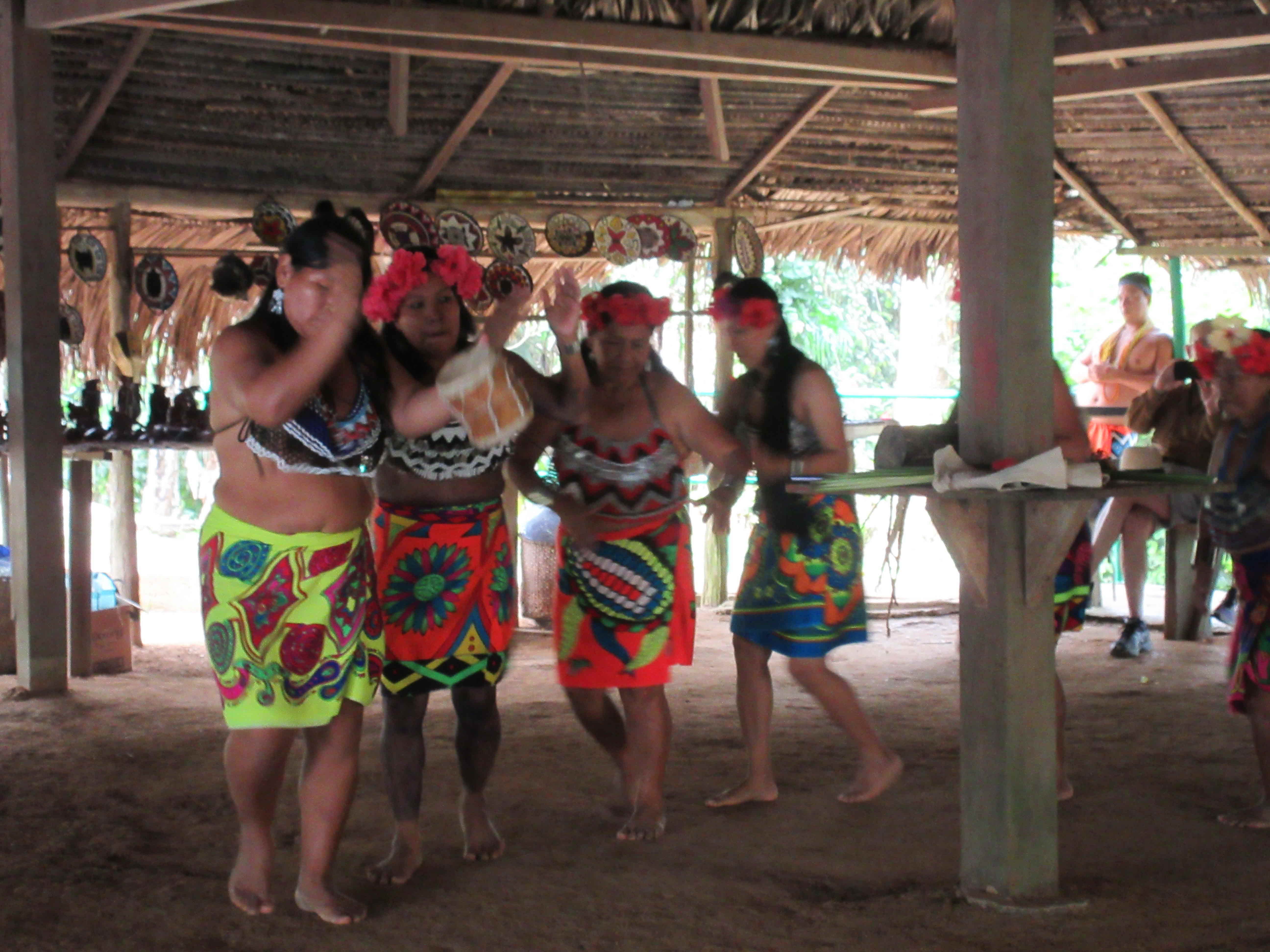
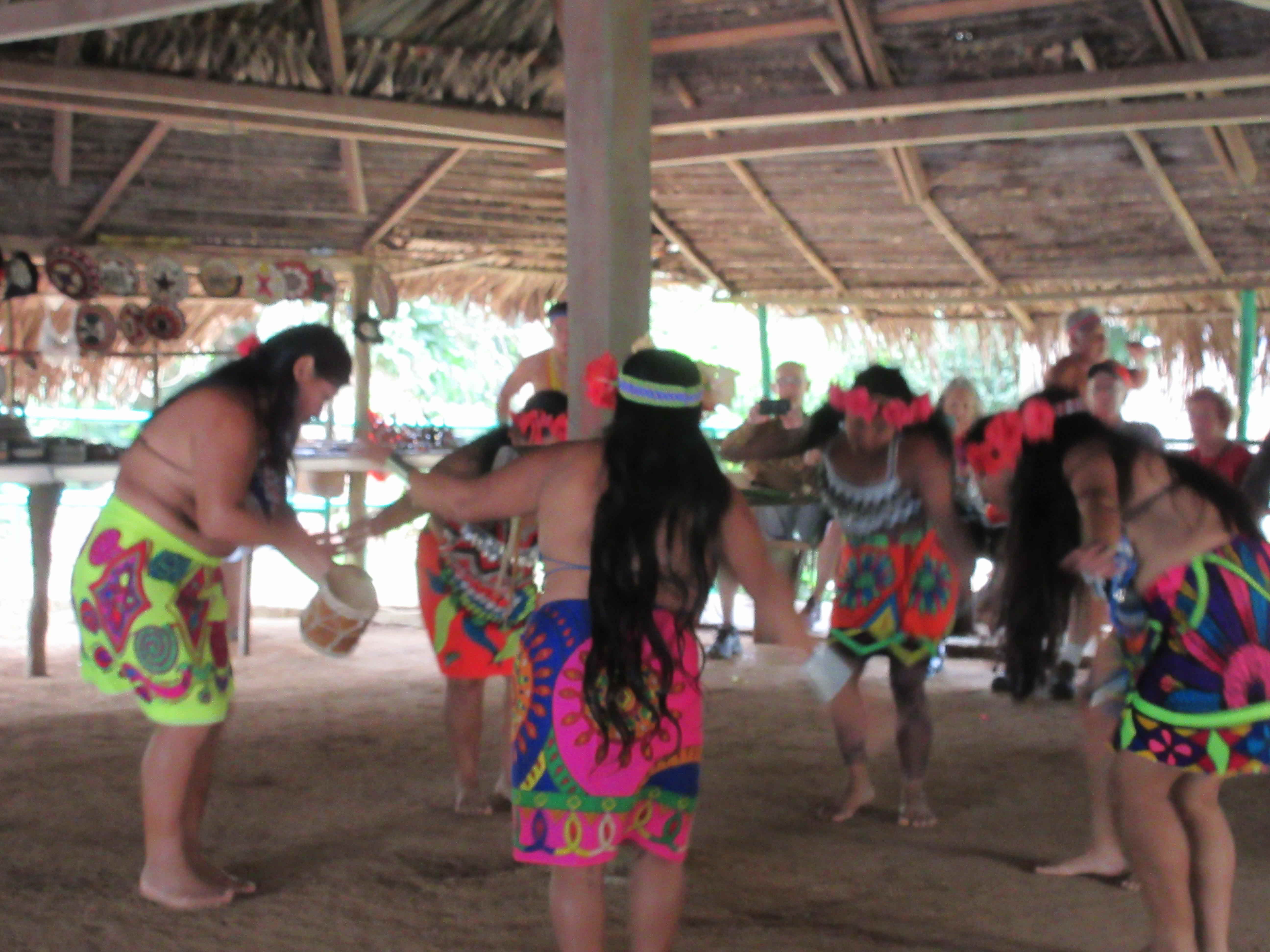
We drove to Gamboa (which is about half-way along the canal) to visit an Embera village. We first took a small boat into the canal to get our first real look at the canal. In our small boat, the ships looked very large! Then we went under a bridge and up the Chagras river which is the main source of water for the canal. Embera are indigenous people of Panama and Columbia. We visited the village of Katoma which was founded in 1958 by a group of Embera moving up from the Darien region of Panama. The founder helped train seven astronauts, including John Glenn, in case they landed in the jungle. He passed away 5 years ago at the age of 97. They now make their main income in tourism. We had a lunch in one of the homes—fried tilapia and fried plantain plus some melon. The wife also drew tattoos (hummingbirds) for each of us from a black dye made from the jaguar fruit. There are only about 50-70 people in this village. They performed some dances for us.
-
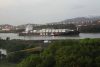
- cargo ship on canal
-
- terraced wall

-
- large crane
-
- container ship
-
- cruise ship
-
- close quarters under colonial bridge
-
- Chagras River
-
- welcome music at village

-
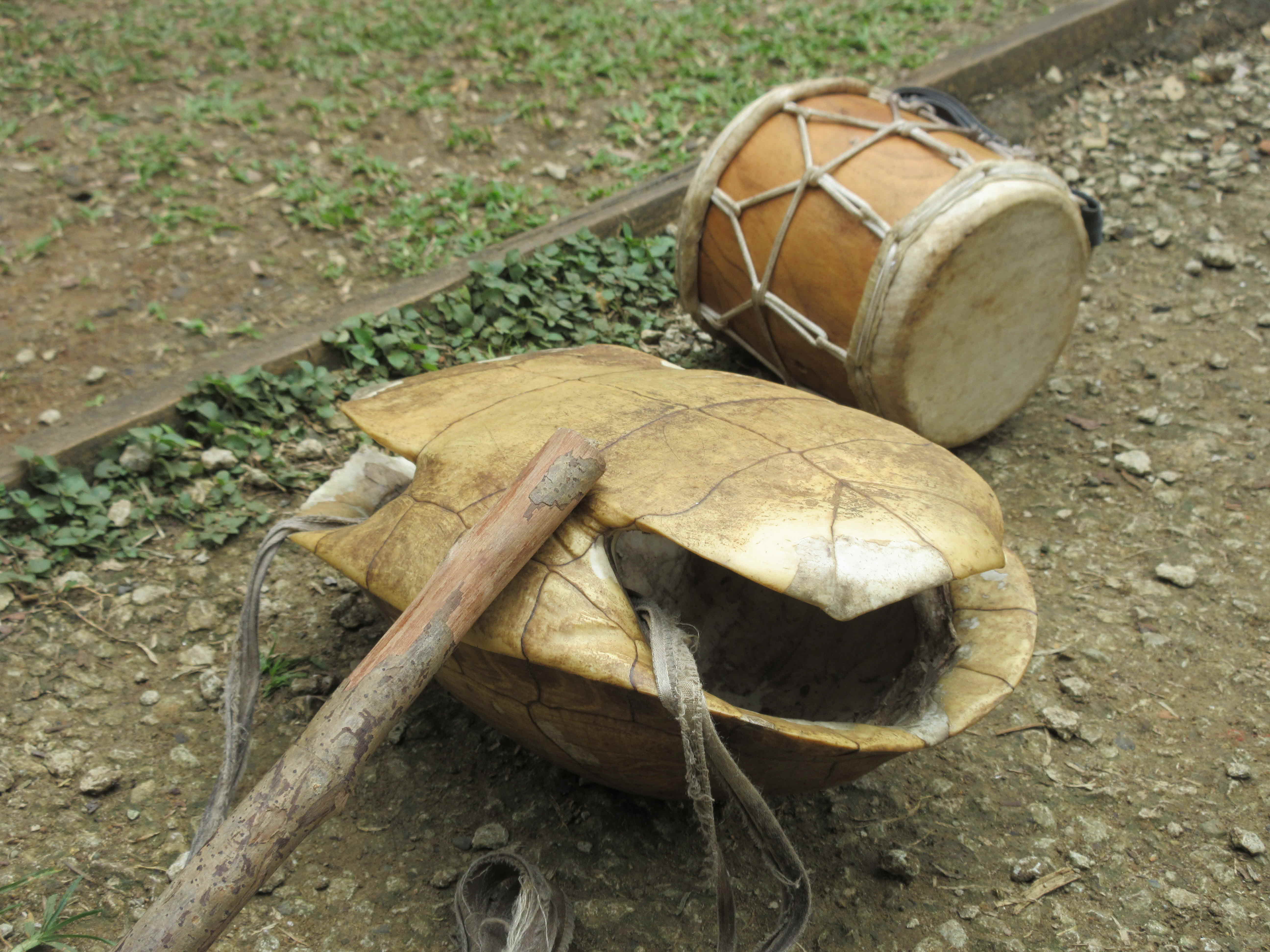
- tortoise shell drum
-
- heading towards home
-
- entering home
-
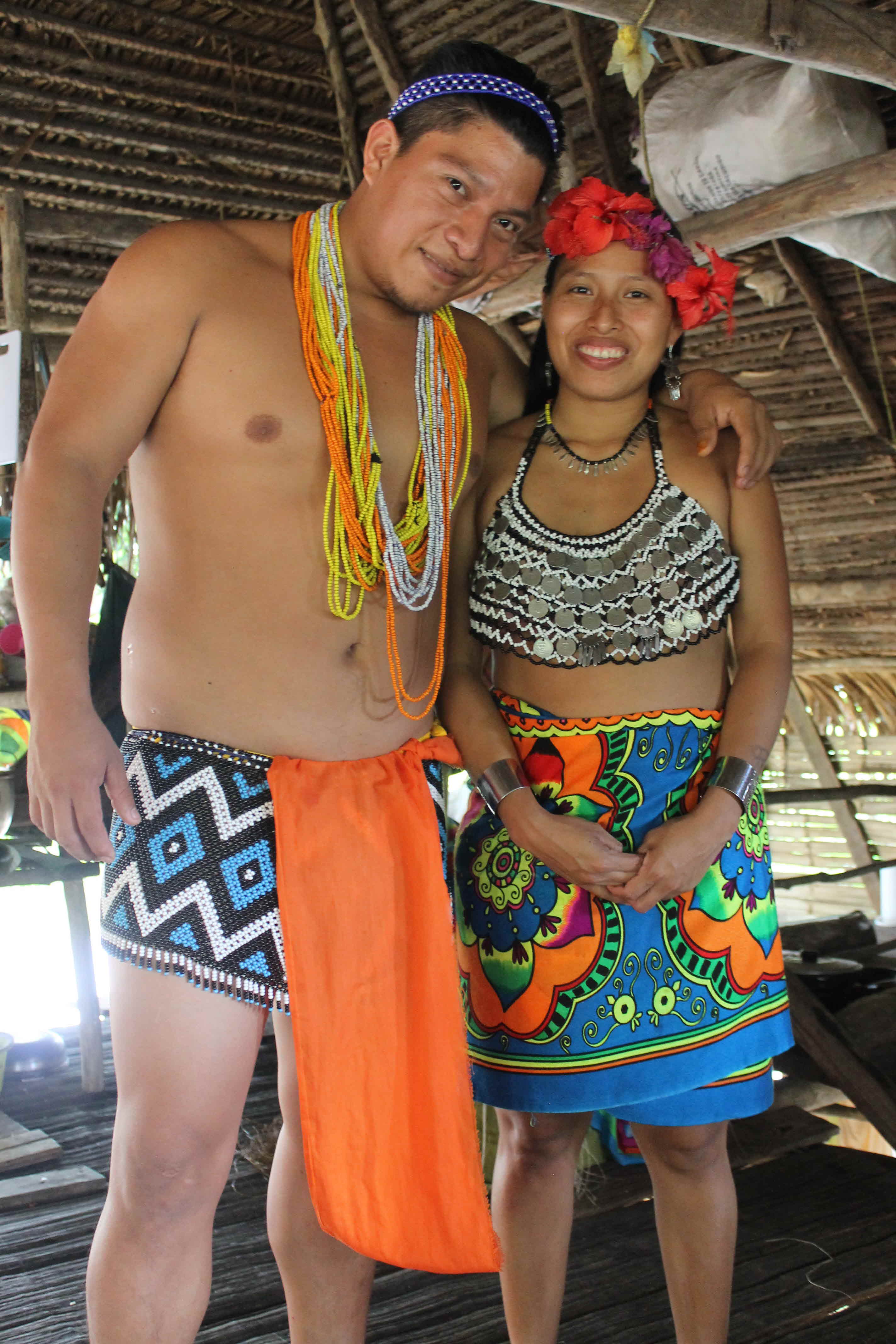
- our host & hostess
-
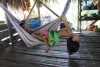
- children at home

-
- children at home
-
- cooking area
-
- hostess
-
- painting tatoo
-
- tatoo
-
- painting tatoo
-
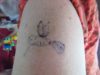
- tatoo

-
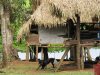
- homes in the village

-
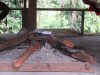
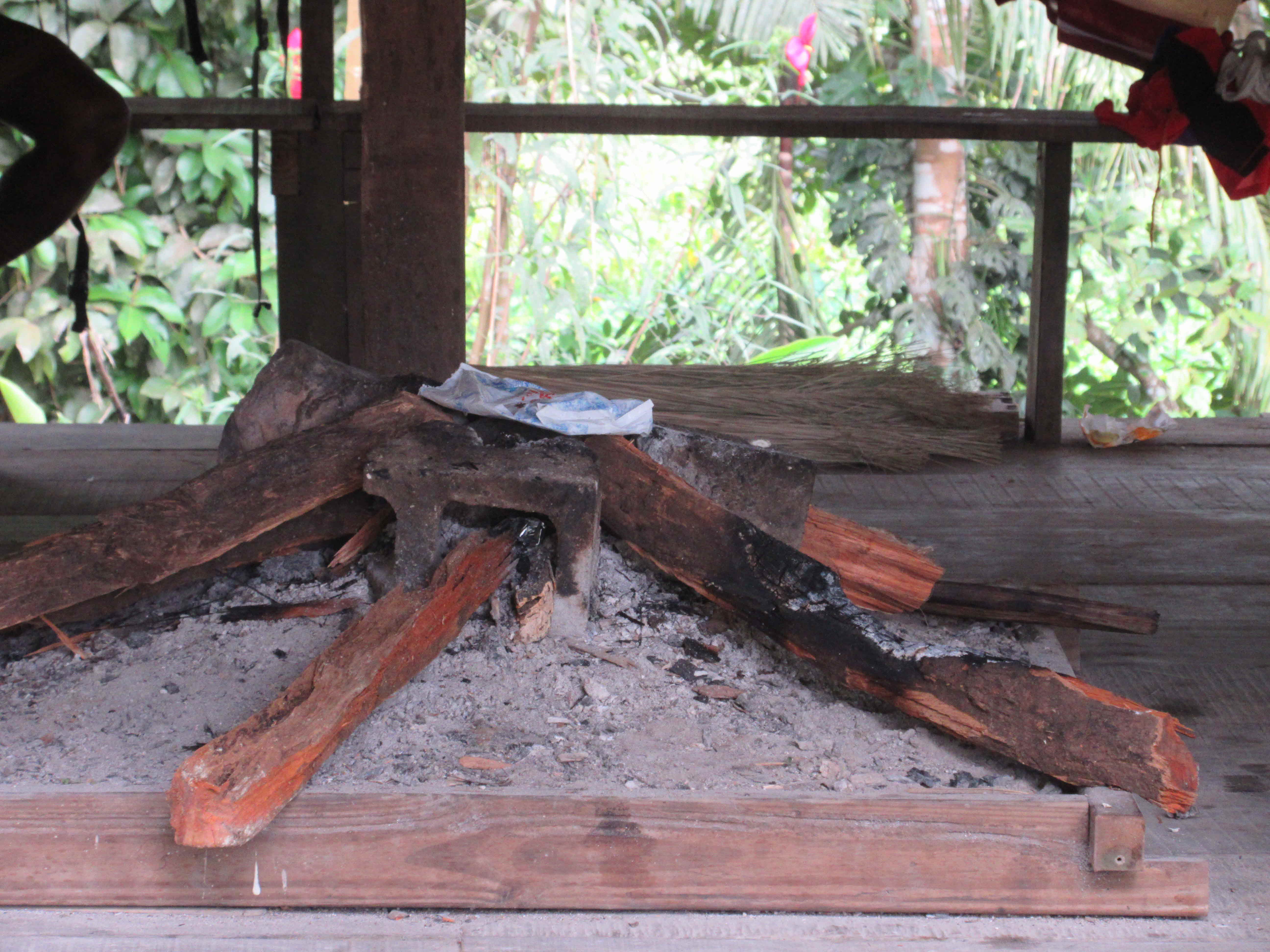
- another cooking area
-
- dancing
-
- dancing
-
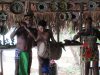
- musicians

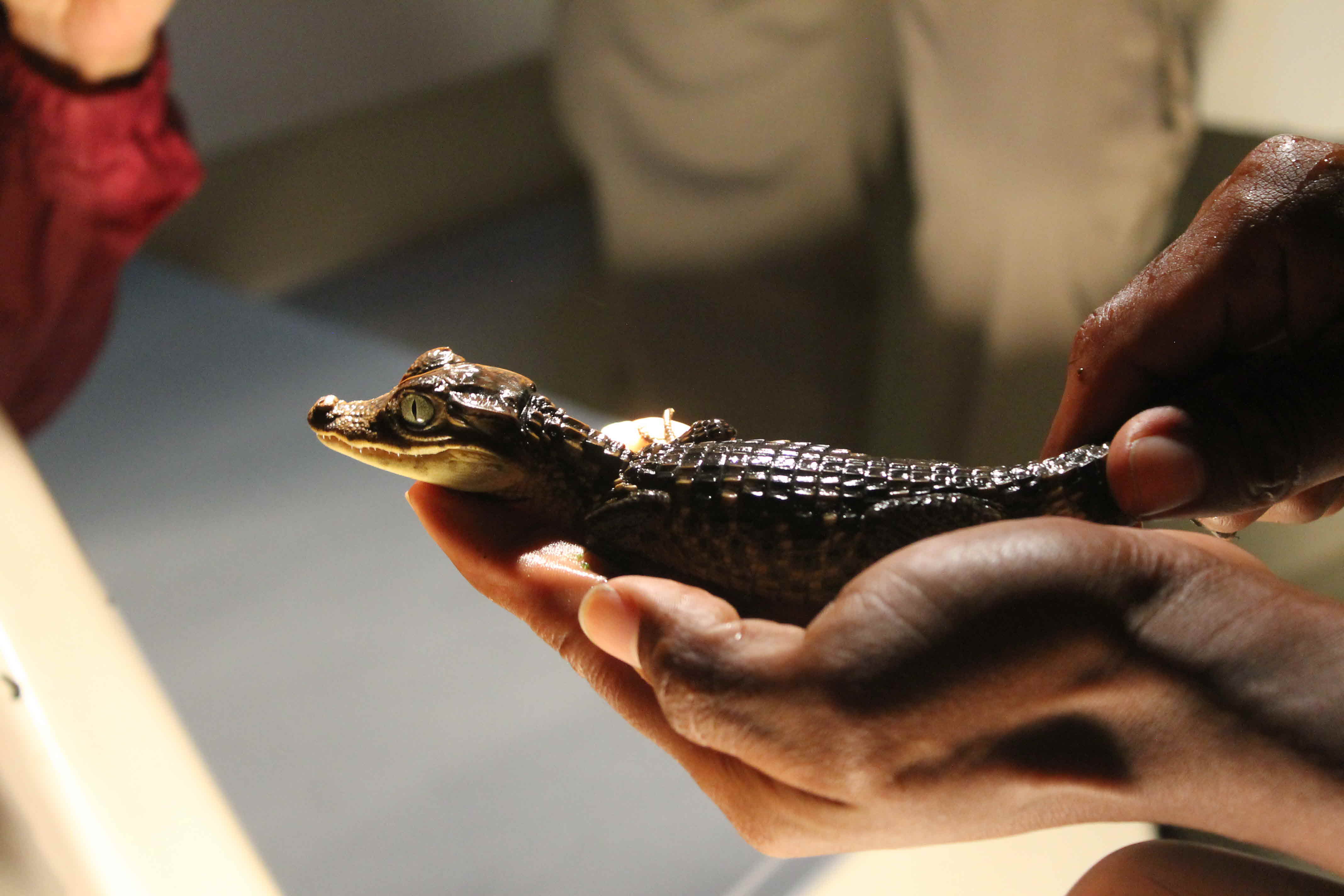
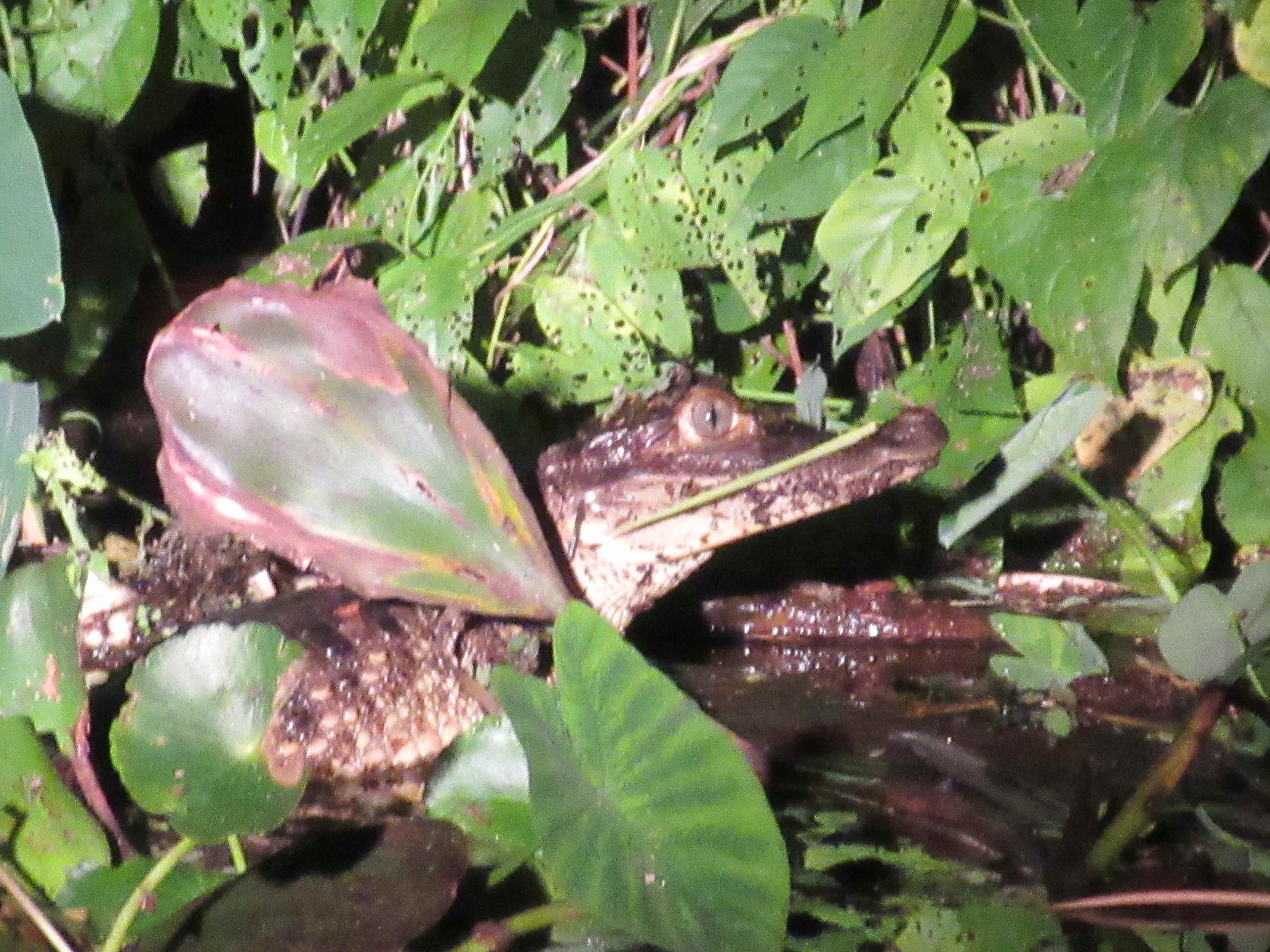
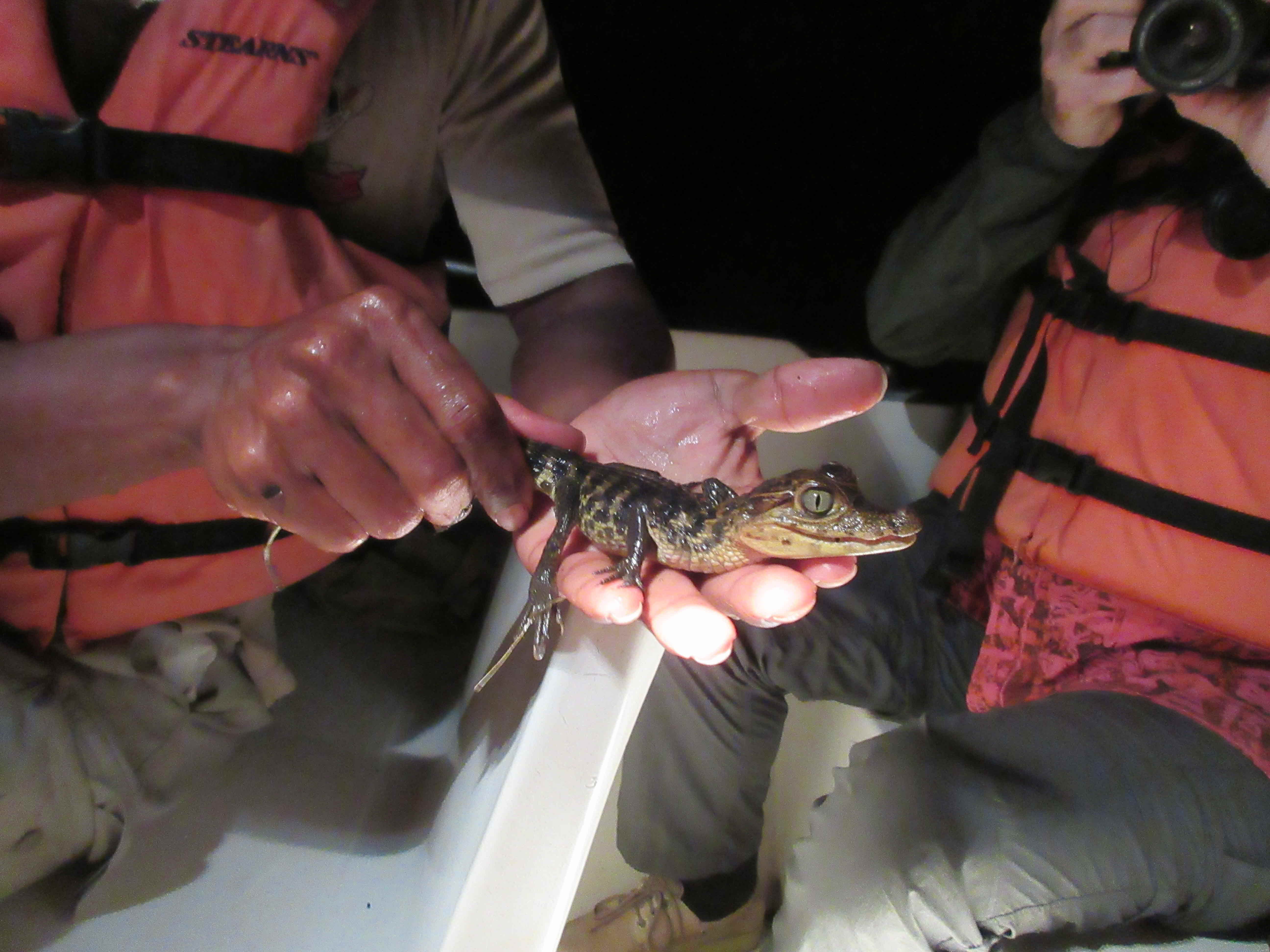
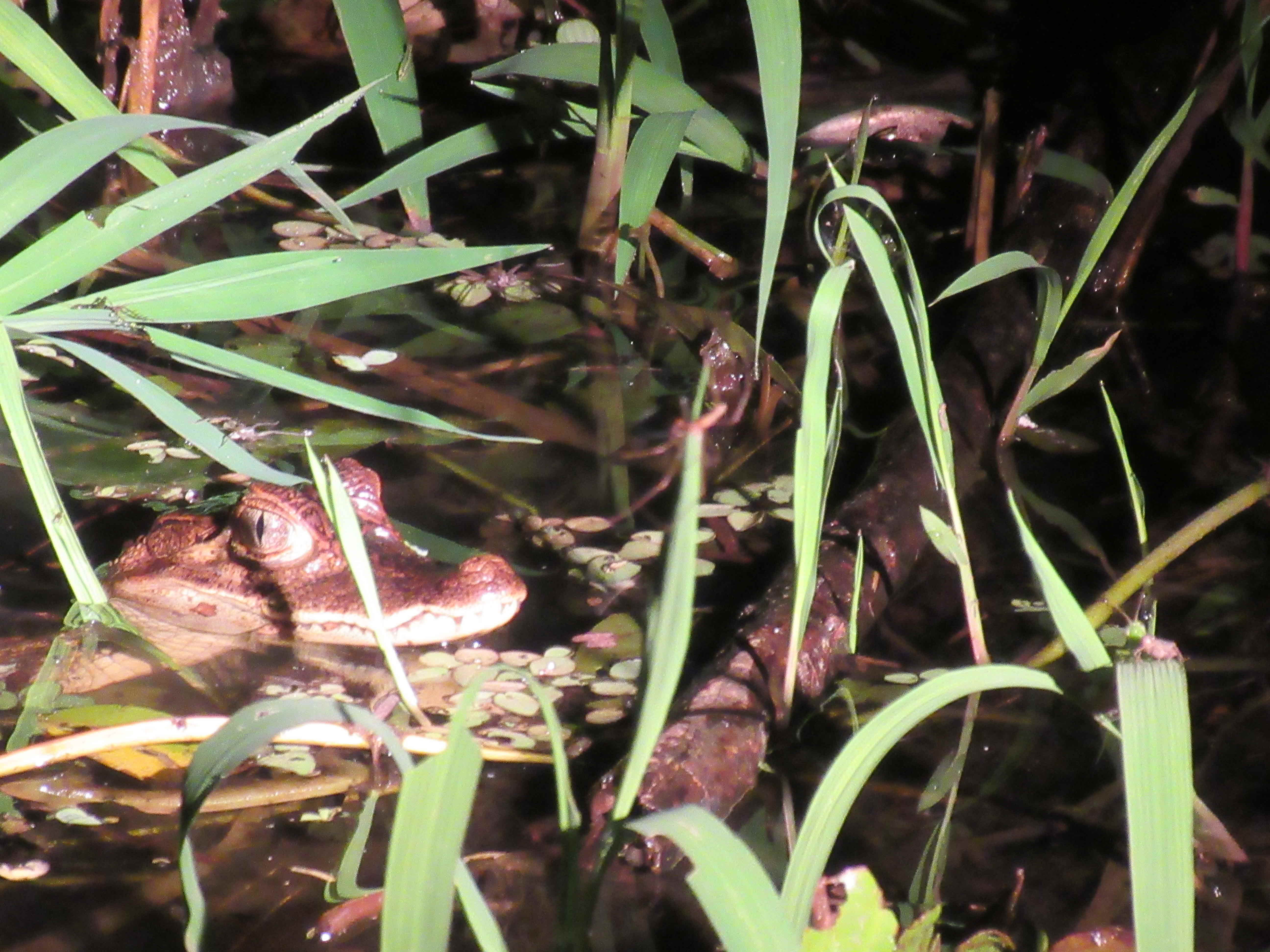
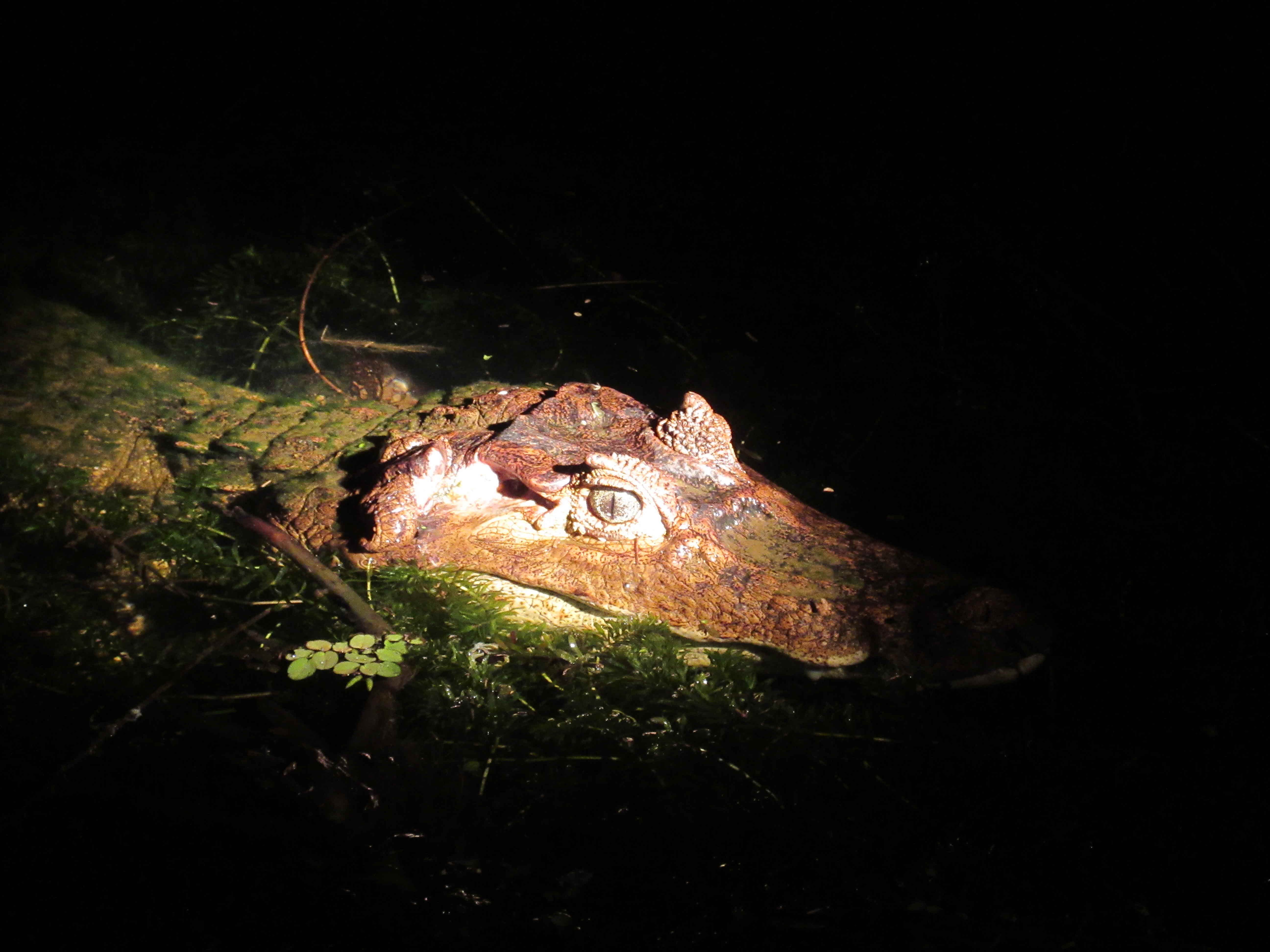
Later we took an evening boat ride on the Chagras River. We saw egrets, heron, fish, bats, caiman, and crocodile. (It was difficult to get photos in the dark!)
-
- heron

-
- caiman
-
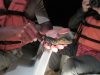
- caiman
-
- small crocodile
-
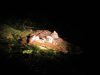
- large crocodile
-
- caiman