Volubilis and Meknes

We took a day trip to Volubilis and Meknes from Fes.
-
- dam along route

-
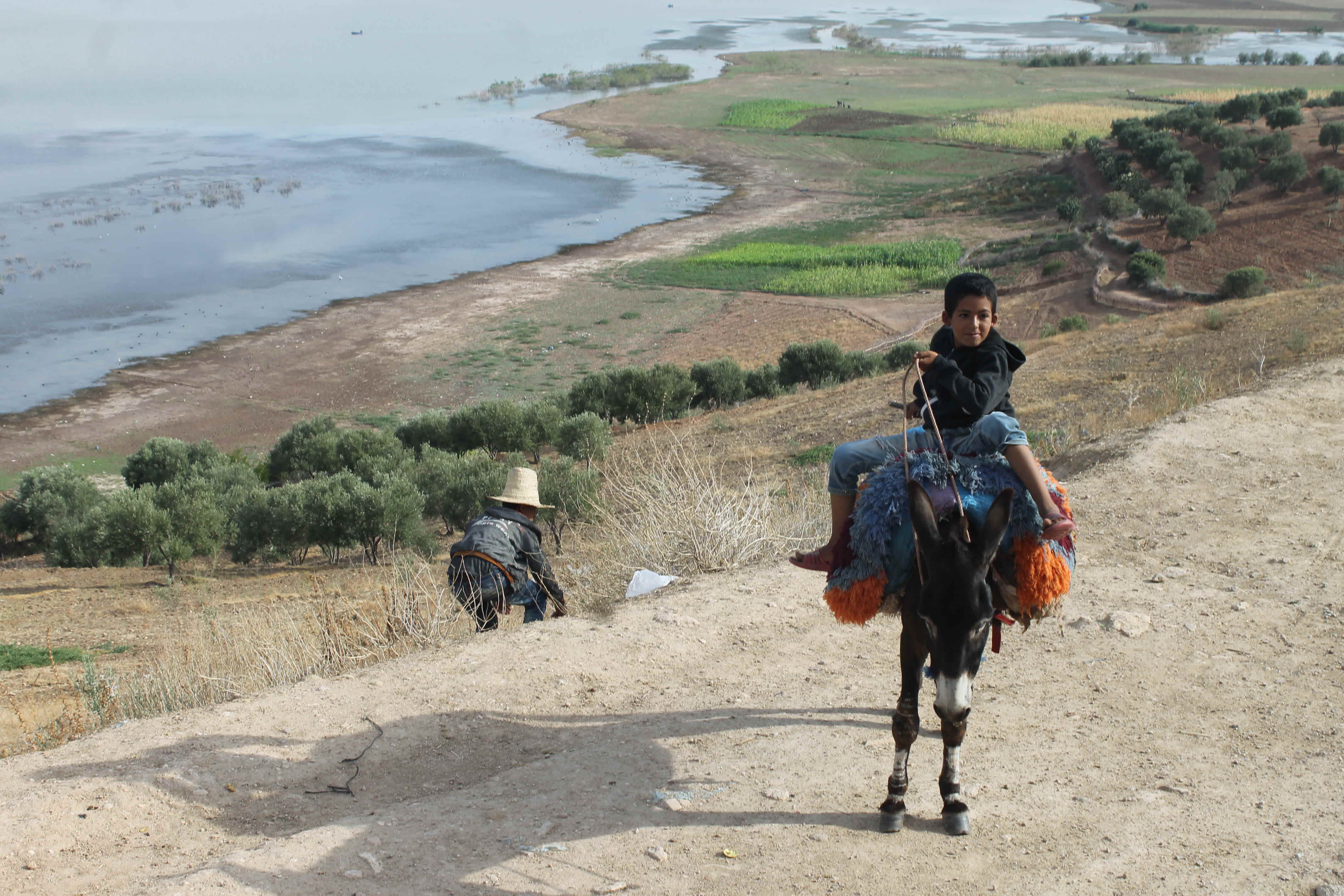
- donkey
-
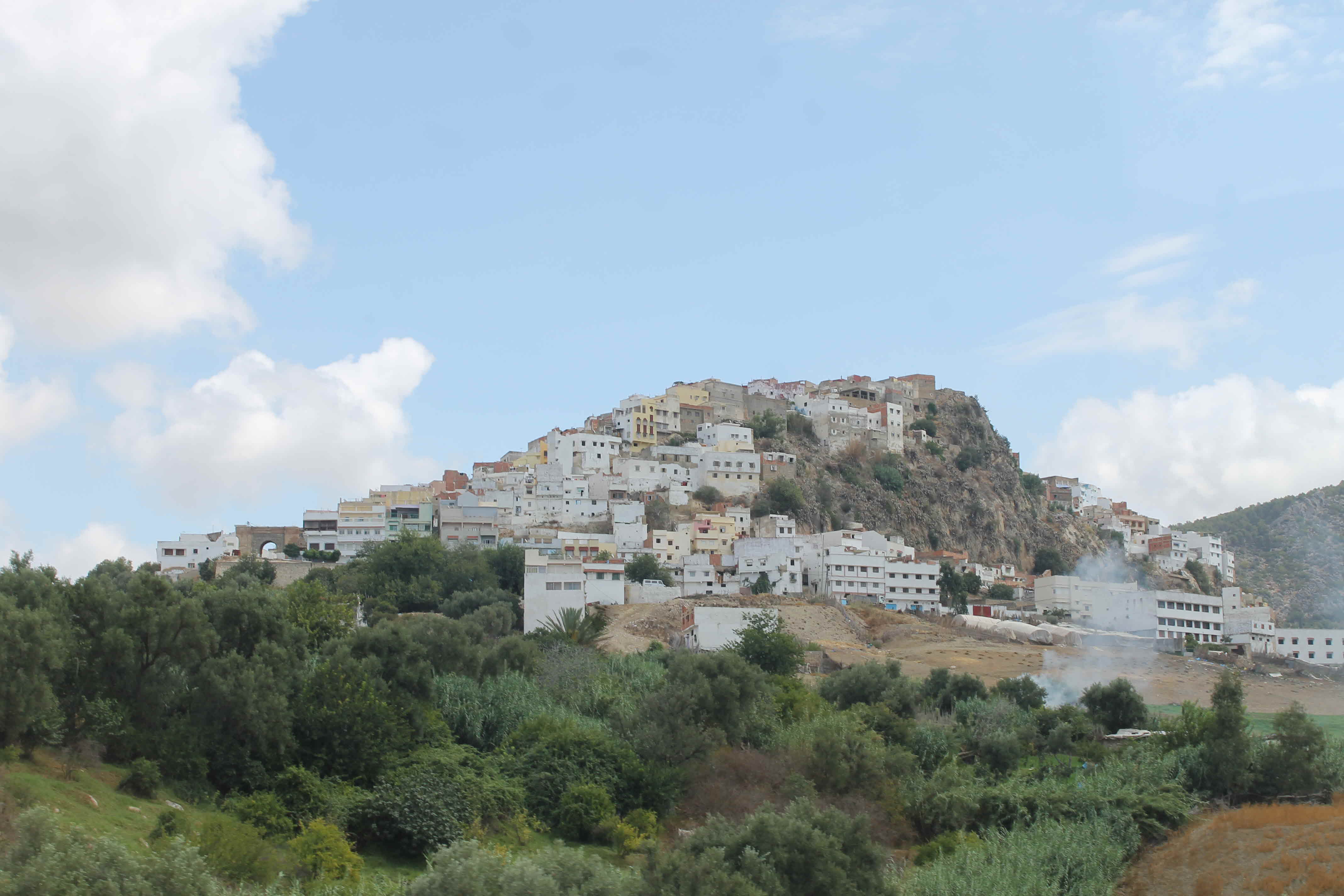
- town along route
-
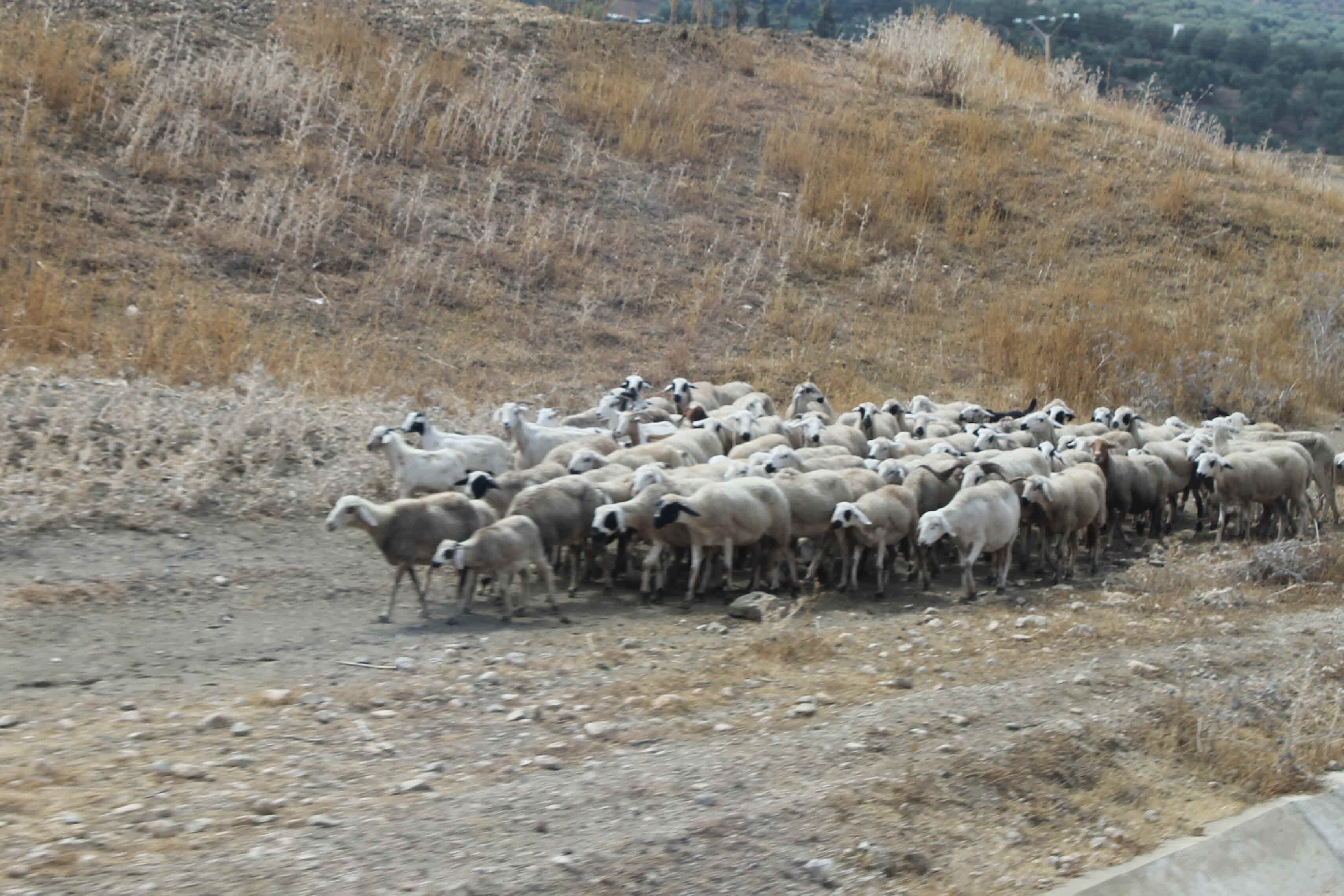
- sheep
-
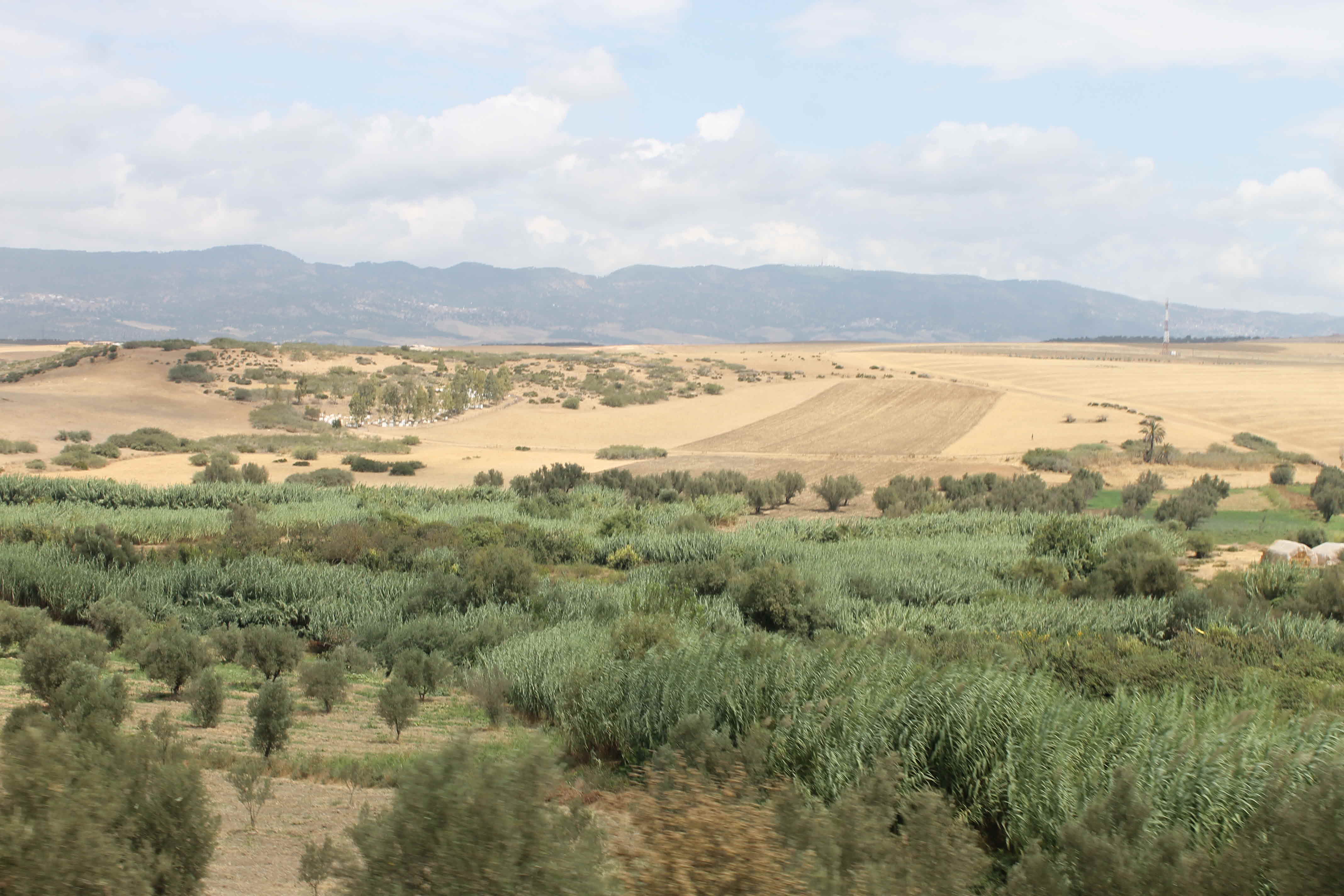
- farmland
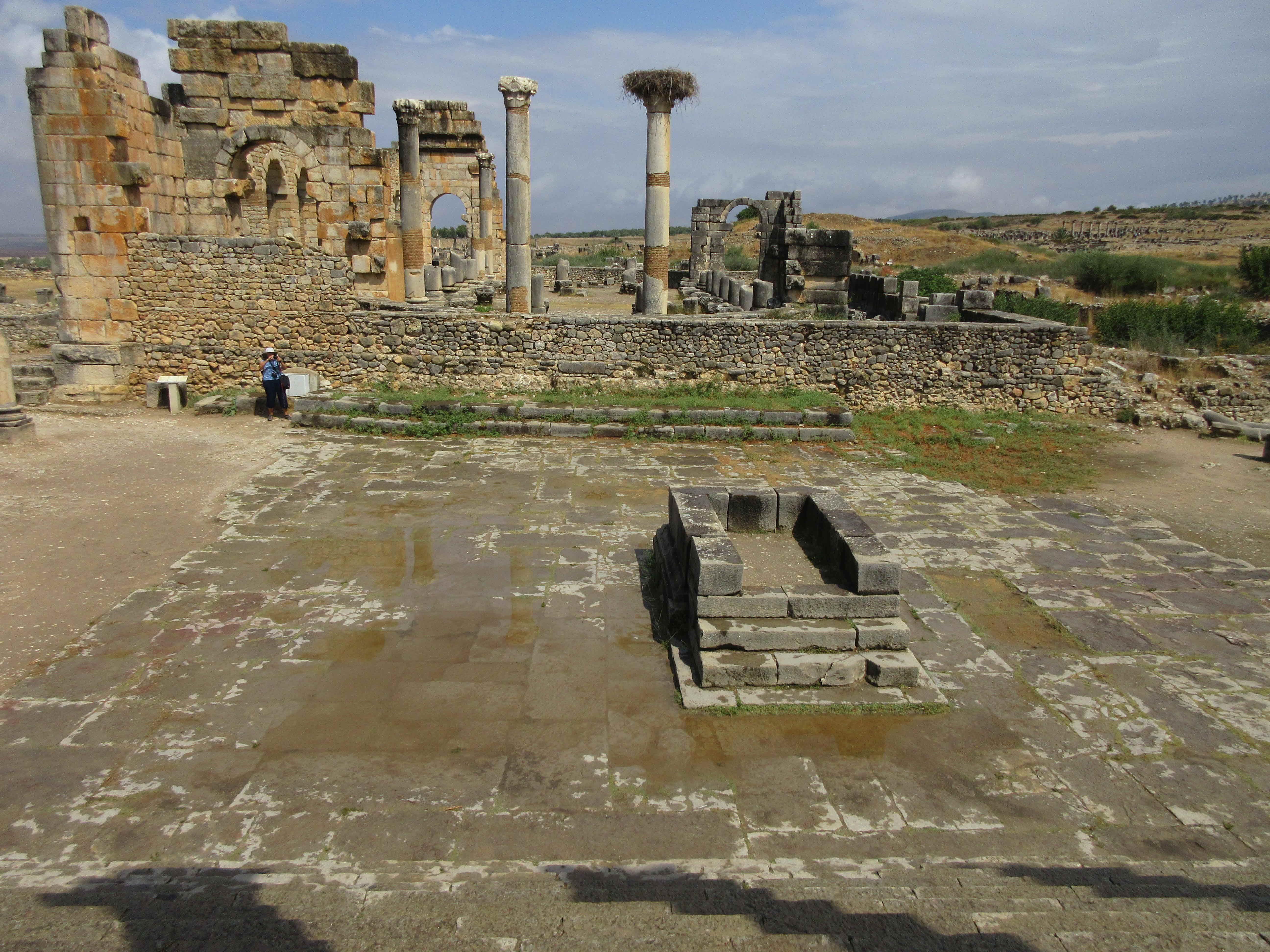
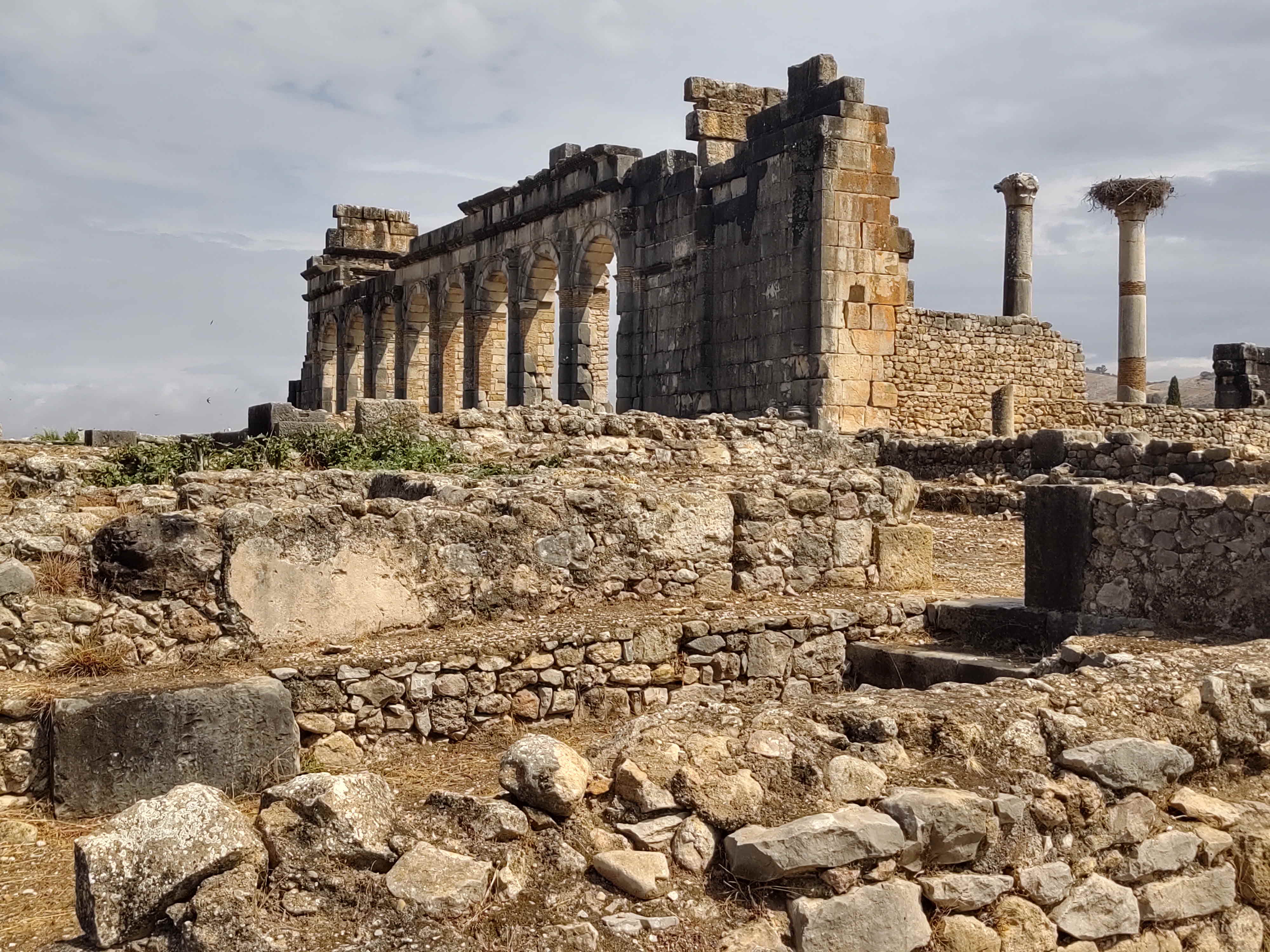
Volubilis is a partly excavated Berber city, considered as the ancient capital of the kingdom of Mauretania. It developed from the 3rd century BC onward as a Berber settlement. It grew rapidly under Roman rule from the 1st century AD onward and expanded to cover about 100 acres with a 1.6-mile circuit of walls. The city had a number of major public buildings in the 2nd century, including a basilica, temple and triumphal arch. Its prosperity, which was derived principally from olive growing, prompted the construction of many fine townhouses with large mosaic floors.
The city fell to local tribes around 285 and was never retaken by Rome because of its remoteness on the south-western border of the Roman Empire. It continued to be inhabited for at least another 700 years, first as a Christian community, then as an early Islamic settlement. By the 11th century Volubilis had been abandoned after the seat of power was relocated to Fes.
The ruins remained substantially intact until they were devastated by an earthquake in the mid-18th century and subsequently looted by Moroccan rulers seeking stone for building Meknes. It was not until the latter part of the 19th century that the site was definitively identified as that of the ancient city of Volubilis.
(Previous three paragraphs taken mostly from Wikipedia!)
-
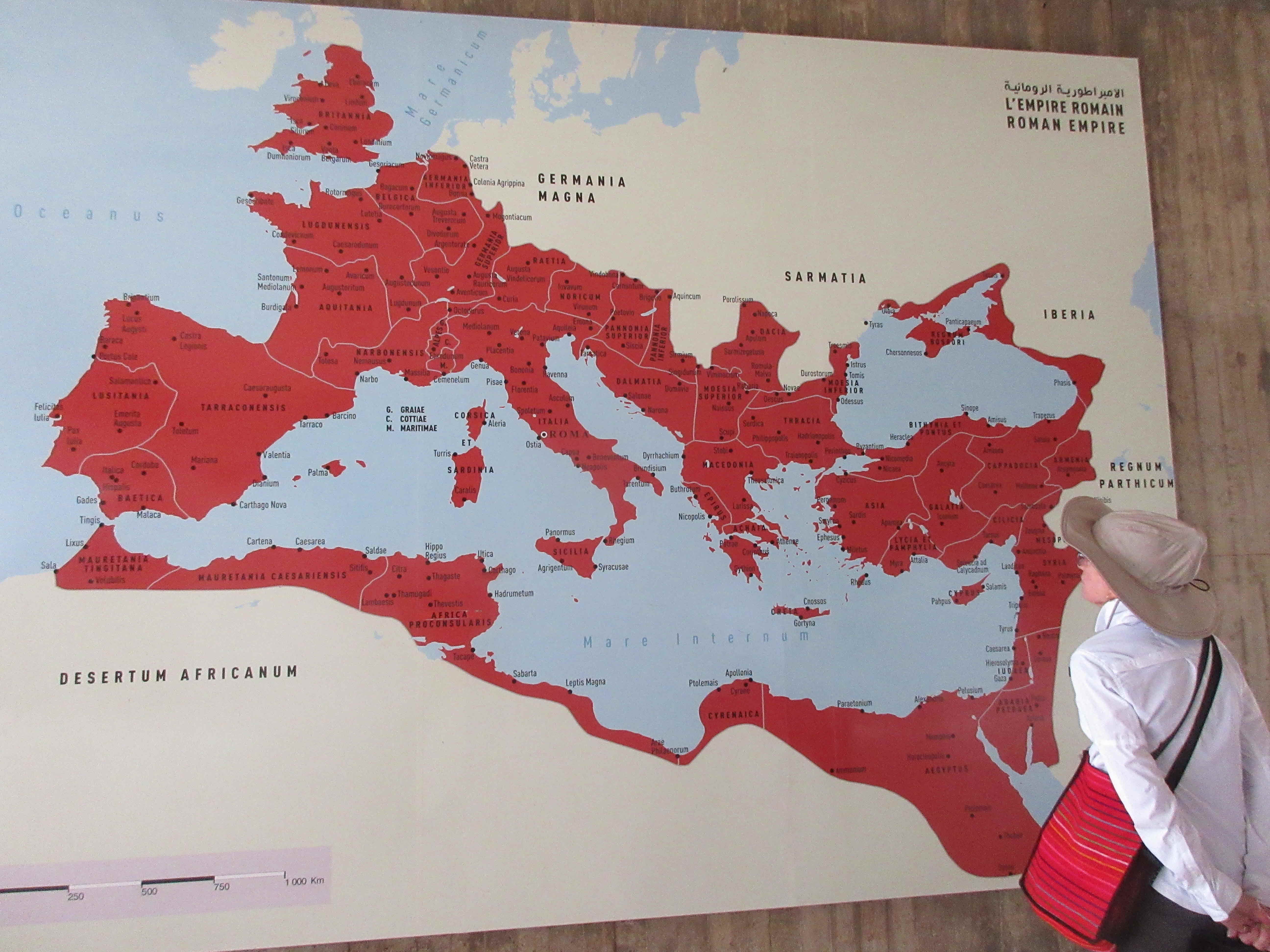
- Roman Empire
-
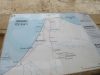
- Roman trade routes in Morocco

-
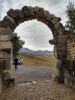
- entrance to settlement
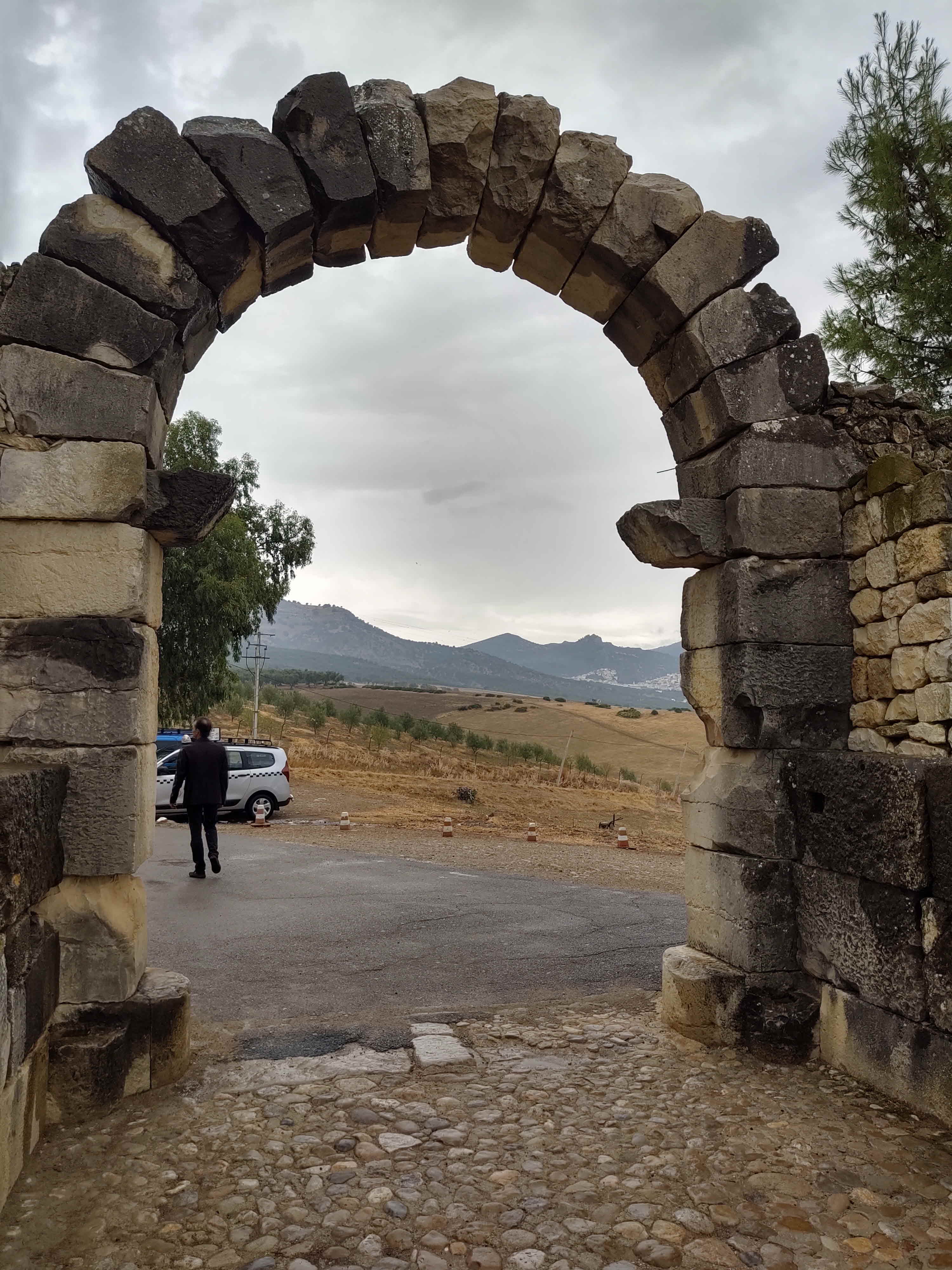
-
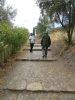
- walkway to ruins

-
- top of hill

-
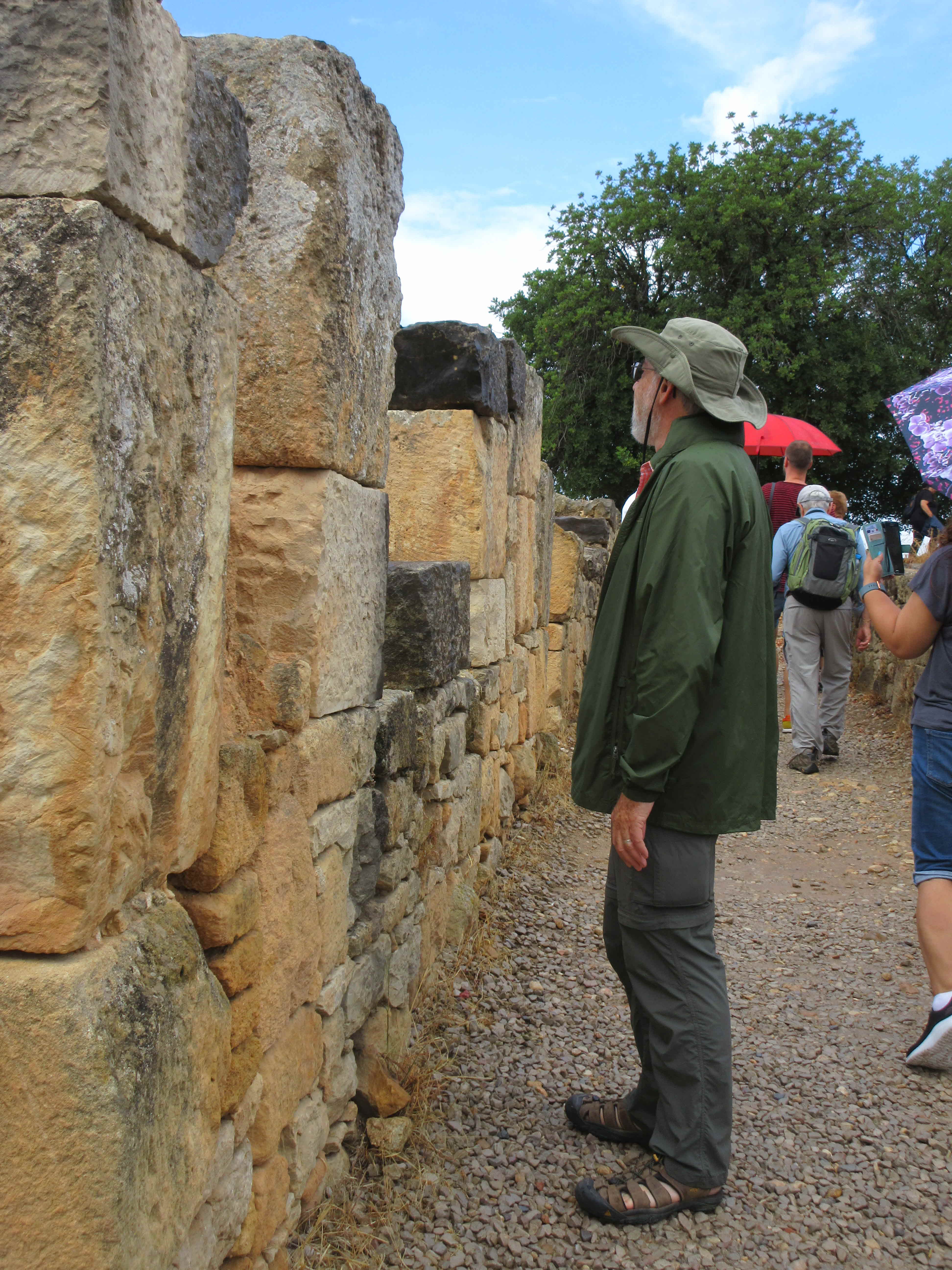
- ruins
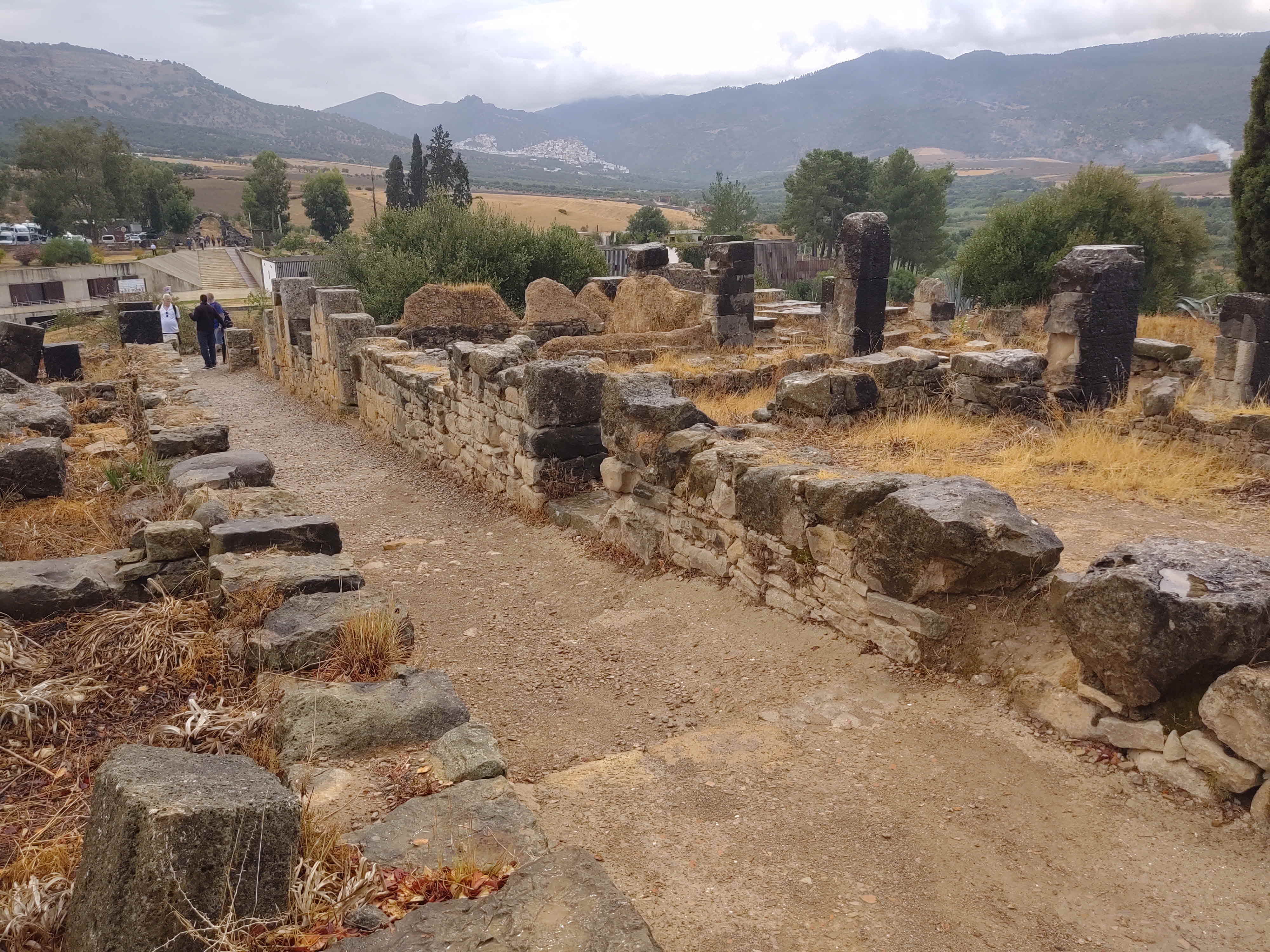
-
- huge blocks of rock
-
- looking out to plain

-
- ruins
-
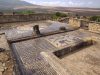
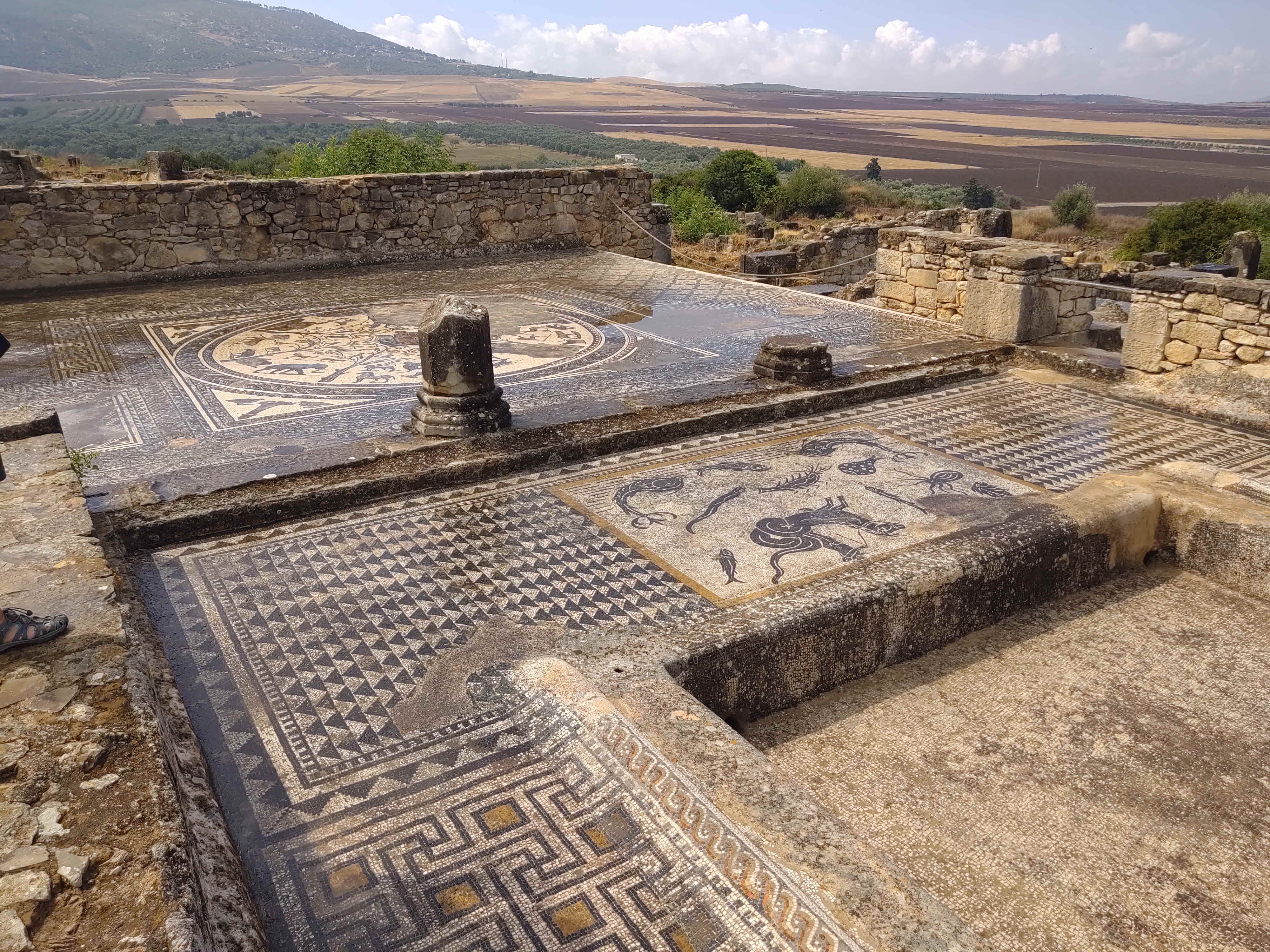
- mosaic
-
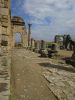
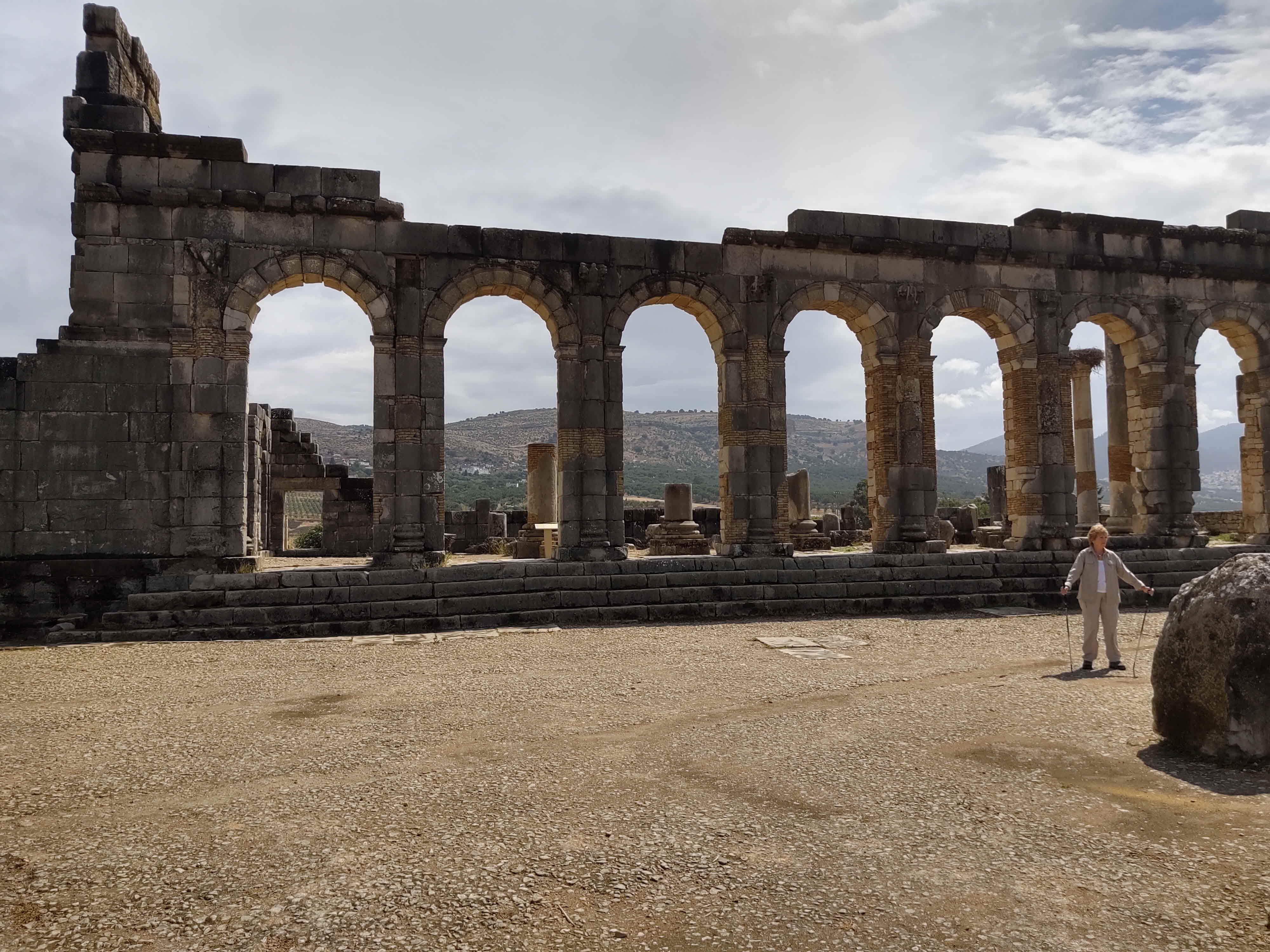
- columns & arches

-
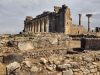
- ruins
-
- basilica
-
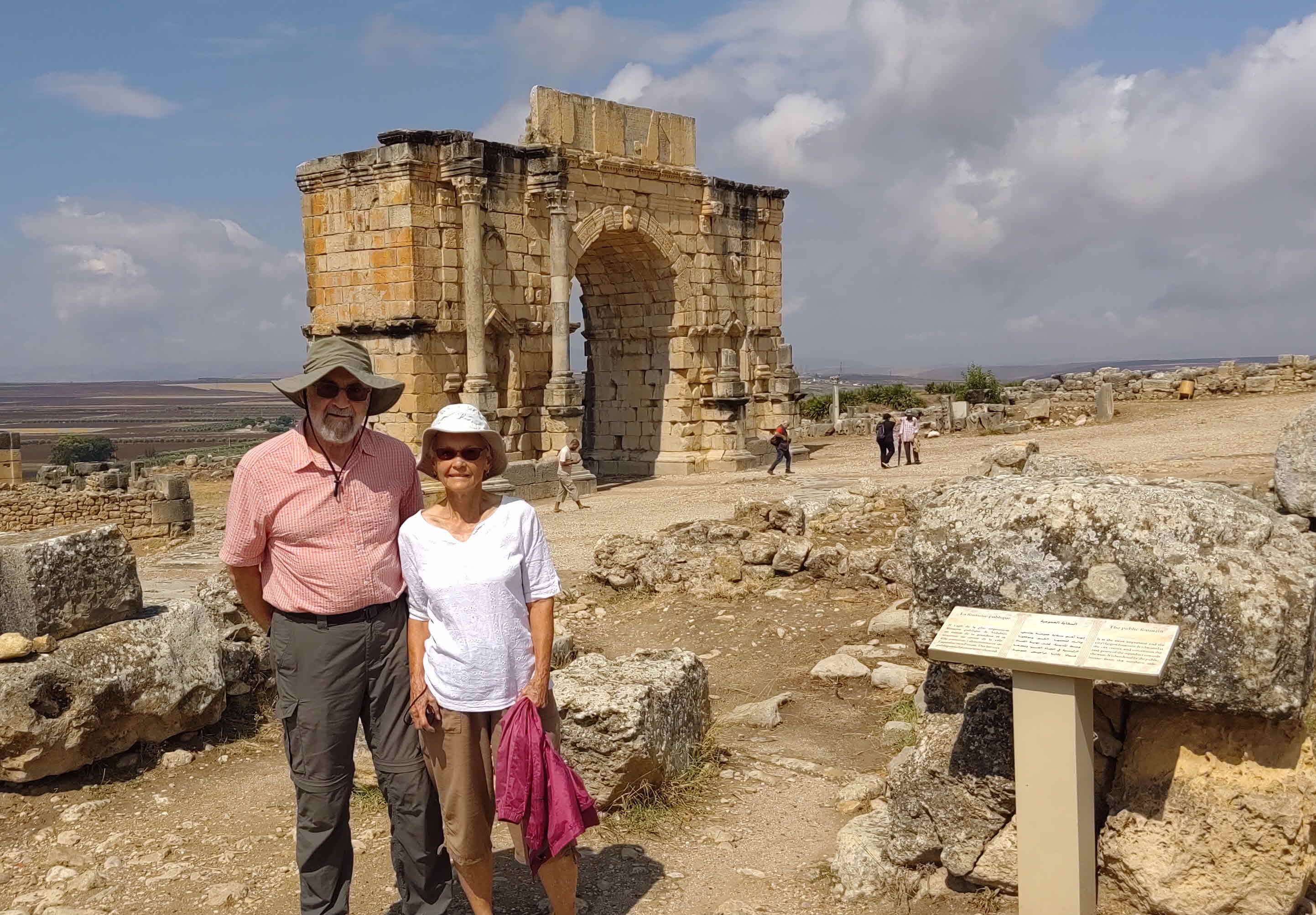
- “kami berdua”
-
- triumphal arch

-
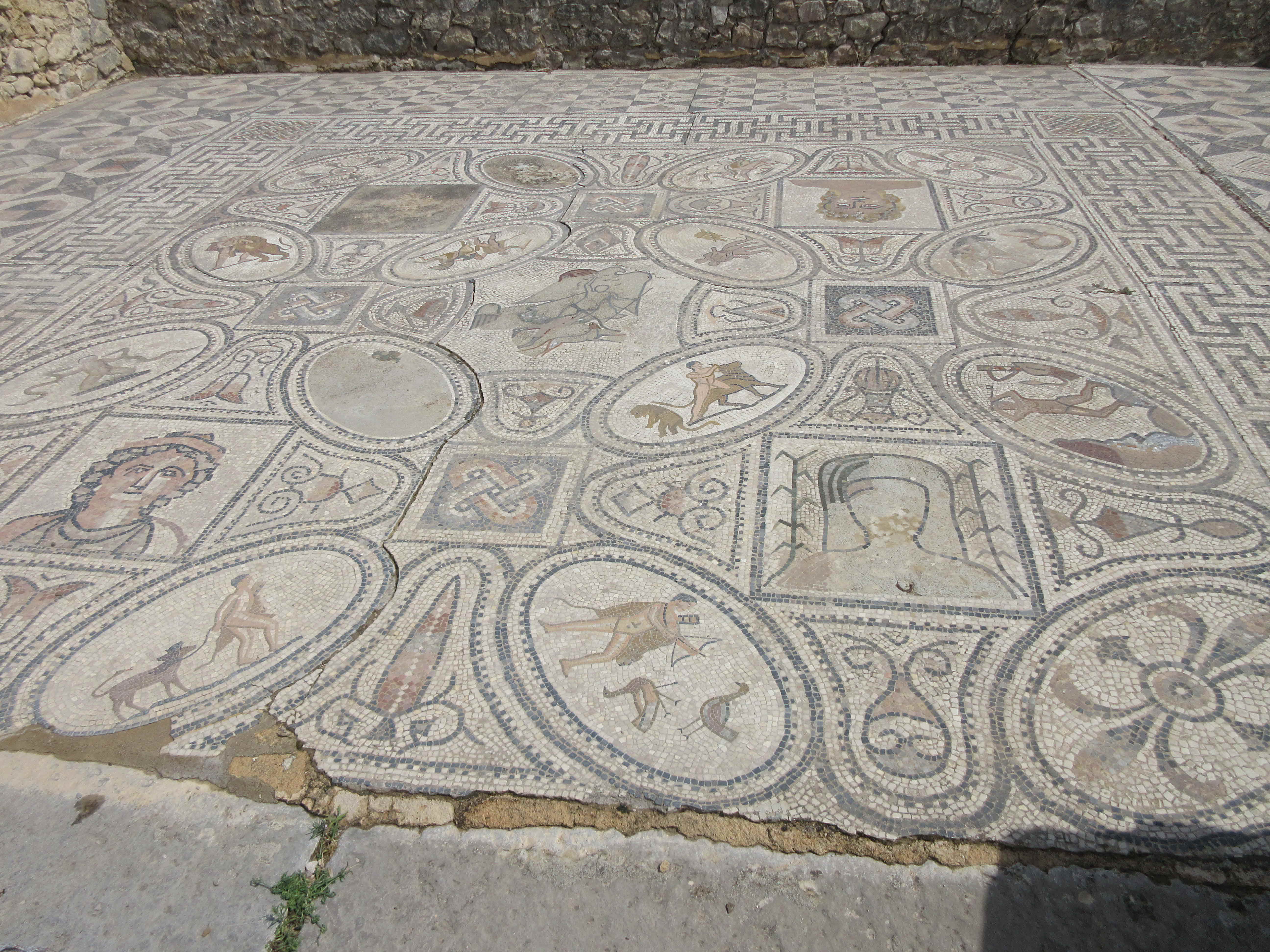
- Mosaic
-
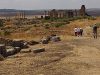
- ruins
Meknes is one of the four Imperial cities of Morocco. Founded in the 11th century by the Almoravids as a military settlement, it became capital of Morocco (1672–1727). It is noted for its Spanish-Moorish style, surrounded by high walls with great doors, and a blending of the Islamic and European styles of the 17th century still evident today.
Interesting side note: Bab al-Mansour gate, named after the architect, El-Mansour. It was completed 5 years after Sultan Moulay Ismail’s death, in 1732. It has mosaics of excellent quality. The marble columns were taken from the Roman ruins of Volubilis. When the structure was completed, Moulay Ismail inspected the gate, asking El-Mansur if he could do better. El-Mansur felt compelled to answer yes, making the sultan so furious he had him executed. ( Two paragraphs taken from Wikipedia)
-
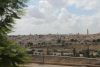
- Meknes

-
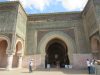
- Bab al-Mansour gate

-
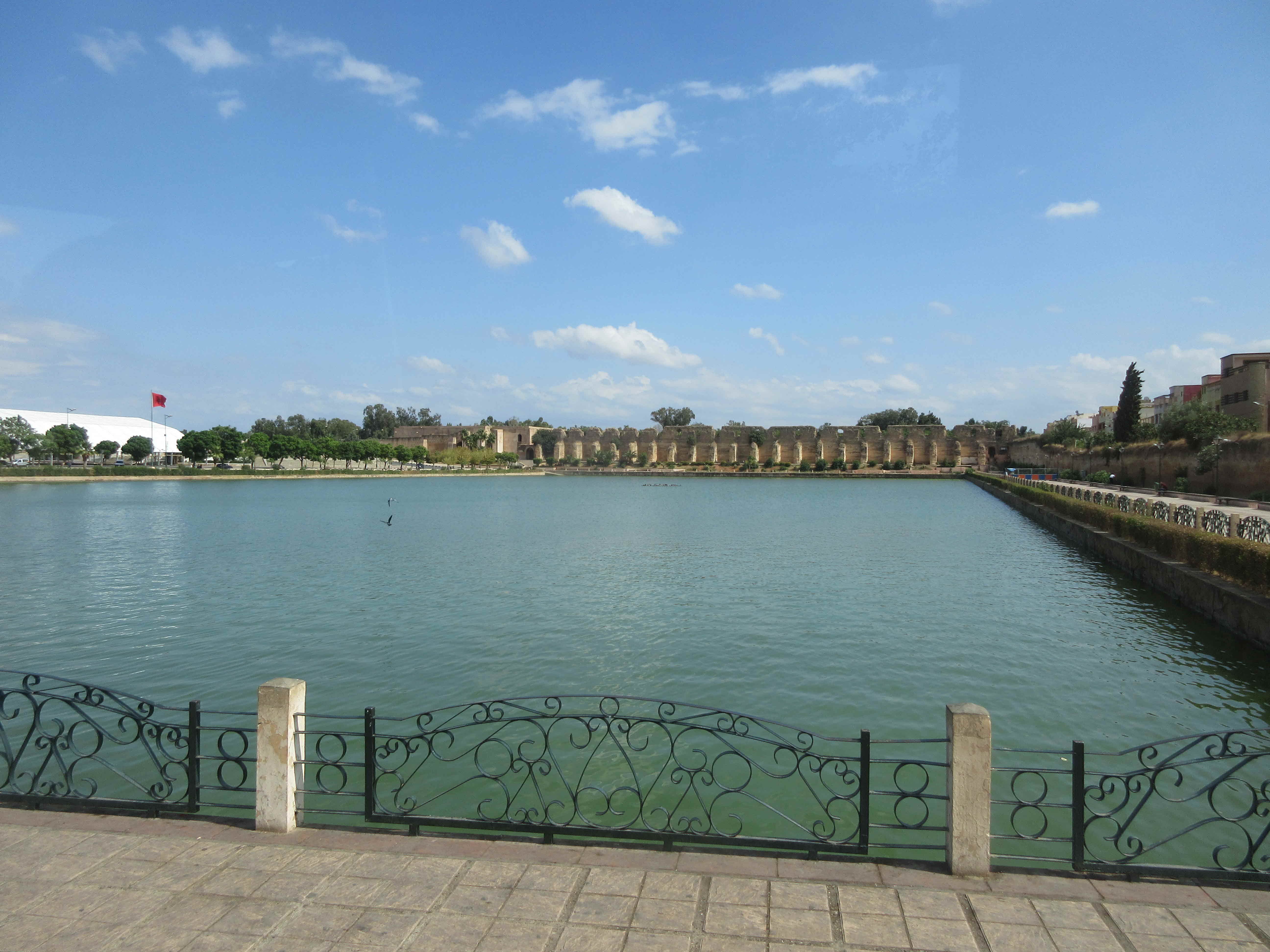
- reservoir
-
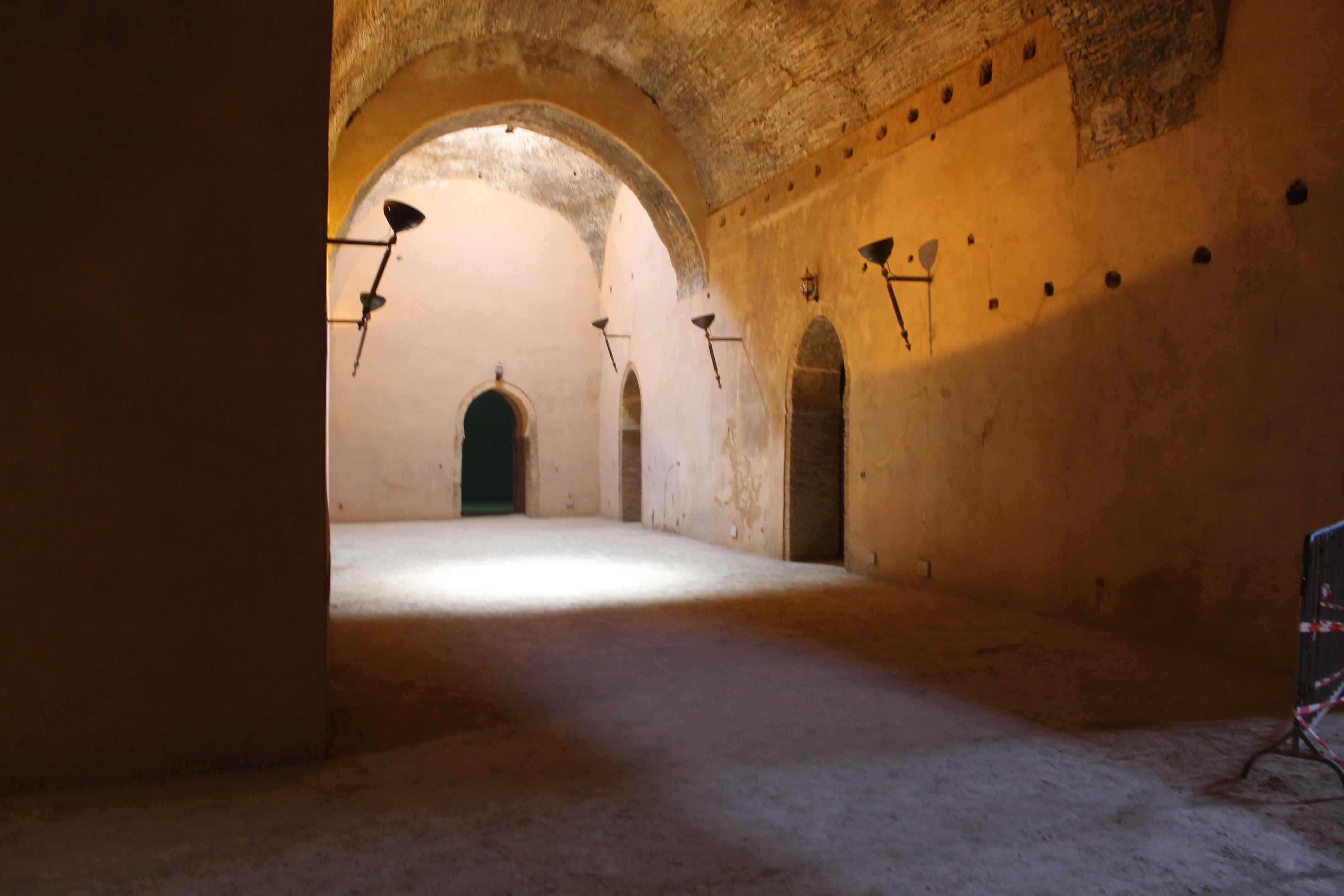
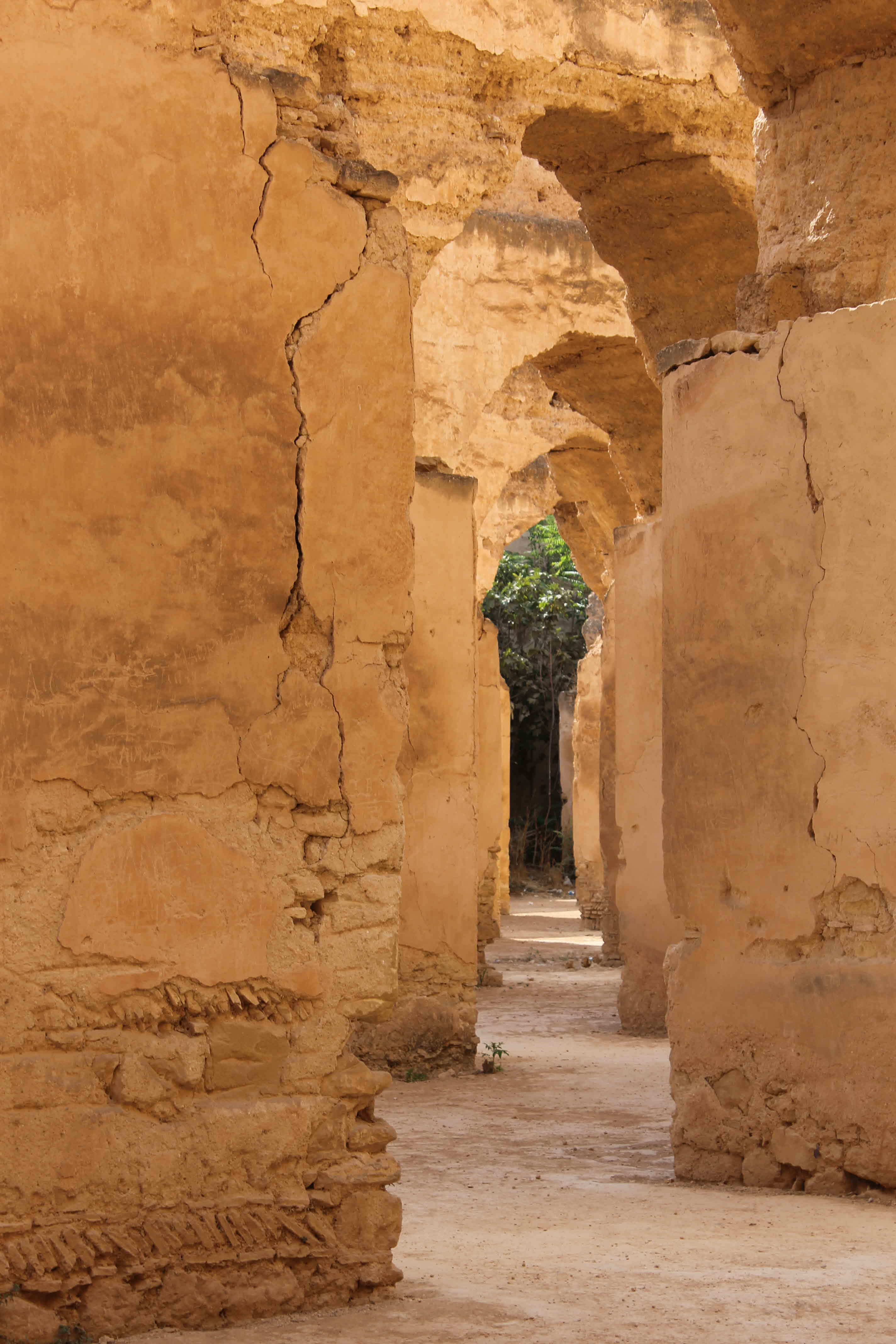
- grainery for 1700 palace horses
-
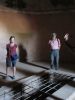
- grainery

-
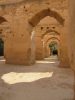
- horse stable

-

- horse stable
-

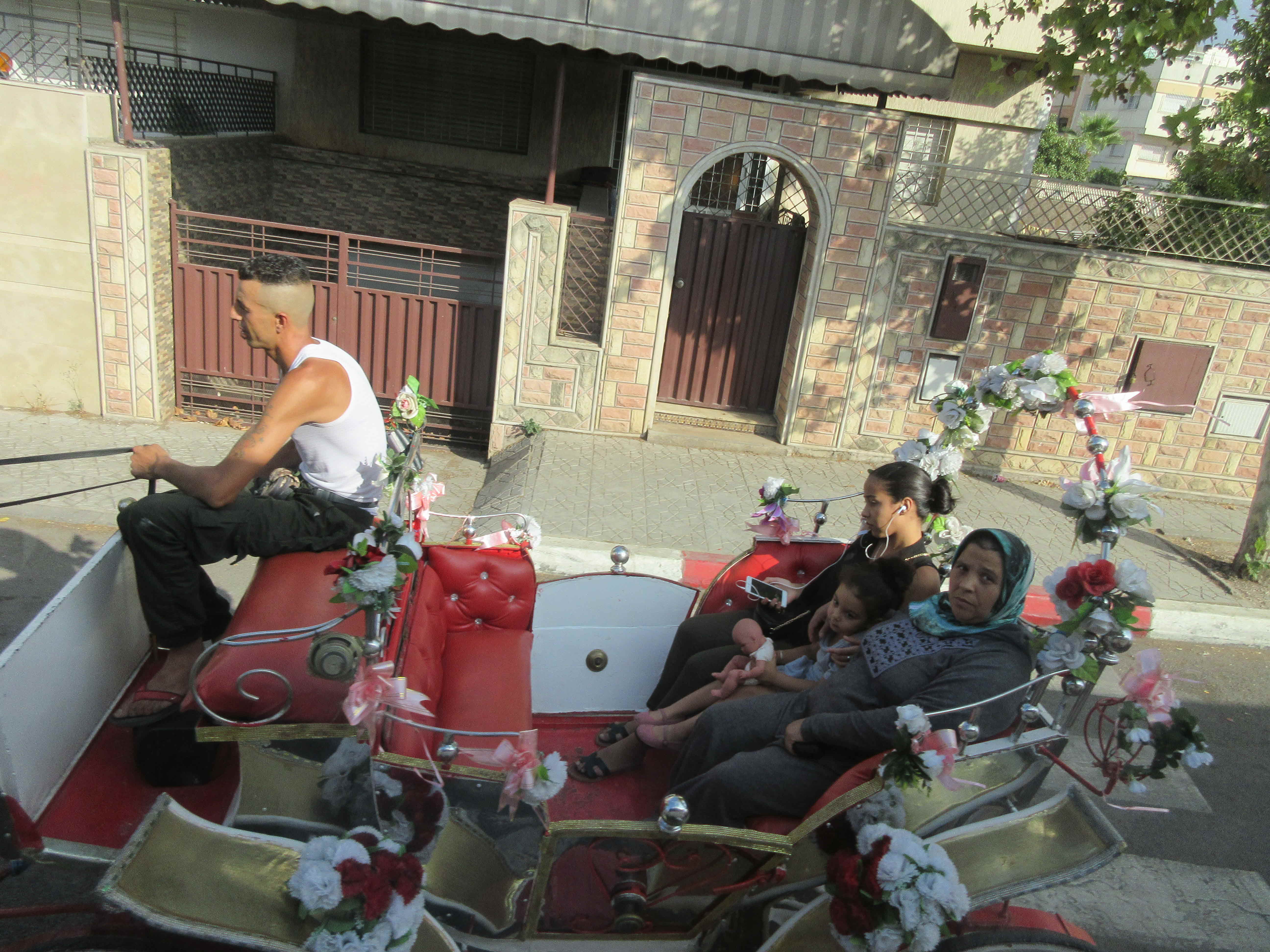
- street scene
-
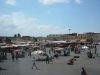
- market

-
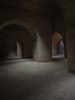
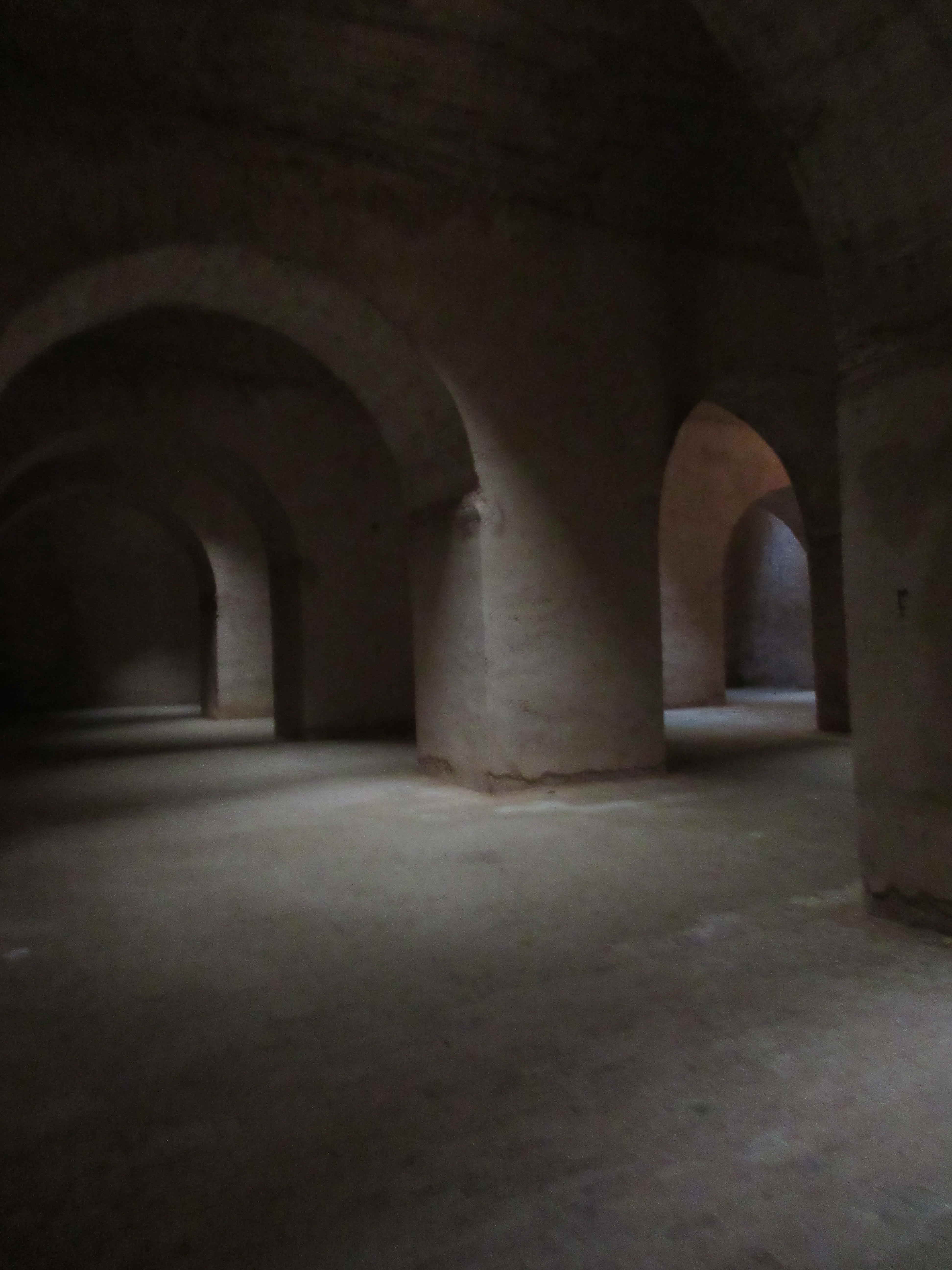
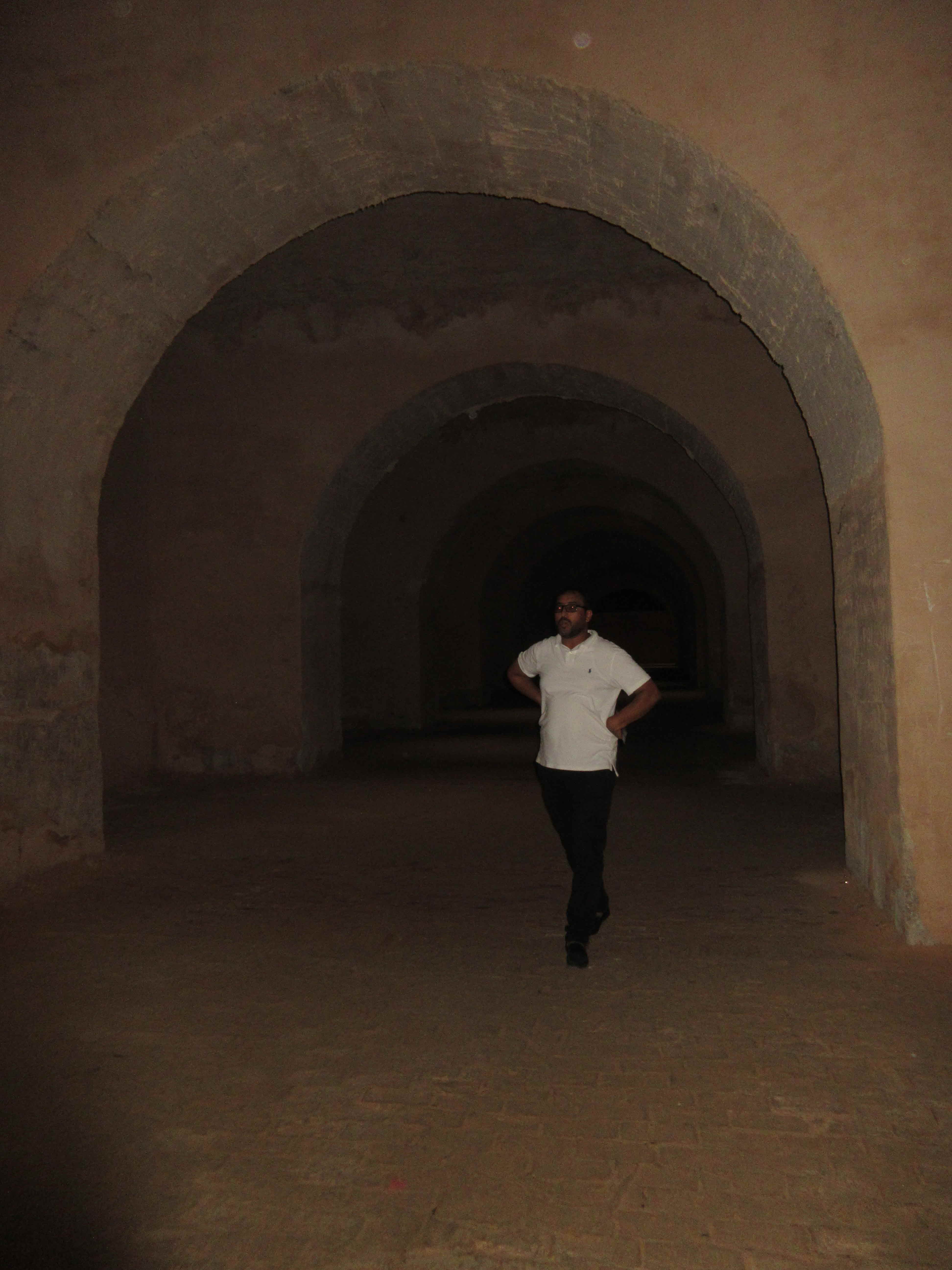
- underground jail
-
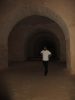
- underground jail
-
- slave auction floor above jail

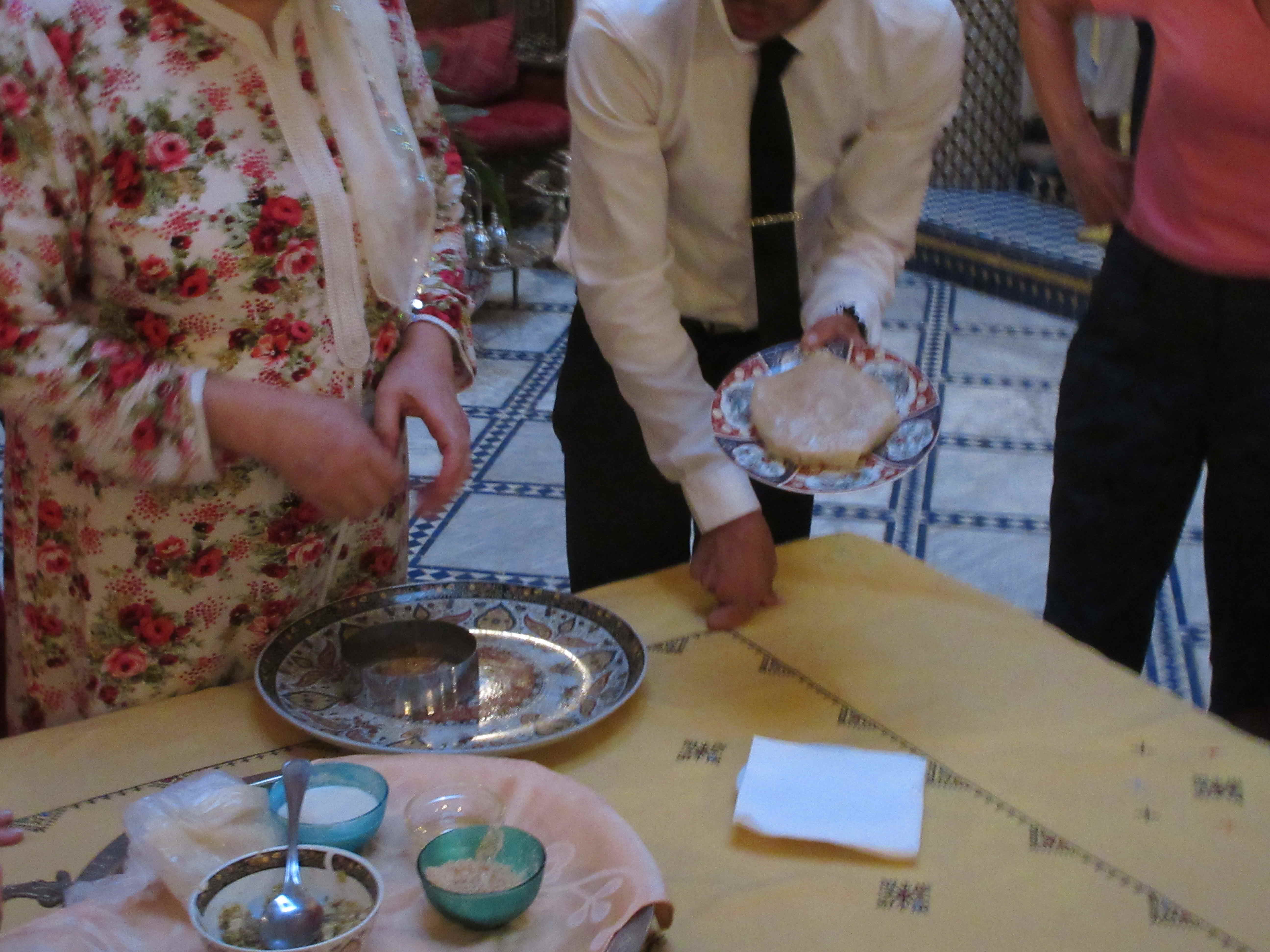
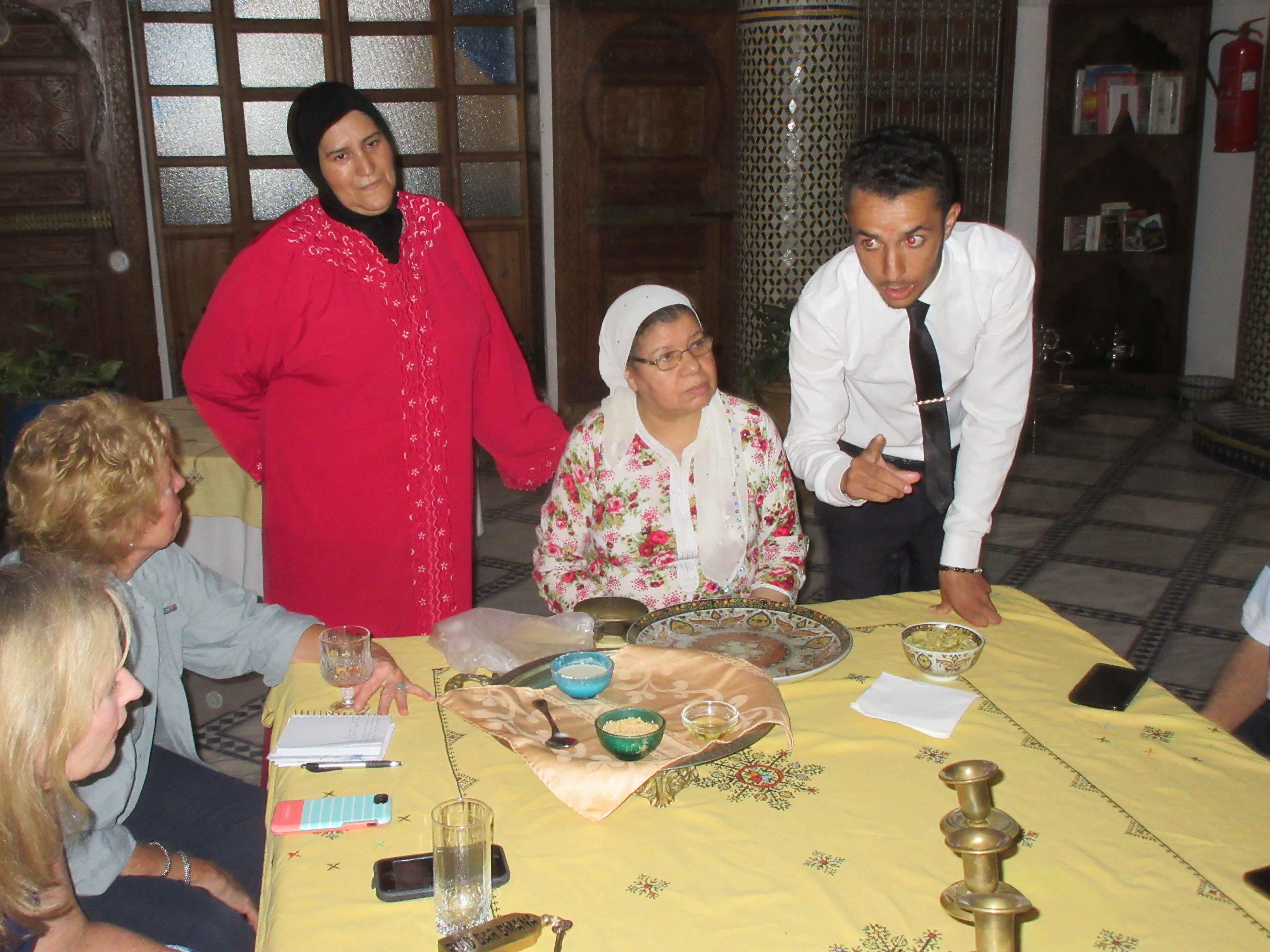
That evening at our Riad we had a demonstration for making pastille – a type of Moroccan meat pie.
-
- ingredients for pastille
-
- pastille